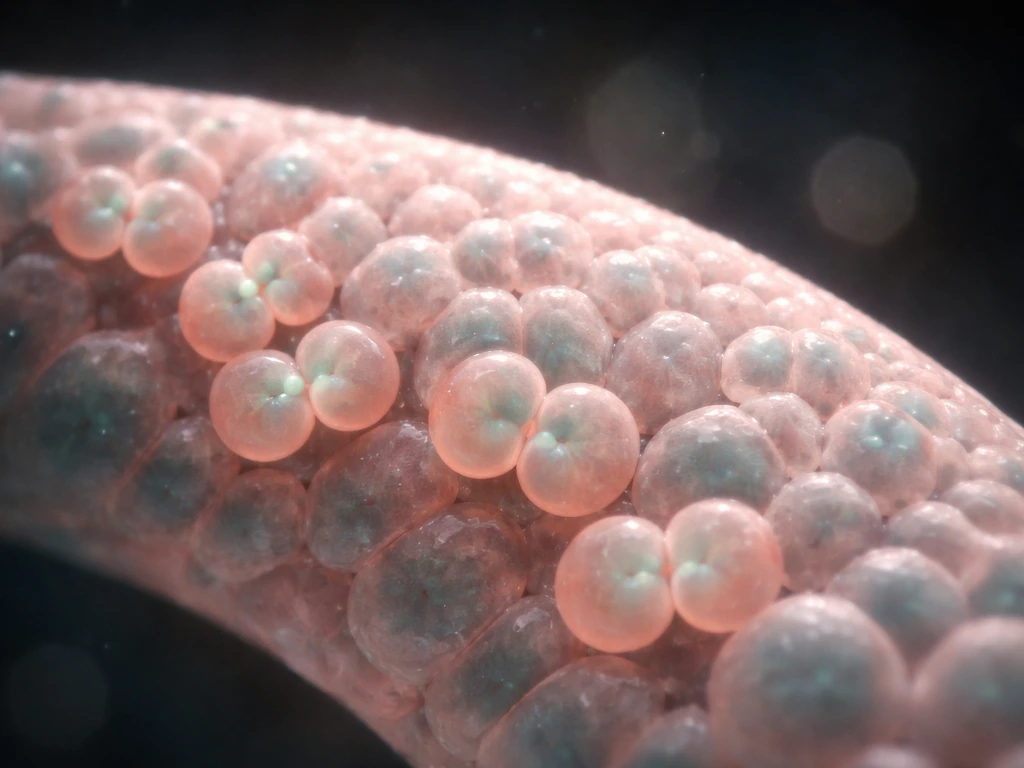
Growing human organs in a lab is, under today's scientific and ethical standards, broadly considered ethically justifiable when specific safeguards are in place: voluntary informed consent from cell or tissue donors, independent ethics oversight, equitable access planning, and honest acknowledgment of what is still experimental. That's the direct answer. But the real question is not just whether we can grow organs, but what approach is being proposed and how far it is from safe clinical use can we grow organs. But the details matter enormously, because 'growing human organs' covers a wide range of techniques with very different ethical profiles, and the ethics shift depending on where the cells come from, who benefits, and who bears the risk.
Is It Ethical to Grow Human Organs? A Practical Guide

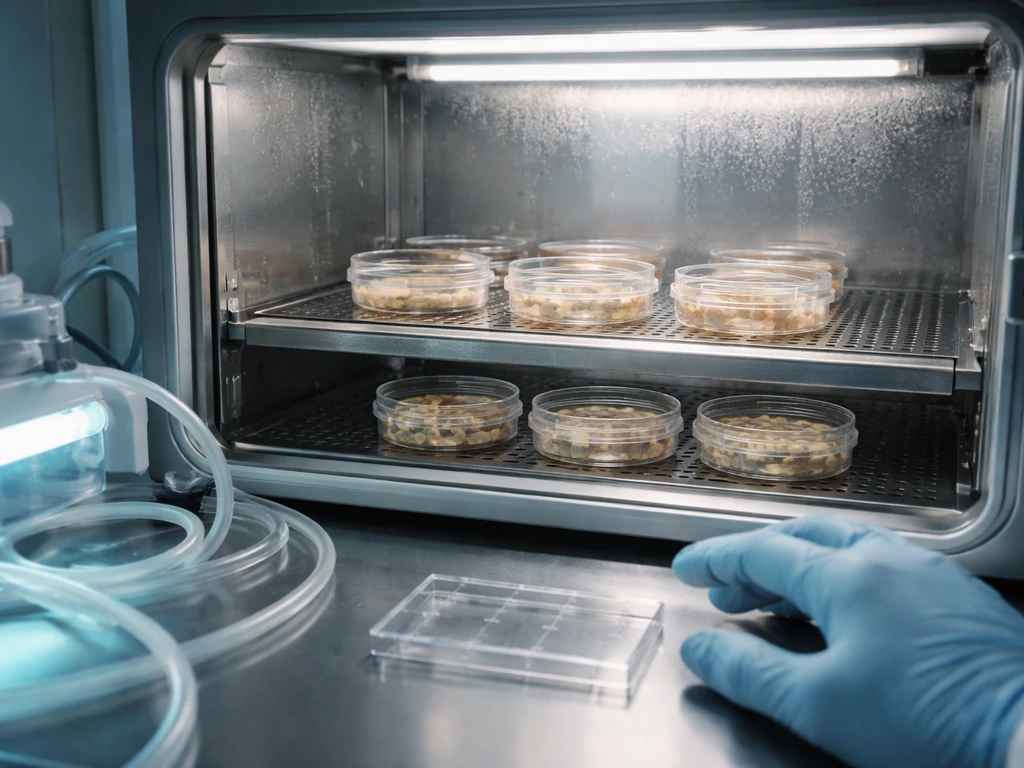
What people actually mean by 'growing human organs'
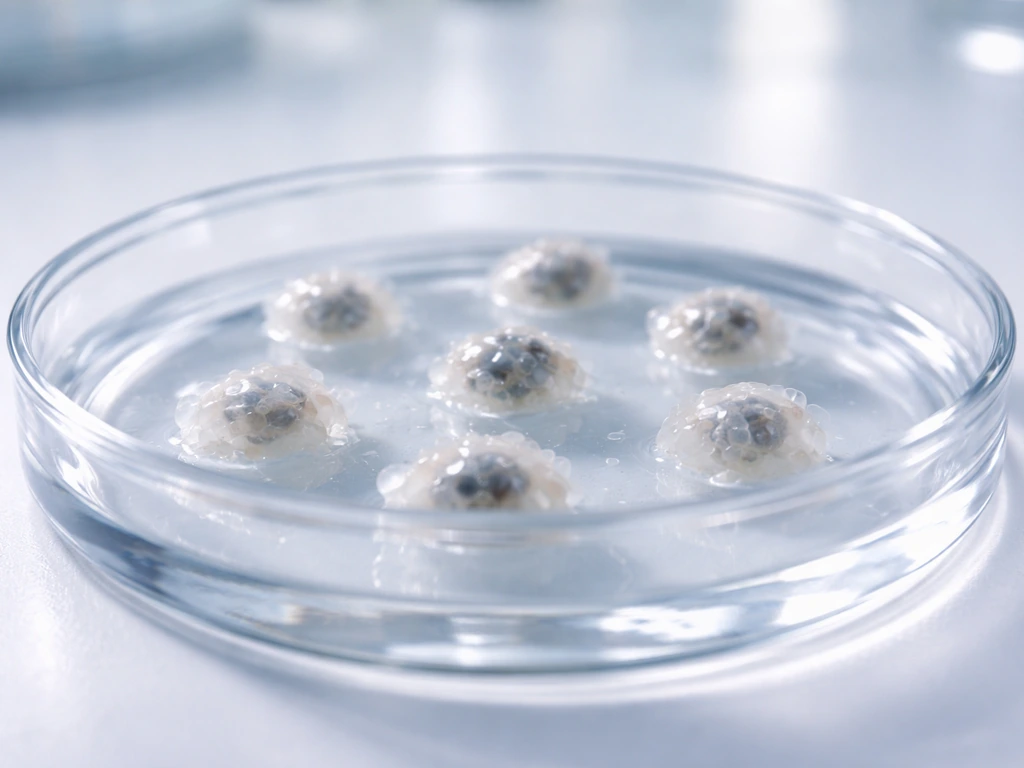
The phrase covers at least four distinct approaches, and they are not equally controversial. It helps to separate them clearly before diving into ethics.
- Organoids: miniature, self-organizing tissue structures grown from stem cells in a dish. They mimic the architecture of real organs (gut, brain, kidney, liver) but are tiny, lack full vascular networks, and are used mainly for research rather than transplantation.
- Tissue engineering: growing sheets or structures of cells on biological or synthetic scaffolds, then coaxing them into functional tissue. Think lab-grown skin grafts or cartilage patches, some of which are already in clinical use.
- Bioprinting (3D organ printing): depositing living cells in precise three-dimensional patterns using a printer, aiming to build complex structures. Still largely experimental for solid organs.
- Regenerative medicine: a broader umbrella that includes stimulating the body's own growth mechanisms, using stem cells to repair damaged tissue in situ, or engineering replacement tissue outside the body for implantation.
Each of these builds on the same biological foundation: cells that can divide, differentiate, and organize themselves into functional structures. But they face hard physical limits. Tissues can't grow indefinitely without a blood supply, and vascularization, building a working network of vessels to feed every cell, remains one of the biggest unsolved challenges in the field.
A 2024 review described the need for 'perfusable vascular networks' as an ongoing research priority, and as of recent reporting only five clinical trials involving bioprinted products were registered on ClinicalTrials. gov. So when someone asks 'is it ethical to grow human organs,' the honest first step is to ask: which approach, and how far along is it? These same constraints also shape what it means to do transplanted organs after engineering do transplanted organs grow.
The ethical frameworks that guide this debate
Bioethicists don't argue from gut feelings alone. They apply structured frameworks, and understanding the main ones helps you evaluate specific claims without getting lost in abstract philosophy.
Beneficence and non-maleficence

Do the expected benefits outweigh the potential harms? For organ engineering, the potential benefit is enormous: over 100,000 people in the US alone are on transplant waiting lists at any given time. Lab-grown organs could, in theory, eliminate that backlog. The harm side of the ledger includes donor risks, recipient immune reactions, and unknown long-term effects of engineered tissue. Immunogenicity, where the recipient's immune system attacks the implanted material, is a documented bottleneck for decellularized scaffolds used in tissue engineering. Any ethical evaluation has to weigh real benefits against those documented risks, not hypothetical perfect outcomes.
Autonomy and informed consent
Consent is arguably the most concrete ethical requirement in this space. The International Society for Stem Cell Research (ISSCR) specifies that donors for allogeneic uses (cells used in someone other than the donor) must provide written, legally valid informed consent. That consent needs to explicitly cover the intended research or therapeutic use, the possibility of commercial application, incidental findings (like discovering a genetic risk allele during cell processing), and the donor's rights regarding their data, including whole genome sequencing if applicable. The WHO's Guiding Principles on Human Cell, Tissue and Organ Transplantation, endorsed by the World Health Assembly in 2010, anchor these same norms internationally.
Justice and equitable access
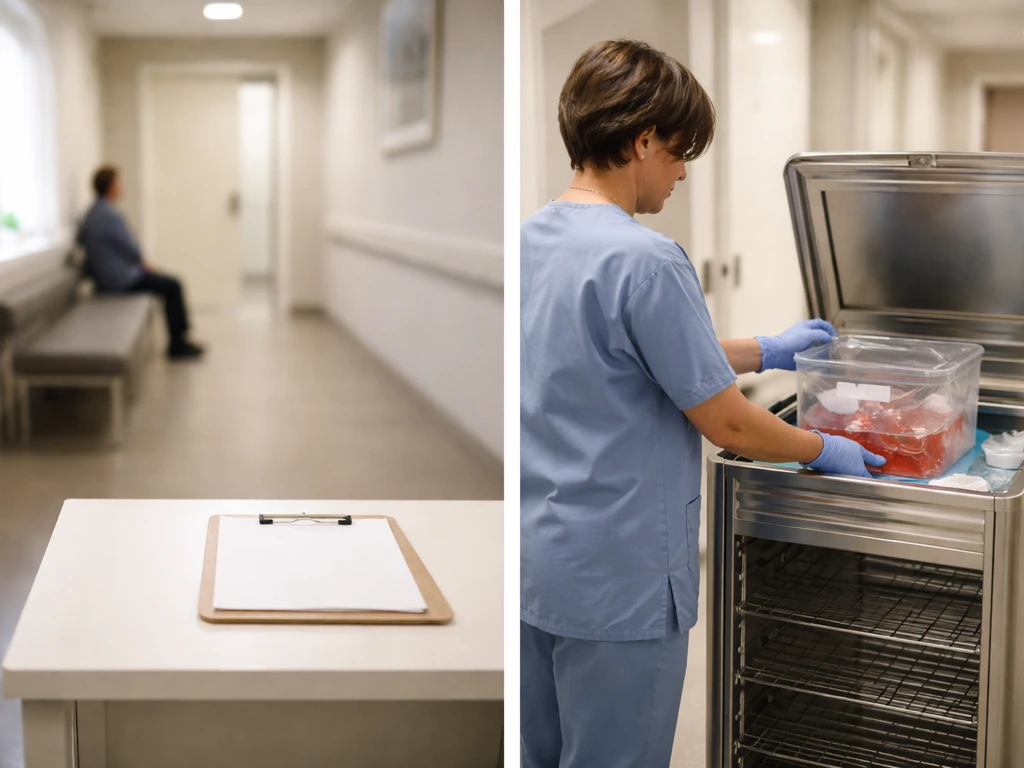
If lab-grown organs become real, who gets them? Engineered tissues are expensive to produce. Without deliberate policy intervention, they could become a luxury available only to wealthy patients, creating a two-tier transplant system. Justice-based ethics demands that access planning happens before a technology reaches clinical use, not after. This is not a theoretical concern: questions of fair allocation already shape conventional organ transplantation, and the same debates will follow engineered organs into the clinic.
Human dignity
This principle raises harder questions about commodification. Should human cells and tissues be bought and sold? Most regulatory and ethical frameworks prohibit financial payment for organ donation, treating human body parts as fundamentally not for sale. The concern is that payment creates coercive pressure on economically vulnerable people, which undermines genuine voluntariness. Growing organs from a patient's own cells sidesteps this problem largely, but using donor-derived cells reactivates it.
The biggest ethical trade-offs in practice
Where do the cells come from?

This is where most of the real ethical friction lives. There are three main cell sources, each with a different ethical profile.
| Cell Source | Ethical Concerns | Practical Status |
|---|---|---|
| Embryonic stem cells (ESCs) | Requires destruction of a human embryo; most contested source; requires specialized ethics oversight under ISSCR's EMRO process | Used in research; highly regulated; alternatives increasingly preferred |
| Adult stem cells | Minimal ethical controversy; donor consent required; limited differentiation potential | In clinical use for some applications (e.g., bone marrow transplant) |
| Induced pluripotent stem cells (iPSCs) | Can be derived from adult skin or blood cells; avoids embryo destruction; consent still required for genomic data use | Most actively pursued for organ engineering; lower ethical barriers |
| Donor cadaveric/fetal tissue | Consent from next-of-kin or prior documented consent required; fetal tissue use is politically and ethically sensitive | Regulated under ISSCR and national frameworks; voluntary consent is mandatory |
iPSCs, first developed in 2006, represent a genuine ethical breakthrough because they can be generated from a patient's own adult cells without touching embryos. They don't eliminate every concern (genomic data governance still matters), but they substantially lower the ethical stakes compared to embryonic sources. For anyone evaluating a specific organ-growing proposal, the first question should be: what is the cell source, and what consent process was used?
Risk to donors and recipients
Donor safety matters even when the donation seems minor, like a skin biopsy for iPSC generation. The FDA requires donor screening and testing for transmissible communicable diseases under 21 CFR Part 1271, and has required some form of donor testing since 1993. For recipients, the risks include immune rejection, the unknown long-term behavior of engineered tissue once implanted, and the possibility that lab-grown cells develop abnormally over time. These risks are not reasons to stop research, but they are reasons to require rigorous clinical trial evidence before widespread use.
Commercial interests and transparency
Organ engineering is a commercially attractive field, which creates pressure to move faster than the science warrants. The ISSCR explicitly recommends that all trial results be published, including negative results, to reduce unnecessary risk to future participants and to respect the contribution of those who enrolled. When a company promotes a cell therapy or bioprinted organ product without publishing full trial data, that's an ethical red flag worth noting.
Where the science actually stands today
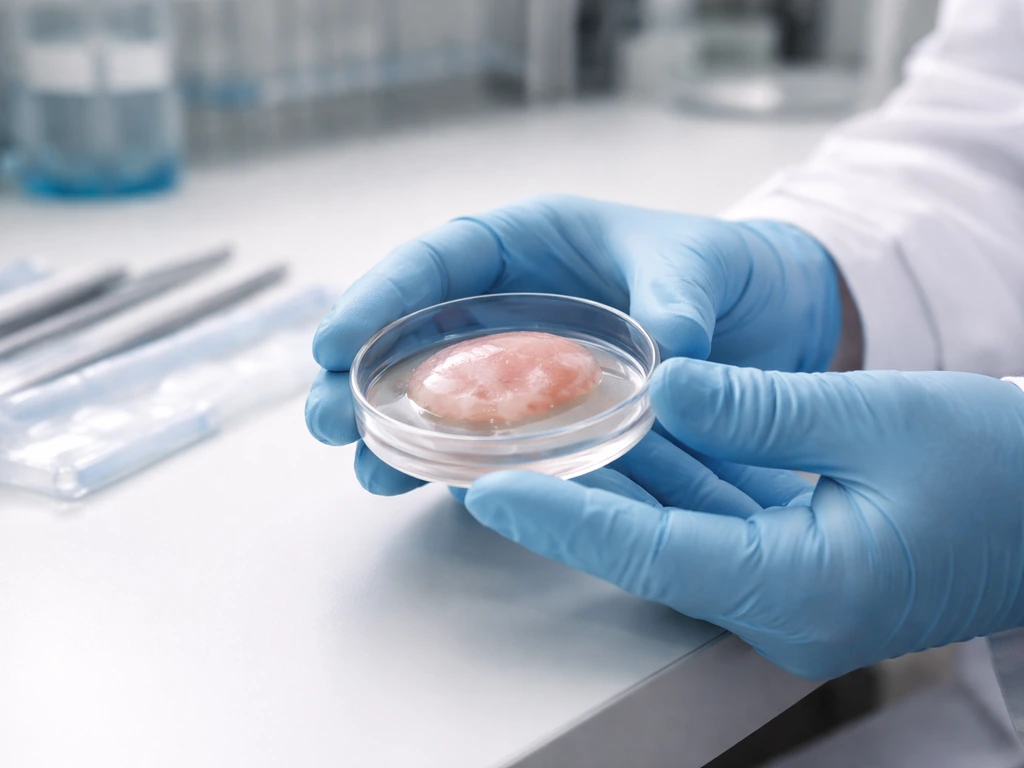
It's worth being concrete about what exists now versus what is still experimental, because ethical evaluation has to track technical reality.
- Lab-grown skin and cartilage: in clinical use in some countries. These are relatively simple tissues without complex internal vascular networks.
- Organoids: widely used in research. Brain organoids help scientists study development and disease. Gut organoids test drug responses. None are implanted in patients as replacement organs.
- Bioprinted solid organs (kidney, heart, liver): no complete, functional, implantable version exists in humans yet. Vascularization, getting blood flow through the full structure, remains unsolved at scale.
- Trachea and bladder: some of the most advanced tissue-engineered structures have reached clinical trials, with mixed long-term outcomes that highlight how much is still unknown.
- iPSC-derived cell therapies: actively in clinical trials for conditions like macular degeneration and Parkinson's disease, though full organ replacement from iPSCs is further out.
The biological constraints here aren't arbitrary. Cells need oxygen and nutrients delivered within roughly 200 micrometers, which is why every living tissue above a certain size has blood vessels. Engineering those vessels at the right scale, with the right branching hierarchy, is a genuine unsolved engineering problem. This connects directly to the ethical picture: it would be wrong to offer patients lab-grown solid organs as if they were ready today, because the science simply isn't there yet. Stem-cell based research is central to whether we can stem cells grow organs in a way that is both safe and clinically feasible. Honest communication about what is and isn't possible is itself an ethical requirement.
The embryo and animal questions: where ethics often gets complicated
Two areas consistently generate the most ethical debate: the use of embryonic or fetal material, and the possibility of growing human organs inside animals (chimeric approaches).
Embryonic and fetal tissue
The 2021 ISSCR Guidelines explicitly cover human embryo culture and 'stem cell-derived models of embryo development,' including embryo-like entities and organoids. Research involving these materials requires a specialized scientific and ethics oversight process, described as an Embryo Research Oversight (EMRO) process. The core requirement is simple: embryos and fetal tissue should only be used in research if voluntary informed consent was obtained before the research begins. There's no ethical shortcut here.
If you encounter a research program that doesn't document donor consent for embryonic material, that's a serious governance failure. The Nuffield Council on Bioethics has also highlighted ongoing debates about the moral status of stem cell-based embryo models, noting that governance frameworks are still catching up with what scientists can now build.
Alternatives that lower the ethical stakes
The good news is that iPSCs have genuinely shifted the field away from embryo dependence for most organ-engineering work. Adult stem cells, while more limited in what they can become, carry almost no ethical controversy when proper consent is in place. Organoid models, grown from a patient's own cells, raise far fewer concerns than approaches that require human embryos or animal hosts. When evaluating a specific technology or research program, ask whether the ethical controversy could be reduced by switching to an iPSC or adult-stem-cell approach. Often the answer is yes, and the science is good enough to support that switch.
How regulation and oversight actually work
Regulation in this space is genuinely complex because it spans research ethics, product safety, and clinical use, and the rules differ by country. Here's how the major frameworks operate.
In the United States
The FDA regulates human cells, tissues, and cellular and tissue-based products (HCT/Ps) under 21 CFR Part 1271. There are two regulatory tiers. Products meeting criteria for 'minimal manipulation' and 'homologous use' (meaning the tissue performs the same basic function in the recipient as in the donor) can be regulated under the simpler 'Section 361' pathway.
Products that don't meet those criteria, including most engineered organs, are regulated as drugs or biologics under Section 351, requiring an Investigational New Drug (IND) application or marketing approval before clinical use. Vascularized solid organs like kidneys, hearts, and lungs fall outside FDA HCT/P jurisdiction entirely and are governed by the transplant system. Donor eligibility for HCT/Ps requires screening and testing for communicable diseases, a requirement that has been in place since 1993.
In the European Union
The EU regulates lab-grown and engineered tissue products as Advanced Therapy Medicinal Products (ATMPs) under Regulation (EC) No 1394/2007. The European Medicines Agency's Committee for Advanced Therapies (CAT) evaluates quality, safety, and efficacy, and provides classification recommendations within 60 days of a request. Clinical trials for ATMPs also go through a centralized EU-level procedure under the EU Clinical Trials Regulation (EU) No 536/2014, which integrates ethics committee involvement into the approval process.
International and research-level oversight
Beyond national regulators, the ISSCR Guidelines set widely followed international standards for stem cell research and clinical translation, including consent requirements, publication ethics, and specialized oversight for embryo-related research. The CIOMS/WHO framework supports independent research ethics committee review as a core requirement for any human subjects research. The WHO's Guiding Principles on Human Cell, Tissue and Organ Transplantation, endorsed in 2010, provide a global baseline for consent and ethics norms. No single global body has enforcement power, but these frameworks create strong professional and regulatory expectations that shape what gets funded and published.
A practical checklist for evaluating any organ-growing proposal
Whether you're a student writing a paper, a patient exploring experimental options, or a curious reader trying to think this through, these are the questions that cut through vague arguments and get to what actually matters.
- What is the cell source? Ask whether cells come from embryos, fetal tissue, adult donors, or the patient's own body (autologous). iPSC and adult-stem-cell approaches carry the lowest ethical burden.
- Was informed consent obtained? Look for documentation that donors gave written, legally valid consent before research began, covering research use, potential commercial application, and genomic data handling.
- Has an independent ethics review body approved the research? In the US, this means an IRB. In the EU, it means ethics committee involvement under the clinical trials regulation. For stem cell research, ISSCR Guidelines compliance matters.
- Is the product properly regulated? In the US, check whether an IND or marketing approval is in place for any clinical use. In the EU, check for ATMP authorization. Unregulated clinical use of engineered tissues is a serious red flag.
- What are the documented risks for donors and recipients? Legitimate programs disclose known risks, including immune reactions, infection transmission risk, and long-term unknowns.
- Has the full trial data been published, including negative results? Selective publication is an ethics problem. ISSCR explicitly requires transparency in clinical translation.
- Who has access, and at what cost? Ask whether the program has a plan for equitable access, especially if publicly funded research underlies a commercial product.
- What are the biological constraints, and are they being honestly communicated? If someone claims a fully functional, implantable lab-grown kidney is ready for patients today, that's not supported by current science. Vascularization alone remains an unsolved problem.
What this means for you right now
Growing human organs is not a single technology with a single ethical verdict. It's a family of approaches ranging from organoids in a research dish to fully engineered replacement organs that don't yet exist in transplantable form. The ethics shift with each approach, and they shift again depending on cell source, consent processes, regulatory status, and access planning.
The clearest ethical signal is this: techniques that use a patient's own iPSC-derived cells, with proper consent and regulatory oversight, sit on solid ethical ground. Techniques involving embryonic material or unclear consent processes need much more scrutiny. And any clinical offer of an engineered solid organ today should be treated with significant skepticism, not because the science is wrong in principle, but because the biology of growing a vascularized, functional organ at transplant scale isn't solved yet.
Keeping track of what's real versus what's promised is itself an act of ethical thinking.
FAQ
If a lab-grown organ could help people on waiting lists, does that automatically make it ethical to pursue?
Yes, it can be ethical, but the key is whether the proposal is truly within the scope of research or already being marketed as near-ready treatment. Even if the long-term goal is beneficial, offering “compassionate use” or clinic access without strong, publicly available trial evidence for safety and durability shifts the ethical balance toward exposing patients to uncertain risk.
Does growing organs from a patient’s own cells remove all ethical concerns about data and commercialization?
Not necessarily. Using a patient’s cells avoids many commodification concerns, but genomic data creates a new ethical duty. If donor cells include whole genome sequencing or produce identifiable data, consent should clearly cover storage, secondary research use, potential commercial partnerships, and who controls withdrawal.
How can I tell whether an organ-growing company is being ethically transparent about risks?
Look for both trial reporting and the quality of endpoints. Ethical programs generally predefine outcomes like immune response, vascular integration markers, and long-term monitoring plans, and they publish negative or inconclusive results. If marketing materials emphasize “success” while withholding adverse event reporting or follow-up duration, that is a practical red flag.
What counts as “good enough” informed consent for donors of cells used in organ engineering?
Consent should be specific to the intended use, not just to “stem cell research in general.” In practice, ethically strong programs spell out whether the cells may be used for unrelated conditions, whether commercial entities may receive derivatives, and how donors can exercise rights if incidental findings (like genetic risk alleles) are discovered.
What ethical requirements exist for long-term monitoring of recipients, not just short-term safety?
Because engineered tissues may behave unpredictably over time, consent and trial design should include long-term obligations, not only immediate safety. Ethical oversight typically requires monitoring plans that extend beyond early implantation, plus clear disclosure of uncertainties about abnormal growth, tumor risk, or changes in function as the tissue matures.
Can a program be ethical if it uses iPSCs now, but started from ethically controversial sources earlier?
Yes, and it usually depends on the cell source and the consent framework. iPSC approaches can reduce controversies tied to embryos, but if a program uses embryos for derivation or relies on unclear provenance, scrutiny increases sharply. If the original consent does not cover the specific downstream uses, even technically advanced work can become ethically problematic.
Are organoids automatically ethically safer than building transplantable organs?
Not always. “Organoid” work can be ethically less contentious than transplant-ready organs, but organoids can still raise governance issues when they resemble embryo development stages, have embryo-like properties, or generate highly sensitive developmental data. Ethical evaluation should check whether specialized oversight is in place for embryo-related model research, even if no embryos are implanted.
How should justice and access concerns be handled once a therapy enters clinical trials?
For recipients, it is not only about side effects, it is also about fairness in trial recruitment and access afterward. Ethically strong planning addresses whether trial participants are representative, whether burdens fall disproportionately on disadvantaged groups, and how treatment availability will be handled if results are successful.
What ethical safeguards should exist for chimeric approaches, growing human cells inside animals?
It depends on how the intervention is framed and on oversight, especially for “inside-an-animal” approaches. Ethically serious programs use animal chimeras only under strict containment, welfare standards, and research authorization, because the moral concern often centers on what the chimeric system could develop (and whether that crosses established ethical boundaries).
Does regulatory approval or authorization automatically answer “is it ethical”?
Yes, and the most common mistake is treating a regulatory pathway like a guarantee of ethical adequacy. Regulation addresses safety and certain governance elements, but ethics also depends on consent quality, publication practices, equity planning, and how uncertainty is communicated to potential participants or patients.
How Do Cells in Our Organs Grow: Division, Control, Limits
Cell cycle and mitosis explain how organ cells multiply, how signals control growth, and what limits cells from unlimite