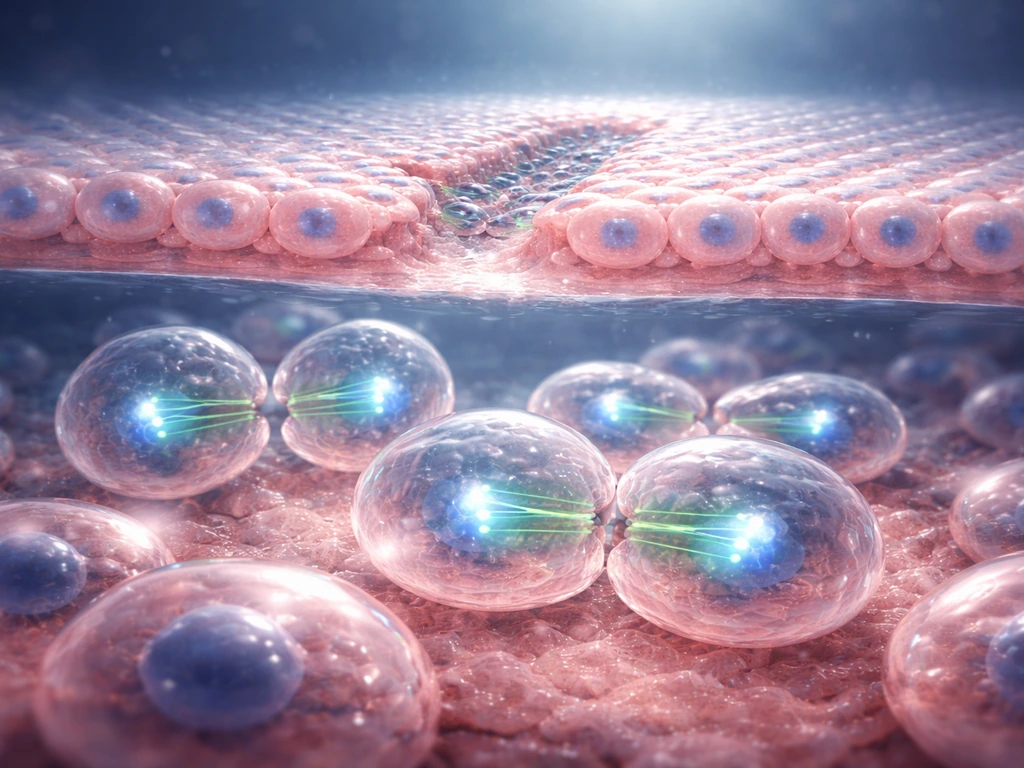
The nature of life is to grow because growth is not just something living things do occasionally, it is baked into what makes something alive in the first place. Every living system, from a single bacterium to a redwood tree, tends to increase in size, produce more cells, and build more biomass whenever energy and resources are available. That drive to expand, repair, and reproduce is one of the core defining features biology uses to separate living things from non-living ones.
The Nature of Life Is to Grow: Science and Mechanisms
Marcus Whitmore
20 May 2026
What "the nature of life is to grow" actually means
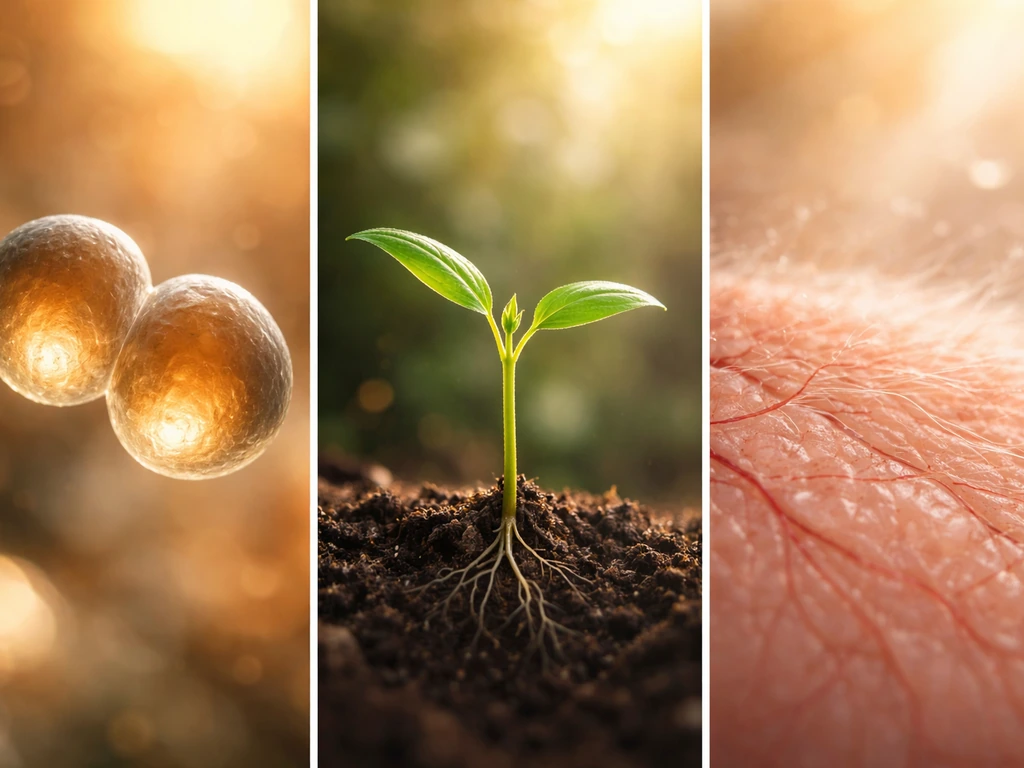
When biologists list the shared characteristics of life, growth shows up alongside reproduction, energy processing, and homeostasis. The statement "the nature of life is to grow" is not poetry, it is a mechanistic claim. It means that given sufficient energy inputs and raw materials, living systems will predictably increase their biomass, their cell count, or both. This happens at every scale: a single cell enlarges during interphase, a seedling extends its shoot toward light, and a wound closes as new tissue fills the gap.
The key phrase is "given sufficient conditions." Growth is not magic or a mystical force, it is the output of biochemical machinery running on fuel. When that fuel runs out, or when conditions become unfavorable, growth slows, pauses, or stops. That conditional quality is part of what makes biological growth different from simple physical accumulation.
What growth actually means at different scales
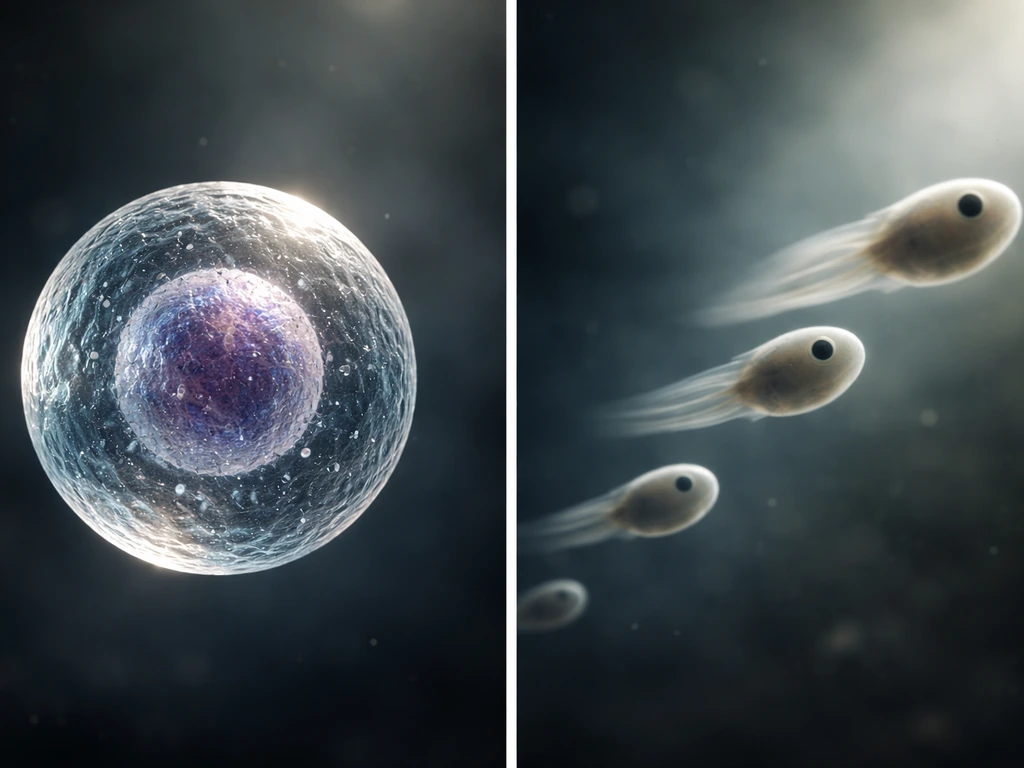
Growth means something slightly different depending on whether you are zooming in on a single cell or zooming out to an entire organism. It is worth being precise here because students often conflate these levels.
Growth at the cell level
A cell grows by increasing its volume and synthesizing more proteins, lipids, and other molecules. During the G1 phase of the cell cycle, a cell physically enlarges and ramps up protein production before it even thinks about dividing. After DNA replication in S phase and a preparation period in G2, the cell divides in mitosis, producing two daughter cells, each roughly the size the original cell started at. So cell-level growth is both about getting bigger and about making more cells through division.
Growth at the organism level
For multicellular organisms, growth involves coordinated increases in cell number (hyperplasia) and cell size (hypertrophy) across tissues. A human baby grows into an adult not because individual cells become enormous, but because trillions of regulated cell divisions produce more cells that then differentiate into specialized tissues. In plants, primary growth, the extension of shoots and roots, comes almost entirely from cell division happening in specific zones called apical meristems at the tips of stems and roots.
The mechanisms that make growth happen
Cell division and mitosis
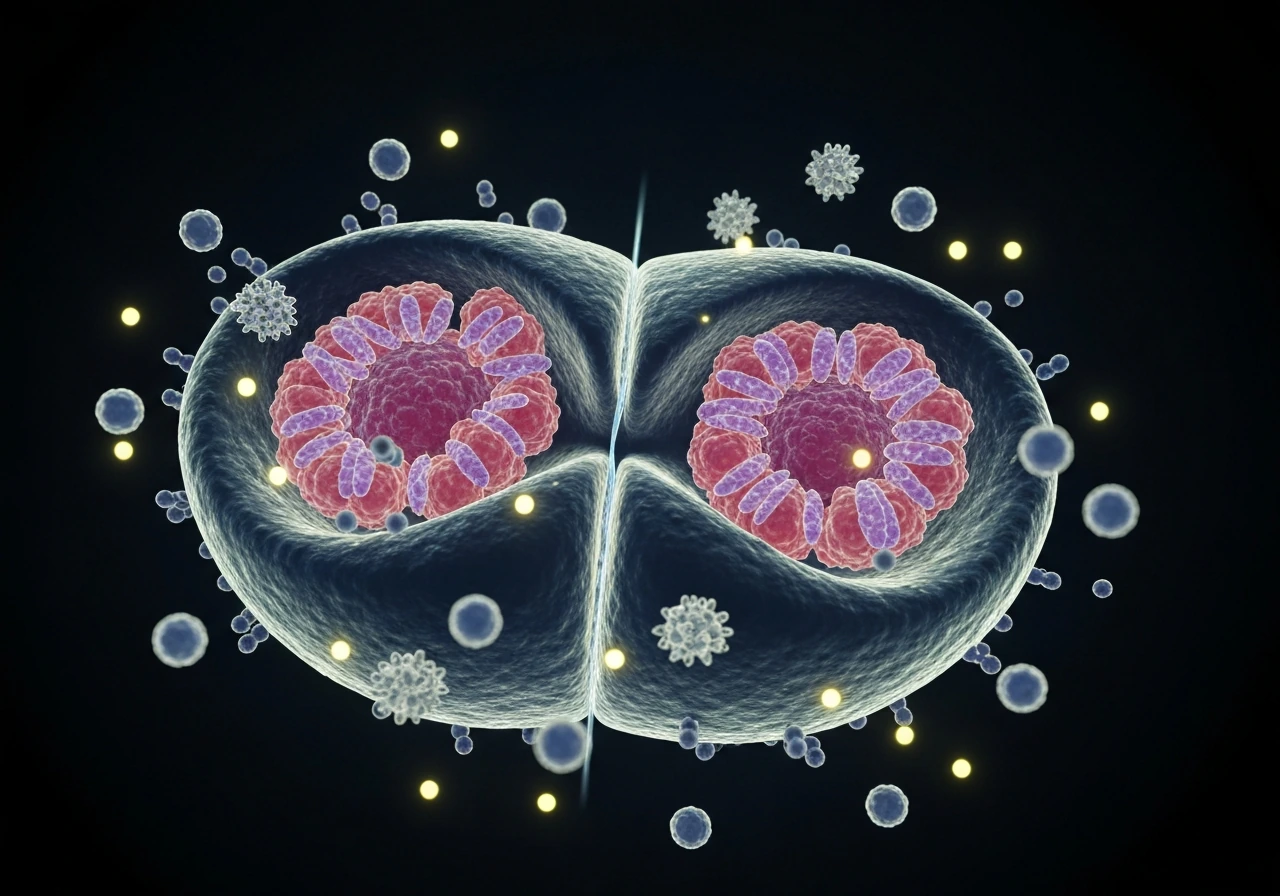
Mitosis is the engine of growth in multicellular life. The cell cycle moves through precisely timed stages, growth, DNA replication, preparation, division, and produces two genetically identical daughter cells. This process underlies not only developmental growth but also repair and maintenance, which is why a scraped knee can heal. Mitosis is the cell division process that replaces damaged or worn-out cells during this repair and maintenance. The same cellular machinery that builds a body from a fertilized egg also rebuilds tissue after injury.
Cellular reproduction and biosynthesis
Growth is also driven by biosynthesis, the construction of new biological molecules from raw materials. Cells take in nutrients, break them down through metabolism, and use the resulting energy and carbon skeletons to build proteins, membranes, DNA, and more. This molecular construction work is what physically adds mass to a growing organism. Without continuous biosynthesis, mitosis alone could not sustain growth; you would just be dividing existing mass into smaller and smaller pieces.
Checkpoints and regulation
The cell cycle does not run unchecked. There are three internal control checkpoints: one at the end of G1, one at the G2/M transition, and one during metaphase. At the G1 checkpoint, the cell essentially asks: am I big enough? Are nutrients available? Is there DNA damage? Is a growth signal present? If the answer to any critical question is "no," the cell pauses. This regulation is what prevents uncontrolled proliferation, and when these checkpoints break down, you get cancer.
What conditions growth actually requires
Growth does not happen in a vacuum. Living systems need a specific set of inputs and environmental conditions to sustain it. Think of these as the prerequisites that must be met before the growth machinery can run.
- Energy: All growth requires an energy source. Plants capture light energy through photosynthesis and convert it into chemical energy (ATP) that powers biosynthesis. Animals extract energy from food through cellular respiration. Without ATP, the molecular machinery of growth simply stops.
- Macronutrients: Nitrogen is essential for building proteins and nucleic acids—nitrogen deficiency causes stunted growth and chlorosis (yellowing) in plants because chlorophyll production collapses. Phosphorus is needed for ATP synthesis and DNA; it connects directly to the energy conversion machinery of every cell.
- Water: Water is a solvent, a reactant in photosynthesis, and a transport medium. It is non-negotiable for growth in any living system.
- Oxygen: Most organisms need oxygen for aerobic respiration, which is far more efficient at generating ATP than anaerobic alternatives. Even plants are affected—flooded roots become oxygen-deprived, which slows root growth and disrupts metabolism.
- Suitable temperature and chemistry: Enzymes that drive biosynthesis work within narrow temperature ranges. Too cold and reactions slow to a crawl; too hot and proteins denature. pH, salinity, and other chemical factors set similar boundaries.
Why growth is not unlimited: the real constraints
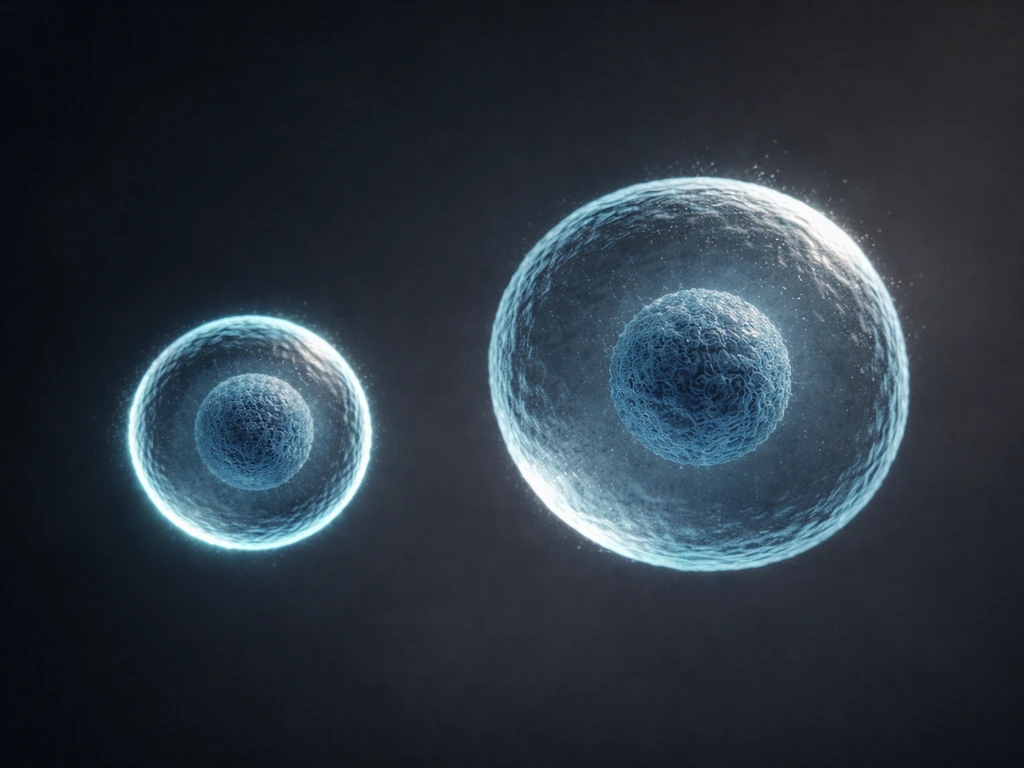
Here is a question worth sitting with: if life tends to grow, why does everything stop growing at some point? The answer involves physics, chemistry, and biology all working together to set hard limits.
The surface-area-to-volume problem
As a cell grows larger, its volume increases faster than its surface area. This matters because nutrients and oxygen enter through the cell membrane (surface), but the demand for them comes from the entire interior (volume). A very large cell simply cannot move materials in and out fast enough to sustain itself, blank" rel="noopener noreferrer">diffusion becomes the bottleneck. This geometry problem is one of the main reasons cells divide rather than grow indefinitely large.
Energy budgets
Growth is expensive. The energy a cell or organism invests in building new tissue is energy not spent on maintenance, reproduction, or defense. In plants, for example, root respiration can be partitioned into maintenance costs and growth costs, and under stress (like low oxygen in waterlogged soil), the energy budget shifts away from growth toward just staying alive. An ISHS article on soil aeration explains that dissolved oxygen availability in soil influences root growth and root activity, including how plants tolerate low-oxygen stress blank" rel="noopener noreferrer">root respiration can be partitioned into maintenance costs and growth costs, and under stress (like low oxygen in waterlogged soil). Every organism operates under an energy budget, and growth only wins when resources are genuinely abundant.
Hormonal and genetic regulation
Biology does not leave growth unregulated. Growth hormone in animals is tightly controlled through feedback loops that respond to nutrition, sleep, stress, and growth status, the body actively dials growth up and down. In plants, hormones like cytokinin promote cell division, while other signals slow or halt it. These regulatory systems cap growth at biologically appropriate limits and redirect resources toward maintenance as organisms mature.
Growth vs. development vs. repair: related but not the same
People often use growth, development, and repair interchangeably. They are related, they all use cell division as a common tool, but they are not identical processes.
| Process | What it involves | Example |
|---|---|---|
| Growth | Increase in cell number or size, adding biomass | A child gaining height during adolescence |
| Development | Coordinated changes in form and function across life stages; producing specialized tissues from undifferentiated cells | An embryo forming organs from a single fertilized egg |
| Repair/Regeneration | Replacement of lost or damaged cells and tissues to restore function | Skin healing after a cut; a salamander regrowing a limb tip |
The underlying cellular process is often the same, mitosis, but the purpose and regulation differ. Embryonic stem cells are building a body from scratch during development; somatic stem cells in an adult are acting as a maintenance and repair system, replenishing tissues that wear out. Regeneration is growth-like renewal: it uses the machinery of growth to recover lost function, but it is triggered by damage and guided by repair signals rather than developmental programs.
Metabolism also plays a role here. Even when an organism has stopped growing in size, it is still using energy to maintain existing cells, replace worn-out proteins, and run homeostatic processes. Growth and staying alive are not the same thing, an adult organism channels most of its energy budget into maintenance, not expansion.
Growth in action: real-world examples across living systems
Plants growing through meristems
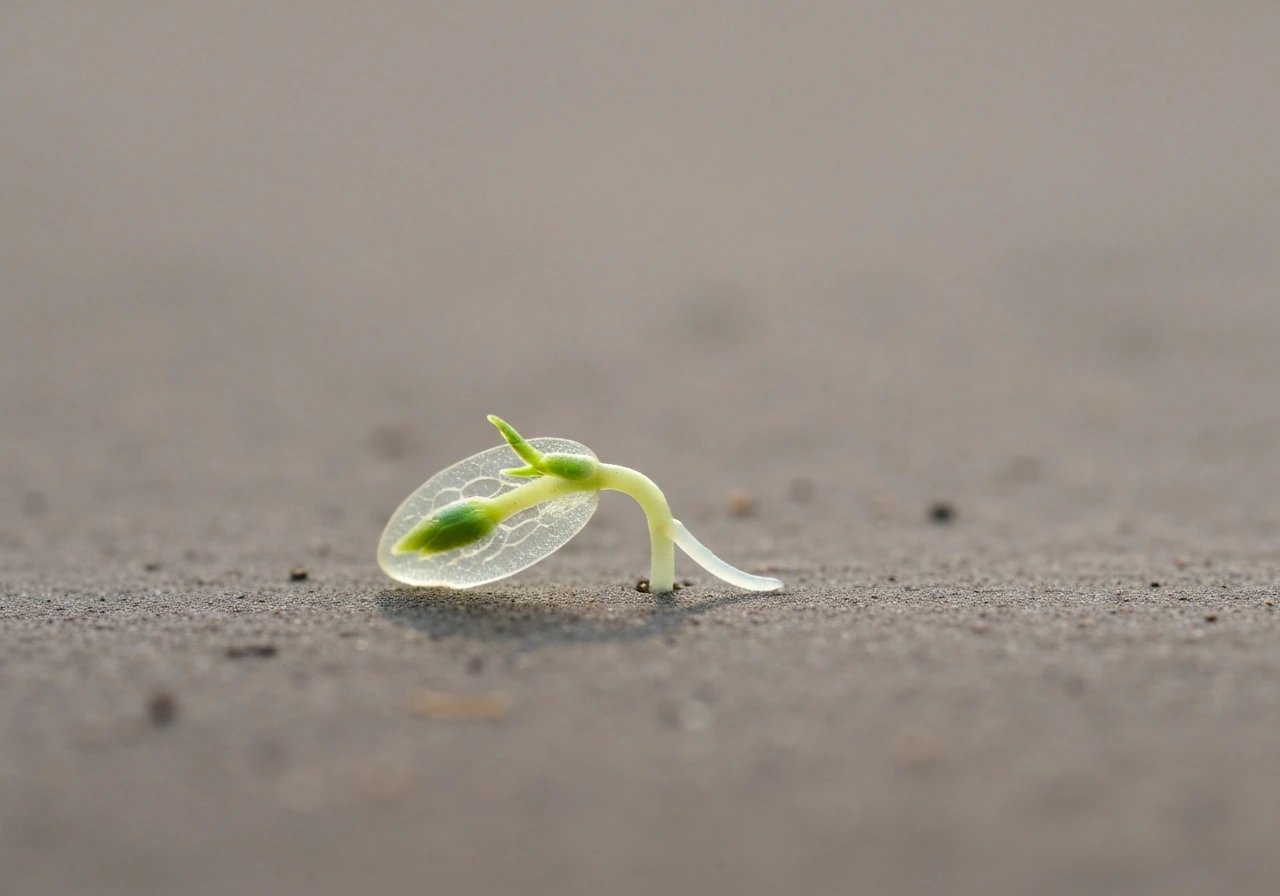
A plant does not grow uniformly everywhere. Growth is concentrated in meristematic zones, the shoot apical meristem at the tip of the stem and the root apical meristem at the tip of the root. Cell division here produces new cells that then elongate and differentiate. When you watch a bean seedling push up through soil over several days, you are watching meristematic cell division happening in real time.
Plants also respond to environmental signals through this system: cytokinin promotes division, while light receptors relay information to growth effector systems, allowing plants to bend toward light or send roots toward water. This is one reason scientists often describe growth and change in plants and animals as being driven by specific biological systems that respond to conditions.
Animals growing during development
Animal growth is front-loaded, most dramatic growth happens during embryonic development and early life. A single fertilized egg undergoes regulated rounds of mitosis, with cells differentiating into hundreds of specialized types. After an organism reaches adult size, cell division continues at a maintenance level: gut lining cells replace themselves every few days, red blood cells are produced continuously in bone marrow. The body never stops using the growth machinery, it just shifts the purpose from building to maintaining.
Ecosystems and populations
At a larger scale, the growth imperative of individual organisms drives population dynamics. This “growth imperative” is part of the same broader idea behind how do living things grow, including the need for conditions and limits. A bacterial colony in a nutrient-rich flask will grow exponentially until it hits a resource ceiling. A forest will expand into open land if conditions allow. The tendency to grow at the organismal level translates directly into growth patterns at the ecosystem level, and the same limiting factors (nutrients, space, energy) apply at both scales.
What about crystal growth? Why biological growth is different
Crystals can grow too, sometimes faster than living organisms. Salt crystals accumulate new layers of ions when a solution becomes supersaturated. But crystal growth is purely physical: it requires no energy investment from the crystal itself, no regulation, no checkpoints, no metabolism. It is passive accretion, not active construction. Living growth, by contrast, requires ongoing energy expenditure, genetic regulation, biochemical machinery, and feedback control. A crystal does not repair itself, respond to nutrients, or stop growing at a programmed size. That difference, regulation, metabolism, and responsive control, is exactly what makes biological growth a defining characteristic of life rather than just a physical phenomenon.
Putting it all together: what to take away
The claim that the nature of life is to grow holds up scientifically when you unpack what growth actually means. It is not unlimited or unconditional, it requires energy, nutrients, water, oxygen, and a permissive environment. It is driven by cell division and biosynthesis, controlled by checkpoints and hormones, and constrained by physics (the surface-area-to-volume ratio), energy budgets, and regulatory biology. It overlaps with but is distinct from development (building new forms) and repair (restoring what was lost). And it applies from the smallest cell all the way up to ecosystems.
If you are studying this for a class or essay, the most important point to anchor on is this: growth is not a side effect of life, it is evidence of life. When a system takes in energy, builds new molecules, divides, and responds to its environment to do more of the same, it is demonstrating the core biological imperative. Everything else, the checkpoints, the nutrients, the meristems, the stem cells, is the machinery that makes that imperative real.
FAQ
Is “the nature of life is to grow” true for all living things, or are there exceptions?
Most organisms can increase in cell number or biomass under suitable conditions, but some lifestyles make growth harder to observe. For example, many microbes show rapid growth during nutrient abundance, then stop or shrink slightly during starvation, and some dormant stages mainly preserve viability rather than expand. The underlying claim still holds because the growth machinery is condition-dependent rather than permanently “on.”
Why can cells divide without always getting larger first?
Checkpoint regulation in the cell cycle allows division when conditions meet DNA and size requirements, but cell growth (often G1 protein and lipid synthesis) is still part of the setup. If nutrients are scarce, a cell may delay at the G1 or G2/M transition, effectively reducing or postponing expansion so the division plan stays safe and coordinated.
Does “growth” mean the organism gets bigger, or can growth happen without an increase in size?
Growth can be real even when overall body size changes little, such as when tissue composition shifts. A developing organism may build new structures while maintaining overall dimensions, and adults can “grow” in the functional sense through replacement and remodeling of tissues. In biology, growth can be tracked as cell number, biomass distribution, or functional capacity, not only height or weight.
How do growth and repair differ, especially since both involve mitosis?
Repair uses the same core division machinery, but the trigger and regulatory context are different. Repair is damage- or stress-driven, guided by injury signals and tissue-specific needs, while developmental growth is guided by developmental programs that pattern the body. That difference affects which cells divide, where, and toward what outcomes.
What happens to “growth” when a cell has plenty of energy but too much damage?
If DNA damage or other critical problems are detected, checkpoints can pause the cycle even when fuel is available. The cell may shift toward repair processes or halt proliferation to prevent copying errors, which blocks growth-by-division. This is one reason uncontrolled growth is tied to checkpoint failures rather than just nutrient abundance.
Why do very large cells face limits even in nutrient-rich environments?
The surface-area-to-volume constraint persists because diffusion and transport across the membrane cannot scale as quickly as internal demand. Even with external nutrients present, the center may receive too little oxygen or substrate fast enough to support biosynthesis everywhere. Division into smaller cells reduces the distance molecules must travel.
Can an organism grow indefinitely if it keeps getting nutrients?
No. Even with ongoing resources, growth is limited by internal regulation and physiological constraints. Hormonal feedback can shift resource allocation away from expansion toward maintenance, and mechanical constraints (like tissue architecture and organ capacity) can limit further expansion. In populations, resource and space limits also impose ceilings on growth patterns.
Do plants and animals follow the same “growth logic”?
They share the core idea of growth via cell division and biosynthesis, but the spatial control differs. Plants concentrate cell division in meristems and then elongate and differentiate downstream, whereas animals more often use widespread cell growth early in development and then maintain tissues with more localized stem-cell activity. Hormonal signals still provide feedback, but the architecture is different.
Why do some organisms stop growing in size but still replace cells?
Stopping height or body-size growth usually means the allocation of resources shifts from building new tissue mass to maintenance. Adults continue using cell replacement systems (like renewing gut lining or blood production) because maintenance has a continual demand, even when overall growth is no longer part of the program.
Are crystals really comparable to biological growth?
They are comparable only at the superficial level that “things add mass over time.” Crystal growth is passive accretion driven by physical supersaturation, not active biosynthesis with regulation, energy budgeting, or programmed stopping points. Biological growth involves feedback control, metabolism, and coordinated repair mechanisms, so it is not just accumulation.
Next Article
How Do Organisms Grow and Repair Themselves? Core Biology
Learn how organisms grow and repair via cell division, signaling, limits on expansion, and immune and regeneration repai