
Protein is the single most important nutrient for growth, but it can't do the job alone. Your body also needs zinc, iron, calcium, vitamins C and D, and enough total calories to actually build new tissue. Think of it like building a house: protein is the lumber, but without energy (fuel for the workers), minerals (hardware), and vitamins (the blueprint chemistry), construction stalls no matter how much lumber you have.
Nutrients Which Help Us to Grow: What to Eat and Why

Marcus Whitmore
24 Apr 2026
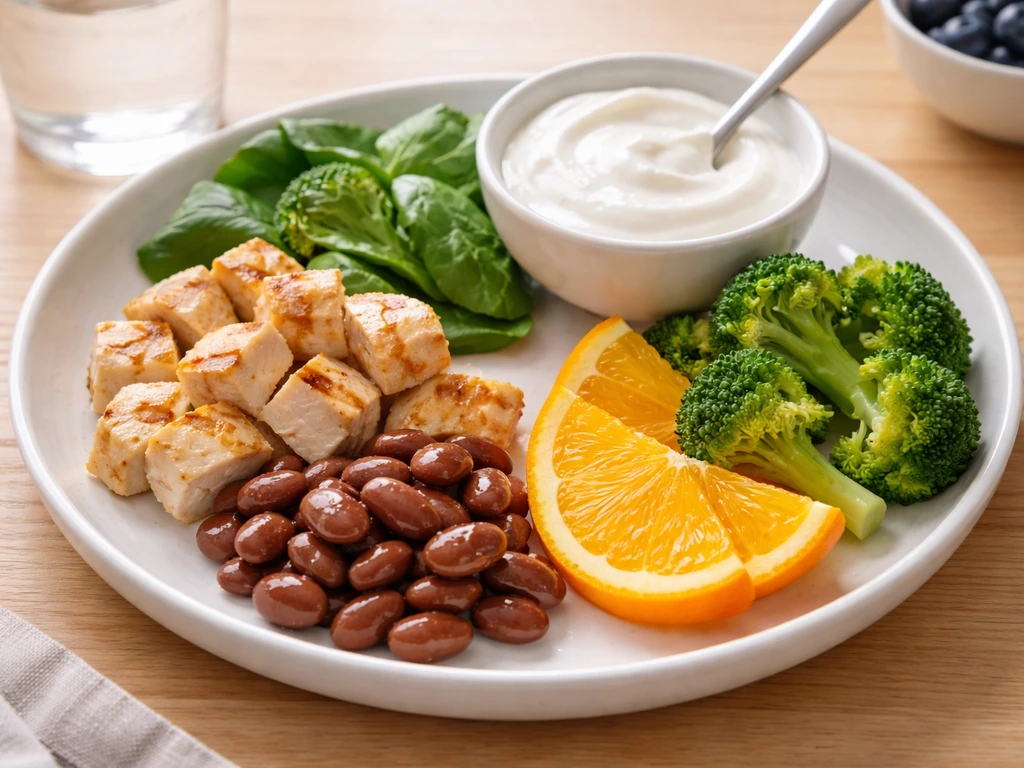
The core nutrients that drive growth
Growth, at the biological level, means cells dividing and producing new tissue. That process pulls on several nutrient categories at once. Miss one category consistently and growth slows or stops, even if everything else looks fine. Here are the main players:
- Protein: raw material for new cells and tissues
- Zinc: triggers growth hormone signaling and cell division
- Iron: carries oxygen to growing tissues; supports energy metabolism
- Calcium: builds bones and teeth during skeletal growth phases
- Vitamin D: regulates calcium absorption and bone mineralization
- Vitamin C: essential cofactor for collagen, the structural protein in connective tissue
- Calories (energy): the fuel that makes all of the above actually work
Each one targets a different part of the growth mechanism. That's why a varied, nutrient-dense diet beats any single "superfood" every time.
How each nutrient actually supports growth in the body
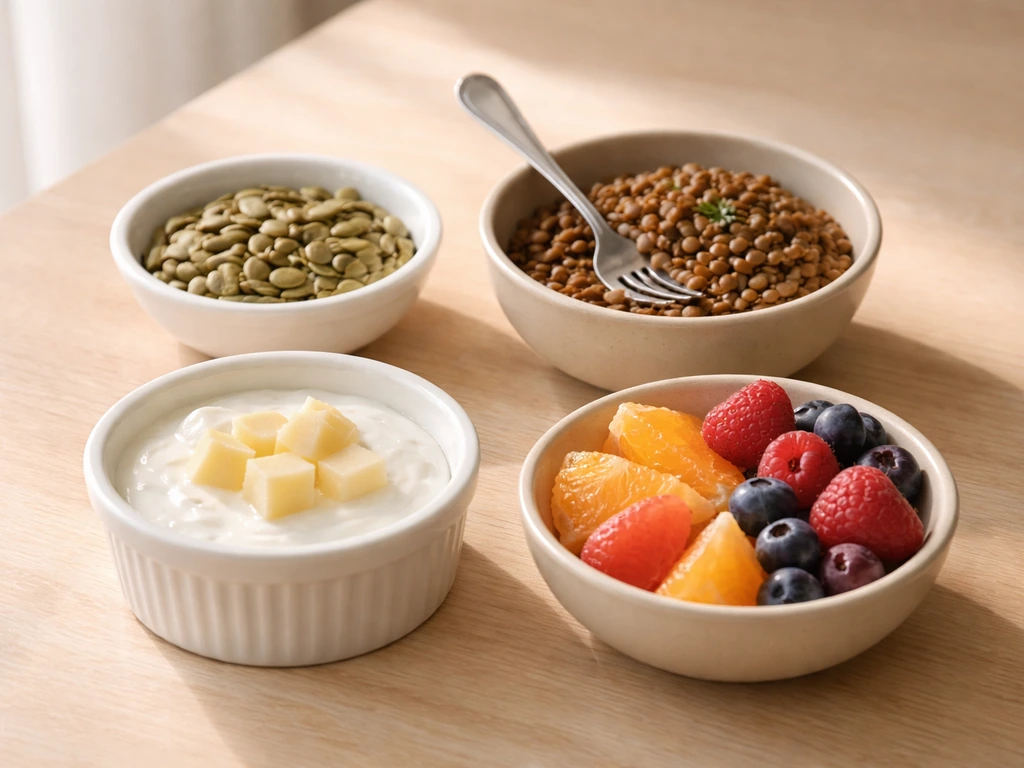
It helps to understand what each nutrient is doing under the hood, especially if you're trying to figure out where a gap might be.
Zinc: the growth signal activator
Zinc doesn't just sit in your body passively. It plays a direct role in cell division and in triggering growth hormone activity. Clinical trials in school-aged children have shown that zinc supplementation significantly improves linear growth (height-for-age), which tells us zinc is genuinely rate-limiting when intake is low. The adult RDA for zinc is 11 mg per day for men and 8 mg per day for women. Good sources include meat, shellfish (especially oysters), legumes, and pumpkin seeds.
Iron: oxygen delivery to growing tissue
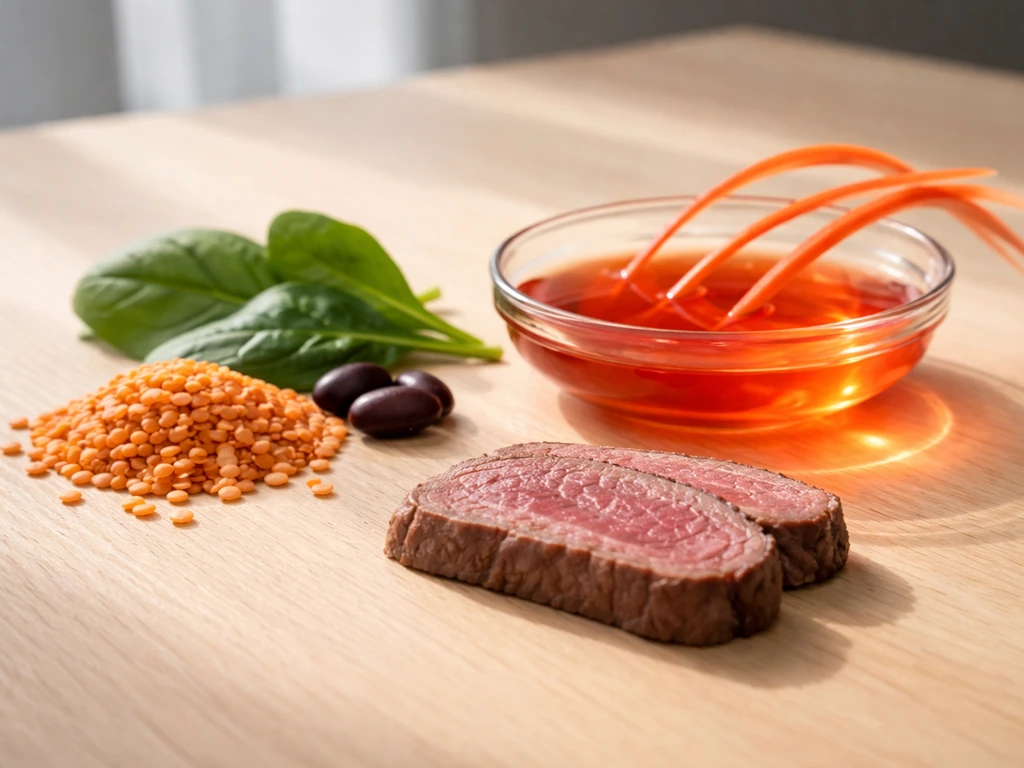
Growing tissue is metabolically expensive. Cells undergoing division need a steady oxygen supply, and that's iron's job. Iron is the core of hemoglobin, the molecule in red blood cells that carries oxygen everywhere in the body. Iron deficiency doesn't just make you tired; it throttles the energy supply to growth processes. The tolerable upper intake level for iron is 45 mg per day for adults, so you don't want to over-supplement, but getting enough from food (red meat, lentils, spinach, fortified cereals) is important, especially during rapid growth phases like adolescence.
Calcium and vitamin D: the bone-building duo
Calcium is the main structural mineral in bone. During childhood and adolescence, when long bones are actively growing and bone density is being laid down, calcium needs are higher than at any other life stage. But calcium absorption depends heavily on vitamin D. The RDA for vitamin D is 400 IU per day for infants and 600 IU per day for children and adults up to age 70. Research has found that vitamin D is most effective for bone growth when dietary calcium intake is also adequate (above roughly 300 mg per day), which reinforces the idea that these two nutrients work as a team.
Vitamin C: the collagen builder
Collagen is the most abundant structural protein in the human body. It's what holds connective tissue together, forms the scaffold for skin, tendons, cartilage, and bone matrix, and supports wound healing. This kind of nutrient support also helps the body repair itself and replace damaged tissue over time. Vitamin C is a required cofactor in collagen biosynthesis. Without it, fibroblasts (the cells that produce collagen) can't do their job properly. This is exactly why scurvy causes tissue breakdown: the body can't maintain or build new connective tissue. Getting vitamin C from fruits and vegetables (citrus, strawberries, bell peppers, broccoli) supports the continuous collagen synthesis that growing bodies depend on.
Protein: the main growth-building nutrient
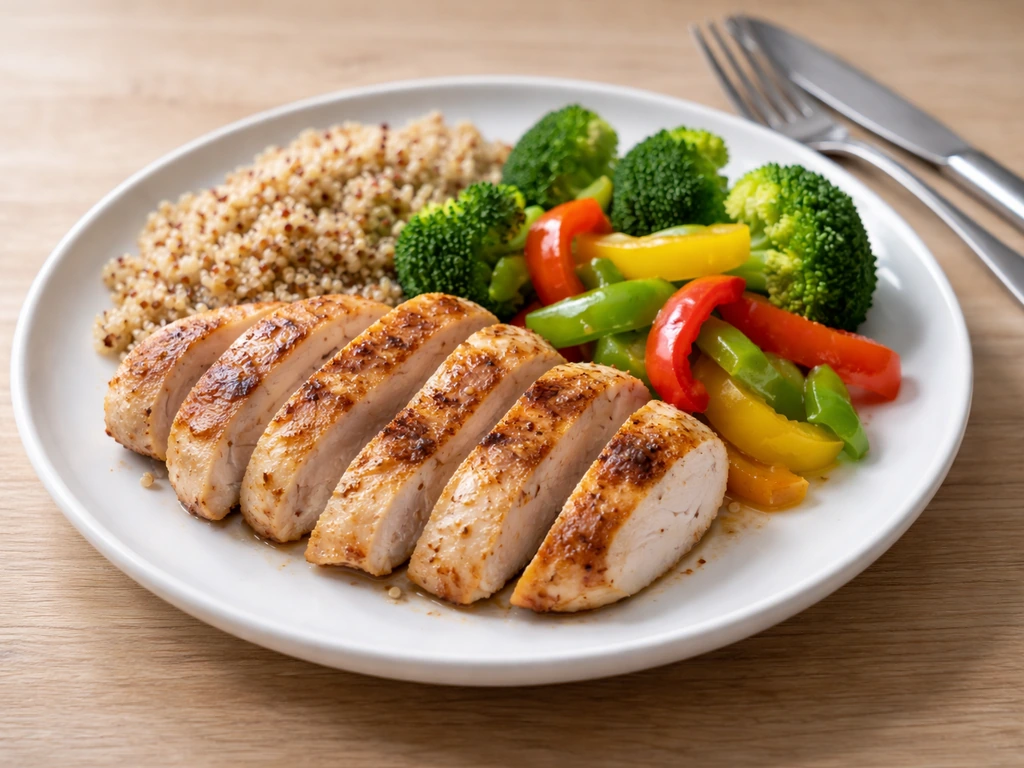
Protein deserves its own section because it's the most direct building material for new tissue. Every cell in your body is made largely of protein. When cells divide during growth (whether in muscle, bone, skin, or organs), new protein must be synthesized from amino acids. If protein intake is too low, that synthesis slows, and growth stalls. If you've read anything about how organisms grow and develop, you know that cell division itself is just the trigger, but building the actual new cell mass requires raw material, and that's protein. If you want a bigger biological picture, see how do plants and animals grow and change as a related overview of growth and change across living organisms.
How much do you actually need? The standard benchmark is 0.8 grams of protein per kilogram of body weight per day. For a 14 to 18-year-old male at the peak of adolescent growth, that works out to about 52 grams per day as a minimum. During periods of rapid growth, illness recovery, or high physical activity, needs go higher. Pregnant women and infants also have elevated protein requirements relative to body weight. A simple daily checklist: include a protein source at every meal (eggs, meat, fish, dairy, beans, tofu, or tempeh) and you're likely covering your baseline.
One important caveat: research shows that adding extra protein doesn't automatically produce extra growth. Studies of protein supplementation in children found that the growth benefit was often limited when total energy (calories) was insufficient, when kids already had infections or gut inflammation, or when supplemental protein simply replaced food already in the diet rather than adding to it. Protein works within a system. More on why energy matters in a moment.
Micronutrients that affect growth, vitamins and minerals in detail
Vitamins and minerals are often called "micronutrients" because you need them in smaller amounts, but their impact on growth is anything but minor. Some of the most severe growth failures in children globally (stunting, where height-for-age falls significantly below normal) are linked not just to low calorie intake, but to specific micronutrient gaps. The WHO links stunting directly to chronic or recurrent undernutrition, which includes missing these small but critical compounds, sometimes starting before birth. The nature of life is to grow, so consistent nutrient and energy support matters across development.
| Nutrient | Key Role in Growth | Main Food Sources | Note on Intake |
|---|---|---|---|
| Zinc | Cell division, growth hormone activity, linear growth | Meat, shellfish, legumes, seeds | RDA: 11 mg/day (men), 8 mg/day (women) |
| Iron | Oxygen delivery to growing tissue, energy metabolism | Red meat, lentils, spinach, fortified cereals | Upper limit: 45 mg/day for adults |
| Calcium | Bone and teeth mineralization during skeletal growth | Dairy, fortified plant milks, leafy greens, almonds | Works best when vitamin D is also adequate |
| Vitamin D | Regulates calcium absorption, bone mineralization | Fatty fish, fortified dairy, sunlight exposure | RDA: 600 IU/day (children and adults to age 70) |
| Vitamin C | Collagen synthesis, connective tissue formation | Citrus, strawberries, bell peppers, broccoli | Also improves iron absorption from plant foods |
A practical takeaway from this table: many of these nutrients amplify each other. Vitamin C improves iron absorption from plant sources. Vitamin D unlocks calcium. Zinc supports the hormone signals that make protein synthesis more efficient. That's why food diversity, not just quantity, is the practical goal.
Why calories matter as much as specific nutrients
Here's something that surprises a lot of people: you can eat plenty of protein and still have stunted growth if you're not eating enough total calories. This isn't theoretical. Clinical research has shown that protein supplementation in children often fails to improve growth when energy intake is too low. The body is pragmatic: when calories are scarce, it prioritizes survival (basic organ function, keeping the brain running) over growth. Protein gets burned as fuel instead of being used to build new tissue. It's like using your lumber as firewood because you have no other heat source.
The practical implication is that a growth-supporting diet has to be adequate in total energy first, before optimizing individual nutrients. For growing children and adolescents especially, this means eating regularly throughout the day, not skipping meals, and not heavily restricting any entire food group. The Dietary Guidelines for Americans 2020-2025 frame this well: a healthy dietary pattern means nutrient-dense foods across all food groups, not just hitting one or two targets in isolation.
USDA's MyPlate approach is a reasonable shortcut: fill half your plate with fruits and vegetables, one quarter with grains (preferably whole), and one quarter with protein foods, and include dairy or a calcium-rich alternative. That pattern, done consistently, tends to provide adequate calories and cover most of the micronutrient bases at the same time.
Signs you might be missing key growth nutrients

How do you know if there's a gap? Some signs are obvious; others are easy to overlook. None of the following are diagnoses on their own, but they're worth paying attention to, especially in children during active growth phases.
- Slower-than-expected height gain or falling behind on a growth chart (classic sign of chronic undernutrition or micronutrient deficiency)
- Persistent tiredness or low energy even with adequate sleep (often linked to iron deficiency)
- Frequent illness or slow recovery from infections (zinc and vitamin C are both involved in immune function)
- Poor wound healing or skin that bruises or tears easily (vitamin C and protein deficiency)
- Bone pain, bowing of the legs, or dental problems in children (calcium and vitamin D)
- Hair thinning or brittle nails (protein, iron, zinc)
- Reduced appetite combined with slow growth (this combination is a red flag worth discussing with a healthcare provider)
If you're a parent tracking a child's growth, the American Academy of Pediatrics uses height-for-age z-scores below negative 2 standard deviations as a threshold for flagging potential undernutrition. That's a clinical benchmark, but the practical version is: if a child consistently seems to be growing more slowly than peers of the same age and sex, it's worth reviewing diet quality and checking in with a doctor.
Simple next steps you can take today
- Add a protein source to every meal: eggs at breakfast, legumes or meat at lunch and dinner. This is the highest-leverage single habit for supporting tissue growth.
- Increase food group variety rather than supplementing immediately. A plate that includes protein, whole grains, colorful vegetables, and a dairy or calcium-rich food covers most of the nutrient bases described above.
- Check vitamin D if you're in a low-sunlight climate, have darker skin, or mostly stay indoors. A 600 IU supplement is the standard recommendation; breastfed infants need 400 IU daily.
- Pair plant-based iron sources (lentils, spinach) with a vitamin C food (a squeeze of lemon, some tomato, or a glass of orange juice) at the same meal to boost iron absorption.
- Don't under-eat. If you or a child in your care is growing, chronic calorie restriction will undermine all other nutrient efforts. Prioritize regular, satisfying meals.
- If signs of deficiency persist despite dietary improvements, get a basic blood panel. Iron, zinc, and vitamin D are all measurable and treatable with guidance from a healthcare provider.
Growth is one of the most fundamental things living organisms do, and it's a process that depends on many moving parts working together: cell division, hormone signaling, tissue synthesis, and the constant supply of raw materials that nutrients provide. If you're studying these ideas in a simpler school format like how do living things grow class 3, this same concept of nutrients supporting cell division and tissue building is the key connection.
If you want the big-picture idea behind how nutrition supports development, see living things grow and develop example as a related example of how growth processes unfold. Protein works within a system, and the growth process it supports includes the same basics covered in how do living things grow. That is why the nature of life is to grow, supported by a steady flow of nutrients and signals that keep cell division and tissue building moving.
Mitosis is the specific cell-division process that allows new cells to form, helping living things grow and repair themselves cell division. Getting the nutrition right doesn't require perfection, but it does require consistency and variety. For example, living things like children use nutrients to support cell division and form new tissue as they grow living things grow. A diet that hits most of these nutrients most of the time gives a growing body what it needs to do what it's built to do.
FAQ
Can I use protein shakes to make sure I get nutrients which help us to grow?
Protein shakes can help you meet protein targets, but they do not automatically cover the full set of growth nutrients. If you use shakes, still eat whole foods regularly for iron, zinc, calcium, vitamin D, and vitamin C, and make sure the shake adds to your daily calories instead of replacing meals.
What if a child is a picky eater, how do we avoid missing key nutrients?
Aim for “repeatable coverage,” include a protein source at most meals and add one iron or zinc-rich option and one calcium-rich option daily. Vitamin C can come from a single consistent source (like fruit or peppers), and variety can be built over time rather than all at once.
Are supplements a good substitute if my diet seems lacking?
Supplements can be useful when a specific deficiency is confirmed or when a clinician flags risk, but extra of one nutrient can be ineffective or harmful. For example, iron should not be oversupplemented, and vitamin D works best when calcium intake is also adequate.
How can I tell if the problem is calories versus a specific nutrient gap?
If a child is consistently not gaining weight, eats very small portions, or frequently skips meals, low energy intake is a common driver even when protein intake looks “okay.” If weight gain is adequate but one food group is consistently missing (for example, dairy for calcium), a micronutrient gap becomes more likely.
What are common mistakes when trying to support growth with food?
A major mistake is increasing protein without increasing total food intake, which can leave the body short on energy for tissue building. Another common issue is focusing on one “hero” nutrient while under-consuming fruits and vegetables (vitamin C) and calcium-rich foods (calcium and often vitamin D status depends on overall diet and sunlight).
Does plant-based protein work as well for nutrients which help us to grow?
Yes, plant-based patterns can support growth, but you need planned variety for iron and zinc sources (lentils, beans, fortified cereals, pumpkin seeds) and enough protein overall. Pairing plant iron foods with vitamin C sources can improve absorption, and calcium may require fortified foods depending on the diet.
How much protein is “enough,” and what if my child is already getting the recommended grams?
Hitting protein targets helps, but growth can still be limited by total calories, insufficient micronutrients, or disrupted eating patterns. If protein intake is adequate, the next check is meal frequency, overall energy intake, and whether calcium, vitamin D, iron, zinc, and vitamin C foods are actually present most days.
Are there situations where growth issues should be evaluated medically even if nutrition seems decent?
Yes. If height-for-age is dropping percentiles, growth is slow compared with peers, puberty is unusually delayed, there are recurrent infections, stomach symptoms, or significant fatigue, nutrition alone may not be the cause. A clinician can assess for anemia, malabsorption, endocrine conditions, or chronic disease.
Can too much of a “growth nutrient” cause problems?
It can. High-dose supplementation, especially with minerals like iron or zinc, can cause side effects and interfere with absorption of other nutrients. The safest approach is to prioritize food variety first, then use supplements only when there is a clear reason and appropriate dosing.
Next Article
Living Things Grow and Develop: Meaning and Examples
Learn growth vs development with real examples seed to plant, tadpole to frog, cell division, plus limits like nutrients