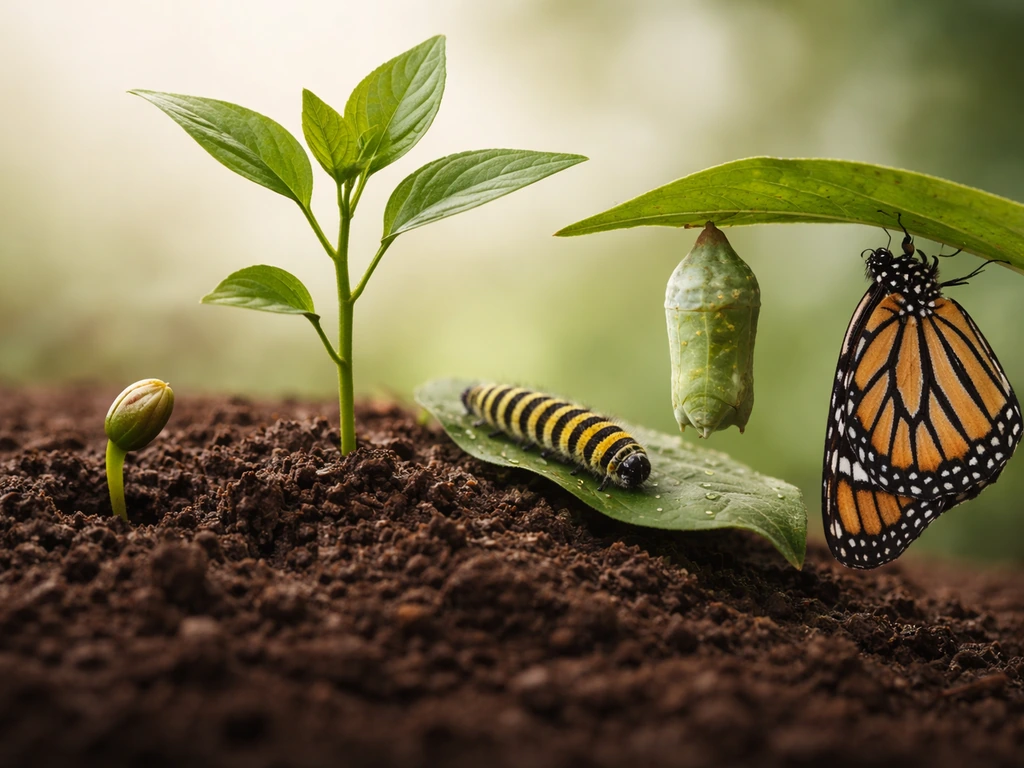
Living things grow by making more cells and by making those cells bigger. That is the short answer. But the longer answer is where it gets genuinely fascinating, because growth is not just about getting larger. It is about becoming more organized, more specialized, and more capable over time. From the first division of a fertilized egg to the moment an organism reaches its full adult size, growth is directed by a set of instructions encoded in DNA, powered by food and oxygen, and shaped by the environment at every step. Let me walk you through exactly how that works.
How Do Living Things Grow and Develop From Cells to Organisms
Marcus Whitmore
5 Apr 2026
What "growth" actually means in living things
When biologists talk about growth in living organisms, they mean two related but distinct things: an increase in the number of cells and an increase in the size of those cells. Both contribute to an organism getting larger. But growth also carries a second meaning that goes beyond raw size. the nature of life is to grow in a directed way, which means growth in living systems is always organized, not random. A crystal grows too, but it just adds identical units to its surface. A living thing grows by producing new cells that can become different from one another, building structures with specific jobs.
Biological development, the broader umbrella that includes growth, refers to all the changes in an organism's size, shape, and function over its lifetime. These changes translate the genetic potential stored in DNA (the genotype) into the actual physical organism you can see and touch (the phenotype). So when you watch a seedling push through soil and eventually become a tree, you are watching a genotype expressing itself across years of growth and development.
If you are wondering whether every living thing follows this pattern, it is worth exploring do all living things grow, because the answer has some interesting exceptions that sharpen your understanding of what growth really requires.
How cells grow: division, mitosis, and the cell cycle
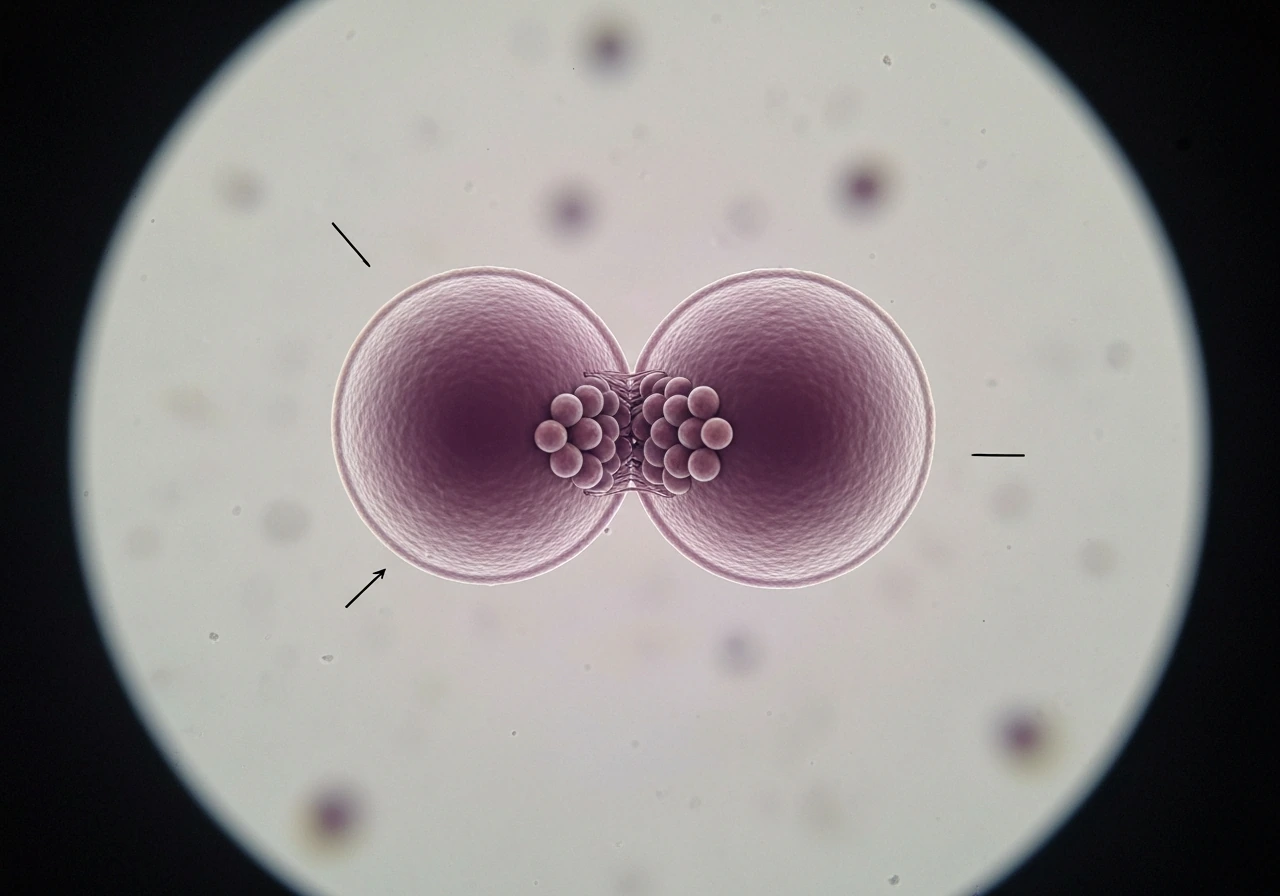
Every new cell in your body started as another cell that divided. That process is governed by the cell cycle, a tightly regulated sequence of events that a cell goes through before it can split into two. The cycle has two main phases: interphase and the mitotic phase. Interphase is where the real preparation happens, and it is divided into three sub-stages: G1 (the first gap phase, where the cell grows and carries out its normal functions), S (the synthesis phase, where the cell copies all of its DNA), and G2 (the second gap phase, where the cell continues growing and prepares the machinery for division). There is also a G0 phase, a resting state where cells that are not actively dividing sit quietly, sometimes for years.
Once interphase is complete, the cell enters the mitotic phase. Mitosis itself, technically called karyokinesis, is the division of the nucleus and is broken into five stages: prophase, prometaphase, metaphase, anaphase, and telophase. After the nucleus divides, cytokinesis splits the cytoplasm, producing two genetically identical daughter cells. To understand mitosis and how living things grow and repair themselves, it helps to think of each division as a controlled copy-and-split operation, where the goal is always to pass a complete, accurate set of genetic instructions to each new cell.
The cell cycle does not just run on autopilot. It has internal checkpoints, particularly at the end of G1 and at the G2-to-M transition, where the cell essentially asks: is my DNA intact? Are conditions good enough to divide? Proteins like p53 and Rb act as gatekeepers at the G1 checkpoint. If DNA is damaged, these tumor-suppressor proteins can halt the cycle or trigger the cell to enter G0 quiescence until repairs are made. This is why understanding checkpoints matters: they are the mechanism that keeps growth organized and prevents the kind of uncontrolled division you see in cancer.
From cells to tissues to organs: how development builds structure
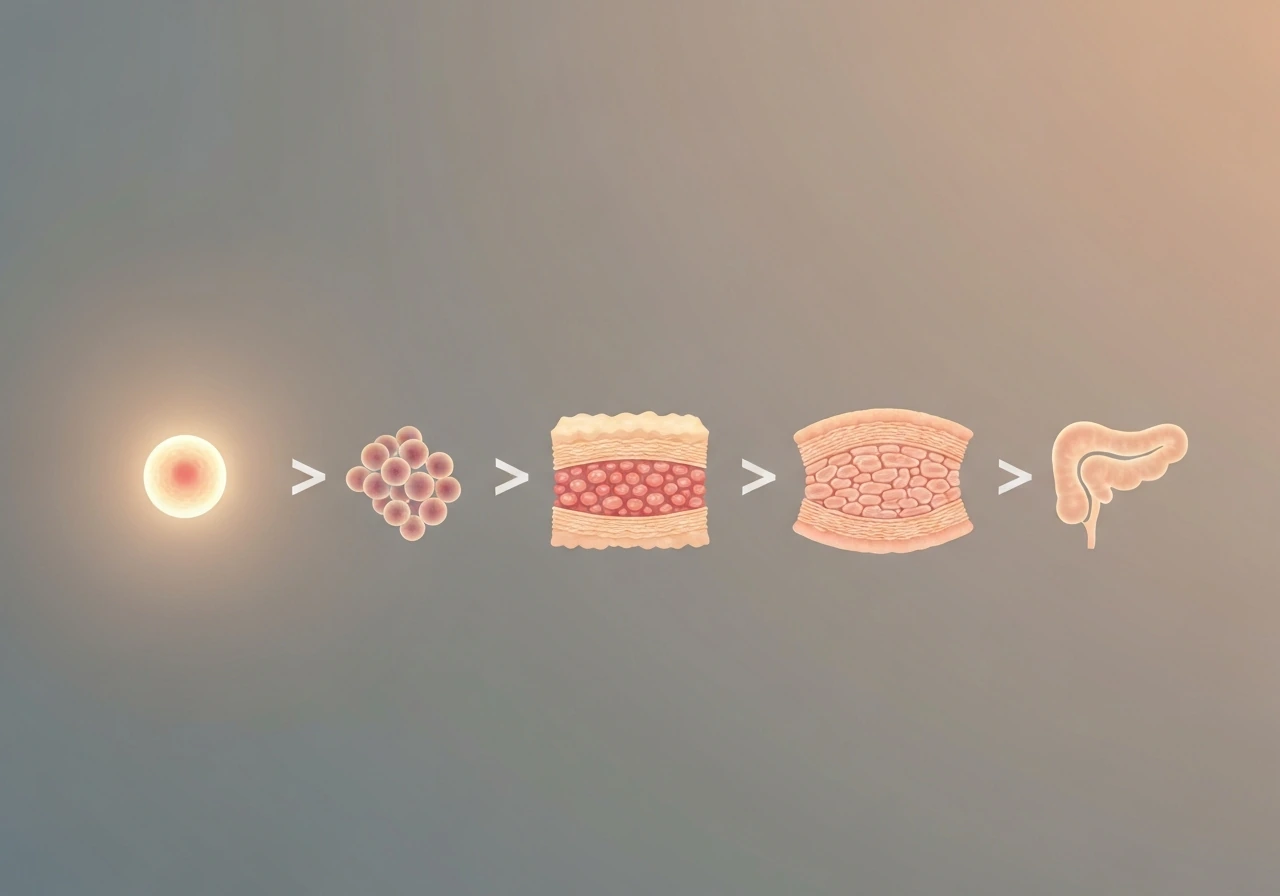
Cell division on its own just makes more cells. What turns that pile of cells into a hand, a leaf, or a kidney is cellular differentiation. Even though every cell in your body contains the same complete genome, different cells use different subsets of those genes. Specific transcription factors switch certain genes on or off, so a muscle cell and a nerve cell end up with completely different shapes, protein content, and behaviors, despite sharing identical DNA. This selective gene expression is the molecular engine of development.
In animals, early development organizes cells into three primary germ layers. The mesoderm, for example, develops into mesenchyme tissue, which then contributes to the formation of muscles, bones, and connective tissue. Each germ layer has a defined fate, and as cells differentiate they assemble into tissues, tissues coordinate into organs, and organs work together as organ systems. The whole process converts a single fertilized cell into an organism with hundreds of specialized cell types, each in the right place and performing the right job.
Plants follow a parallel but structurally different path. Primary growth, which lengthens stems and roots, comes from cell division in the shoot apical meristem at the tip of the shoot and in the root tip. Secondary growth, which thickens stems and roots over time, comes from cell division in lateral meristems. This is why a young sapling is thin and flexible, but an oak tree develops a thick woody trunk over decades. For a closer look at how these patterns play out across kingdoms, how plants and animals grow and change covers the contrasts in detail.
A helpful way to see all of this in action is to look at concrete cases. Living things grow and develop examples are everywhere once you know what to look for: a caterpillar reorganizing nearly its entire body inside a chrysalis, a bean seed sending out a radicle before the shoot appears, or your own skin constantly replacing surface cells from a layer of dividing cells just beneath.
Why growth happens: energy, nutrients, and genetic instructions
Growth costs energy, and that energy comes from food. At the cellular level, the process that converts food into usable energy is cellular respiration. Cells take in glucose and oxygen, break the glucose apart through a series of reactions, and capture the released energy as ATP (adenosine triphosphate), the molecule cells actually spend on biological work. Carbon dioxide and water are the byproducts. Without a steady supply of glucose and oxygen, cells cannot produce enough ATP to power division, protein synthesis, or any of the other processes that constitute growth.
Beyond raw energy, cells need specific building materials. Nutrients that help us grow include nitrogen (for building proteins and nucleic acids), phosphorus (critical for DNA, RNA, and ATP itself), and potassium (involved in enzyme function and water regulation in plants). Deficiency in any one of these can stall growth even when energy is technically available, because the cell lacks the raw materials to assemble new structures.
Genetic instructions are the third pillar. DNA carries the master plan that tells each cell what proteins to make, when to divide, and when to stop. Growth is not the cell doing whatever it wants with available energy; it is the cell executing a program. This is why organisms grow into recognizable, species-specific shapes rather than just expanding in all directions like a soap bubble.
The conditions every growing organism needs
No matter the organism, certain environmental conditions are non-negotiable for growth. Temperature is one of the most powerful. Extreme cold slows enzyme activity, which slows every metabolic reaction including the ones that drive cell division. Extreme heat denatures proteins and shuts processes down. Most organisms have a relatively narrow temperature range where growth is optimal, which is why you can predict where a species lives by knowing its thermal tolerance.
Water is equally essential. Cells are mostly water, chemical reactions happen in water, and nutrients are transported dissolved in water. Plants wilt and stop growing when water is scarce not just because they lose structural support, but because their biochemistry grinds to a halt. Oxygen is critical for aerobic organisms: without it, cellular respiration cannot complete its most efficient stages, and ATP output drops sharply. This is why oxygen depletion in water bodies, such as what happens when algae blooms decompose, can devastate aquatic organisms even when food is technically present.
For photosynthetic organisms like plants and algae, light is an additional requirement because it powers the production of glucose from carbon dioxide and water. Other abiotic factors including salinity, pH, and the availability of specific minerals like nitrogen and phosphorus all act as potential limiters. When any one of these falls outside the organism's tolerance range, growth slows or stops regardless of how favorable the other conditions are.
| Condition | Why it matters | What happens when it is limiting |
|---|---|---|
| Temperature | Controls enzyme reaction rates | Growth slows or stops; proteins may denature at extremes |
| Water | Medium for biochemical reactions and nutrient transport | Metabolism halts; cells cannot divide or expand |
| Oxygen | Required for efficient ATP production via cellular respiration | Energy output drops; aerobic cells cannot sustain division |
| Light (photosynthesizers) | Powers glucose production from CO2 and H2O | Sugar supply drops; no fuel for growth |
| Mineral nutrients (N, P, K) | Building blocks for proteins, DNA, ATP, enzymes | Cell structures cannot be assembled even with energy available |
| pH and salinity | Affect enzyme function and osmotic balance | Cellular processes disrupted; growth impaired or reversed |
How living things change as they grow: from juvenile to mature
Growth is not a uniform process. Organisms do not simply scale up like a balloon being inflated. Different parts grow at different rates, cell types shift in their proportions, and the organism's capabilities change as it develops. A human infant has a disproportionately large head relative to body size; over years of development, the limbs and torso catch up. A tadpole reabsorbs its tail and grows legs. A seedling that starts life fueled by stored seed energy shifts entirely to photosynthesis once its leaves are established.
These changes over time reflect programmed developmental stages built into the organism's genome. Hormones often act as the signals that trigger transitions from one stage to the next. In insects, ecdysone triggers molting and metamorphosis. In plants, gibberellins control stem elongation and flowering. In humans, growth hormone drives the adolescent growth spurt while sex hormones coordinate reproductive maturation. Each transition represents the organism switching from one developmental program to another, not just continuing to do the same thing faster.
If you are looking for an entry-level breakdown of how these stages work across different organisms, how living things grow (a class 3 level explanation) lays out the core ideas in a very accessible way, which is also useful for adults who want to revisit the basics before going deeper.
Why growth stops: the real limits on size
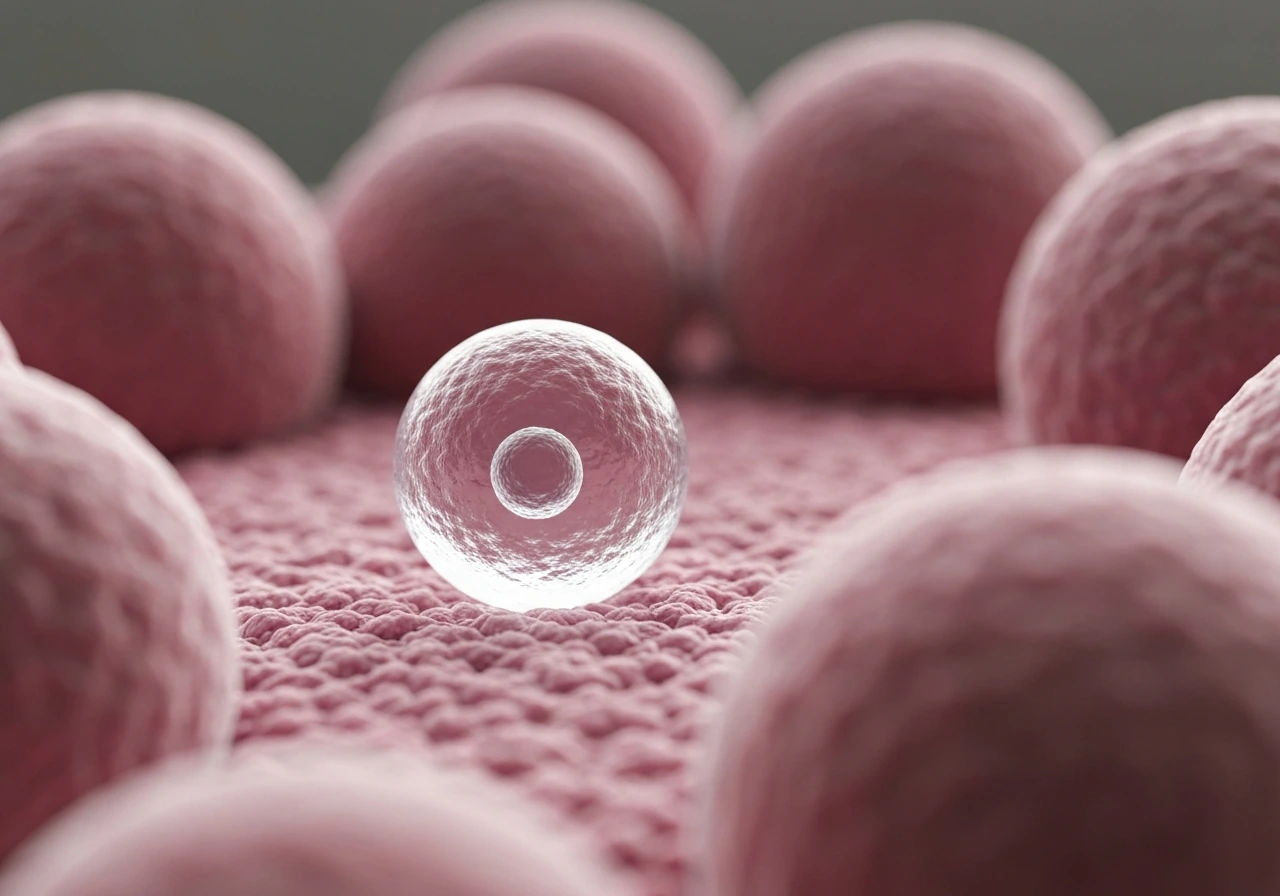
Here is the question students almost always ask and textbooks often gloss over: if cells keep dividing, why do organisms stop growing? The answer operates at multiple scales simultaneously.
Physical limits at the cell level
Individual cells cannot grow indefinitely because of a surface-area-to-volume problem. As a cell gets bigger, its volume increases much faster than its surface area. Since nutrients enter and waste exits through the surface, a very large cell cannot move materials in and out fast enough to sustain its interior. Diffusion, the passive process by which molecules spread through the cytoplasm, also slows with distance. A molecule that needs to reach the center of a large cell takes much longer to get there than in a small cell. This physical constraint sets an upper limit on how big any single cell can realistically become.
Biological controls that halt division
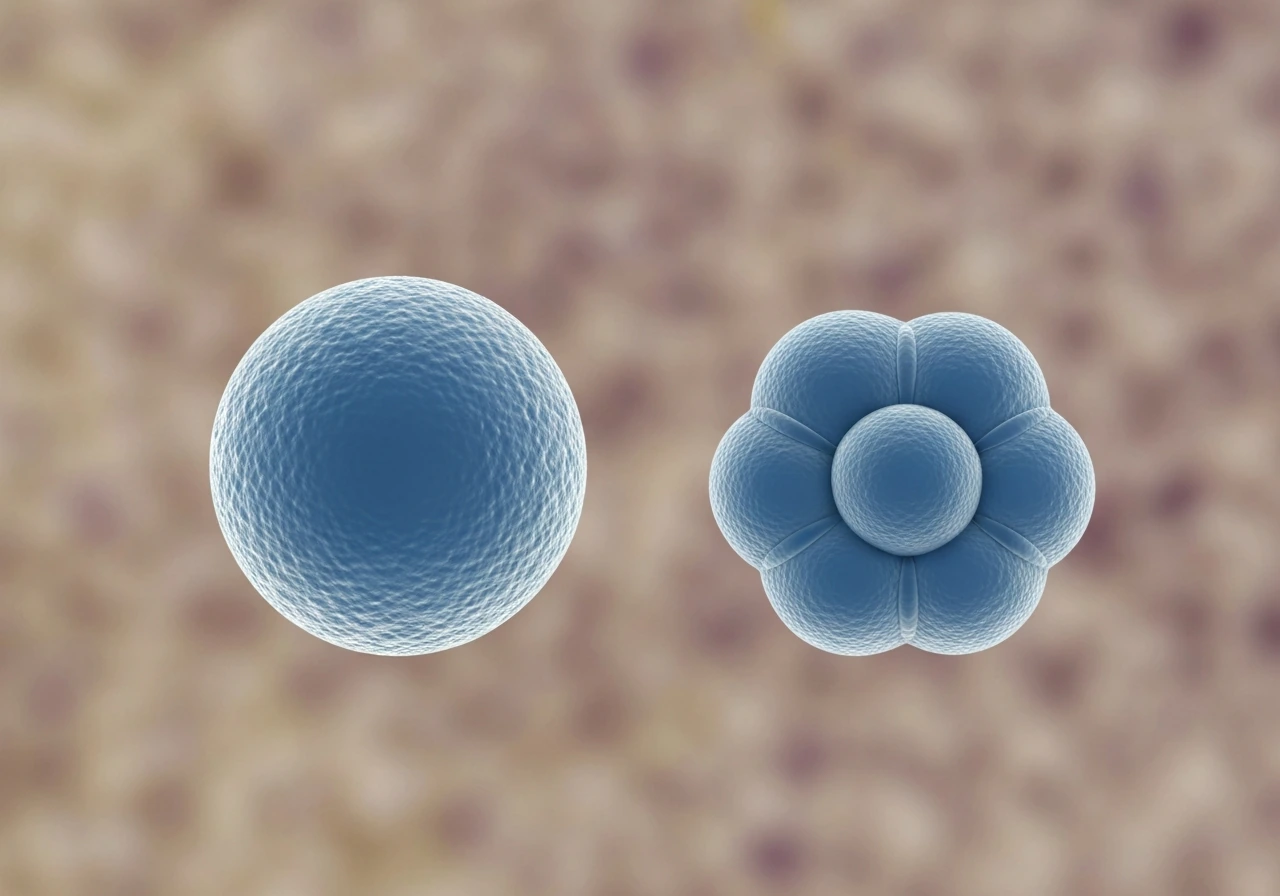
At the tissue level, normal cells in contact with their neighbors stop dividing, a phenomenon called contact inhibition. When cell-surface receptors detect that surrounding space is occupied, signals tell the cell to exit the cycle and enter G0. This is how your skin heals a cut: cells near the wound divide to fill the gap, then stop dividing once the gap is closed and contact is restored. Disruption of contact inhibition is one of the hallmarks of cancer, where cells continue dividing despite being in contact with neighbors.
There are also genetic programs that wind growth down. Many cells have a built-in division counter in the form of telomeres, protective caps on chromosomes that shorten with each division. After enough divisions, telomeres become too short to protect the chromosome, triggering senescence or programmed cell death. This is part of why aging happens and why organisms do not simply keep growing forever.
Resource limits at the organism and population level
At the scale of the whole organism, growth stops partly because resources become limiting. The same logic applies at the population level through the concept of carrying capacity: as a population grows and approaches the maximum size its environment can support, per-capita resources shrink, growth slows, and the population levels off. Individual organisms face an analogous constraint. A tree in a dense forest competes for light, water, and soil nutrients; as it grows larger, maintaining that larger body costs proportionally more energy, and at some point the cost of further growth outweighs the benefit.
For a detailed look at the repair side of this equation, including how organisms that have stopped growing still use cell division to maintain and fix existing tissues, how organisms grow and repair themselves is exactly the right next read.
A practical mental model you can use right now
When you look at any growing organism, whether it is a seedling on your windowsill, a puppy, or a colony of bacteria in a petri dish, you can ask the same four questions and quickly understand what is driving its growth and what might limit it.
- What is the energy source? (Photosynthesis, ingested food, or absorbed nutrients?) Without a steady energy supply, division cannot be sustained.
- What are the key nutrients? Identify whether nitrogen, phosphorus, water, or a specific mineral might be scarce in this organism's environment.
- What environmental conditions are present? Check temperature, light, oxygen, and pH against the organism's known tolerance range.
- What stage of development is the organism in? Early-stage organisms grow fast and divide frequently; mature organisms maintain rather than expand, and their cells are largely in G0.
You can turn these into simple observations or experiments. Grow two bean seedlings side by side, give one nitrogen-rich fertilizer and keep the other unfertilized, and you will see the nutrient effect on growth within two weeks. Vary the temperature for yeast cultures (yeast is a single-celled organism that divides visibly by releasing CO2) and you can directly observe how temperature affects the rate of cell division. These are not just classroom activities. They are the same experimental logic that plant physiologists and cell biologists use to probe the mechanisms of growth.
Growth in living things is always the product of cells dividing and differentiating under genetic direction, powered by energy from food, enabled by the right environmental conditions, and bounded by physical and biological constraints that prevent runaway expansion. Once you see those four forces working together, the growth of any organism, from a mushroom pushing through leaf litter to a human child gaining a centimeter a month, starts to make complete sense.
FAQ
Is growth always the same as getting larger?
No. Living things can increase in size by expanding existing cells (cell enlargement) or by producing new cells (cell division), and they can also change shape without net growth (for example, metamorphosis in insects). What matters is whether the organism is building new organized structures, not just getting bigger.
If cells keep dividing, why does an adult body not keep growing indefinitely?
It depends on the organism’s stage. Many cells actively divide only during certain periods (embryonic development, wound healing) and later enter long-term resting states (G0). Also, an organism can grow while many cell types are not dividing, because differentiation and tissue remodeling still change form and function.
Does DNA alone control growth, or do environment and hormones matter too?
Growth can be directed, but DNA does not act alone. Signals from the environment (like temperature, oxygen, and nutrient availability) and hormones act as regulators that decide when genes are expressed and when cycles proceed or pause. That is why two individuals with similar DNA can still have different growth outcomes when conditions differ.
Why do plants keep growing for many years, but animals usually do not?
Plants and animals both rely on cellular processes, but they differ in where growth happens. Plants often keep producing new cells at meristems throughout life, so they can add length or thickness over time (primary and secondary growth). Animals generally rely more on growth during development, then later use cell division mainly for repair.
What happens to growth if food is available but oxygen or key nutrients are missing?
Conditions that reduce ATP production or block building materials will stall growth, even if DNA and cell cycle machinery are intact. For example, limited oxygen lowers aerobic ATP output, and nutrient shortages such as low nitrogen can prevent cells from making enough proteins and nucleic acids.
How can you tell which factor is limiting when growth slows? (energy, nutrients, water, or temperature)
Deficiency often shows up as slower growth, smaller organs, or delayed development, not usually as “no growth.” The pattern depends on which nutrient or condition is limiting, for example low phosphorus can affect DNA/RNA and ATP-related processes, while low water can halt biochemical reactions and transport.
Why don’t all cells in the body keep dividing at the same time and place?
Some cells divide while others differentiate, but they are not “free to do anything.” Cells interpret local cues, such as contact with neighbors and gradients of signaling molecules, which helps ensure the right proportions and the right tissue structure. Contact inhibition is one example of a control mechanism that prevents uncontrolled expansion in normal tissues.
Can the same processes that stop growth in healthy cells cause cancer when they fail?
Yes. Cancer-like behavior can occur when cell cycle checkpoints and “stop” signals fail, so division may continue even when tissues are crowded. The key difference from normal growth is loss of proper regulation, including abnormal checkpoint responses and breakdown of controls like contact inhibition.
Why can’t one large cell just keep growing to build an entire organism?
Cell size and number both matter, but cell size has limits due to transport constraints (surface area versus volume, slower diffusion toward the center). That is why increases in size beyond the allowed cell scale usually require producing additional cells and building tissues, not just enlarging one cell indefinitely.
Can an organism grow and develop even if its total mass or length seems unchanged?
Growth changes can be “mostly internal” without obvious size increase. For instance, organisms may reorganize tissues, replace cell types, or alter proportions during development, which shifts function even if the overall body length or mass does not rise immediately.
Next Article
Do All Living Things Grow? Growth vs Development Explained
Explains when living things grow, how growth differs from development and reproduction, plus how to check any organism.