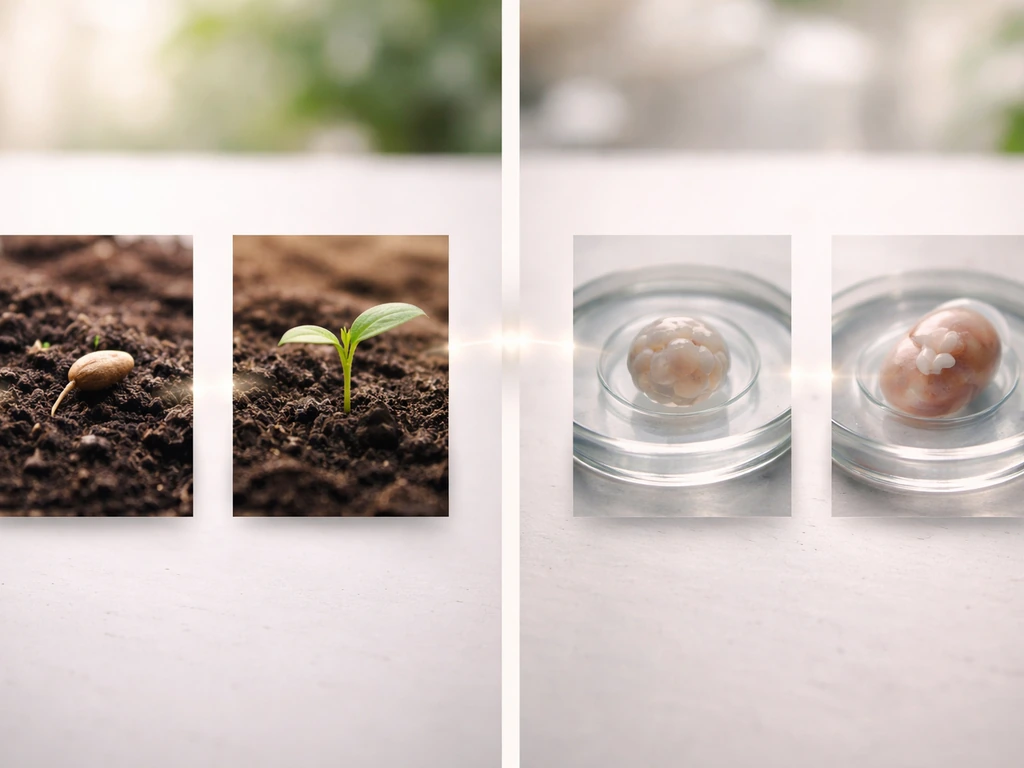
Living things grow by making more cells and by making existing cells bigger. That's the core of it. A seed becomes a tree, a baby becomes an adult, and a tiny seedling pushes through soil all because cells are dividing, expanding, and organizing themselves into new tissues and organs. This is the same idea behind how living things grow: they increase in size and build new cells and tissues as they respond to their surroundings cells are dividing, expanding, and organizing themselves into new tissues and organs. Growth isn't just about getting taller. It also means building new parts, replacing worn-out ones, and responding to the energy and materials available in the environment.
How Do Living Things Grow Class 3: Plants and Animals
Marcus Whitmore
29 May 2026
What growth actually means
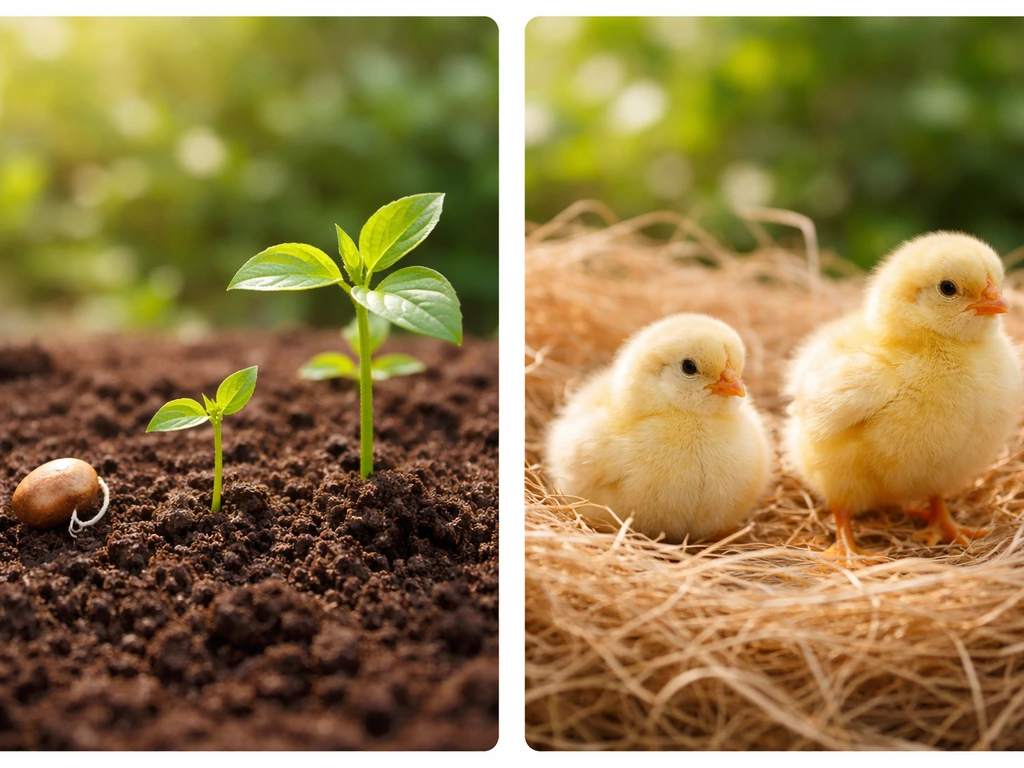
When we say a living thing grows, we mean two things are happening: the organism is increasing in size, and it is producing new cells to build or repair body parts. Think of it like adding bricks to a building and replacing old cracked ones at the same time. In plants, cells can also stretch and expand without dividing, which is why a stem can lengthen quickly after rain.
In animals and humans, most growth comes from cell division, a process called mitosis, where one cell splits into two identical daughter cells. Those new cells then organize into tissues (like muscle or leaf tissue), and tissues build up into organs (like a heart or a leaf). So growth is really a combination of more cells, bigger cells, and better-organized cells.
A common misconception worth clearing up: growth isn't only about height. Your fingernails growing, a cut healing, and a plant thickening its stem are all forms of growth. That same cell division process is mitosis, which is how living things grow and repair themselves. The same cell division process that makes you taller also repairs a scraped knee. That connection between growth and repair is one of the most important ideas in biology, and it shows up whether you're looking at a fern or a human being.
How plants grow
It all starts with a seed
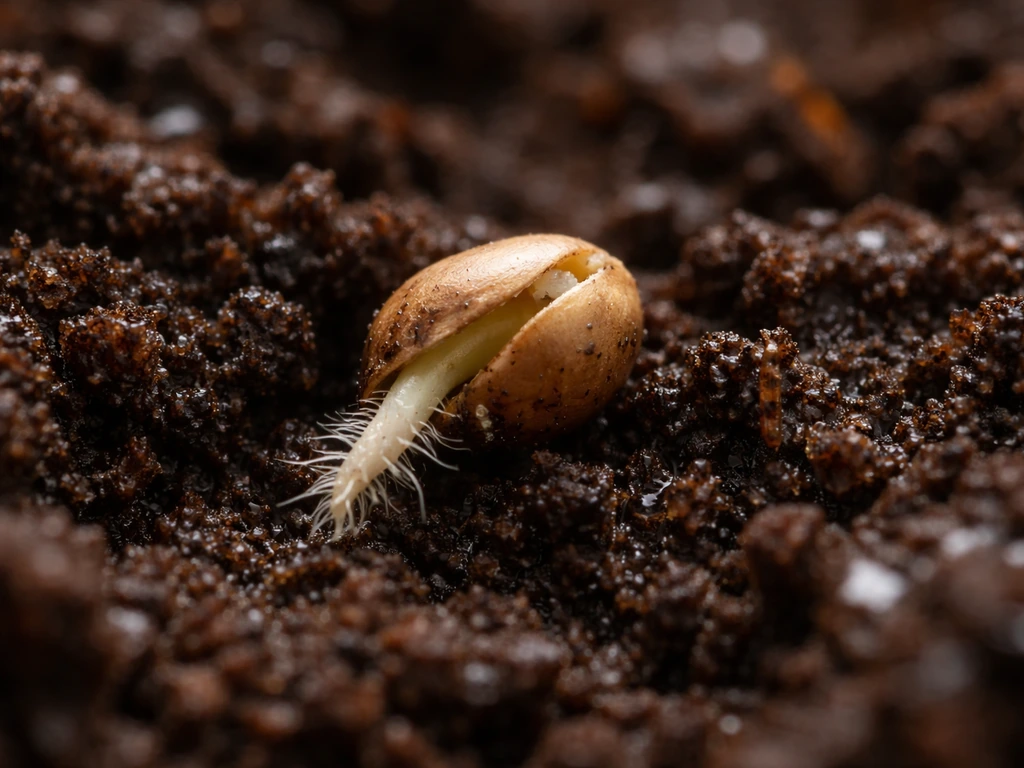
A seed looks dry and lifeless, but inside it holds a tiny embryo plant along with stored food to fuel its first days of life. When the seed gets enough water, oxygen, and warmth, that embryo wakes up in a process called germination. After germination, seedlings develop roots first (the radicle or primary root) and then shoots or leaves, leading into continued growth supported by photosynthesis once leaves form. The first thing to emerge is the radicle, which is the primary root. It pushes downward to anchor the plant and start pulling in water and minerals from the soil. Then a shoot pushes upward toward the light, and the first leaves unfurl.
Photosynthesis takes over
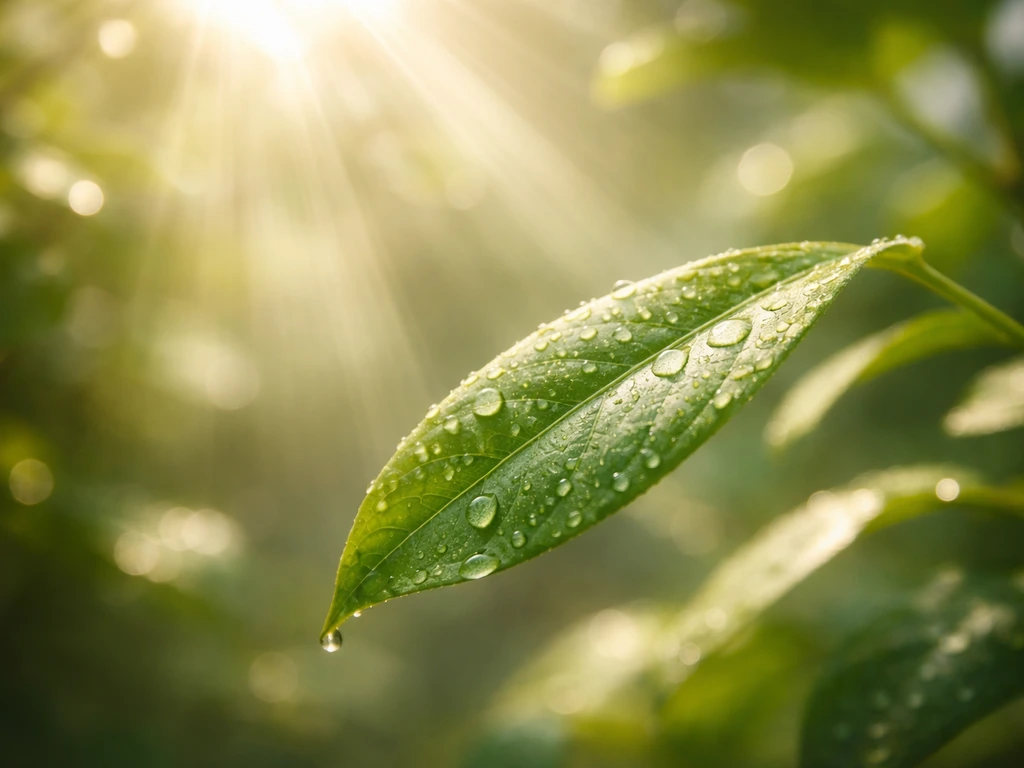
Once those first leaves open, the plant switches from living on stored seed food to making its own. This is photosynthesis: green plants capture sunlight and use it to combine water and carbon dioxide into sugars. Those sugars are the plant's fuel for everything, including growth. At an elementary level, sugars made by photosynthesis provide the energy that makes plants grow. Without photosynthesis, a plant can't produce enough energy to keep dividing and expanding its cells. It's the reason plants lean toward windows and why seedlings in a dark cupboard grow tall and pale but weak. They're stretching toward light they desperately need.
Roots, stems, and leaves keep building
As the plant grows, it adds new roots, new leaves, and taller stems through a combination of cell division and cell expansion. Cells near the tips of roots and stems divide rapidly, producing new cells that then stretch out and fill with water, pushing the plant longer. This is why the tip of a root is always growing but the middle section of the root stays in roughly the same place. Plants don't have a fixed growing-up-then-stopping pattern the way most animals do. Many plants keep producing new leaves and stems throughout their entire lives.
How animals and humans grow
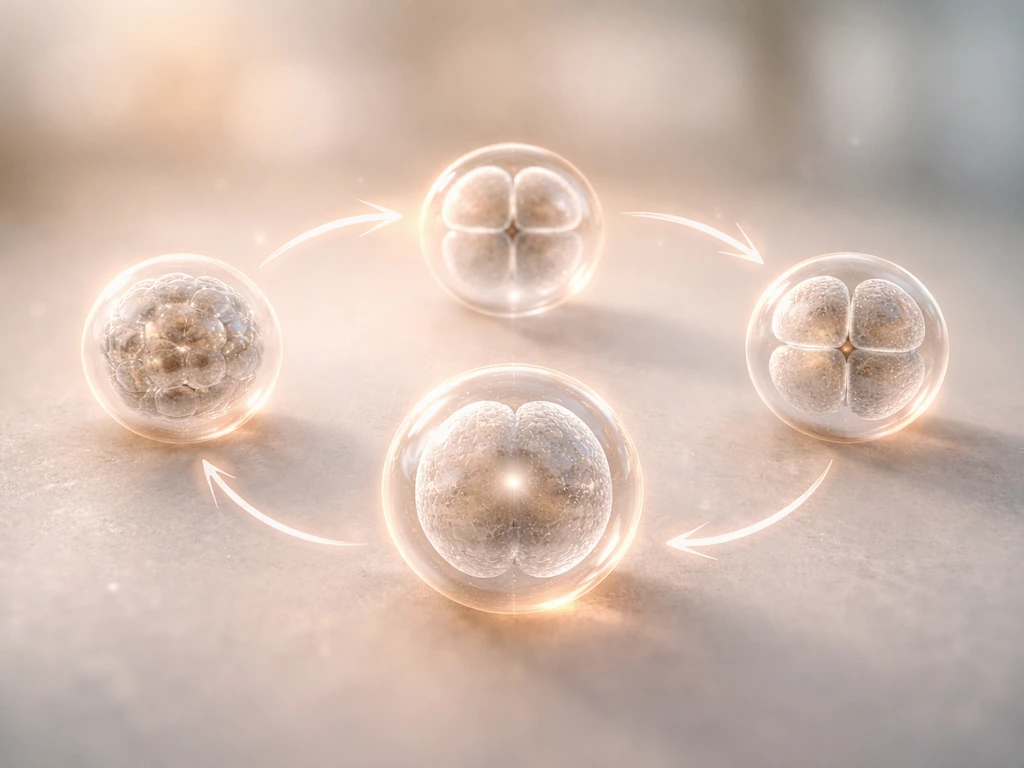
Animals grow almost entirely through cell division. When you were a single fertilized cell, you went through round after round of mitosis, producing billions of cells that gradually specialized into different types: nerve cells, muscle cells, blood cells, skin cells. Each time a cell divides during mitosis, it copies its DNA exactly and splits into two identical daughter cells. Those daughter cells may then divide again, or they may specialize and stop dividing to do a specific job in the body.
Groups of similar cells form tissues, and different tissues working together form organs. Your bones lengthen because cartilage cells at growth plates (special zones near the ends of your bones) keep dividing and then harden into new bone tissue. Your muscles get bigger because muscle cells grow and because new muscle fibers form. Even your brain is the result of billions of carefully organized cell divisions that happened mostly before you were born.
Unlike plants, animals can't make their own food. They have to eat other organisms to get the energy and raw materials needed for cell division and growth. That dependence on food is one of the key differences between how plants and animals fuel their growth.
What living things need to grow
Growth doesn't happen in a vacuum. Every living thing needs a specific set of conditions, and if even one is missing, growth slows or stops entirely. Here's what matters most:
- Water: Every cell needs water to carry out chemical reactions. Seeds won't germinate without moisture, and plants wilt and stop growing when soil dries out. Animals need water for digestion, transport of nutrients, and cell function.
- Food and nutrients: Plants make food through photosynthesis but also need soil nutrients like nitrogen and phosphorus. Animals eat food to get energy and the building blocks (like proteins) for new cells.
- Air: Plants need carbon dioxide from air for photosynthesis. Seeds need oxygen from air for respiration during germination. Over-watering seeds actually drowns them by cutting off oxygen, which is why waterlogged seeds often rot instead of sprout. Animals and humans need oxygen to release energy from food inside their cells.
- Sunlight: Plants need light as the energy source for photosynthesis. Without enough light, they can't make enough sugar to grow properly.
- Suitable temperature: Too cold and chemical reactions slow to a crawl. Too hot and important proteins break down. Each living thing has a temperature range where growth works best. Most common garden seeds, for example, germinate best between about 18 and 24 degrees Celsius.
Why growth slows down and eventually stops
Growth can't go on forever, and that's actually a good thing. In humans, lengthwise bone growth stops when growth plate cartilage closes near the end of puberty. Rising sex hormones during puberty first trigger a growth spurt, and then those same hormones gradually signal the growth plates to harden and seal. After that, bones can thicken and strengthen but they won't get longer. Girls typically experience their fastest growth just before their first menstrual period, after which growth slows significantly.
At the cell level, the body has built-in controls over how often cells divide. These controls are part of what biologists call the cell cycle. If a cell receives a signal that says 'enough cells here already,' it stops dividing. If those controls fail, cells can divide out of control, which is one way cancer develops. So the limits on growth are also the body's protection system.
Energy is the other big limiting factor. Growth requires a constant supply of energy and materials. When food is scarce, growth slows. When an animal ages and metabolism changes, growth slows. Plants in winter receive less sunlight and colder temperatures, so their growth slows or pauses. Growth is always a response to available resources. Nutrients which help us to grow are part of the materials we need, along with steady energy from food.
Plants vs. animals: what's the same and what's different
When you compare how plants and animals grow, some things are strikingly similar and others are very different. Here's a quick comparison:
| Feature | Plants | Animals / Humans |
|---|---|---|
| How new cells form | Cell division (mitosis) and cell expansion | Cell division (mitosis) primarily |
| Where growth happens | Tips of roots and stems (throughout life) | Growth plates, organs, tissues (mainly during youth) |
| Energy source | Sunlight via photosynthesis | Food eaten from environment |
| Does growth stop? | Many plants grow continuously | Most animals stop growing at adulthood |
| Growth used for repair too? | Yes, new cells replace damaged tissue | Yes, mitosis repairs wounds and replaces old cells |
The deepest similarity is this: all living things grow by making new cells, and all of them need energy and raw materials to do it. Whether it's a sunflower turning toward the light or a child going through a growth spurt, the underlying biology is the same toolkit of cell division, energy use, and tissue organization. The bigger question of whether all living things grow (and what counts as growth) connects to ideas like how single-celled organisms grow differently from multicellular ones, which is worth exploring further.
Try it yourself: Class 3 activities and real examples
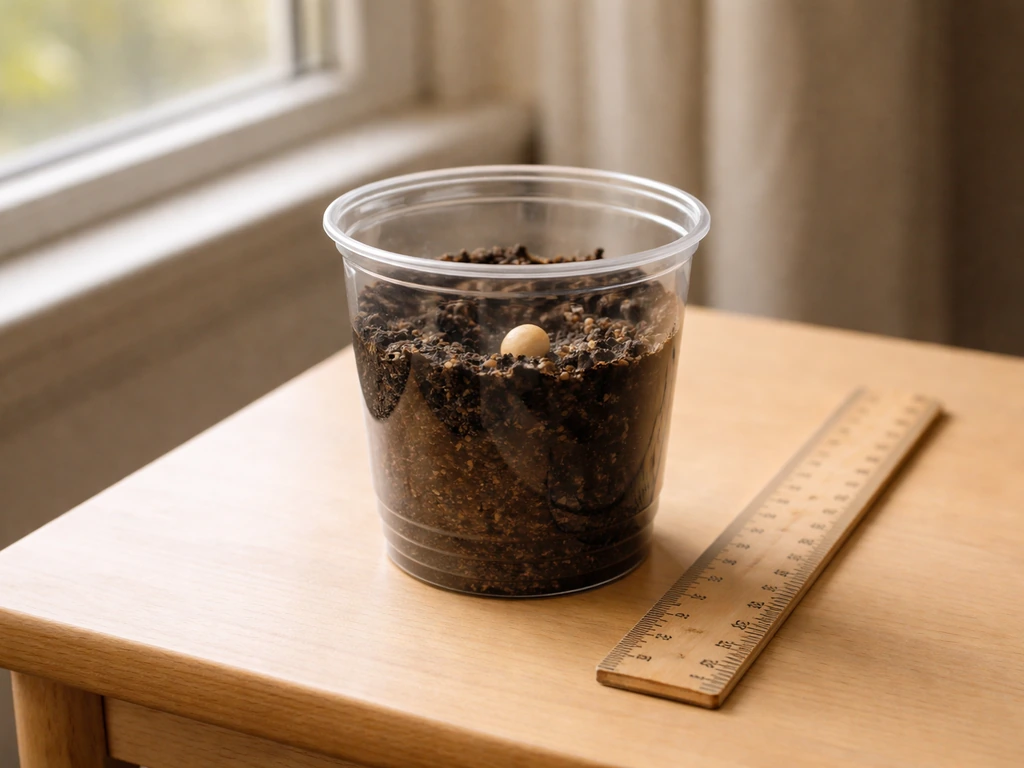
The best way to understand how living things grow is to watch it happen. Here are some simple activities you can do at school or at home that will make these ideas click.
Activity 1: Grow a bean in a cup
- Fill a clear plastic cup with damp soil and push a bean seed about 2 cm below the surface.
- Place it near a window and water it lightly every day.
- Use a ruler to measure the height of the seedling every two days and record it in a table.
- After two weeks, compare your measurements. You will have a real growth chart of a living thing.
What you're watching is germination followed by early plant growth powered first by the seed's stored food and then by photosynthesis once leaves appear. This is a perfect example of how plants grow, and the numbers you measure are real scientific data.
Activity 2: Compare germination conditions
Plant three sets of seeds: one in a warm spot with regular water, one in a cold spot (like a refrigerator), and one in a warm spot but with no water. Check them after five days. The seeds in warm, moist conditions will germinate. The others likely won't. This experiment shows exactly why temperature and water are non-negotiable requirements for growth. You can extend this by testing light versus dark germination to see if seeds need light to sprout (most don't, but the seedlings will need it soon after).
Real-life examples to notice every day
- The crack in a pavement where a plant root has pushed through: that's cell expansion in action, with tremendous force.
- A child's height marks on a doorframe: those jumps in height during growth spurts map directly to periods of rapid cell division in bone growth plates.
- Bread dough rising: while yeast isn't a plant or animal, watching something expand because of living cells growing is a great everyday analogy for biological growth processes.
- A healing cut on your skin: within days, new skin cells (produced by mitosis) fill in the gap. That's the repair side of growth happening on your own body.
- A tree's rings: each ring represents one year of growth. Wider rings mean a year with good sunlight, water, and nutrients. Narrow rings mean a tougher year. Growth leaves a permanent record.
Once you know what growth really is, you start seeing it everywhere. Every leaf that unfolds, every centimeter added to your height, every wound that heals is the result of cells dividing and working together. That process, powered by energy and shaped by the environment, is one of the most fundamental things all living things share.
FAQ
Do living things only grow when they get taller or bigger?
No. Growth also includes making new parts and replacing old ones, like a healing cut, fingernails getting longer, or a plant stem thickening. In biology, “growth” means the body increases in size and/or builds new cells and tissues, not just height.
Why can a plant’s stem get longer without cells dividing the whole time?
Plants can lengthen quickly because cells can stretch and expand after being made. Cell division mainly creates new cells, while cell expansion helps increase length, which is why a stem may elongate fast after conditions improve.
What conditions do seeds need to start growing (germination)?
Seeds need water to restart chemical processes, oxygen to release energy from the stored food, and warmth to speed up the reactions. Without any one of these, germination is much less likely, even if the seed is healthy.
Why do seedlings grown in the dark become pale and tall?
Without enough light, photosynthesis is limited, so the plant makes fewer sugars for strong growth. The seedling often stretches toward light, so it may look tall and weak, with poor color compared to seedlings grown with light.
How does an animal’s growth plate difference explain why height stops?
In humans, the cartilage at growth plates keeps lengthwise bone growth going, then later it hardens and seals. After that, bones can still thicken and strengthen, but they cannot grow much longer, which is why height growth slows after puberty.
Do cells divide nonstop in growing animals?
No. Cells follow signals from the body’s cell cycle, so division speeds up when growth is needed and slows down when there are already enough cells. This control is important for repair too, not just for getting bigger.
Can growth slow down even if a child is eating enough?
Yes. Growth depends on both energy and specific raw materials, plus proper conditions overall. If sleep is poor, illness is frequent, or a key nutrient is missing, growth can slow because the body cannot supply enough materials and energy for building tissues.
What happens to growth during winter for plants and older for animals?
Plants often slow or pause growth in colder weather and with less sunlight because they get less energy for making sugars. Animals may also grow more slowly as the body’s metabolism changes with age and as energy is used for maintenance instead of new tissue building.
How do plants and animals get “materials” for growth?
Plants mostly make sugars using photosynthesis, then use them as fuel to build new cells. Animals must eat for both energy and materials, so their growth depends heavily on getting enough food and nutrients.
Is healing after a cut an example of growth?
It is related, yes. Healing involves creating new cells and organizing tissues to repair damage, which uses similar cell division and tissue building processes as growth.
Next Article
How Do Plants and Animals Grow and Change Step by Step
Step-by-step guide to how plants and animals grow: cell division, specialization, development, and limits like food, wat