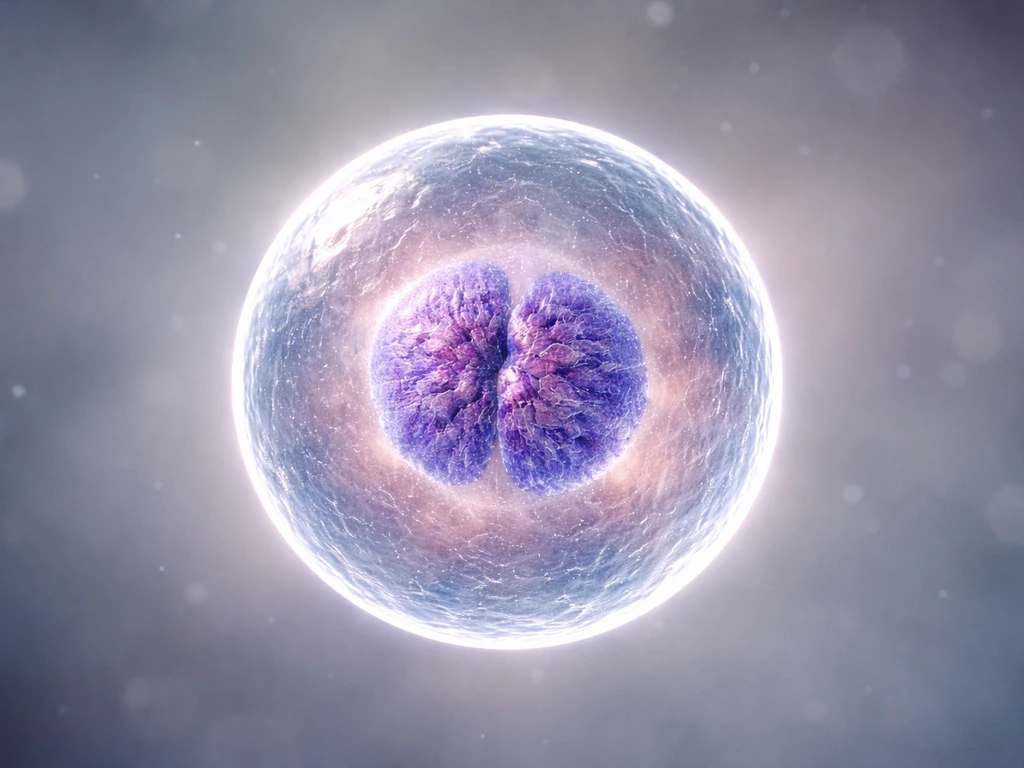
Tissues grow in two fundamental ways: by producing more cells through cell division (mitosis), and by increasing the size of existing cells through cell expansion or enlargement. That's it. Every growth event you see in a living tissue, whether it's a healing wound, a growing plant stem, or a developing embryo, comes down to one or both of those two mechanisms working together.
What Are Two Processes by Which Tissues Grow
Marcus Whitmore
9 Apr 2026
The two core processes, side by side
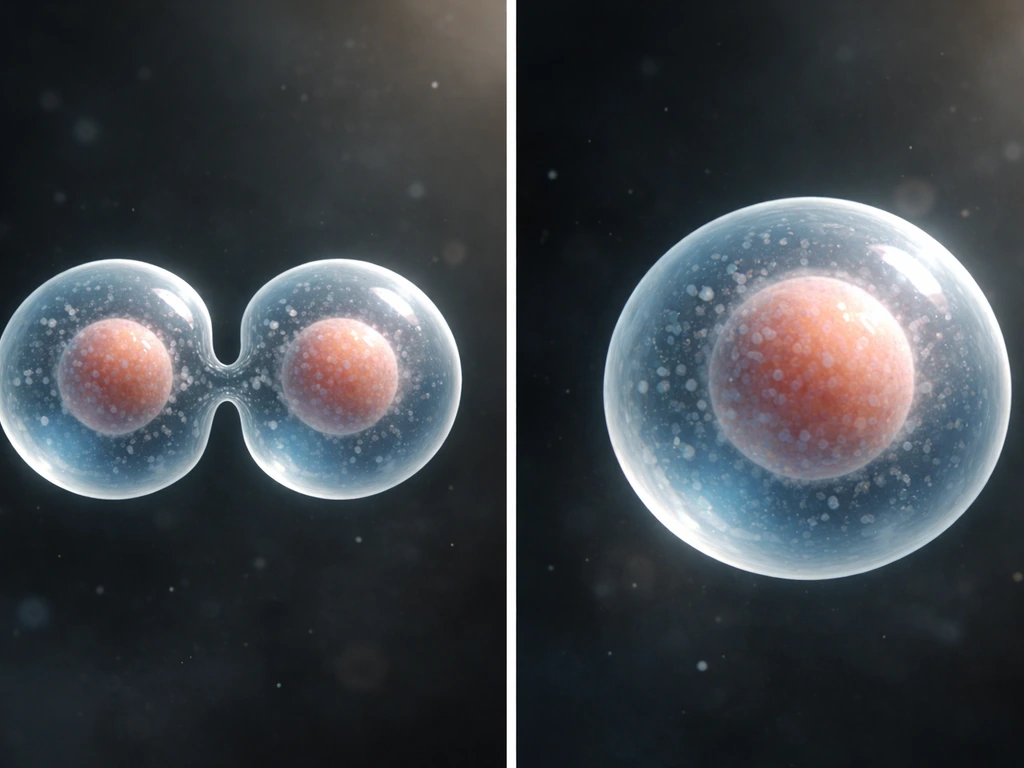
Before diving into the details, here's a quick reference to keep both processes straight:
| Process | What changes | Mechanism | Typical driver |
|---|---|---|---|
| Cell division (mitosis) | Cell number increases | One cell splits into two genetically identical daughter cells | Growth signals, injury, developmental cues |
| Cell expansion / enlargement | Cell size increases | Water uptake, protein synthesis, organelle growth | Hormones (e.g., auxin in plants), nutrient availability |
In most real tissues, both processes happen at the same time or in sequence. A muscle you're training adds new protein to existing fibers (enlargement) and, in some cases, supports new satellite cell divisions. A seedling elongates largely through cell expansion after initial divisions set up the basic structure. Knowing which process dominates in a given tissue tells you a lot about how that tissue responds to nutrients, hormones, and damage.
Cell division and mitosis: how tissues make more cells
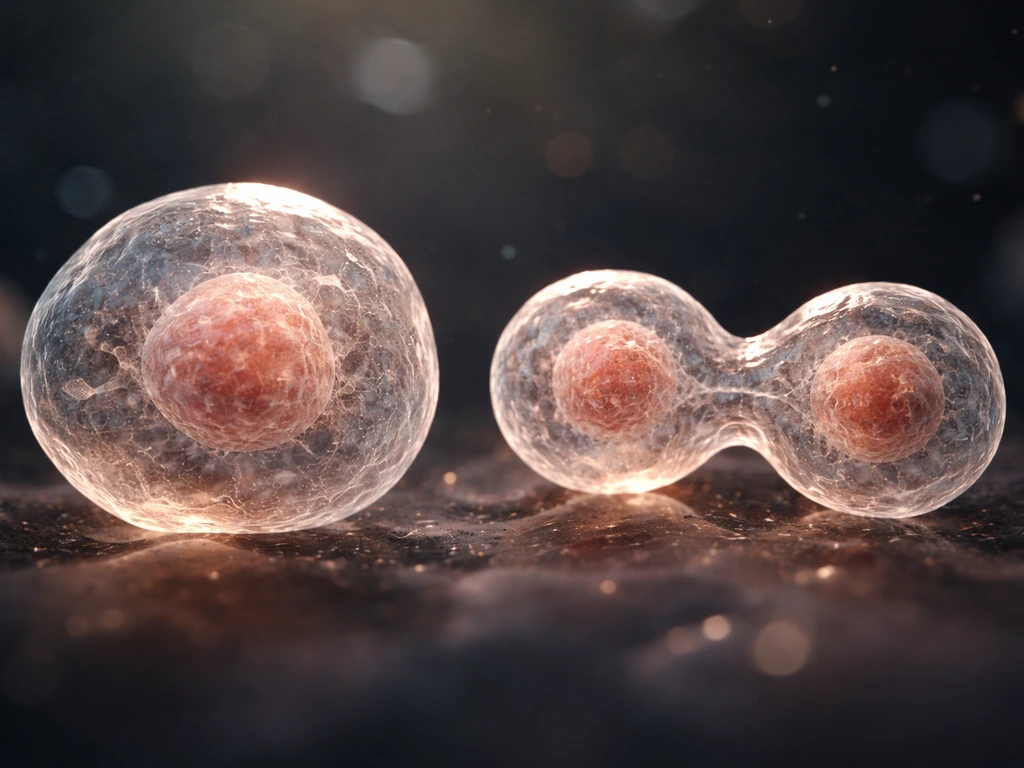
Mitosis is the process where a parent cell copies its DNA and then divides into two daughter cells, each carrying the same genetic information. For tissues, this is the main route to increasing cell number. Think of it like duplicating a tile in a mosaic: each new tile (cell) is identical to its neighbor, and together they cover more surface area.
The cell cycle has distinct phases: DNA replication happens during S phase, the cell visibly divides during M phase (mitosis), and there are checkpoint stages (G1 and G2) in between where the cell decides whether conditions are right to proceed. Those checkpoints matter enormously. If nutrients are low, if DNA is damaged, or if neighboring cells are sending 'stop' signals, the cycle pauses or halts entirely. This is one big reason tissues don't just grow without limit.
In a developing organism, mitosis drives large-scale growth. But Britannica makes an important point: in adult tissues, most cell division is actually about renewal and repair rather than making an organism bigger. Skin cells, gut lining cells, and blood cells are being replaced constantly, not increasing in total number. Understanding whether and when cells actively divide in a specific tissue helps predict how quickly that tissue can recover from injury.
Not all cell types divide at the same rate or even at all. Neurons in your brain rarely divide after early development. Liver cells (hepatocytes) can re-enter the cell cycle after injury. Skin's basal layer keeps cycling throughout your life. If you want to know which cells in the epidermis grow and divide, the answer points directly to that basal layer, where stem-like cells keep replenishing the outer surface. The diversity of division rates across tissues reflects how each tissue balances stability with the need for renewal.
Cell expansion and enlargement: growing bigger without splitting
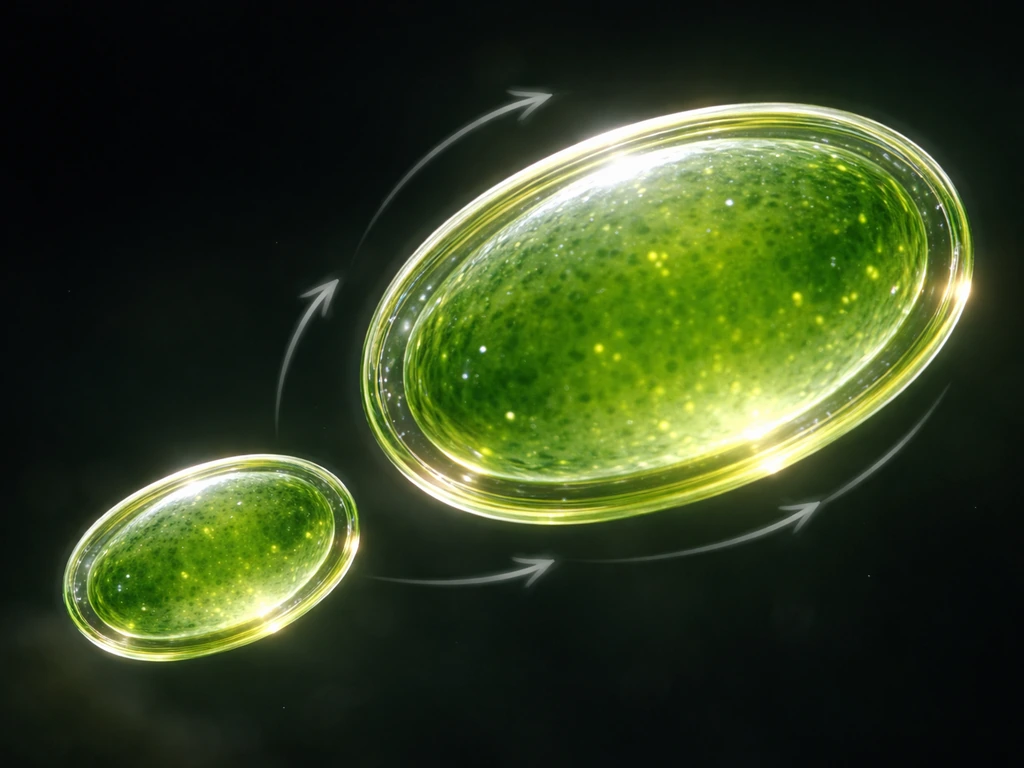
A tissue can also grow by making its existing cells physically larger. No new cell is produced; the ones already there just take up more volume. This happens through a combination of water uptake, biosynthesis of new proteins and lipids, growth of organelles like mitochondria and endoplasmic reticulum, and in plants, dramatic vacuole expansion that inflates cells like tiny water balloons. Cell expansion requires water uptake into vacuoles to generate high turgor pressure, along with cell-wall loosening and new wall material deposition.
Plant growth is a great example of cell expansion in action. After a root tip or shoot meristem produces new cells by mitosis, those cells don't stay small. They move into an 'elongation zone' where they absorb water and stretch to many times their original size. The hormone auxin loosens the cell wall, letting internal pressure push the cell outward. That elongation is cell expansion, and it accounts for most of the visible height increase you see in a growing seedling within days of germination.
In animals, cell enlargement is perhaps most visible in muscle and fat tissue. Muscle hypertrophy, the kind you get from resistance training, is primarily an increase in the size of muscle fibers rather than an increase in their number. Adipose tissue works similarly: existing fat cells can expand dramatically as they store more lipid. To understand the full picture of how adipose tissue grows, you have to account for both cell enlargement (hypertrophy of existing adipocytes) and division of precursor cells (hyperplasia), depending on the stage of life and degree of energy surplus.
It's worth noting there's a physical ceiling on how large a single cell can get. As a cell expands, its volume grows faster than its surface area. Eventually the surface area of the plasma membrane can't supply the interior with enough nutrients and oxygen, and waste starts accumulating faster than it can be removed. This surface-area-to-volume constraint is a core reason why cells divide rather than just keep enlarging indefinitely. If you've ever wondered how cells grow or increase in size without crossing that limit, the answer lies in the tight regulation of both biosynthesis rates and the decision to divide before things get out of balance.
How these two processes play out across tissues and organisms
The balance between division and expansion shifts depending on the tissue type, the organism, and the stage of life. During embryonic development, division dominates: you're going from one fertilized egg to trillions of cells, so cell number has to explode. Later in development and into adult life, expansion and specialization take over for many tissues. In plants, meristematic zones (shoot tips, root tips, the cambium in woody plants) stay mitotically active throughout the plant's life, while the rest of the plant body is mostly expanding and differentiating.
Epithelial tissues offer a clear example of how both processes stay active together. The cells lining your gut or your airways are constantly lost and replaced. How epithelial tissue grows involves a steady mitotic activity in stem cell populations, followed by expansion and differentiation as daughter cells migrate into position. Neither process alone keeps that lining intact.
Scale also matters when you zoom out to the whole organism. Whether cells get bigger as you grow depends heavily on which tissue you're looking at. Neurons, for instance, tend to enlarge and extend their axons rather than divide. Bone cells go through cycles of both division and enlargement as skeletal growth plates remain active. The take-home point is that no single rule covers every tissue: you need to ask which process dominates in a specific context.
What enables growth, and what puts the brakes on it
Growth doesn't just happen because cells want to grow. It needs enabling conditions and it's actively regulated by feedback mechanisms. Here's what drives each process and what keeps them in check:
- Nutrients and energy: both division and expansion require raw materials. Glucose, amino acids, lipids, and minerals all feed biosynthesis. When nutrients are scarce, cells sense low ATP via AMPK signaling and downregulate growth programs.
- Oxygen supply: actively dividing or enlarging tissues need oxygen for aerobic respiration. Tissues that outgrow their blood supply hit a wall, which is why tumors must recruit new vasculature (angiogenesis) to keep expanding beyond a few millimeters.
- Growth factors and hormones: signals like growth hormone, IGF-1, estrogen, auxin (in plants), and gibberellins trigger both mitosis and cell enlargement. Removing these signals typically pauses or reverses growth.
- Contact inhibition: when normal cells are packed tightly against neighbors, they stop dividing. This is a key brake on runaway growth and one that cancer cells often lose.
- Surface-area-to-volume ratio: as cells enlarge, this ratio drops and exchange efficiency suffers, pushing cells toward division rather than continued expansion.
- Telomere length: in most somatic cells, each division shortens telomeres slightly, eventually triggering cell senescence. This acts as a long-term division counter.
Understanding why cells grow in the first place ties directly back to these signals. Growth isn't a default state: it's actively switched on by molecular cues and switched off when those cues are absent or when inhibitory feedback kicks in. That's why well-nourished tissues in the right hormonal environment can repair rapidly, while starved or signaling-deficient tissues stagnate.
The same logic applies when you ask how a cell grows at the molecular level: the answer always involves a chain of signals that open up biosynthetic programs, followed by checkpoints that verify everything is in order before committing to division or sustained enlargement. Block any step in that chain and growth slows or stops.
Quick checks and misconceptions worth clearing up
A few wrong ideas show up repeatedly when people first learn about tissue growth. Here's a direct rundown:
- Misconception: tissue growth is just mitosis. Not true. Tissues can increase significantly in mass and volume through cell enlargement alone, without a single new cell being produced. Muscle hypertrophy and plant cell elongation are both clear examples.
- Misconception: if cells divide, they must also be getting bigger overall. Not necessarily. Early embryonic cell divisions (cleavage divisions) actually produce smaller and smaller cells with each split, because the cells divide faster than they grow. Total volume stays roughly constant while cell number skyrockets.
- Misconception: adult tissues don't grow. Many adult tissues maintain active cell division for renewal (skin, gut lining, blood), and most cells continue normal biosynthesis (a form of maintenance-level enlargement) throughout life.
- Misconception: cell division and cell expansion are independent. In most tissues they're tightly coordinated. A cell typically grows to roughly double its original size before dividing, so expansion always precedes division in the cell cycle.
Test yourself with these quick examples
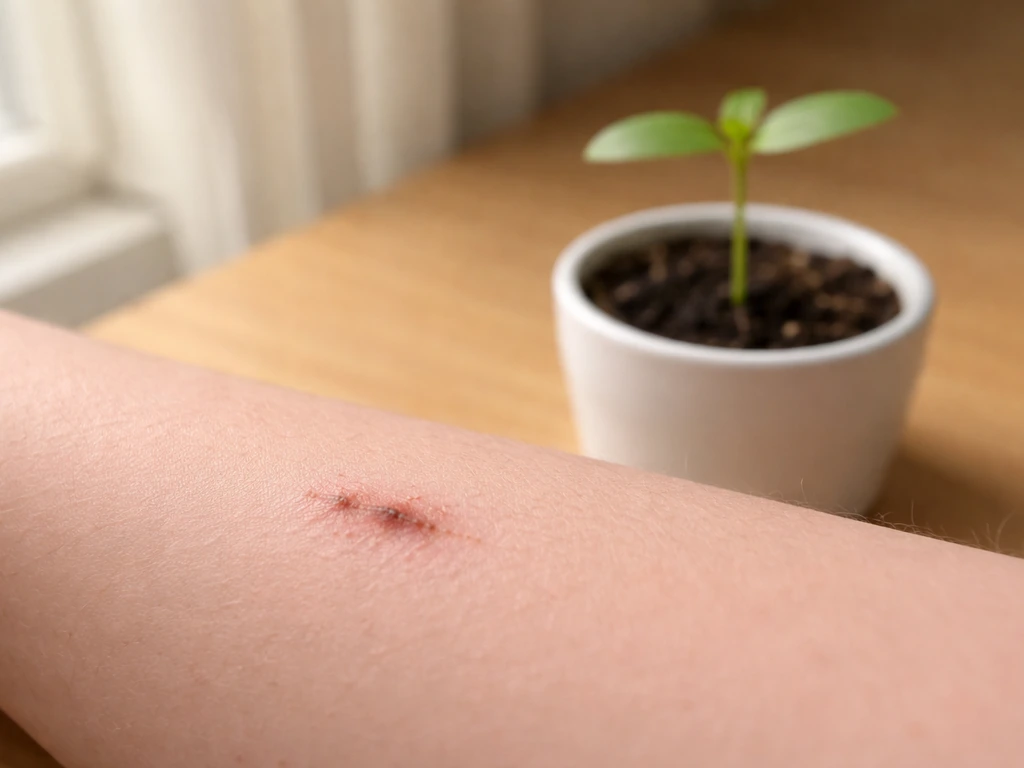
Try applying the two-process framework to these scenarios and see if the mechanism is immediately clear to you:
- A cut on your skin heals over several days. Which process (division, expansion, or both) is responsible, and which cells are doing it?
- A sunflower grows 10 cm taller in a week. The shoot tip contains a meristem. Is that height increase mostly from new cells, bigger cells, or both?
- A person gains 10 kg of body fat over a year. Are their fat cells mostly dividing or mostly enlarging?
- A child's long bones grow during puberty. Growth plates are active. What's happening at the cellular level in the cartilage and bone tissue?
If you worked through those, here's the quick answer key: (1) Both, driven by basal keratinocyte division and some fibroblast activity; (2) Both, but elongation via cell expansion in the zone below the meristem drives most of the visible height gain; (3) Mostly enlarging (hypertrophy), though in severe obesity hyperplasia also occurs; (4) Both, chondrocytes in the growth plate divide and then hypertrophy before being replaced by bone tissue. Once you can sort processes like these, you've genuinely internalized the two-process framework.
The bottom line is straightforward: tissue growth happens through cell division (more cells) and cell expansion or enlargement (bigger cells), and most real growth events involve a coordinated mix of both. Knowing which process is dominant in a given tissue, what signals drive it, and what puts the brakes on it gives you a complete, practical picture of how living systems grow, and why they don't grow forever.
FAQ
Are cell division and cell expansion always happening at the same time in every tissue?
No. Some tissues lean heavily on division during development or renewal, while others show mostly enlargement once the structure is set. A common rule of thumb is to identify the growth “source” region (where mitosis is active) and the “growth “zone” (where cells mainly enlarge).
If tissue growth needs both processes, can a tissue grow without making new cells?
Yes. Enlargement can increase overall tissue size when existing cells increase in volume, for example during early phases of plant elongation or muscle hypertrophy. However, long-term maintenance of that growth typically still depends on enough renewal or repair capacity.
Can a tissue increase in cell number without increasing overall size?
Sometimes. Rapid renewal and turnover can raise local cell counts temporarily near a niche, but tissue mass may not increase much if cells differentiate, migrate out, or are lost at a similar rate. Net growth happens when cell production and retention outweigh cell loss.
Why doesn’t unlimited cell enlargement occur even if nutrients are plentiful?
Because the surface-area-to-volume limit eventually restricts nutrient and oxygen delivery and slows waste removal. That physical constraint pushes cells to either divide or arrest rather than keep enlarging indefinitely.
What determines whether mitosis or enlargement is the dominant driver in a tissue?
It depends on the tissue’s cell type and developmental stage, plus feedback from nutrient status, DNA damage, and signals from neighboring cells. In practice, growth plateaus or slow recovery often indicate that checkpoint controls or signaling are preventing continued division or biosynthetic ramp-up.
How can I tell whether a “larger tissue” change is from hypertrophy versus hyperplasia?
Hypertrophy is expansion of existing cells, so tissue growth is accompanied by larger cell size. Hyperplasia is increased cell number, so you should see more cells in the same tissue volume and often changes in stem or precursor activity.
Do neurons grow by cell division in adults?
Generally, mature neurons rarely divide after early development. Growth you observe later is often due to cell enlargement-related processes (like extending processes such as axons) rather than adding new neurons through mitosis.
During wound healing, which process matters more, new cells or bigger cells?
Both can contribute, but the primary driver of restoring damaged tissue is often increased cell division in relevant progenitor or stem-like populations to replace missing cells. Enlargement can also occur to support rapid coverage and functional recovery, especially early after injury.
Why do growth rates differ so much between tissues like skin and liver?
Because each tissue has different cell-cycle readiness and different constraints on renewal. Skin relies on continuously cycling basal populations, while liver cells can be more context-dependent, such as re-entering the cell cycle after injury.
How do hormones or growth signals interact with the two processes?
Hormonal and molecular cues turn on biosynthetic programs that support both enlargement and the resources needed for division. They also influence checkpoint behavior, so the same signal set can increase protein production (supporting enlargement) while still limiting division if DNA damage or other inhibitory conditions are present.
Next Article
Do Cells Grow? How Cell Size Increases and Stops
Understand how cells grow in size and mass, why growth stops, and how the cell cycle controls size before division.