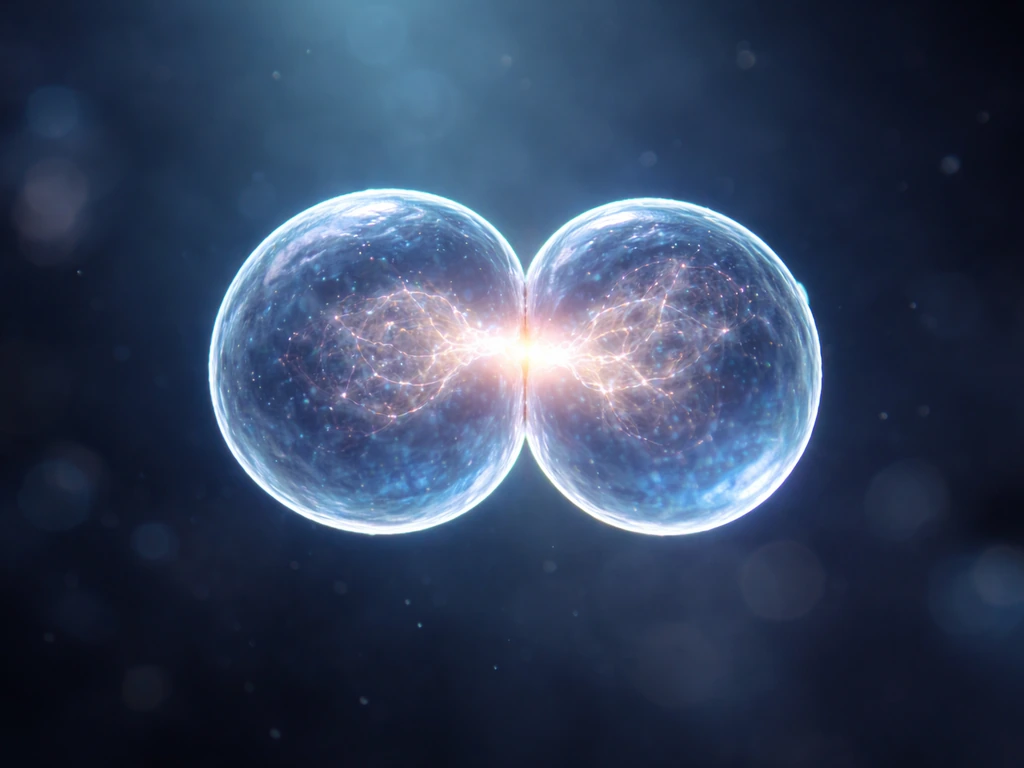
Yes, cells do grow. They increase in size, build mass, copy their organelles, and synthesize proteins before they divide. Growth and division are two separate events that happen in sequence, not the same thing. So when someone asks "do cells grow," the honest answer is: absolutely, and the way they do it is more interesting than most biology classes let on.
Do Cells Grow? How Cell Size Increases and Stops
Marcus Whitmore
3 Apr 2026
What "cell growth" actually means: size vs. number
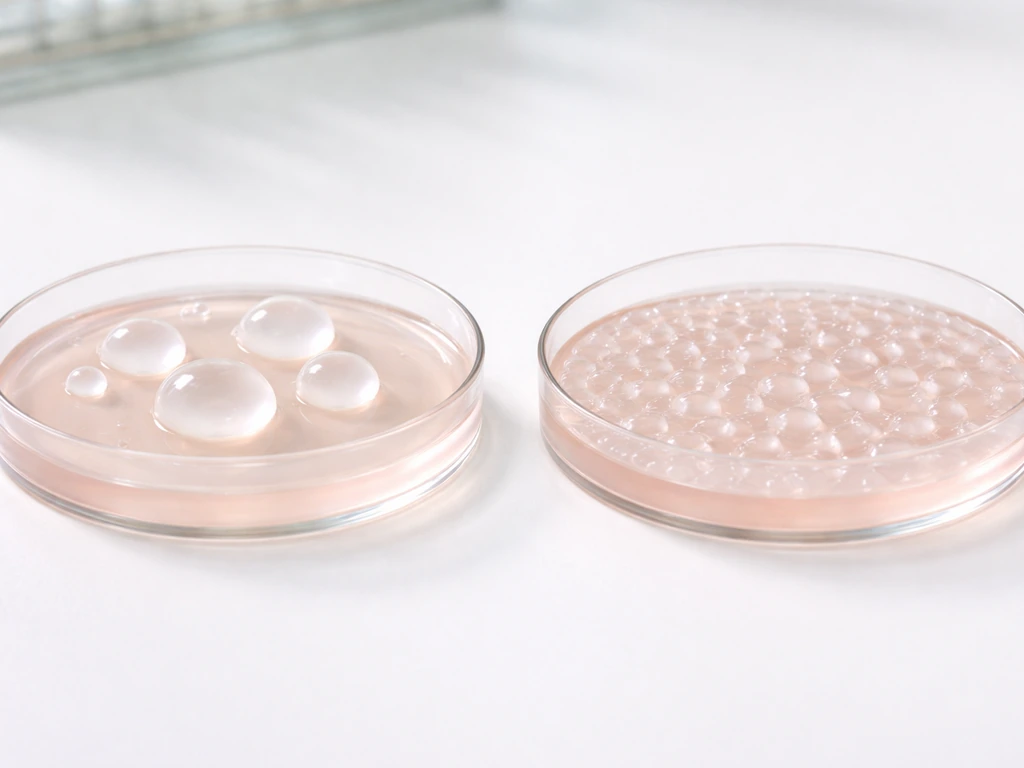
Here is where a lot of confusion starts. "Cell growth" can mean two different things depending on who you ask. It can mean a single cell getting physically bigger (increasing in volume and mass), or it can mean a population of cells increasing in number through division. Both are real, both matter, but they are not the same process.
Think of it like a sourdough starter. The individual yeast cells get bigger as they take in nutrients and build new cellular material. Then they divide, creating two cells. The starter grows in volume partly because each cell swells, and partly because there are more of them. Both types of "growth" are happening, but through completely different mechanisms.
For this article, growth means what happens inside a single cell: the increase in size, mass, and molecular content that occurs before and alongside cell division. Why cells grow in the first place connects to energy, signaling, and the demands of the organism around them, but the basic answer is that cells grow because they need to build enough material to eventually split into two functional daughter cells.
Do cells grow in size, and what actually drives mass increase
Yes, cells grow in size. A cell that is about to divide is roughly twice the volume of a newly divided daughter cell. That mass has to come from somewhere, and it comes from the cell importing nutrients, synthesizing proteins, building lipid membranes, and duplicating organelles. This is a metabolically expensive process that requires raw materials and energy.
The drivers of mass increase are primarily biosynthesis: ribosomes translate mRNA into proteins, the endoplasmic reticulum processes lipids and membrane components, and mitochondria supply the ATP needed to power all of this construction. A growing cell is essentially a tiny factory running at high capacity. How cells grow or increase in size gets into the molecular specifics, but the big picture is straightforward: import raw materials, assemble them into cellular components, and expand.
One thing worth understanding is that not all cells grow at the same rate, and not all cells are growing at any given moment. Some cells are actively cycling; others are parked in a resting state. The growth we are talking about here applies specifically to cells that are actively preparing to divide.
It is also worth asking: do cells get bigger as you grow as an organism? The answer is nuanced: some do, some divide more, and some do both depending on the tissue type and developmental stage.
How cell growth and development link to the cell cycle
The cell cycle is the sequence of events a cell goes through from one division to the next. In eukaryotes (cells with a nucleus, like yours), the cycle has two major stages: interphase and the mitotic phase. Interphase is where growth happens, and it takes up the vast majority of the cycle.
Interphase itself is divided into three sub-phases: G1, S, and G2. In a typical human cell dividing in culture, the full cycle takes about 24 hours, and interphase accounts for roughly 23 of those hours. That tells you something important: the cell spends almost all of its time growing, synthesizing, and preparing, and only a fraction of its time actually dividing.
During G1 (the first gap phase), the cell grows physically larger, copies its organelles, and produces the molecular building blocks it will need later in the cycle. G1 is essentially the main growth phase. After G1 comes S phase, where the cell replicates its DNA. Then G2 gives the cell additional time to grow further and check that everything is ready before committing to division. The gap phases (G1 and G2) exist precisely because cells need more time to double their protein and organelle content than they need to copy their DNA.
blank" rel="noopener noreferrer">There is also a state called G0, a quiescent phase where cells exit the active cycle entirely. Neurons and muscle cells spend most of their lives in G0: they are not growing toward division, they are just doing their jobs. This is an important distinction because it shows that growth in the cell-cycle sense is not a permanent state for every cell.
Cell division (mitosis) vs. growth: how the two work together
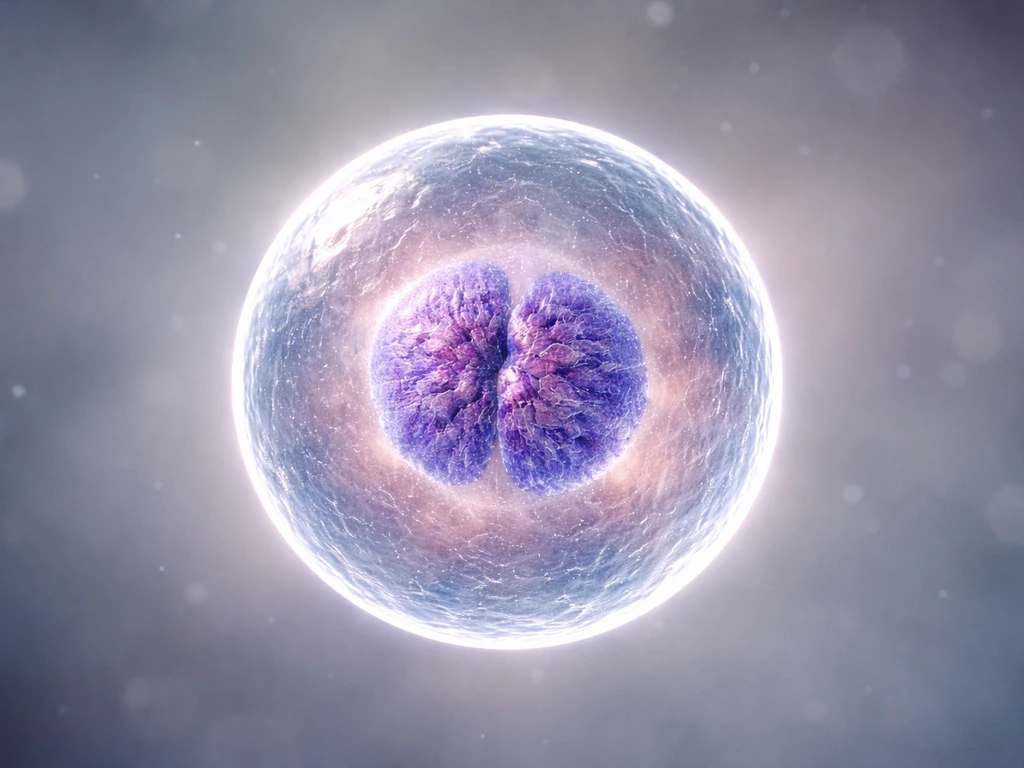
Mitosis is not growth. Mitosis is the process by which one cell splits into two genetically identical daughter cells. Growth is what happens before that. The two are coordinated, but they are mechanistically different events.
Think of it this way: growth is building up resources; mitosis is distributing them. A cell that divides without first growing would produce two undersized, underpowered daughter cells. This is why cell cycle checkpoints exist: they verify that the cell has grown enough and copied its DNA accurately before allowing mitosis to proceed. If those checkpoints fail, you get problems ranging from abnormal cell sizes to uncontrolled division.
Understanding what are two processes by which tissues grow is a natural next step here, because at the tissue level, growth is a combination of individual cells enlarging (hypertrophy) and the total number of cells increasing through division (hyperplasia). Both processes trace back to what is happening at the single-cell level during the cycle.
How a cell grows mechanistically through interphase before it ever reaches the mitotic phase is the core story here. Mitosis is the finale; the growth phases are the rehearsal.
What conditions cells need to grow
Cells do not grow in a vacuum. They need a specific set of conditions to actively increase in size and mass. If any of these are missing, growth stalls or stops.
- Nutrients: cells need amino acids, sugars, lipids, and other raw materials to synthesize proteins and membranes. Without them, there is nothing to build with.
- Energy (ATP): biosynthesis is expensive. Cells need a steady supply of ATP from cellular respiration to power the molecular machinery of growth.
- Growth signals: in multicellular organisms, cells typically need external signals (growth factors, hormones) to enter and progress through the cell cycle. A cell sitting in culture without growth factors will often stall in G1.
- Oxygen: aerobic respiration, which is far more efficient at generating ATP than anaerobic pathways, requires oxygen. Low oxygen limits energy production and slows growth.
- Appropriate temperature and pH: enzymes that drive biosynthesis have optimal ranges. Too far outside those ranges and the molecular machinery breaks down.
- Space and anchorage: many cell types (especially animal cells) require physical contact with a surface to grow and divide, a property called anchorage dependence.
Different cell types also have specialized growth requirements. How adipose tissue grows, for example, involves lipid accumulation in fat cells in a way that is distinct from the growth patterns seen in rapidly dividing epithelial tissue. Similarly, how epithelial tissue grows depends heavily on stem-like basal cells that keep dividing to replenish the surface layer. The basic requirements above apply across the board, but the details vary significantly by tissue type.
Why cells can't grow forever: growth limits and constraints
If cells just kept growing without dividing, they would eventually stop functioning efficiently. There are real physical and biochemical reasons for this, and they are worth understanding because they explain why cell size is tightly regulated.
The core issue is the surface-area-to-volume ratio. As a cell grows larger, its volume increases faster than its surface area. Since nutrients and waste products must cross the cell membrane (the surface), a very large cell cannot exchange materials quickly enough to support its interior. Think of trying to oxygenate a watermelon-sized cell through its skin: the inside would be starved before anything useful could diffuse in.
There is also a genome-to-cytoplasm ratio problem. One nucleus can only manage so much cellular activity. As the cell grows, the demands on the genome increase, and there is a point at which one set of DNA cannot keep up with coordinating a vastly expanded cytoplasm. This is part of why the cell cycle has checkpoints that trigger division once the cell reaches a critical size.
In multicellular organisms, growth at the tissue level is also constrained by signaling. Cells receive signals that tell them when to grow, when to stop, and when to die (a process called apoptosis). When those signals break down, cells can divide uncontrollably, which is the basic mechanism behind tumor formation. So the limits on growth are not just physical; they are regulatory.
The epidermis is a good example of tightly regulated cell growth in action. Which cells in the epidermis grow and divide is a specific question with a clear answer: it is the basal layer cells that do the active cycling, while cells that move up toward the surface differentiate and eventually die off. The system is balanced so growth and loss stay in equilibrium.
A quick comparison: growth vs. division
| Feature | Cell Growth | Cell Division (Mitosis) |
|---|---|---|
| What happens | Cell increases in mass, volume, and molecular content | One cell splits into two daughter cells |
| When it occurs | Primarily during G1, continues through S and G2 (interphase) | M phase (after interphase is complete) |
| Key processes | Protein synthesis, organelle duplication, membrane expansion | Chromosome condensation, spindle formation, cytokinesis |
| Time required | Most of the cell cycle (up to ~23 hours in a 24-hour cycle) | Relatively short (often less than 1 hour) |
| Can it happen independently | Yes (cells can grow without dividing, e.g., in G0) | No (division requires prior growth to be functional) |
| What limits it | Surface-area-to-volume ratio, nutrient availability, genome capacity | Cell cycle checkpoints, DNA integrity, growth factor signals |
How to check your own understanding
If you want to make sure you have actually internalized this, here are a few self-check questions worth working through. Can you explain the difference between a cell growing in size versus a tissue growing in cell number? Can you name the three sub-phases of interphase and say what is happening in each? Can you explain, in plain language, why a cell cannot just keep growing without dividing? If you can answer those three questions without looking anything up, you have the core concepts down.
A useful next step is to look at what happens when cell growth goes wrong: either cells that cannot grow (due to nutrient deprivation or missing signals) or cells that grow without limits (cancer). Both extremes illuminate how tightly controlled normal cell growth actually is, and they make the biology feel a lot more relevant.
Understanding cells as the foundational unit of growth, across all living things, is what makes this topic so broadly useful. Whether you are studying a single bacterium, a growing plant root, or a healing wound in human skin, the same basic principles apply: cells need resources and signals to grow, they grow before they divide, and they cannot grow without limit. That pattern repeats at every level of life.
FAQ
Do cells grow bigger all the time, or only right before dividing?
It depends on the cell type and where the cell is in its cycle. Many cells increase in size mainly during G1 and G2, then division distributes that built mass into two daughters. In contrast, cells that are quiescent (G0) do not grow toward division, so they often maintain a relatively stable size while doing specialized work.
If an organism or tissue grows, does that mean every cell gets larger?
Average size can change differently from individual size. A tissue can increase in cell number (hyperplasia) while the typical cell size stays about the same, or it can increase size mainly by enlarging existing cells (hypertrophy). Also, cell size varies within a tissue, for example cycling basal cells versus differentiated cells, so “bigger tissue” does not automatically mean “bigger cells.”
Is mitosis the process that makes a cell grow?
No, mitosis is not growth. Mitosis creates two daughter cells, while the buildup of mass and organelles happens during interphase. Checkpoints before mitosis exist to confirm the cell reached the critical size and successfully duplicated DNA, so the daughters start from a properly prepared starting point.
What happens to cell growth if nutrients or energy are missing?
If a cell lacks nutrients or energy, it may enter a stalled state rather than continuing to grow. Common outcomes include slowed protein and lipid synthesis, inability to complete DNA replication, and activation of cell-cycle arrest programs, which effectively stop the growth phase from progressing.
Why can’t a cell just keep expanding until it becomes huge?
Cells cannot fix unlimited growth with “more membrane” alone, because transport is limited by surface-area-to-volume scaling, and internal processes scale with cytoplasmic complexity. Even with membrane expansion, nutrient uptake and waste removal must keep up, and the genome and protein-machinery must coordinate a larger internal workload.
How do scientists tell whether a cell is growing in size versus just cycling?
Measuring cell size over time can be tricky because “size” can mean volume, mass, or diameter, and cells are not perfectly uniform. In practice, cell size is often assessed relative to the cell-cycle phase or using DNA content markers, since cells at different stages naturally have different sizes.
Can cells get larger and then stop without dividing, and if so, what state do they enter?
A cell can grow in size without dividing immediately, but it generally cannot do so indefinitely. If growth signals are present, the cell progresses through interphase. If signals are missing or conditions are unfavorable, checkpoints can halt the cycle, which can push cells into a resting state rather than allowing continued size increase.
Do cancer cells “grow without limits,” or is the problem more about checkpoints and control?
Yes. Many cancer cells have defects in growth-control pathways, for example altered checkpoint signaling or stronger pro-growth cues, so they may grow and divide when they otherwise should not. The key idea is not simply “they grow faster,” but that the normal braking systems that coordinate growth with division fail.
Why do some cells (like neurons or muscle cells) mostly not grow?
Some cells naturally remain in G0 for long periods, such as many neurons and muscle cells, so they may not grow in the cell-cycle sense. Others continuously cycle, like many epithelial stem or progenitor cells, so growth toward division is common. Tissue context, differentiation state, and developmental stage strongly determine whether growth occurs.
What is the simplest way to remember how tissues grow at the cell level?
Tissue growth often happens through both mechanisms. Hypertrophy increases the size of existing cells, while hyperplasia increases cell number through division. Because these can occur together, and because different cell types contribute differently, the net tissue change does not tell you which single mechanism is dominant without additional context.
Next Article
How Does a Cell Grow: Steps, Control, and Limits
Learn how cells grow by building mass, replicating DNA, and dividing, plus key limits from nutrients to checkpoints.