Hair and fingernails do not actually grow after death. What happens instead is that skin and soft tissue dehydrate and shrink back, making nails and hair appear longer than they were at the moment of death. That is the short, direct answer. True biological growth, the kind that requires cell division, energy, and carefully regulated signaling, stops the instant those conditions disappear. What you do get after death is a series of time-limited physical and chemical changes that can alter the size, shape, and appearance of the body, but none of them qualify as genuine growth in any biological sense.
What Continues to Grow After Death: Real Postmortem Changes
Marcus Whitmore
9 Apr 2026
What actually changes after death (and what stays the same)
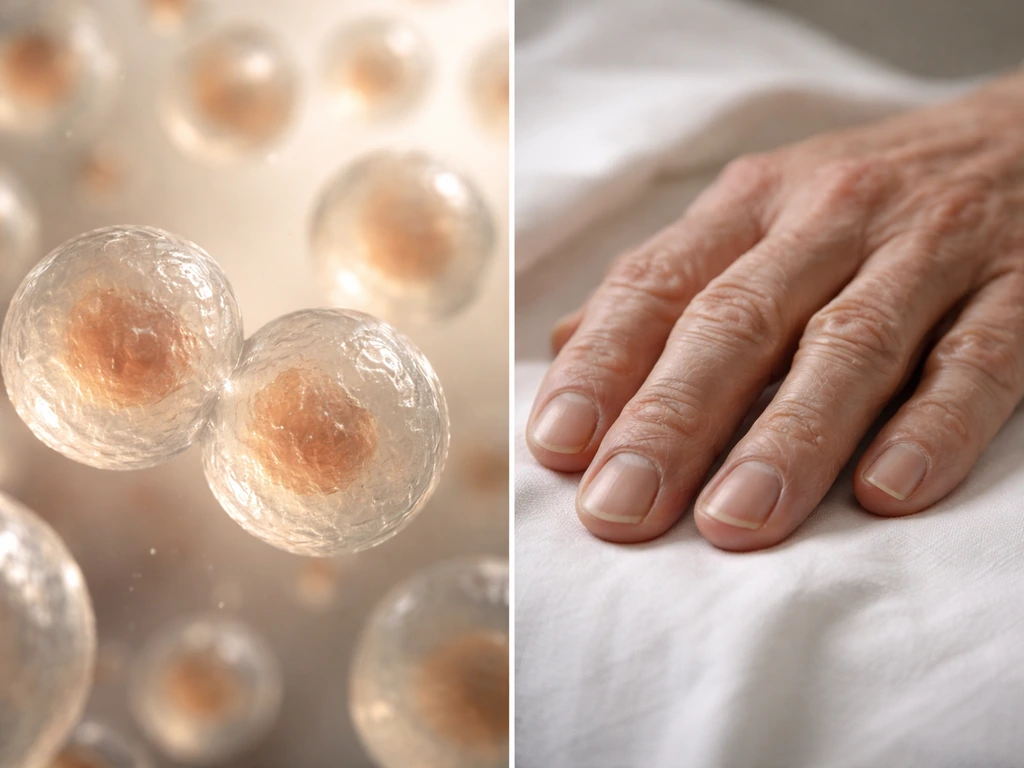
Let's be specific. After death, a few things can appear to change in ways that look like growth. Skin shrinks and retracts due to dehydration, making fingernails and hair look longer. Putrefaction gases build up inside the body and cause the abdomen, face, and external genitalia to swell and distend, which looks like enlargement. Fluid shifts and tissue breakdown can push fluids outward, causing visible bloating. In the eyes, the cornea goes from transparent to hazy within about 2 hours in most cases, and the iris begins to deteriorate noticeably around 22 hours after death.
None of these are growth. They are physical and chemical consequences of a body that is no longer actively maintaining itself. The list of what does NOT change is simpler: organs do not grow, muscles do not get larger, bones do not lengthen, and no new cells are produced anywhere.
The body parts people think keep growing
Hair and nails: the most common myth
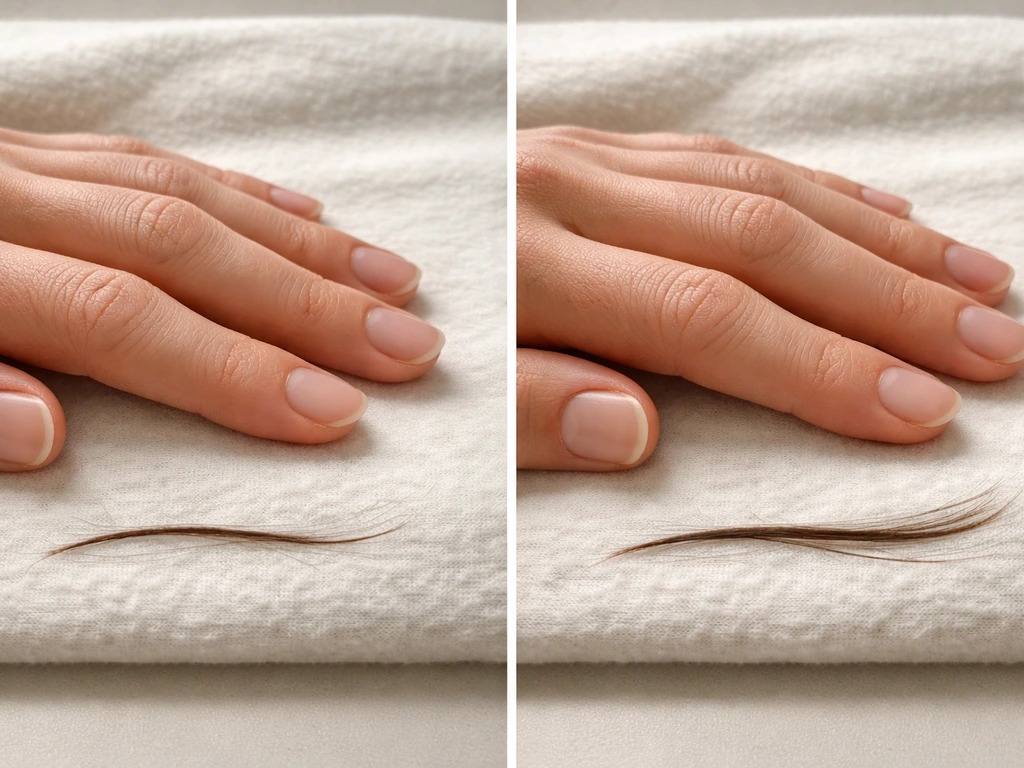
This one has circulated in folklore for a long time. The claim is that hair and fingernails keep growing for days after death. The reality is far less dramatic. Dehydration causes the skin and soft tissue around nails and hair follicles to dry out and retract. That retraction exposes more of the nail and the hair shaft, creating the visual illusion of growth. No new nail cells are being produced. No new hair cells are dividing. The apparent increase in length is purely a measurement artifact caused by the tissue underneath pulling back. Medicolegal forensic tables even note that nails and hair become loosened and easily pulled off at later postmortem stages, which is the opposite of active growth.
Swelling and distension from putrefaction gases
As bacteria break down soft tissue during putrefaction, they release gases as a byproduct. Those gases have to go somewhere, and they accumulate inside the body cavities. The result is visible distension of the abdomen, swelling of the face, and enlargement of the external genitalia. This can look dramatic if you are not expecting it, and it is easy to mistake for some kind of continuing biological expansion. But it is gas pressure, not cell division, driving the change. It is roughly analogous to a balloon inflating, not a muscle growing larger through exercise. Putrefaction can also cause postmortem purging, where fluids are pushed out through the mouth and nostrils, and it leads to blisters filled with putrefactive fluid forming under the skin.
Eye changes
The eyes show some of the most reliable and well-documented postmortem changes, which is why forensic pathologists use them to estimate time of death. Corneal opacity, the cloudiness that develops in the clear front surface of the eye, can be visible within about 2 hours in a majority of cases, though the cornea may remain transparent for anywhere from 8 to 12 hours depending on conditions. Intraocular pressure drops toward zero early in the postmortem period. A phenomenon called tache noire, a dark dried strip across the exposed sclera, can form when eyes remain partially open. The study in the PMC article also discusses tache noir and other postmortem ocular findings used for time-since-death estimation, along with factors that can affect corneal opacity tache noire. None of this is growth, but all of it is measurable, time-dependent change.
Why true growth cannot continue after death
Growth in living organisms is not a passive process. It requires energy in the form of ATP, active signaling between cells, a functioning cell cycle, and the constant regulation of proteins that control when cells divide and when they stop. Think about what site the polypeptide grows on during protein synthesis: it is the ribosome, and ribosomes only function when cells are alive, energized, and producing the molecular machinery needed to run the process. The moment a cell loses its ATP supply, those processes stall.
Research on ATP depletion during cell division shows that when energy runs out, cells cannot sustain productive proliferation. They slip out of mitotic arrest without completing division, and no new viable daughter cells are produced. The molecular architecture of the cell cycle depends on active proteins, active signaling, and active energy supply. Take away the energy, and the entire program collapses. This is why comparing postmortem changes to growth is like comparing a deflating tire to a car engine: one is a passive physical consequence, the other is an active, regulated process.
It is also worth connecting this to how growth works in simpler systems. Even pulse crops like lentils and chickpeas grow by following the same fundamental rules: active cell division, energy from photosynthesis and respiration, and regulated signaling. Those mechanisms all require a living, functioning system. Death removes all of that simultaneously.
The mechanisms behind postmortem appearance changes
Autolysis: the body breaking itself down
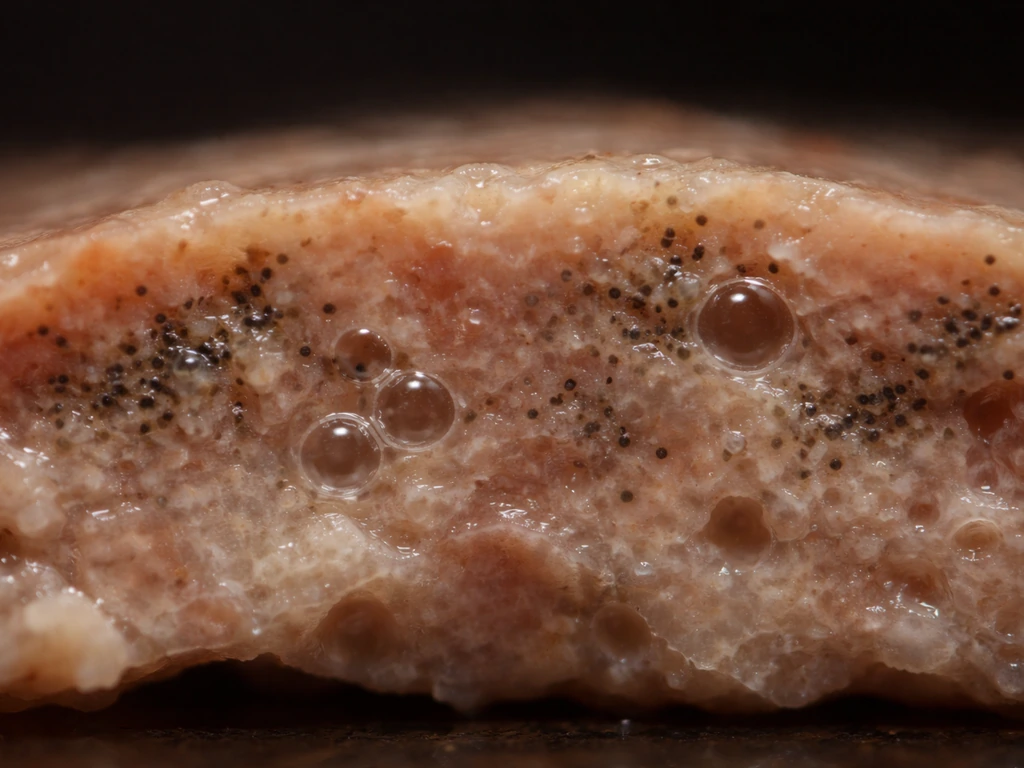
Autolysis is essentially self-digestion. Cells contain enzymes locked inside compartments called lysosomes. When a cell dies and its membranes stop functioning, those enzymes leak out and begin breaking down the cell's own proteins, fats, and structures. This happens without any bacterial involvement, which is why it can occur even in sterile conditions. Autolysis is a purely destructive process. It does not build new tissue or produce new cells. It denatures proteins, causes fluid to leak out of cells, and contributes to the softening and discoloration of tissues over time.
Putrefaction: microbial decomposition
Where autolysis is intrinsic, putrefaction is driven by bacteria, both from the gut and from the surrounding environment. Bacteria break down soft tissue and produce gases as metabolic byproducts, which causes the swelling and distension described earlier. Putrefaction also causes skin slippage, where the outer layers of skin separate and slide off, and the formation of fluid-filled blisters across the body surface. The gases eventually cause postmortem purging and the extrusion (pushing out) of hair and nails from their follicles and beds. Again, this looks like the body is expelling or extending things, but it is decomposition, not growth.
Dehydration and physical retraction
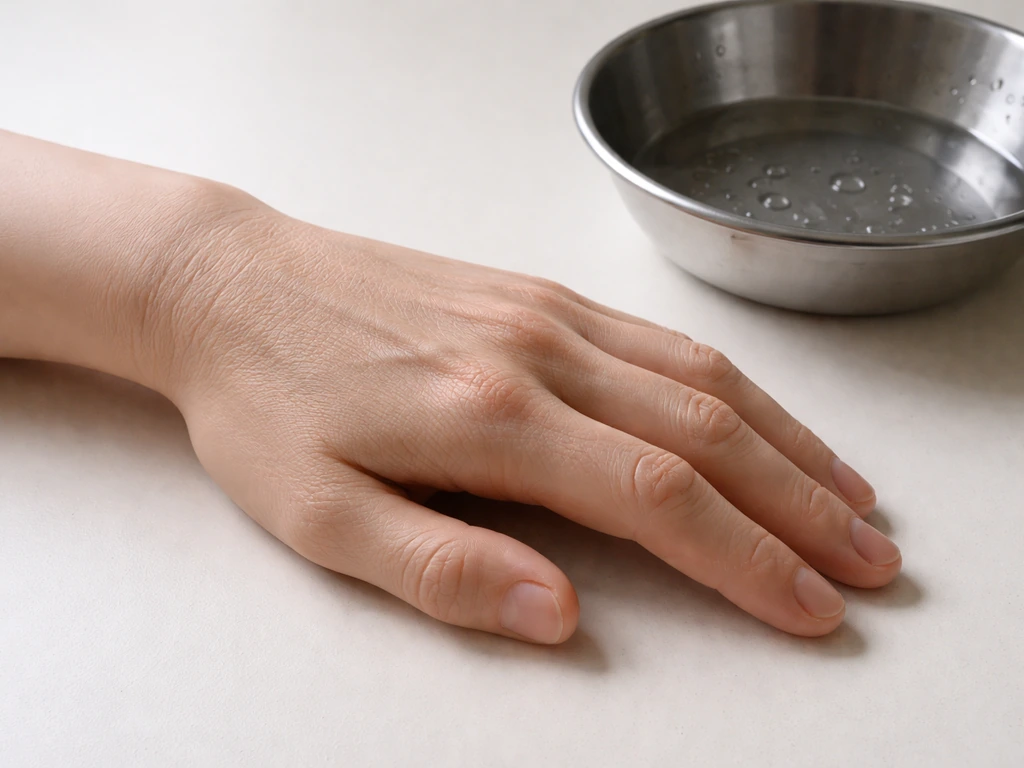
Simple water loss is responsible for the hair and nail illusion. Soft tissue contains a large amount of water, and once circulation stops, that water gradually evaporates or redistributes. The skin around nail beds and hair shafts shrinks as it dries, pulling back from the nail and hair, and exposing more of their length. The change is measurable in millimeters and is entirely a consequence of tissue volume reduction, not cell production.
Early physical changes: algor, livor, and rigor mortis
Before putrefaction dominates, three classic early postmortem changes occur. Algor mortis is body cooling, which continues for roughly 6 hours and proceeds at a rate determined by the temperature difference between the body and its environment. Livor mortis is the pooling of blood under gravity, which creates purplish discoloration on the underside of the body. Rigor mortis is temporary muscular stiffening caused by the depletion of ATP in muscle fibers, which typically begins around 2 to 6 hours after death, persists for roughly 36 hours, and then resolves as putrefaction breaks down the muscle proteins that were causing the stiffening. None of these constitute growth, but all of them do change how the body looks and feels.
What controls how much and how long these changes last
Several variables determine the rate and extent of postmortem changes. Temperature is the biggest one. Warmer environments accelerate both autolysis and putrefaction dramatically. A body in a warm, humid environment will decompose far faster than one in cold, dry conditions. Refrigeration is exactly why it is used in morgues: it slows these processes significantly. The 2025 study on donor corneas found that when corneas were stored at 4 degrees Celsius shortly after death, the corneal epithelium could remain intact for up to 48 hours, which is a dramatic extension compared to room temperature.
| Variable | Effect on postmortem changes |
|---|---|
| Temperature (warm) | Faster decomposition, more gas production, quicker swelling |
| Temperature (cold) | Slower autolysis and putrefaction; tissue preservation extended |
| Humidity (high) | Promotes bacterial growth and putrefaction |
| Humidity (low/dry) | Promotes desiccation; can slow typical decay, may cause mummification |
| Body position | Affects pattern and distribution of livor mortis |
| Burial or submersion | Alters decomposition rate and appearance; water saturation changes tissue appearance |
| Cause of death | Can affect speed and pattern of early postmortem changes |
| Insect and scavenger activity | Accelerates tissue breakdown significantly |
Humidity, burial, submersion, clothing, insulation, and even soil salinity all play measurable roles. Bodies recovered from water present different decomposition patterns than those found in open air, partly because water saturation of tissue changes how autolysis and putrefaction proceed. This variability is exactly why forensic pathologists treat postmortem interval estimation as an evidence-based process rather than a simple lookup table.
Real postmortem changes vs myths: how to tell the difference
The clearest test is this: ask whether the change requires active cell division or energy. If it does, it is not happening after death. If it is a passive physical or chemical consequence of a body no longer maintaining itself, it might be. Hair and nails appearing longer? Passive dehydration. Abdomen swelling? Passive gas accumulation. Organ enlargement from new tissue? Not happening. Skin cells proliferating in a wound? Not happening.
Some of the most persistent myths come from misinterpreting real, observable changes. Someone genuinely notices that a deceased person's stubble looks more prominent, and they conclude growth occurred. The correct interpretation is that skin retraction made existing hair shafts more visible. The same logic applies to nails. The change is real. The interpretation is wrong.
It also helps to understand that skin, hair follicles, and other tissues do not switch into some kind of autonomous mode at death. Histological studies show that skin structures undergo degenerative changes, not regenerative ones, in the days and weeks after death. Sweat gland changes, sebaceous gland breakdown, and hair follicle degeneration all follow a consistent timeline of decline. There is no window during which growth resumes or continues.
For comparison, think about whether something like a cyst or nodule could keep expanding on its own after death. Nodules grow in living tissue because cells are actively dividing and secreting material. Without living cells running that process, the expansion stops. Similarly, structures that grow in controlled biological environments, such as endometrial tissue, require living hormonal and cellular conditions. Understanding where endometriosis can grow in a living body reinforces just how dependent that kind of tissue expansion is on active hormonal signaling and viable cells, none of which persist after death.
Why growth limits matter here
One of the core ideas on this site is that growth in any biological system is constrained. Cells cannot divide indefinitely even in living organisms because of energy limits, signaling controls, and physical constraints. A useful reference point is thinking about why a sac does not grow beyond a certain point in a living system: the same regulatory signals that cap growth in life are what make death's cessation of growth so absolute. Remove the living regulation, and you do not get unregulated growth. You get no growth at all, plus the passive consequences of decomposition.
Even phenomena that look like ongoing processes after a living system shuts down are deceiving. Consider whether something like a modern remnant of a once-active system continues to show change. When you examine whether a modern remnant grows, the answer depends entirely on whether the underlying mechanism is still active. In the case of a deceased organism, the mechanism is definitively off.
Where to go next for accurate information
If you want to understand postmortem changes in more depth, the best starting points are the StatPearls entries on postmortem changes available through NCBI Bookshelf, which are peer-reviewed, regularly updated, and written for medical and forensic audiences. For the biology of why growth stops, any solid cell biology resource covering the cell cycle, mitosis, and ATP-dependent processes will give you the mechanistic grounding. If you are approaching this from a forensic angle, introductory forensic pathology texts and forensic dermatology resources cover the visual and histological timeline of postmortem changes in clear detail.
If you are a student working through a biology course and encountered this question in that context, the most productive next step is to revisit the cell cycle basics, specifically what conditions are required to move through mitosis, and what happens when ATP is depleted. That will make it immediately clear why death is not just a pause in growth but a complete cessation of the entire regulated system that makes growth possible. Understanding where polypeptides are synthesized and how that process depends on active ribosomes gives you a concrete molecular anchor for why no constructive biological work continues once cellular energy is gone.
The practical takeaway is straightforward: after death, no part of the human body truly grows. Some things appear to change in size or length due to dehydration, gas accumulation, and tissue breakdown, and those changes are real and measurable. But they are the result of passive physics and chemistry working on an inert system, not the result of cells doing what cells do when they are alive. Growth requires life. Once life ends, so does growth.
FAQ
Can hair and nails really keep growing if the body is refrigerated or stored for a while?
Usually, no. Refrigeration slows many postmortem changes, but it does not restart cell division. If you see “growth” after storage, it is typically continued dehydration (skin shrinking to expose more nail or hair), ongoing gas buildup if anaerobic conditions exist, or later decomposition effects that change appearance over time.
Why does a beard or fingernail look longer even though no new cells are made?
Some people notice length changes because tissues retract unevenly. For example, nail beds can dry and pull back at different rates than the nail plate, making the nail look longer. Later, decomposition can also loosen nails so they may look more prominent before they detach, but that is not new nail material being produced.
What causes the belly and face to look bigger after death?
Swelling after death is driven by fluid shifts and gases, not tissue growth. Putrefaction gases can distend the abdomen and other areas, and gravity can pool fluids in dependent regions. Distinguishing “enlargement from distending pressure” from true growth matters because only the former supports time-since-death estimates.
If the eyes look different within hours, does that mean they are still changing biologically in a growth-like way?
Eye changes can be fast, and they can be mistaken for “ongoing ocular development.” Corneal haziness and deterioration of the iris are measurable postmortem degenerative processes. They reflect loss of clarity and tissue breakdown over time, not regeneration.
How do we know postmortem changes are degeneration rather than growth?
It is a common misconception that “something is still happening” means growth. After death, the processes are time-limited physical chemistry and enzymatic degradation (autolysis and decomposition). The lack of ATP, signaling, and intact membranes prevents construction, so the net effect is structural breakdown and appearance changes.
Can a tumor or wound keep “growing” after death?
If a lesion or swelling seems to be “expanding,” it is usually due to fluid movement, gas, or breakdown of surrounding tissue that alters contours. It can also be influenced by prior disease, trauma, or infections present before death, which can continue to evolve after death without representing new growth.
Do postmortem changes happen at the same speed in every situation?
Yes, the timeline can shift with conditions such as temperature, humidity, submersion, clothing, and insulation. Warmer and more humid environments generally accelerate decomposition, which can make changes that look like enlargement happen sooner. This variability is why time-of-death estimation is not a simple single-number story.
What’s the simplest rule to decide whether a change is true biological growth?
A practical way to test the idea is to ask whether the change requires active energy use and cell division. If it would require ATP-driven cell cycling or regulated signaling, it cannot occur after death. If it can be explained by dehydration, gas pressure, pooling of fluids, or chemical breakdown, it is a passive postmortem consequence.
Why do hair and nails sometimes seem to move outward after death?
Sometimes. In forensic work, hair and nails can become loosened or be pushed out by gas and decomposition, so they may appear more visible before they detach or shed. That appearance change can look like “progress,” but it is still mechanical displacement and tissue retraction, not synthesis of new hair or nail.
How can I avoid misreading photos or videos of a body as evidence of growth?
If you are trying to interpret what you are seeing (for example, from videos, photos, or a memorial context), focus on whether the change is reversible-looking shrinkage (retraction) versus outward distension (pressure or fluid shift). Also consider environmental factors like temperature and whether the person was clothed or enclosed, since those strongly affect appearance timing.
Next Article
What Controls When and How Fast Cells Grow and Divide
Learn what controls cell division timing and speed: checkpoints, signals, resources, DNA damage, stress, and failure lea