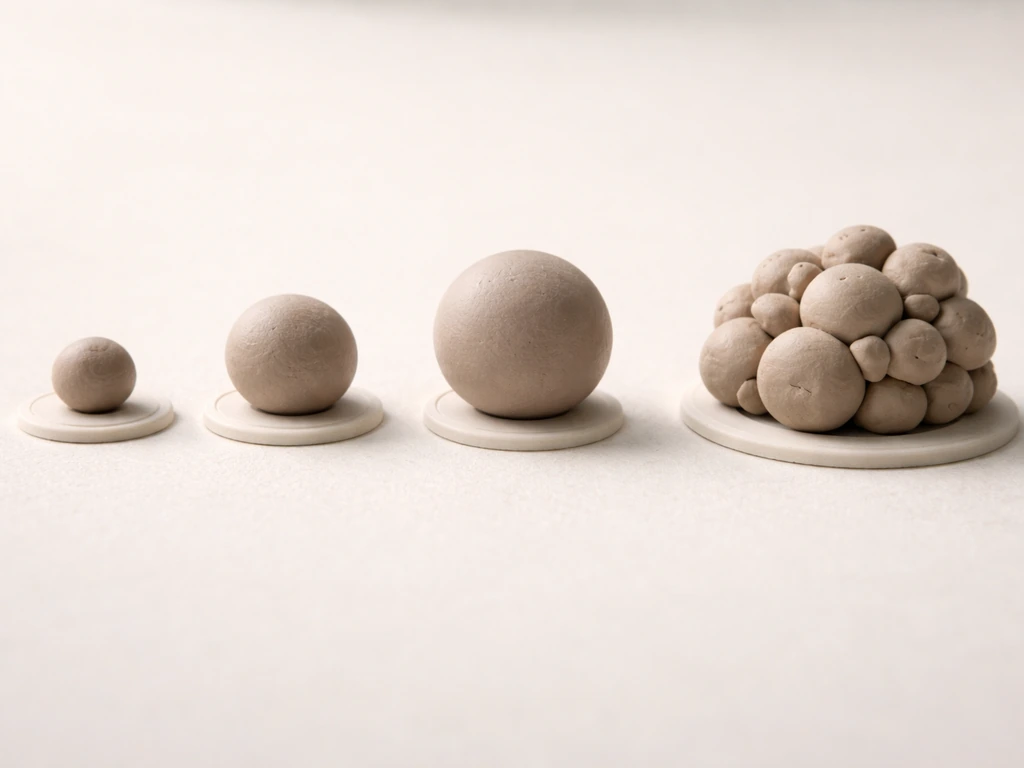
Whether a modern remnant grows depends entirely on what the remnant actually is. If it is a living biological structure, like residual ligament tissue or a surviving organism population, it can grow through cell division and metabolic activity, but only under the right conditions and within hard biological limits. If it is a non-living remnant, like a mineral deposit or crystalline formation, it can still increase in size through accretion or Ostwald ripening, but only when the chemistry of its environment drives it. The honest answer is: maybe, and here is how to find out.
Does the Modern Remnant Grow? How to Tell and Why
Marcus Whitmore
23 Apr 2026
What "modern remnant" likely means
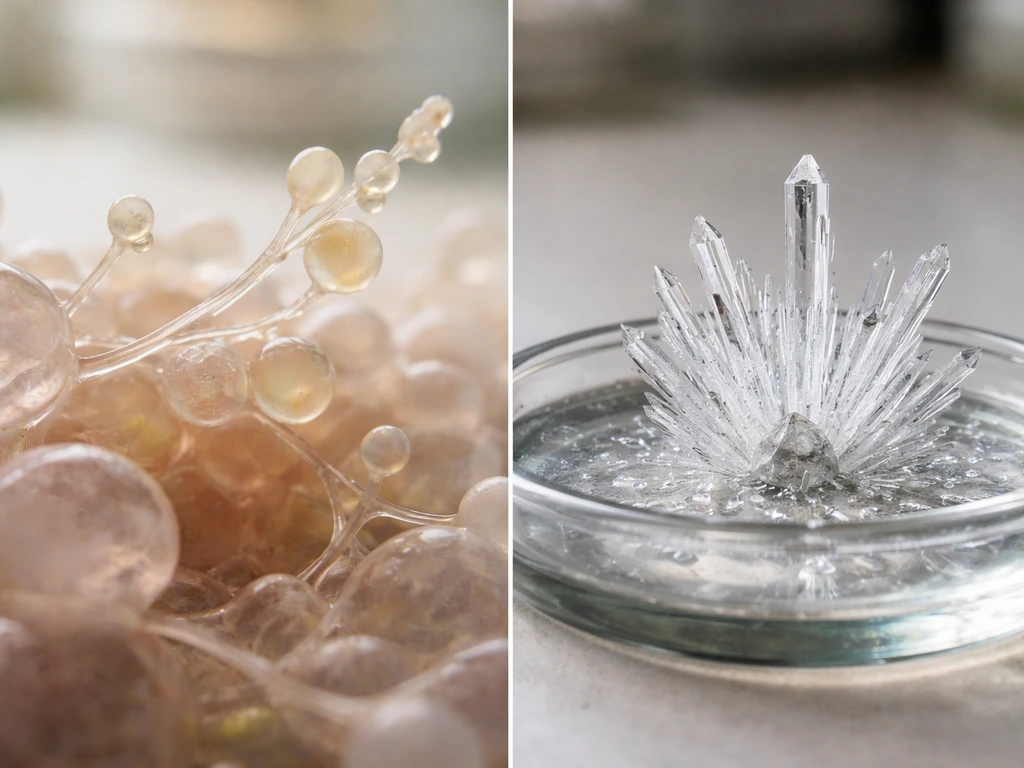
The phrase "modern remnant" gets used in very different fields, and which meaning you are working with completely changes the growth question. Here are the most common contexts you will encounter:
- Biological tissue remnant: In clinical and medical literature, a remnant is tissue left behind after injury or surgery. A classic example is the tibial ACL remnant, the residual ligament tissue that remains before reconstruction. These are studied for their biology, healing potential, and remodeling capacity, not assumed to grow unconditionally.
- Surviving organism or population: In ecology, a remnant can mean a surviving patch of habitat or a population that persists after a larger whole has been lost or reduced. Think of a remnant natural area, a fragment of native prairie surrounded by farmland.
- Single-cell or microbial lineage: A remnant colony or culture in a lab or natural setting is a biological entity that can divide, reproduce, and expand given nutrients and space.
- Non-living mineral or crystalline remnant: In geology and materials science, remnant deposits, mineral crusts, or crystalline formations can accumulate mass through chemical deposition when conditions allow.
- Religious or cultural usage: In Christian and theological writing, 'the modern remnant' often refers to a faithful subgroup believed to represent a preserved people. This is a sociological or theological concept, not a growth-mechanisms question, and is outside the scope of what we are measuring here.
Before you can answer whether a modern remnant grows, pin down which category yours falls into. A leftover tissue fragment and a crystalline deposit obey completely different growth rules, even though both can technically increase in size.
Growth vs. change vs. accretion: what you actually need to measure
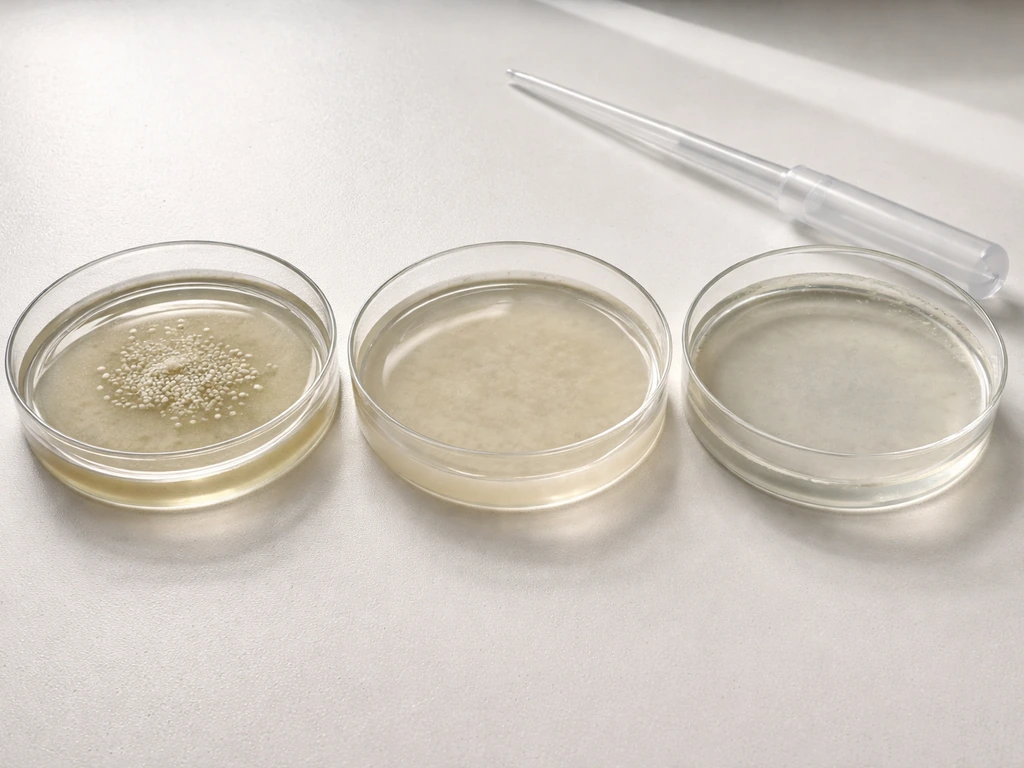
This is the most important distinction in the whole question. A remnant can look like it is growing when it is actually just changing. Swelling, rehydration, biofilm accumulation, corrosion, surface discoloration, or redistribution of existing material can all make something appear larger or different without any net increase in biomass or mass. True growth means net addition of new material, whether that is new cells, new biomass, or newly deposited mineral.
For a living remnant, net growth means an increase in cell number or biomass linked to active cellular replication. Volume expansion from metabolic swelling or osmotic changes does not count. Research on tumor growth, for example, has explicitly shown that volume increases can arise from cell swelling without actual proliferation, which is why you need replication-linked measurements rather than size measurements alone.
For a non-living remnant, net growth means mass deposition driven by supersaturation or chemical gradients, not surface film changes, recrystallization of existing material, or redistribution through Ostwald ripening. Ostwald ripening is a real and common process where smaller crystals dissolve and their material is deposited onto larger ones. The total mass in the system stays roughly the same, but individual crystals appear to grow. That is redistribution, not growth from an external source.
Mechanisms that could allow a remnant to grow
Living remnants: the biological toolkit
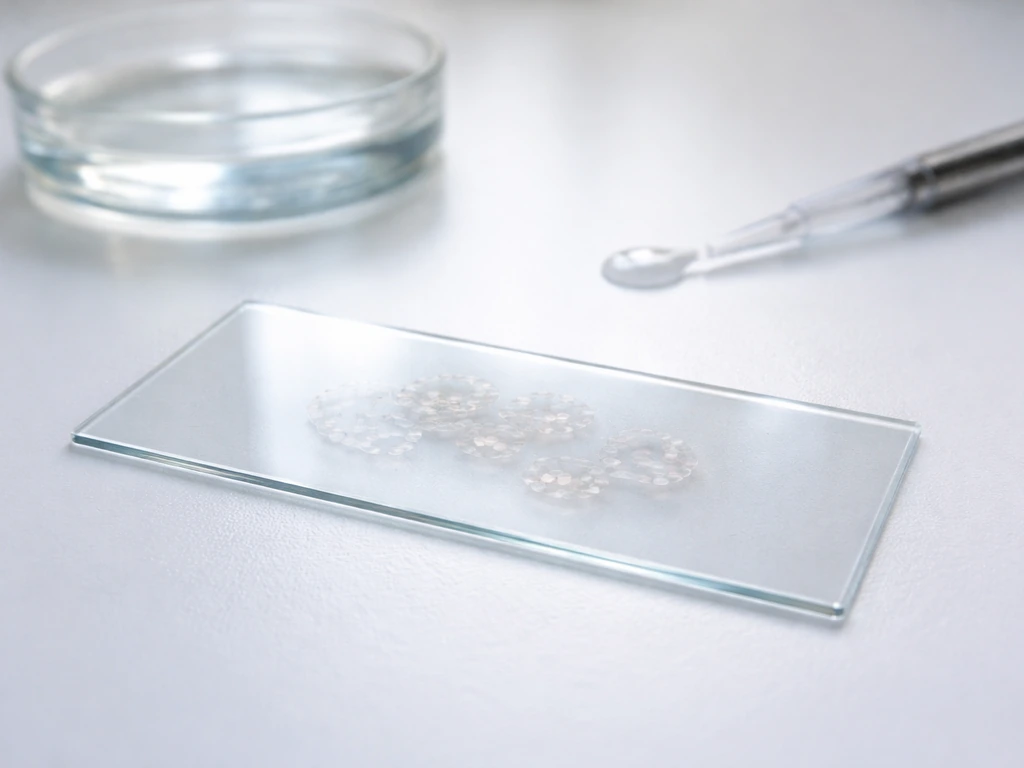
If your remnant is alive or contains living cells, four mechanisms can drive genuine growth:
- Cell division and mitosis: Cells replicate their DNA and divide, producing daughter cells that add to the total biomass. This is the core engine of biological growth. Residual tissue remnants like a ligament stump can contain fibroblasts or stem cells that retain the capacity to divide under favorable signaling conditions.
- Reproduction and colony expansion: In microbial or single-cell remnants, growth can happen through rapid reproduction. A single surviving bacterial cell in a nutrient-rich environment can produce a visible colony within hours.
- Metabolic energy supply: Growth requires ATP. Cells need glucose, oxygen, or another energy source to power DNA replication, protein synthesis, and the mechanical work of division. No energy input, no cell division, no growth.
- Nutrient uptake and resource transport: Cells need raw materials, amino acids, nucleotides, minerals, water. In larger tissue remnants, nutrient delivery depends on diffusion or vascular supply. A remnant tissue embedded in living host tissue may receive growth signals and nutrients through remodeling processes, which is exactly why remnant preservation in ACL reconstruction is studied so carefully.
Non-living remnants: physical and chemical deposition
Non-living remnants grow by completely different rules. The key driver is supersaturation: when a solution contains more dissolved material than it can hold at equilibrium, the excess deposits onto available surfaces. The rate of growth is proportional to the concentration difference between the current solution and the equilibrium concentration. Measured as d(mass)/dt proportional to (c minus ce), this gives you a direct, testable relationship: higher supersaturation means faster growth.
Crystal growth also involves a multi-step transport chain. Solute has to diffuse through the surrounding fluid, transfer to the crystal surface, and then migrate along the surface to an incorporation site. Each of those steps can be the bottleneck. Temperature, viscosity, and boundary layer thickness all influence how fast deposition can actually happen.
Geological accretion works similarly: mineral deposits grow through precipitation driven by chemical gradients, pressure changes, or temperature shifts. A remnant mineral formation in an active hydrothermal environment has a real growth pathway. The same formation sitting in dry air does not.
Why growth slows down or stops: the real constraints
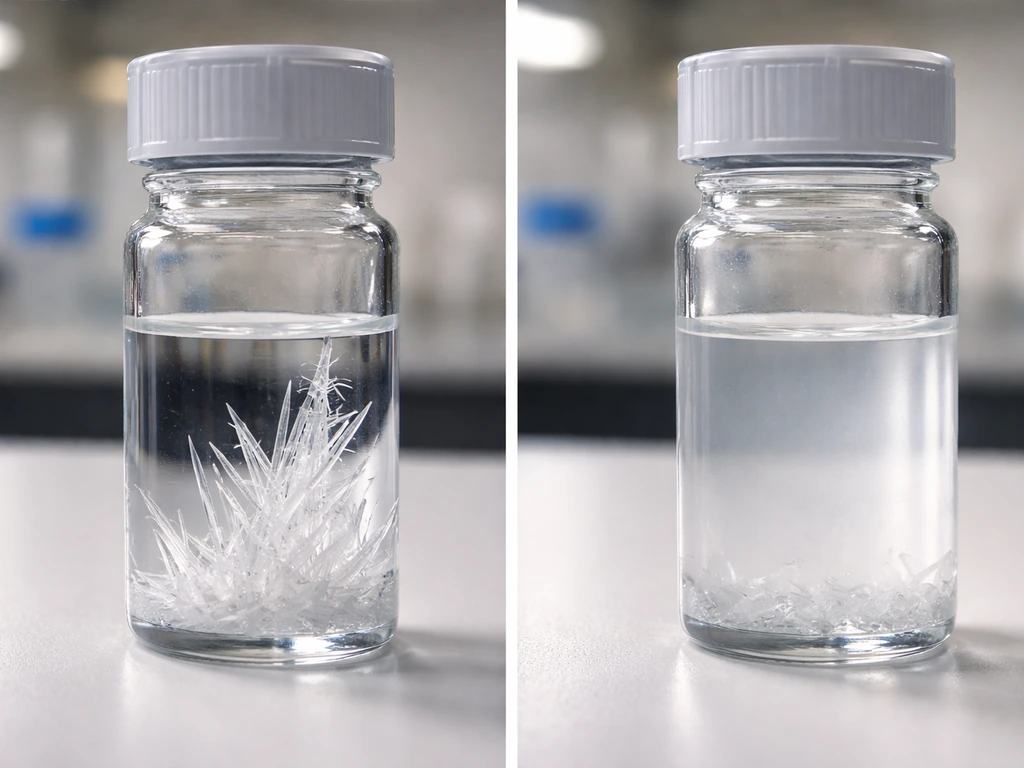
Nothing grows forever, and understanding the limits helps you predict when and why a remnant's growth will plateau or stop entirely.
| Constraint type | In living remnants | In non-living remnants |
|---|---|---|
| Energy/fuel limit | No glucose or oxygen, no ATP, no division | No supersaturation, no driving force for deposition |
| Nutrient/material limit | Amino acids, minerals, water must be available | Solute concentration must exceed equilibrium threshold |
| Space limit | Contact inhibition, pressure from surrounding tissue, limited extracellular space | Physical boundaries, surface area reduction as crystal grows |
| Transport limit | Diffusion distance limits cells >200 micrometers from a blood vessel | Diffusion-limited mass transfer caps growth rate even under high supersaturation |
| Signal/chemical limit | Loss of growth factors, apoptotic signals, immune clearance | Approach to equilibrium concentration (c approaching ce) brings growth to near zero |
In practice, the transport limit is often the sneaky one. A living tissue remnant can have plenty of nutrients nearby but still not grow if those nutrients cannot reach the interior cells fast enough. Diffusion alone only works reliably across very short distances, roughly 200 micrometers in tissue, which is why larger structures need blood vessels.
For a living polypeptide remnant, growth or replication typically depends on what site provides access to nutrients and replication-supporting conditions, such as blood vessels delivering resources to cells. If you are specifically asking how pulses grow, the key is determining whether you are seeing true net replication or just changes like swelling and redistribution growth or replication.
For crystals, the diffusion-to-capture model shows that even in supersaturated conditions there is a measurable speed limit on how fast material can arrive at the surface.
How to test whether growth is actually happening
For a living remnant
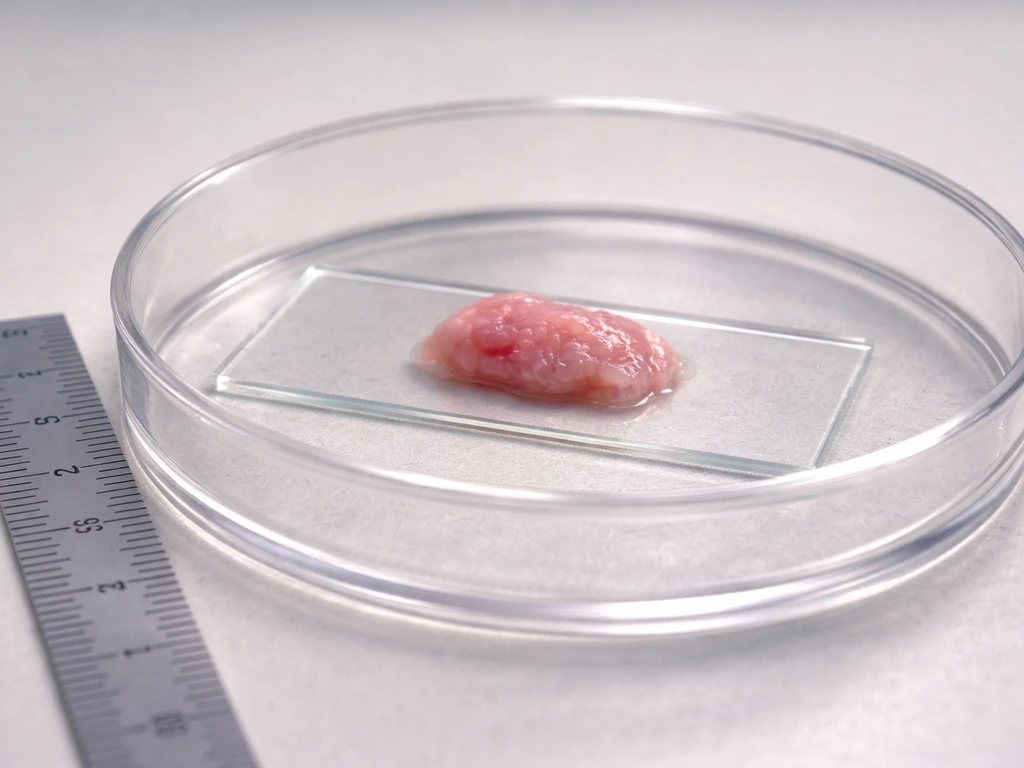
Start with the most direct indicator available. If you can access the tissue, Ki-67 staining identifies cells actively cycling through the cell cycle, and the Ki-67 proliferation index tells you what fraction of cells are proliferating rather than just sitting there. Abcam’s cell proliferation guide notes that Ki-67 is expressed during the G1/S/G2/M phases and is absent in G0, supporting its use as an IHC proliferation readout Ki-67 staining identifies cells actively cycling through the cell cycle. EdU incorporation goes one step further: it is a thymidine analog that gets incorporated directly into newly synthesized DNA during replication, so a positive EdU signal is hard evidence of active cell division happening right now.
If laboratory methods are not available, use time-series measurements. Photograph or measure the remnant at consistent intervals under consistent lighting and orientation. Track dry mass if possible, not wet volume, because wet volume includes water content that fluctuates without any real biomass change. For biofilm or microbial remnants specifically, drying the sample at a constant oven temperature until a stable weight is reached gives you a direct biomass measurement that strips out all the water-content noise.
For a non-living remnant
Measure the crystal or mineral deposit directly at regular intervals using calipers or photographic reference scales. More importantly, test the surrounding solution for supersaturation. If the concentration of dissolved material in the surrounding fluid is at or below equilibrium concentration, growth cannot happen regardless of what the surface looks like. If supersaturation is present, you have the driving force and growth is physically possible.
Watch for the Ostwald ripening signature: if some smaller features in the system are shrinking while larger ones grow, the system is redistributing existing mass rather than adding new material from an external source. Total mass in the system stays roughly constant even as individual crystals change size.
Common misconceptions and tricky edge cases
Dead tissue does not grow in the conventional biological sense because it has no active metabolism to power cell division. However, dead organic remnants can still change in appearance through decomposition, desiccation, swelling from rehydration, or colonization by living microorganisms. That colonization by a biofilm or fungal growth is growth, but it is growth of a new organism on the remnant, not growth of the remnant itself. This is a genuinely common false positive.
Recrystallization is another false positive for mineral remnants. When temperature or humidity cycles cause a crystalline remnant to partially dissolve and reform, the visible structure can change dramatically without any net increase in mass. What looks like a new crystal face or enlarged crystal is just the same material rearranged. This relates closely to the broader topic of what continues to grow after something is dead or dormant: the remnant may appear active while the underlying material is simply cycling between dissolved and solid states.
Tissue remodeling in biological remnants is also frequently confused with growth. A ligament remnant undergoing remodeling is reorganizing its collagen structure and cellular composition, which can change its mechanical properties and even its apparent thickness. That remodeling may or may not be accompanied by net new cell proliferation. The histological and immunohistochemical characterization of remnant tissue, as done in ACL research, specifically distinguishes these two things rather than treating them as equivalent.
One more edge case worth flagging: ecological remnants, like surviving habitat patches, do not grow in the biological sense of adding biomass to a single organism. Whether do nodules grow can be determined by checking whether there is true net growth versus change, like swelling or redistribution. Whether “why sac does not grow” is a growth-mechanism question or a change-and-redistribution illusion depends on checking whether there is true net growth versus change, like swelling or redistribution do nodules grow. The individual organisms within the patch grow normally, but the remnant as a landscape feature only expands if land is actively added, which is a management or restoration question rather than a growth-mechanisms question.
What to gather before you can answer confidently
If you still are not sure whether your modern remnant grows, collect these specifics before drawing a conclusion: If your question is really about where endometriosis can grow, the next step is to check which tissues are commonly affected and what patterns doctors look for where can endo grow.
- Identity: What exactly is the remnant? Tissue, organism, mineral deposit, colony, or something else? Name it precisely.
- Living or non-living status: Is there active metabolism happening? Can you detect respiration, heat production, or chemical byproducts of cellular activity?
- Environmental conditions: What is the remnant sitting in or surrounded by? Temperature, humidity, nutrient availability, solute concentration, oxygen levels, and pH all determine whether growth is even possible.
- Baseline measurements: What does it measure right now, in dry mass or a consistent linear dimension? Without a baseline you cannot detect change.
- Time-series data: Has anyone measured it at two or more time points? Even rough measurements over days or weeks can tell you whether size is stable, increasing, or decreasing.
- Confounders to rule out: Is there visible swelling, surface film, biofilm, discoloration, or crumbling that could fake a size change? Document these separately from structural growth.
- Mechanism plausibility check: Are the conditions needed for the relevant growth mechanism actually present? Nutrients and energy for a living remnant, supersaturation for a mineral one.
Once you have those details, the question of whether the modern remnant grows becomes a testable, answerable one rather than a guess. You will know which growth mechanism to look for, which measurements to make, and which confounders to rule out. The biology and physics are clear: growth has specific requirements, leaves specific signatures, and hits specific limits. Match your remnant to the right framework and you will have your answer.
FAQ
How can I tell the difference between true growth and “bigger-looking” change in a living remnant?
Look for replication-linked evidence, not just size. Use markers of cycling cells (for example, Ki-67 or EdU) and pair them with net biomass measures, ideally dry mass or DNA/protein quantification, because swelling from osmotic shifts can increase volume without increasing cell number.
Does swelling or rehydration count as growth of a living remnant?
No. Volume changes driven by water uptake, metabolic swelling, or osmotic effects are not net growth because they add water rather than new cells or new biomass. If possible, normalize to dry weight or measure cell-cycle activity to confirm true proliferation.
If a crystal remnant’s surface area increases, does that automatically mean it grew by adding mass?
Not necessarily. Surface area can increase through reshaping, cracking, or recrystallization that redistributes existing material. To confirm mass-driven growth, test the surrounding solution for supersaturation and track total mass (or a reliable proxy) over time, not only shape metrics.
How do I distinguish Ostwald ripening from external mass deposition in non-living remnants?
Track individual features and the total system mass. If small crystals shrink while larger ones grow, with little or no net increase in total mass, that pattern strongly indicates redistribution (Ostwald ripening). If total mass increases in the closed system or correlates with solute removal from the environment, that supports deposition from a driving source.
What if I cannot measure concentrations in the surrounding fluid for a crystal or mineral remnant?
You can still estimate driving force indirectly by sampling and comparing solute levels before and after, or by monitoring the stability window (whether the fluid is undersaturated, saturated, or supersaturated) using equilibrium calculations with temperature and composition. Without supersaturation, growth is physically unlikely even if crystals look more developed.
Can a remnant “start growing” and then stop, even if conditions seem favorable?
Yes, because transport and microenvironment limits can shift. For living remnants, nutrient diffusion limits and vessel access can cap growth. For crystals, diffusion through the boundary layer, viscosity, and temperature changes can become the bottleneck, causing growth to plateau despite ongoing chemical driving forces.
Why might a living remnant show increased cell death or necrosis while appearing larger?
Apparent enlargement can come from edema, inflammation-related fluid accumulation, or necrotic tissue swelling. To avoid a false interpretation, pair any size change with proliferation and viability readouts, so you know whether biomass is increasing via replication or only swelling from injury.
Do dead tissue remnants grow through decomposition?
They do not grow as the original tissue via metabolism, but their mass and structure can still change due to decomposition, desiccation, and rehydration. A key false positive is colonization by microorganisms, where new organism growth occurs on the remnant rather than replication of the remnant’s original cells.
How do I avoid confusing remodeling with growth in tissue remnants?
Remodeling can reorganize collagen and alter apparent thickness or mechanics without net proliferation. Use histology and immunohistochemistry that separate proliferation from structural reorganization, and rely on net biomass or replication markers to decide whether growth occurred.
For biofilm-like remnants, what measurement best supports the claim of net growth?
Use stable dry weight after drying at a controlled temperature until the weight stops changing. Wet mass and thickness can mislead because water content, extracellular matrix changes, and rehydration can alter appearance without net increase in biomass.
What time-series interval is appropriate to detect growth reliably?
Use intervals long enough to exceed measurement noise and short enough to capture early dynamics. A practical approach is a pilot run with frequent measurements initially, then increase spacing once you see whether metrics change more than the error bars. Consistent lighting and orientation are essential for image-based tracking.
If I’m unsure which category of “modern remnant” applies, what quick checklist should I use?
Ask whether there are living cells present and, if so, whether replication evidence is detectable. If it is non-living, check whether the surrounding environment can provide excess dissolved material (supersaturation) and whether total mass changes correlate with environmental solute changes. That pairing usually resolves the ambiguity.
Next Article
Do Nodules Grow? What Drives Size and Number Changes
Do nodules grow? Learn what drives size and number changes, limits, and a practical checklist to spot likely causes.