Yes, nodules can and do grow, but whether yours is growing, how fast, and what that means depends almost entirely on what kind of nodule you are dealing with. A lung nodule, a plant root nodule, and a mineral concretion in rock all get called "nodules," yet they follow completely different growth rules. The short answer: biological tissue nodules can grow through cell division and material recruitment, plant nodules grow via hormone-driven tissue expansion or symbiotic bacterial colonization, and geological nodules grow by slow mineral precipitation over thousands to millions of years. Getting clear on which category you are in is the first and most important step.
Do Nodules Grow? What Drives Size and Number Changes
Marcus Whitmore
17 Apr 2026
What "nodule" actually means, and why growth varies so much by type
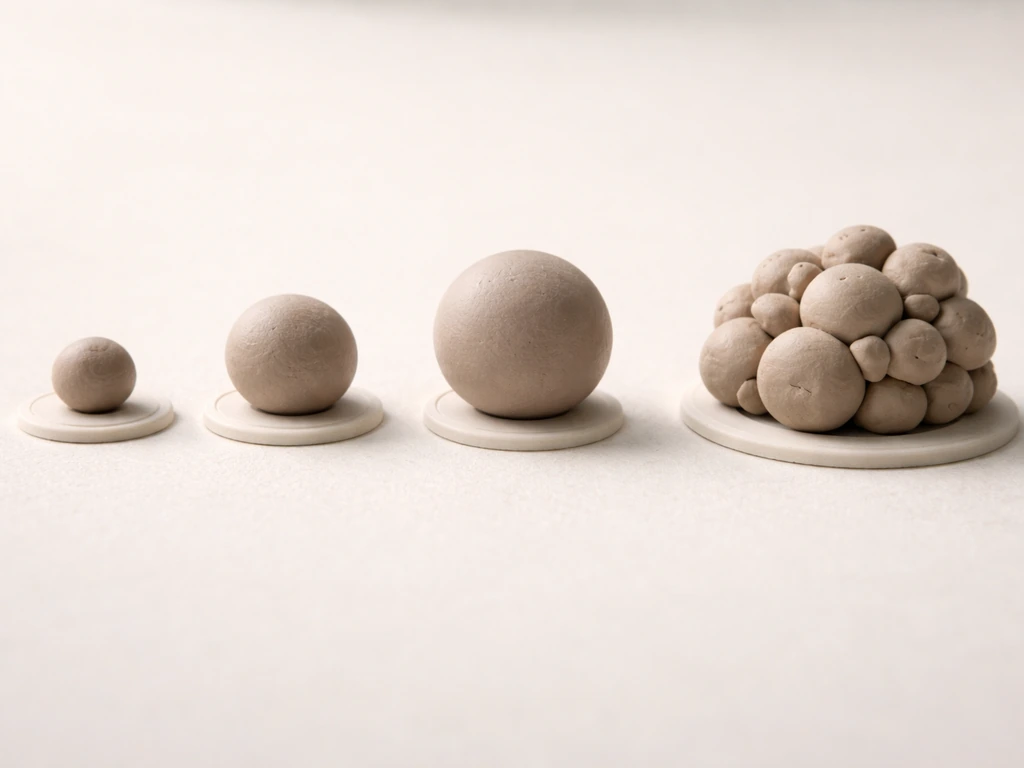
In medicine, a nodule is simply a small, localized, rounded mass of tissue. In the lung, for example, radiologists use the word specifically for focal opacities smaller than 3 cm. Anything bigger gets called a mass. In botany, nodules show up on legume roots as sites of symbiotic nitrogen fixation, or as gall-like outgrowths triggered by insects or pathogens. In geology, the word overlaps with "concretion," meaning a hard mineral lump that built up in layers around a nucleus in sediment.
These three categories differ not just in what they are made of, but in the mechanism that drives their growth. A tissue nodule can recruit new cells by proliferative signaling. A legume root nodule grows under tight biological regulation tied to nitrogen availability. A mineral concretion just adds one thin chemical layer at a time, with no cells involved at all. Lumping them together and asking "do nodules grow?" is a bit like asking "do round things float?" You need more context first.
How nodules actually grow: the mechanisms behind the size change
Cell division and abnormal proliferation
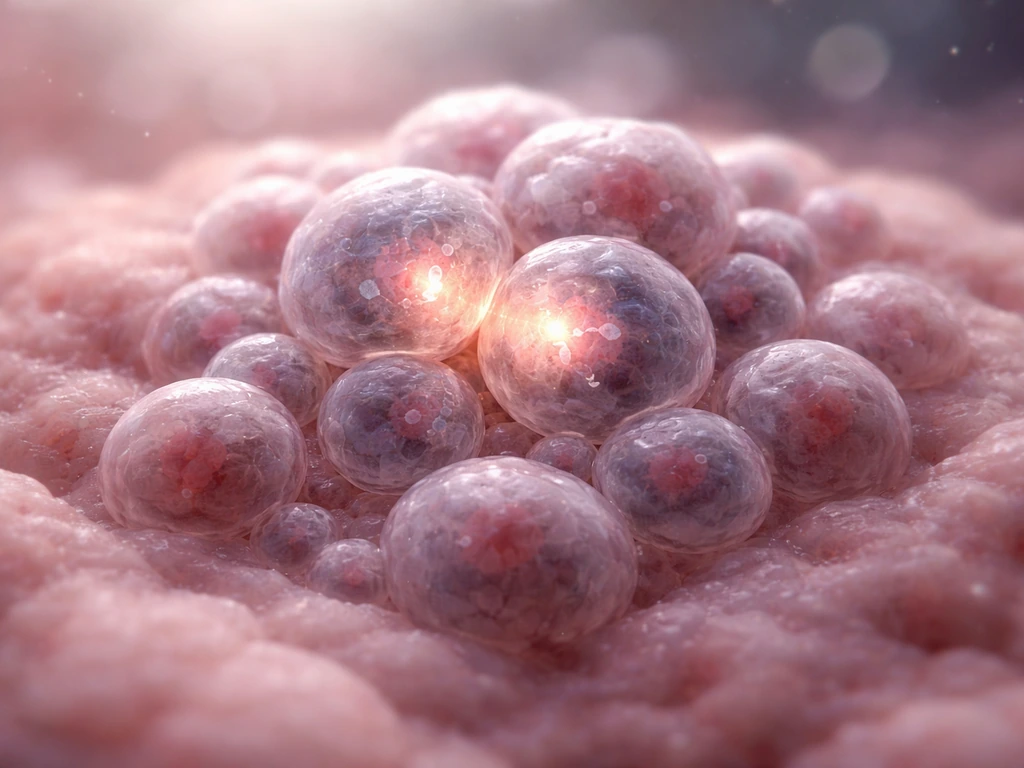
For biological tissue nodules, the core driver of growth is cell division. The National Cancer Institute defines a neoplasm as an abnormal mass of tissue that forms when cells grow and divide more than they should, or do not die when they should. This is the fundamental engine: more cell births than cell deaths equals a net increase in volume. Benign nodules may grow quite large through this mechanism without invading nearby tissue, while malignant nodules can use the same engine but also recruit surrounding structures. Understanding this difference matters a lot, because it means growth alone does not tell you whether a nodule is dangerous.
At the molecular level, tumor-like growths sustain proliferative signaling, evade normal growth-suppression signals, and resist programmed cell death. These are well-documented hallmarks that explain why some nodules keep growing while others plateau. Think of it like a thermostat that has been wired to always call for heat: without the off signal, division keeps going.
Recruiting a blood supply and remodeling the local environment
A nodule bigger than about 1 to 2 mm cannot survive on passive oxygen diffusion alone. Once it crosses that threshold, it needs a blood supply. The key trigger is hypoxia: low oxygen inside the growing mass activates a protein called HIF-1 (hypoxia-inducible factor 1), which switches on the gene for VEGF, a signaling molecule that recruits new blood vessels. More vessels mean more oxygen and nutrients, which enable more growth. This creates a self-reinforcing cycle: growth causes hypoxia, hypoxia triggers angiogenesis, angiogenesis enables further growth.
The surrounding tissue, called the extracellular matrix, also plays a role. Its breakdown by enzymes increases the physical space available and changes the signaling environment, making it easier for nodule cells to expand outward. This ECM remodeling is a key part of why some nodules seem to accelerate once they reach a certain size.
Hormones and signals in plant nodules
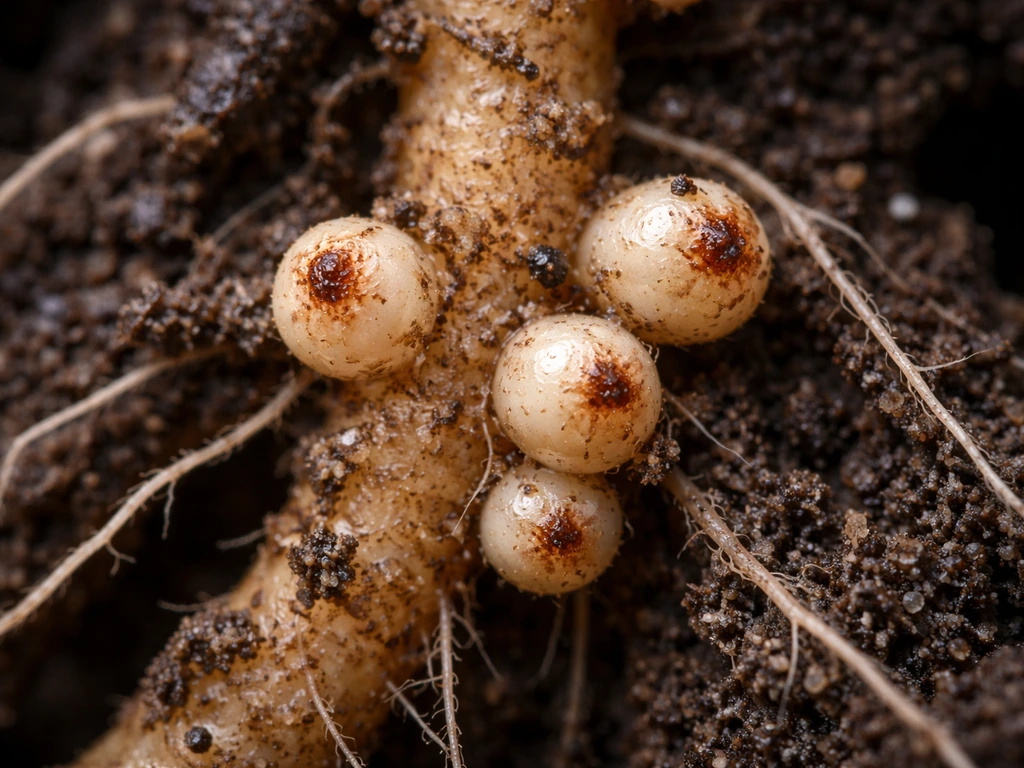
Plant nodules grow through a different playbook. In legumes, root nodules form when soil bacteria (rhizobia) infect root cells and trigger localized tissue expansion. The bacteria stay inside infection threads rather than freely invading plant cells, and the nodule's size is tightly regulated by oxygen supply, controlled via a protein called leghemoglobin that ferries oxygen to the bacteria at precisely the right concentration. This is nothing like uncontrolled tumor growth. For gall-type nodules on plants, the growth engine is hormonal: insect feeding or egg-laying injects plant growth regulators, particularly auxin and cytokinin, which hijack normal developmental signals and push surrounding cells into abnormal division. Experimental work has confirmed that delivering just auxin plus cytokinin together with a small signaling peptide is enough to induce gall-like tissue expansion artificially.
Layer-by-layer mineral accretion
Geological concretions grow through a completely passive process: dissolved minerals in groundwater precipitate out around a nucleus, adding concentric layers over time. There are no cells, no hormones, no signaling cascades. The rate is extremely slow, on the order of atomic layers per year. Some mineral crystals have been estimated to take tens of millions of years to reach just a couple of centimeters in size. So yes, geological nodules grow, but "growth" here is just chemistry operating on geological timescales.
Conditions that push nodules to grow
Whatever type of nodule you are dealing with, growth is not automatic. It responds to local conditions. Here is what actually promotes it:
- Nutrients and energy supply: cells need raw materials to divide. A well-vascularized, nutrient-rich environment accelerates tissue nodule growth. For plant nodules, soil nitrogen and phosphate levels affect how vigorously the symbiotic nodules develop.
- Inflammation and immune signals: inflammatory cytokines like TNF-alpha, IL-6, and IFN-gamma activate intracellular pathways including NF-kB and STAT3 that can simultaneously promote and (in some contexts) suppress nodule growth. Chronic inflammation tends to be a net driver of tissue proliferation.
- Hypoxia: low oxygen inside a growing mass flips on the HIF-1 / VEGF axis described above, effectively signaling the nodule to build its own blood supply and keep growing.
- Mechanical stress: physical pressure on a nodule, or the mechanical properties of surrounding tissue, can influence whether cells inside divide or arrest. Stiffer environments tend to promote more invasive behavior in malignant nodules.
- Immune suppression: a weakened immune system removes one of the key external checks on abnormal cell proliferation, which is one reason immunocompromised individuals face higher risks from certain nodule types.
- Hormonal signaling (plants): the presence of auxin and cytokinin, whether from insect injection or pathogen infection, is the direct trigger for gall and nodule-like outgrowths in plant tissue.
- Mineral availability (geology): for concretions, the concentration of dissolved minerals in surrounding groundwater and the permeability of the host rock control how fast layers precipitate.
Why nodule growth is not unlimited
If conditions for growth are so favorable, why do nodules not just keep expanding forever? The answer is that multiple feedback mechanisms and physical constraints push back against unlimited expansion. This is actually a central principle of how growth works across all biological systems. Think of it like wondering why a sac does not grow indefinitely past a certain boundary: there are internal pressure limits and resource ceilings that impose a natural cap.
For tissue nodules, the body produces endogenous inhibitors of angiogenesis including molecules called tumstatin, endostatin, and thrombospondin-1. These proteins act like internal brakes on the blood-vessel formation that growing nodules depend on. Without adequate vascularization, a nodule starves. In benign nodules, these brakes tend to be functional. In malignant nodules, they can be overwhelmed or circumvented, which is part of why cancer keeps growing.
Physical constraints also matter. Surrounding tissue creates mechanical resistance. As a nodule compresses adjacent structures, pressure can inhibit further division. For plant root nodules, an oxygen diffusion barrier and the regulatory systems controlling leghemoglobin concentration impose strict limits on how large and metabolically active the nodule can become. For geological concretions, the rate of growth is ultimately limited by how fast minerals diffuse through porous rock, which is extremely slow.
There is also the question of cell death competing with cell division. In healthy tissue, a precise balance between these two keeps things stable. When that balance is disrupted, nodules form and grow. Restoring it, whether through immune clearance, loss of nutrient supply, or therapeutic intervention, can shrink or stabilize them.
How to tell if a nodule is growing in practice
The most reliable way to detect nodule growth is to measure it repeatedly over time and look for a consistent change. For lung nodules, radiologists use the concept of volume doubling time: solid malignant nodules typically double in volume within roughly 100 to 400 days (with one study reporting a median of about 177 days for malignant versus 396 days for benign), while infectious nodules can change much faster and some slow-growing subtypes can take years. In the NELSON trial analysis summarized by Radiology (RSNA), volume doubling times (VDT) greater than 600 days were associated with a low 2-year lung cancer probability (~0.8%), while VDT 400, 600 days corresponded to ~4% and VDT ≤400 days to ~9.9% blank" rel="noopener noreferrer">volume doubling time and how quickly nodules grow. In a follow-up CT study of malignant solitary pulmonary nodules, the authors evaluate mass growth rate and doubling time, noting that stability for about 2 years generally suggests benignity and that malignant nodules tend to have shorter doubling times than other subtypes blank" rel="noopener noreferrer">For lung nodules, radiologists use the concept of volume doubling time. In fact, a solid pulmonary nodule that remains stable for two or more years is considered strong presumptive evidence of a benign cause, because malignant solid nodules almost always show measurable change within that window.
For non-pulmonary situations, the practical monitoring approach looks similar. You are watching for change in size, change in shape or borders, change in color or texture (for skin nodules), and any new symptoms like tenderness, bleeding, or discharge. The CDC and American Cancer Society both highlight a new growth, a change in an existing growth, sores that do not heal, and changes in color or appearance as the key observable warning signs for skin-based nodule changes.
For plant nodules, you are watching for whether a gall or outgrowth is continuing to expand during the growing season, becoming more numerous, or spreading to new tissue. For geological concretions, growth is essentially undetectable on a human timescale unless you are measuring with extremely precise instruments over very long periods.
A practical checklist for monitoring
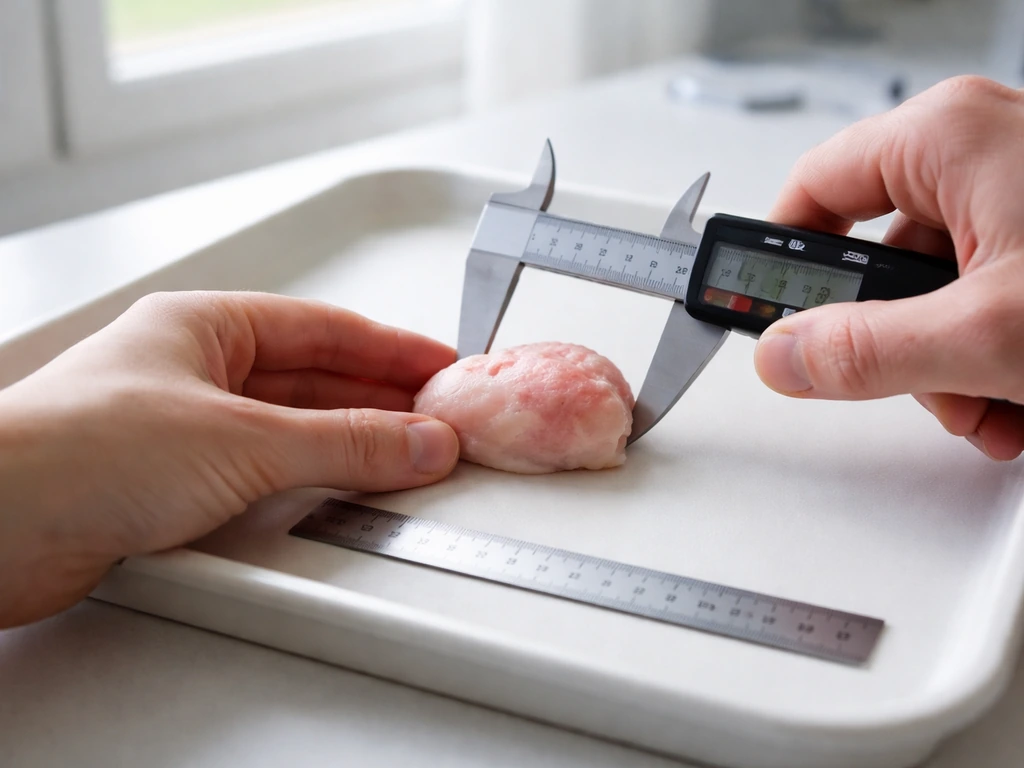
- Record the baseline size as precisely as possible (photograph with a ruler, or get an imaging measurement if in living tissue).
- Set a consistent re-check interval. For biological tissue nodules in a clinical context, follow whatever guideline-based interval applies. For skin nodules you can observe directly, monthly self-checks are a reasonable starting point.
- Note any changes in the local environment: new exposure, trauma, infection, changes in immune status, or medication changes.
- Track whether symptoms are appearing or worsening: pain, bleeding, restricted movement near the nodule.
- For plant nodules, document whether the growth is expanding in diameter, whether new outgrowths are appearing nearby, and whether the plant shows signs of stress.
- If the nodule is in living tissue and has measurably increased in size, developed irregular features, or produced new symptoms, escalate to professional evaluation.
When nodule growth is a red flag and what to do next
Not all nodule growth is alarming, but some patterns should push you toward professional evaluation sooner rather than later. In living tissue, the concern is whether the growth pattern and characteristics are consistent with a benign process or whether they suggest something that needs further investigation. This is not about diagnosing yourself; it is about knowing when to escalate.
For lung nodules specifically, if a nodule is detected by imaging, the current approach is guideline-based follow-up imaging at specified intervals. A nodule that is stable for two years is considered very likely benign. One that has grown or shows features like irregular borders or ground-glass components warrants faster follow-up or further testing. Your clinician will use size, density, growth rate, and risk factors to decide the pathway.
For skin nodules, the practical red flags are the ones you can observe directly: a nodule that has clearly increased in size over weeks to a few months, one that has developed an irregular border or color variation, one that bleeds or crusts without healing, or one that appeared suddenly in a person with a suppressed immune system. These are the patterns that warrant prompt medical attention, not because they are certainly malignant, but because the biology of fast-changing nodules in living tissue carries enough risk to merit professional eyes.
It is also worth noting that some forms of growth in unexpected places raise their own questions, much like exploring what continues to grow after death in living systems: certain tissues that were thought inert can still show change under specific conditions, which is a reminder that "stable" should always be confirmed rather than assumed.
- Seek prompt evaluation if a tissue nodule has grown measurably in weeks to a few months.
- Seek evaluation if a skin or visible nodule has changed color, developed irregular borders, or started bleeding.
- Follow imaging-based guidelines for pulmonary nodules (your clinician will manage the interval).
- Do not wait out a nodule that is producing new symptoms like pain, numbness, or functional restriction.
- If you have a suppressed immune system, lower your threshold for getting any new or changing nodule evaluated sooner.
Living vs non-living nodules: comparing the three main types
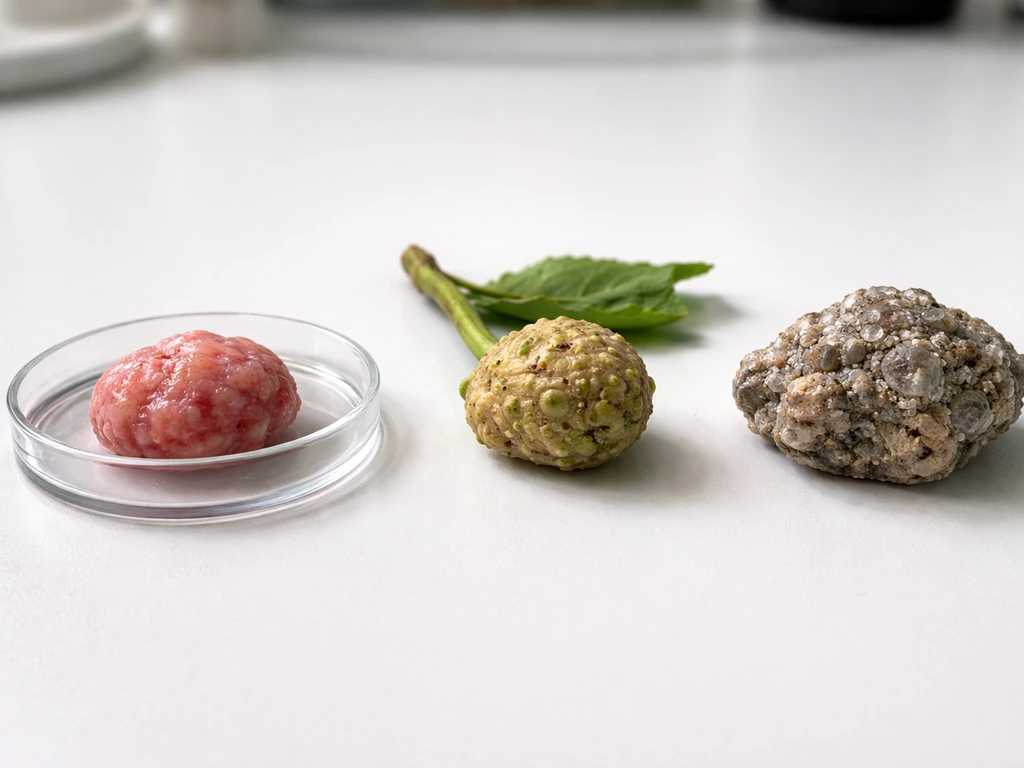
To make the comparison concrete, here is how tissue nodules, plant nodules, and mineral concretions stack up across the features that matter most for understanding growth.
| Feature | Biological Tissue Nodule | Plant Nodule / Gall | Mineral Concretion |
|---|---|---|---|
| Growth mechanism | Cell division, angiogenesis, ECM remodeling | Cell division driven by hormone signals (auxin, cytokinin) or bacterial colonization | Layer-by-layer mineral precipitation around a nucleus |
| Growth rate | Days to years depending on type (benign vs malignant) | Weeks to months during growing season | Geological timescales (thousands to millions of years) |
| Key growth triggers | Proliferative signaling, hypoxia, inflammation, immune suppression | Insect feeding, pathogen infection, phytohormone injection | Mineral saturation in groundwater, host rock permeability |
| Growth limits | Endogenous angiogenesis inhibitors, immune clearance, physical pressure, nutrient depletion | Oxygen diffusion barrier, leghemoglobin regulation, plant immune response | Mineral availability, diffusion rate through rock |
| Can it shrink? | Yes, through immune response, nutrient loss, or treatment | Yes, if the causal agent is removed or plant defenses respond | Extremely rare, only through chemical dissolution over very long periods |
| Monitoring method | Imaging (CT, MRI, ultrasound), clinical exam | Visual observation, plant health assessment | Not observable on human timescales without instruments |
The contrast is stark. A malignant tissue nodule can double in volume in as little as 100 days under the right conditions. A mineral concretion might add a few atomic layers in that same time. Plant nodules fall between: they respond to living signals and can grow perceptibly within a season, but they are regulated in ways that biological tissue nodules are often not.
Connecting nodule growth to broader growth biology
What makes nodule biology genuinely interesting from a growth-science perspective is how it illustrates the same principles that show up everywhere in living systems. The signaling cascades that drive a lung nodule's growth are closely related to those that coordinate normal tissue repair. The hormonal mechanisms behind plant galls are versions of the same auxin and cytokinin signals that control how pulses grow their edible seeds. Even the oxygen-management strategies in legume root nodules echo the oxygen-sensing mechanisms in animal cells.
It is also worth thinking about where the growth machinery is physically located. In cells, protein synthesis is where the action starts, and if you are curious about the mechanics of that process, the question of what site the polypeptide grows on during translation is directly relevant to understanding how cells build the signaling proteins that drive nodule expansion. Without ribosomes producing those proteins, none of the growth cascades described here would function.
There are also parallels in how growth limits work. Whether you are looking at a tissue nodule hitting its vascular ceiling or a plant nodule constrained by its oxygen barrier, the underlying logic is the same: growth expands until it runs into a resource or structural limit. This principle also helps explain whether the modern remnant can keep growing under changed conditions, since organisms and tissues that have lost their original regulatory context can sometimes resume expansion when constraints are relaxed.
Endometriosis offers another instructive comparison here. The question of where endo can grow illustrates how displaced tissue with the right signaling context can establish itself and expand in sites far from its origin, reinforcing the point that location alone does not determine a nodule's growth potential. What matters is the local biochemical environment.
So when you ask whether nodules grow, the real answer is: yes, under the right conditions, all of these very different structures can increase in size, but each one is running on a completely different operating system. Knowing which system you are dealing with tells you everything about the rate, the risk, and what to do next.
FAQ
How can I tell if a lung nodule’s size change is real versus measurement variation?
Ask what measurement method was used (slice thickness, technique, and whether the same scanner/protocol was used), and compare the radiologist’s reported “solid” versus “ground-glass” portions. Small apparent changes can happen even when the true nodule is stable, so clinicians focus on consistent interval change, not one-off differences.
If a lung nodule is stable for two years, does that mean it can’t grow later?
Two-year stability strongly supports a benign cause, but it is not a guarantee. Risk changes with your age, smoking history, and any new symptoms, so follow the schedule your clinician sets rather than assuming “case closed.”
Can an infectious lung nodule look like cancer because it grows?
Yes. Some infections and inflammatory processes can enlarge quickly and then shrink, and some imaging patterns overlap. The decision is based on the overall pattern, speed, symptom context, and sometimes follow-up imaging sooner than for presumed benign nodules.
Do “nodules” on skin always behave like tumor growth?
No. Skin nodules can enlarge from inflammation, cysts, keratin plugs, or persistent infection. A key distinction is behavior over time, tenderness, drainage, and healing tendency, so a nodule that keeps growing or repeatedly re-fills warrants prompt evaluation even if it is not painful.
Why might a benign tissue nodule still grow in volume?
Even non-malignant masses can enlarge if growth-supporting signals outweigh cell death for a period, or if local blood-vessel or inflammatory conditions temporarily improve. That is why growth rate alone cannot determine danger, clinicians also look at margins, density/consistency, and related features.
What does “growth” mean for nodules that change shape instead of size?
Clinicians often treat change in shape, borders, and internal texture as meaningful even when “size” looks similar. For example, a nodule’s edges may become more irregular, or the composition may shift (solid versus partially solid), which can trigger a different follow-up plan.
For plant gall or root nodules, is it possible to stop growth once it starts?
Often you can only reduce spread, not reverse it quickly, because the growth is controlled by ongoing hormonal or symbiotic interactions. Practical steps depend on the cause (insect gall versus rhizobia-based nodules), so identifying the trigger is the first decision point.
Do geological concretions ever stop growing, or do they just grow too slowly to notice?
They can effectively “stop” when groundwater chemistry changes, when available mineral supply is depleted, or when water flow through the rock slows. On human timescales, many changes are below detection limits, so long-term environmental changes are what eventually alter growth.
When should I stop “watching and waiting” for a living-tissue nodule?
If the nodule is increasing despite appropriate monitoring intervals, if it develops concerning features (irregular borders, new ulceration/bleeding in skin, new or worsening symptoms), or if you have immune suppression, escalate to a clinician sooner rather than waiting for the next scheduled check.
What is the most practical next step if I want to know whether my nodule is truly changing?
Get a baseline measurement with clear documentation (for lung, request the radiology report details on size and composition; for skin, good-quality photos with dates and measurements). Then ensure follow-up uses comparable imaging conditions and the same assessment criteria so interval change is interpretable.
Next Article
What Continues to Grow After Death: Real Postmortem Changes
Learn what continues to change after death, which tissues may look bigger, and why true growth stops at death.