Pulses are dry edible seeds harvested from legume plants, and growing them successfully comes down to getting a few biological conditions right: warm enough soil, good seed-to-soil contact, the right inoculation for nitrogen fixation, and consistent moisture during flowering and pod fill. Get those right, and crops like lentils, chickpeas, dry peas, and dry beans are genuinely forgiving and rewarding to grow.
How Do Pulses Grow: Step-by-Step Guide to Beans, Peas, Lentils
Marcus Whitmore
27 Apr 2026
What 'pulses' actually means and which crops qualify
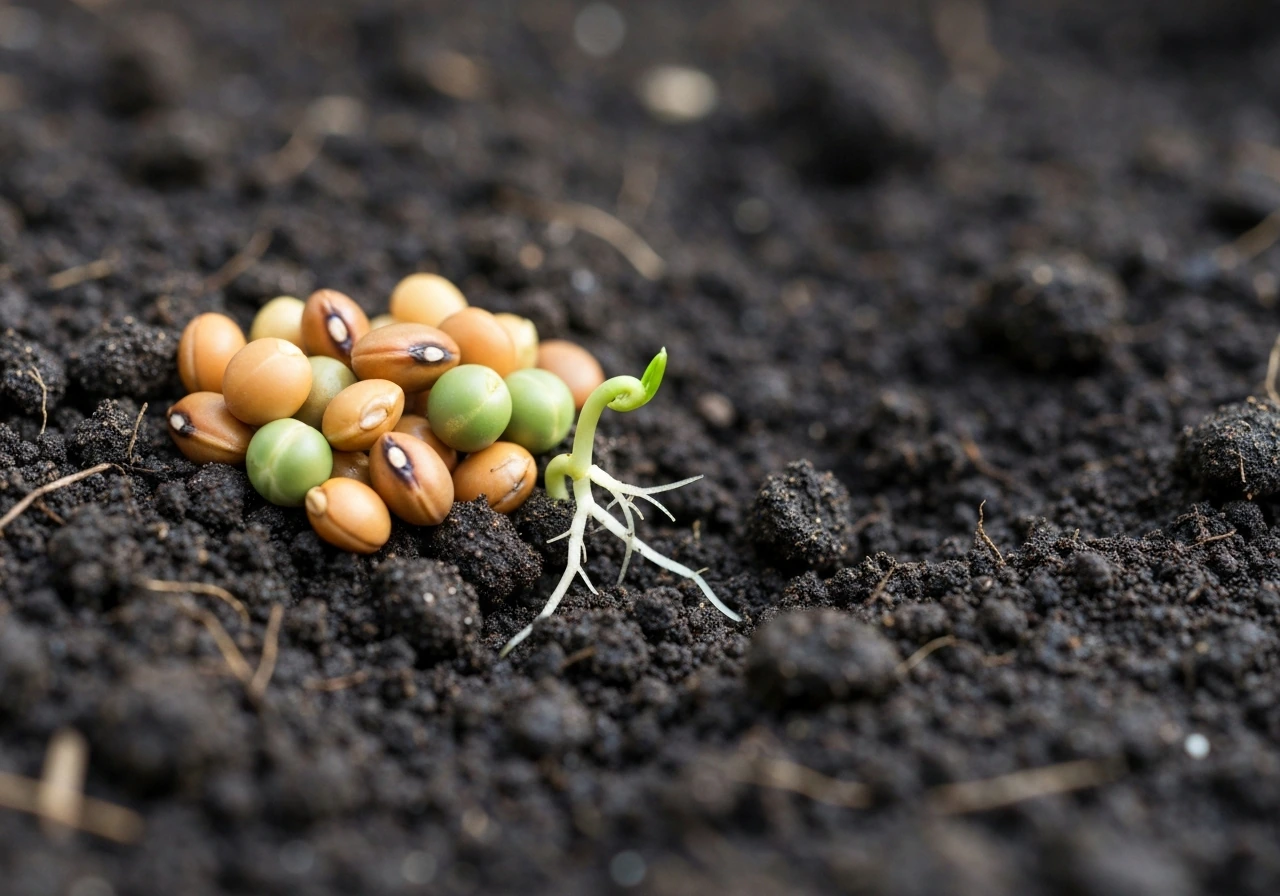
The FAO and USDA both define pulses specifically as dry edible seeds of leguminous plants, harvested dry for food or seed. That distinction matters. Fresh green beans, fresh peas, soybeans, and peanuts are NOT pulses, even though they come from legume plants. Pulses are the shelf-stable, protein-rich dried seeds. The main pulse crops you might be growing include:
- Dry beans (kidney, navy, black, pinto)
- Dry peas (field peas, yellow peas, green peas grown for dry seed)
- Lentils (green, red, French)
- Chickpeas (desi and kabuli types)
- Faba beans (broad beans grown for dry seed)
- Cowpeas, pigeon peas, and lupins
Every one of these crops is a legume, which means they can form a partnership with soil bacteria called Rhizobium to fix atmospheric nitrogen into a form the plant can use. That biological mechanism is one of the most fascinating things about pulses and one of the main reasons they are so valuable in crop rotations. Unlike most plants, which depend entirely on soil nitrogen, pulses can essentially manufacture their own fertilizer, but only if the conditions for that root nodule relationship are right.
Seed quality, soil, temperature, and light: setting up the right conditions
Before you put a single seed in the ground, the conditions need to be in the right range or you will lose germination rate and early vigor. Think of germination like a lock-and-key system: the seed will not open until the temperature and moisture hit the minimum threshold.
Soil temperature is the most critical starting point
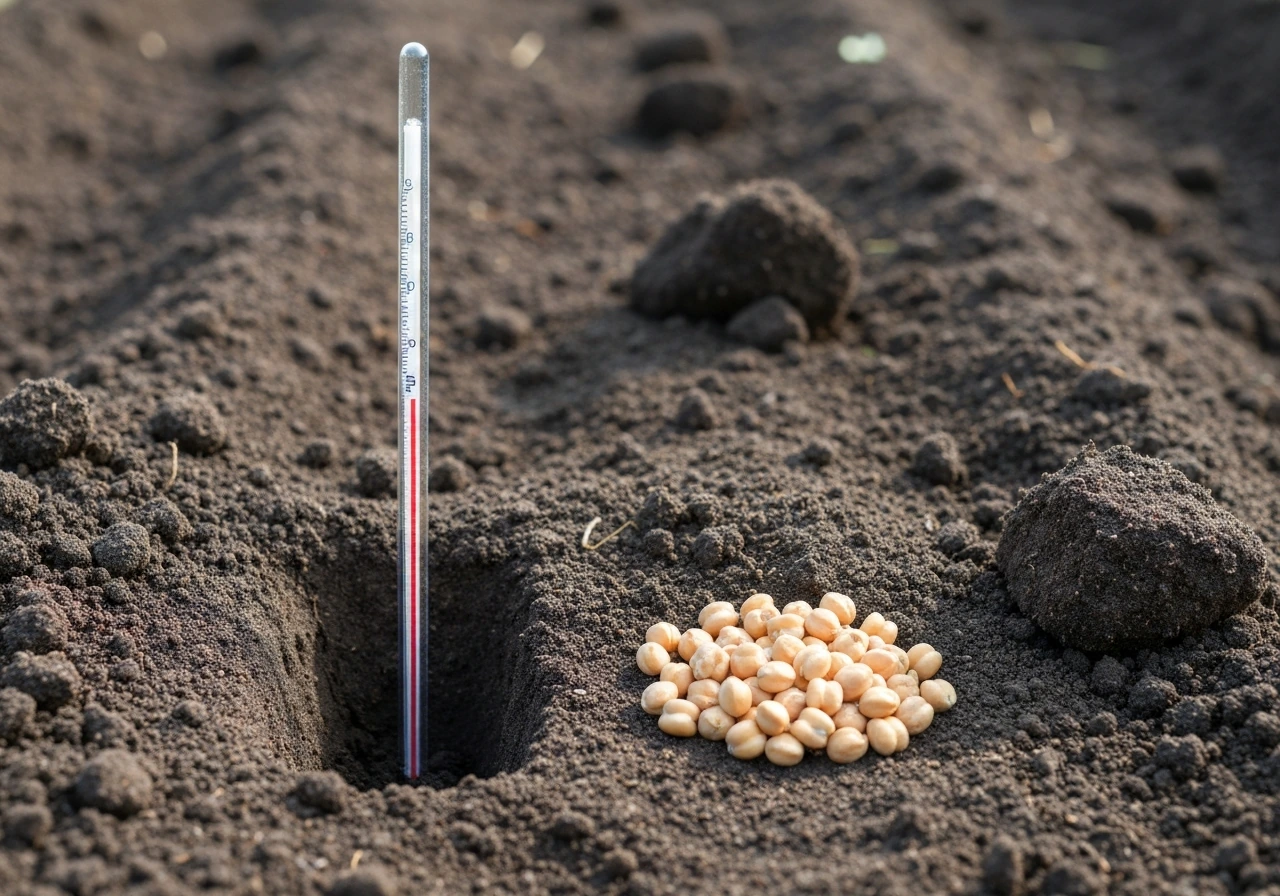
Different pulse crops have different minimum soil temperature requirements at seeding depth. Planting too early into cold soil causes slow, patchy germination and invites seedling diseases. Here is what the research recommends:
| Crop | Minimum Soil Temp at Seeding Depth | Recommended Seeding Depth |
|---|---|---|
| Chickpea (desi) | 7°C (45°F) | 3.5–6 cm (1.5–2.5 in) |
| Chickpea (kabuli) | 10°C (50°F) | 3.5–6 cm (1.5–2.5 in) |
| Dry bean | 12°C (54°F) | 5–6 cm (2–2.5 in) |
| Field pea / lentil | ~5–7°C (40–45°F) | 3–5 cm (1–2 in) |
Dry beans are the most cold-sensitive of the common pulses. Planting them before the soil reliably hits 12°C will stall germination and expose seeds to rot. Lentils and field peas tolerate cooler soils, which is why they are typically spring-planted much earlier.
Soil pH and basic fertility
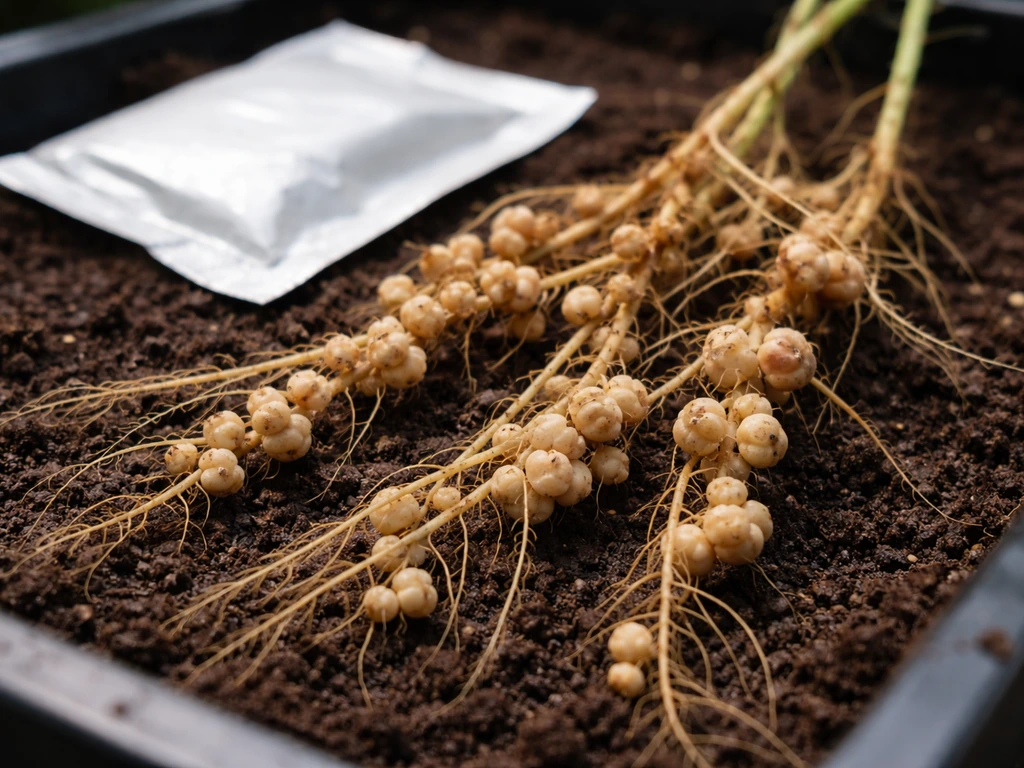
Pulses prefer a soil pH between 6.5 and 7.0. Penn State Extension specifically recommends liming to that range to support the nitrogen-fixing nodule symbiosis. When pH drops below 6.0, the Rhizobium bacteria struggle to colonize roots effectively, meaning the plant loses its natural nitrogen advantage. For field pea production, NDSU notes that a soil pH anywhere from 5.5 to above 7 can support good yields, but the nodulation sweet spot is still in the 6.5 to 7.0 band. For potassium, NDSU's benchmark is 100 ppm soil K as an adequate threshold for high-yield field pea production.
Seed quality and inoculation
Start with clean, disease-free seed. Montana State University's pulse crop diagnostics lab emphasizes that Ascochyta blight, one of the most damaging pulse diseases, is largely seedborne, and each pulse species has its own host-specific Ascochyta strain. Buying certified, tested seed is your best insurance against introducing that pathogen into your soil.
Inoculation with the correct Rhizobium strain is arguably the most important pre-plant step for pulse crops. NDSU recommends inoculating field pea with Rhizobium leguminosarum specifically. Other pulse species require their own matched inoculant strains, so read the product label. If you have grown the same pulse crop in that field in the past five years with good nodulation, the resident soil population may be adequate, but inoculating anyway is cheap insurance. For dry beans, which are poor nitrogen fixers compared to peas, lentils, and chickpeas, Saskatchewan government guidelines recommend inoculation plus a starter nitrogen application of around 55 kg N/ha (50 lb N/acre) for non-irrigated production.
Light requirements
All common pulse crops are full-sun plants. They need at least 6 to 8 hours of direct sunlight per day for robust vegetative growth and good pod set. Shading during the flowering period in particular suppresses photosynthate supply to developing pods, which is one mechanism behind yield losses in crowded or shaded conditions.
Step-by-step: planting and early growth setup
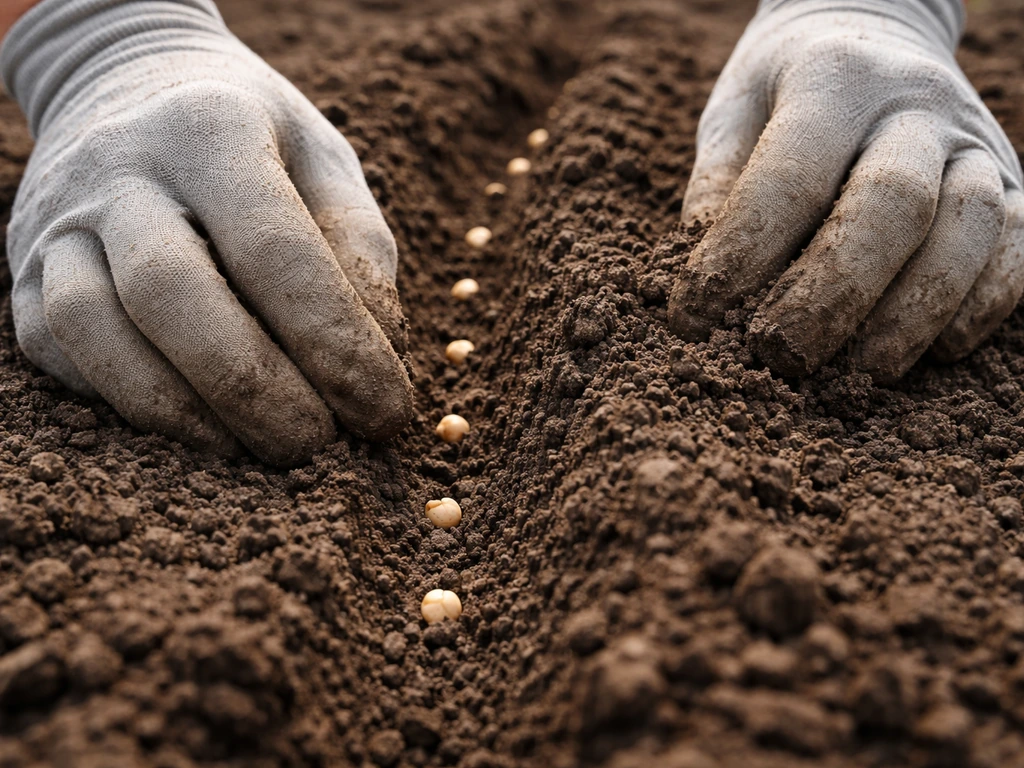
- Test your soil pH and potassium levels before planting. If pH is below 6.5, lime several weeks in advance to allow it to work into the soil.
- Confirm soil temperature at seeding depth meets the minimum for your specific crop (see table above). Measure with a soil thermometer, not just air temperature.
- Prepare a firm, weed-free seedbed. Pulses need good seed-to-soil contact for moisture uptake and uniform germination. Loose, cloddy soil creates air pockets that slow emergence.
- Inoculate seed just before planting. Apply the correct Rhizobium strain for your crop. If using a liquid or peat-based inoculant, avoid exposing treated seed to direct sunlight or high temperatures, which kill the bacteria.
- Plant at the correct depth for your crop (see table). Shallow planting in dry soil leads to poor moisture contact; too deep in cold soil increases rot risk.
- Space seeds according to target plant density. A common guide for dry beans is 5–8 cm between seeds in rows 45–75 cm apart; lentils and peas can be drilled at higher densities in 15–30 cm rows.
- If conditions are dry after planting, light irrigation or rainfall is needed to initiate germination. Pulses need consistent moisture in the top soil layer until emergence.
How pulses grow day by day: from sprout to filled pod
Understanding the biology of each growth stage helps you know when to intervene and when to leave the plant alone. Think of pulse growth as four main chapters: germination and emergence, vegetative establishment, reproductive growth, and seed fill and maturity.
Germination and emergence (days 5–14)
Once the seed absorbs enough water, cellular respiration kicks up dramatically and the embryo starts dividing and expanding through a process of cell division and elongation. The radicle (primary root) pushes down first, anchoring the seedling and beginning water uptake. The shoot then pushes upward toward the soil surface. Above-ground emergence typically takes 7 to 14 days depending on soil temperature; warmer soils speed the process because enzyme activity driving cell growth is temperature-dependent.
Vegetative growth (weeks 2–5)
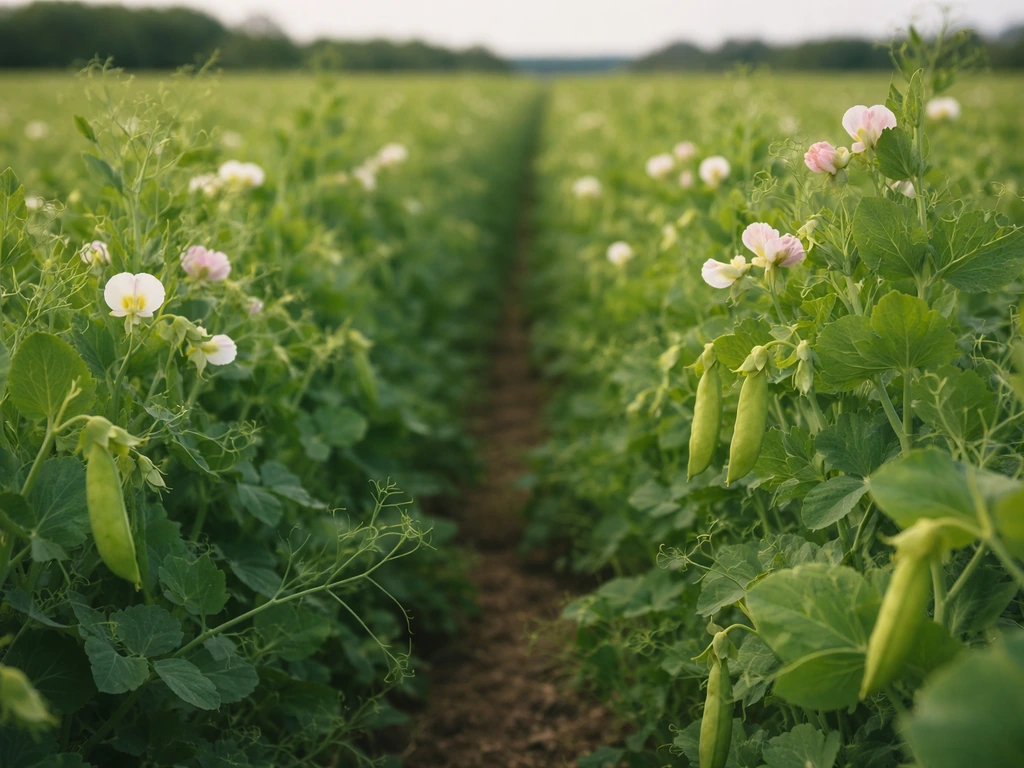
After emergence, the seedling enters a phase of rapid vegetative growth, producing leaves, stem nodes, and lateral branches. This is when the plant is building the photosynthetic machinery it will rely on to fuel pod fill later. <a data-article-id="C28C0A48-03FA-429B-8DC7-4D696F1A3D19">Root nodule formation also begins during this phase</a>, typically 2 to 3 weeks after emergence, when Rhizobium bacteria colonize root hairs and form the characteristic pink or red nodules that fix atmospheric nitrogen. A good stand of pink nodules is a sign the inoculation worked. Nodules that contain Rhizobium allow the plant to grow on the root surface inside these nodules.
Flowering (roughly 40–50 days after planting)
For field pea, NDSU reports that flowering typically begins 40 to 50 days after planting. Other pulses vary: lentils and chickpeas may flower earlier in warm conditions; dry beans typically flower at 45 to 65 days depending on variety and temperature. Flowering is the most stress-sensitive stage in the entire growth cycle. Heat, drought, or waterlogging during this window causes blossom drop, which directly reduces the number of pods the plant can set.
Pod set and seed fill (roughly weeks 7–11)
After successful pollination, pods develop and seeds begin filling. NDSU's field pea growth staging scale describes stage R4 as the point when green seeds fill the pod cavity, a useful visual checkpoint. During seed fill, the plant is translocating sugars and proteins from leaves and stems into the developing seeds. This is a high-demand period for both water and whatever nitrogen the plant has fixed or taken up. Eventually the plant reaches physiological maturity when seeds have reached maximum dry weight, even if they still appear green.
Maturation and dry-down
After physiological maturity, the plant and pods dry down. This is a passive process driven by air temperature and humidity. Seed quality is locked in at physiological maturity, so any stress that terminates growth before that point, like early frost or premature cutting, reduces both yield and seed quality. SaskPulse specifically notes that lentil seed quality is reduced if the crop is terminated before physiological maturity.
Water and nutrient needs across the growth stages
Pulses are relatively drought-tolerant compared to cereals, but they are not immune to water stress, and the consequences of drought at the wrong time are severe. SaskPulse is clear on this: reproductive stages (flowering, pod development, seed set) are more impacted by moisture stress than vegetative stages. That maps directly onto what is happening biologically. During vegetative growth, the plant can recover from temporary wilting because it is still building structure. During flowering, a single day of severe stress can trigger blossom drop that permanently reduces pod count.
| Growth Stage | Water Need | Key Nutrient Demand | Notes |
|---|---|---|---|
| Germination to emergence | Moderate, consistent | Phosphorus for root development | Soil must stay moist at seeding depth |
| Vegetative (weeks 2–5) | Moderate | N (from nodules), P, K | Nodule establishment begins; avoid waterlogging |
| Flowering (weeks 6–8) | High, critical | N, boron for pollen viability | Drought or heat causes blossom drop |
| Pod set and seed fill (weeks 7–11) | High | N, P, S for protein synthesis | Moisture deficit reduces seed size |
| Maturation and dry-down | Low | Minimal | Reduce or stop irrigation to promote dry-down |
Alberta's irrigation management guidance echoes this, noting that water applied during the peak flowering period directly supports yield by preventing flower and pod abortion. If you are growing under irrigation, this is where your water budget matters most. For non-irrigated production, selecting early-maturing varieties that finish flowering before typical summer dry spells is a practical risk-management strategy.
On the nitrogen side, well-nodulated pulse crops can fix 60 to 200 kg N/ha depending on the crop and conditions, so most of their nitrogen needs are met biologically. The exception is dry beans, which fix nitrogen poorly and benefit from supplemental starter N as noted earlier. For phosphorus, a soil test-guided approach is best; NDSU's guidelines provide specific P rate tables based on soil test values.
When growth goes wrong: troubleshooting common problems
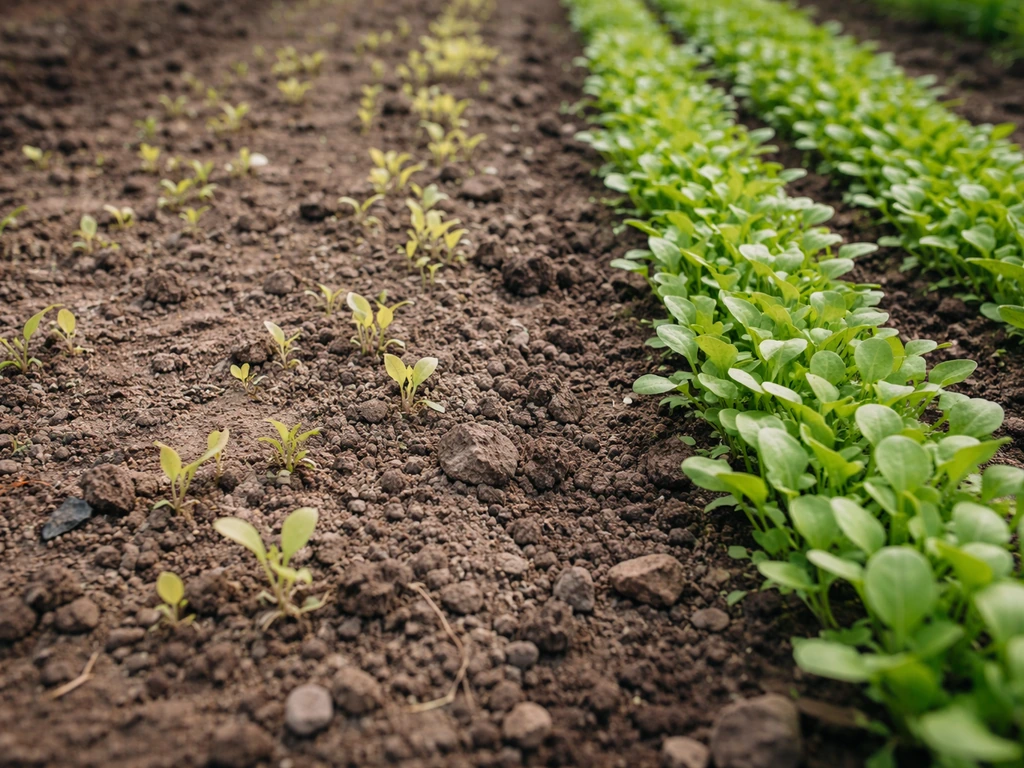
Poor germination or patchy emergence
The most common causes are planting into soil that is too cold (check against the minimums in the table), seed planted too shallow into dry topsoil, or seedborne disease introduced on poor-quality seed. Seedborne pathogens like Ascochyta can rot seeds before they ever emerge. If you are seeing patchy stands with rotted seed at the base, suspect a combination of cold soil and seedborne disease. The fix for next time is better-quality seed, correct planting date, and improved seedbed preparation for moisture contact.
Yellowing leaves and stunted plants
Yellowing early in the season usually points to nitrogen deficiency or failed nodulation. Dig up a few roots and look at the nodules. Pink or red inside means active nitrogen fixation is happening. White or brown inside means the nodules are not functioning, which could be due to wrong Rhizobium strain, low soil pH suppressing colonization, or drought stress disrupting the symbiosis. Yellowing later in the season, especially moving from older to younger leaves, can indicate sulfur deficiency. Yellowing from the tips inward often points to potassium limitation.
Blossom drop and low pod set
If flowers are forming but dropping before pods develop, the most likely cause is heat or moisture stress during the flowering window. Temperatures above 30 to 35°C during flowering impair pollen viability and fertilization, and even mild drought at flowering triggers the plant to abort flowers as a survival response. There is no fix once flowers have dropped, but you can minimize the damage by irrigating before soil becomes visibly dry and, in future seasons, choosing varieties better adapted to your climate.
Insect pests
Pea aphids are among the most significant insect pests of field pea and lentil. Beyond the direct feeding damage, NDSU's pulse crop insect diagnostic guides highlight that aphids can vector viruses, making even small infestations a concern in susceptible varieties. Scout regularly from emergence onward, looking at stem tips and undersides of leaves. Threshold-based decisions, treating only when populations exceed an economic threshold, are preferable to calendar-based spraying to preserve beneficial insect populations that provide natural control.
Weed competition
Pulses are poor competitors against weeds early in the season because they establish slowly. Weed pressure in the first four to six weeks is particularly damaging because it reduces light and nutrient access during the vegetative stage when the plant is building its canopy. Pre-plant tillage or herbicide application before planting, combined with a competitive variety and appropriate seeding rate, are the main tools. Once the pulse canopy closes, competition pressure from weeds typically drops substantially.
Fungal diseases
Beyond Ascochyta (introduced mainly through seed), root rots caused by Fusarium and Pythium species are common in wet, cold soils. These are best managed through crop rotation (ideally not planting the same pulse species in the same field more than once every three to four years), good drainage, and appropriate seeding dates that avoid prolonged cold-soil conditions post-planting.
Knowing when to harvest and what to do after
Harvest timing for pulses is driven by two competing pressures: waiting long enough for seeds to reach physiological maturity and maximum dry weight, but not waiting so long that pods shatter, seeds lose quality, or weather causes re-wetting damage. Here are the practical maturity cues by crop:
- Lentils: Harvest when the crop begins to turn yellow and pods are drying down. SaskPulse notes that for direct combining, optimal seed moisture at harvest is around 17.5% for green lentil and 15% for red lentil to minimize threshing damage.
- Chickpeas: Wait until plants are brown, seeds are fully dry, and easily separated from the plant. The dry, crispy feel of the pod is your cue.
- Dry beans: Harvest when pods are fully dried and crisp. UC IPM specifically warns that seed moisture should be below 15% before threshing, but not so dry that seeds crack during threshing.
- Field peas and faba beans: Pods darken and the plant dies back; seed rattles in the pod when shaken. Swathing (cutting and windrowing) before full dry-down is common to reduce shattering losses.
Post-harvest handling
Once harvested, pulses need to be dried to safe storage moisture before binning. For most dry pulse crops, that means getting seed moisture down to 13 to 14% or below to prevent mold and heating in storage. If you harvest at higher moisture (which is sometimes done intentionally to reduce shattering), use aerated bins or forced-air drying to bring moisture down within 24 to 48 hours of harvest. NDSU's dry bean guide notes that seed moisture and temperature at harvest directly influence seed quality, so combining in the heat of the day when beans are warmest and most pliable increases cracking risk.
After drying, store pulse seeds in a cool, dry location away from insects and rodents. Properly dried and stored pulses can retain viability and eating quality for two to three years. If you are saving seed for next season's planting, keep your best-quality, largest seeds from disease-free plants, store them in sealed containers, and retest germination rates before planting.
One last thought worth keeping in mind: pulses grow by the same fundamental biological rules as every other living thing. These same biological fundamentals help explain why some forms of life can continue to develop even after death, such as seed dormancy and later germination what continues to grow after death. Cell division builds structure, cell expansion drives size, and environmental limits, water, temperature, nutrients, light, set the ceiling on how fast and how large that growth can go. Understanding those mechanisms is what lets you troubleshoot intelligently rather than just guessing. When something goes wrong in the field, ask what biological process is being disrupted and you will almost always find the answer. where can endo grow.
FAQ
How do I know when pulses are actually mature enough to harvest, especially if pods still look green?
Yes, but only if the plants can reach physiological maturity, not just pod fill. Green color can persist after maturity, especially in cool seasons, so schedule harvest using maturity cues (maximum dry weight) and local timing to avoid pod shatter and weather damage.
If I inoculated, what are common reasons nodulation still fails?
Pulses rely on inoculant to form functioning nodules, but inoculation can fail if the seed is exposed to heat, drying, or incompatible products. Apply inoculant and keep treated seed cool and out of direct sun, then plant promptly (usually within the label window) so Rhizobium survives on the seed surface until root contact.
When is the most critical time to control weeds in pulses?
For many pulse crops, the key weed-control window is roughly the first four to six weeks after emergence, before the canopy closes. If you wait too long, later herbicide applications may not recover the yield loss from early light interception and nutrient competition.
Why might my stand be patchy even if my planting date temperature seemed right?
Warm, wet soil soon after seeding increases seedling disease risk (including Fusarium and Pythium) and can lead to poor stands even when temperature is not the limiting factor. If you plant into a cold and wet seedbed, re-check whether drainage and planting depth are also contributing to rot.
Can I apply extra nitrogen to prevent yield loss, or will it hurt nodulation?
Starter nitrogen can help some crops like dry beans, but high N can suppress nodulation and reduce the plant’s ability to fix nitrogen biologically. If you add N, do it at a conservative starter level and follow local recommendations rather than trying to “over-fertilize” for yield.
How does seeding depth and seed-soil contact affect how pulses grow?
Seedbed contact matters because pulses can germinate unevenly when seed is partially isolated from moist soil. Aim for uniform seeding depth and firm contact, especially in dry topsoil, because shallow planting into dry areas is a frequent cause of poor emergence.
What storage mistakes most often reduce pulse seed quality and next-year germination?
Yes. Seed that is too dry can lose vigor, and seed that is too wet at harvest can lead to heating and quality loss in storage. If you are harvesting at higher moisture, use aerated or forced-air drying promptly so the bin does not sit warm and mold-prone during the first day or two.
What should I do if my soil pH is low, but I still want good nodulation?
The “right” pH is not just about nutrient availability, it is also about Rhizobium root nodule establishment. If your soil is below about pH 6.0, you can end up with weak nodules (white or brown inside), even with correct inoculant, so test and lime ahead of planting when possible.
How should aphid management decisions differ from a simple spray schedule?
Insect pressure can be worse than expected because some pests spread viruses. Use scouting and consider threshold-based treatment timing, and avoid broad calendar spraying that disrupts beneficial insects that naturally suppress aphids.
If I can irrigate only once or twice, when should I water pulses to get the biggest yield protection?
Moisture stress at flowering is often irreversible because it causes blossom drop. If you have irrigation, protect the flowering and pod-development window first, and for non-irrigated fields, choose earlier varieties and consider your local dry-spell patterns to reduce risk.
Can premature desiccation or early cutting ruin pulse seed quality even if pods look filled?
Yes. If you terminated the crop early before physiological maturity, you can compromise seed quality and not just yield. Plan termination based on maturity rather than appearances, and avoid cutting during periods that increase re-wetting risk.
Next Article
Does the Modern Remnant Grow? How to Tell and Why
Learn if a modern remnant truly grows by testing biological or crystal mechanisms, limits, indicators, and confounders.