Parasites grow in three overlapping ways: they increase in physical size as individuals, they divide or replicate to multiply their numbers inside a host, and they transition through developmental stages that unlock new tissues and new opportunities. Which of those modes dominates depends entirely on the parasite group and the life-cycle stage you are looking at. A tapeworm adds meters of body length inside your intestine.
How Do Parasites Grow: Life Cycle, Stages, and Limits

Marcus Whitmore
19 May 2026
A malaria parasite quietly copies itself dozens of times inside a single red blood cell before bursting out to start again. A Giardia cyst just sits dormant until it lands in a new gut and then explodes into active, feeding trophozoites. All of that counts as growth, and understanding the difference tells you a lot about why each parasite is hard to stop.
What a parasite actually is (and the main types)
The CDC defines a parasite as an organism that lives on or in a host and gets its food from or at the expense of that host. Notice that the definition says nothing about size or complexity. Parasites span an enormous range, and grouping them correctly is the first step to understanding how their growth works.
The three groups that come up most in medicine and biology are protozoans, helminths, and ectoparasites. Protozoans are single-celled organisms like Plasmodium (malaria), Giardia, and Entamoeba. Helminths are the worms: roundworms, tapeworms, and flukes. Ectoparasites, like ticks, fleas, lice, and mites, attach to or burrow into skin and stay there for extended periods rather than living deep inside tissues.
Location matters for growth because it determines what resources a parasite can access. Endoparasites live inside the body and are further split into intercellular parasites (living in spaces between cells) and intracellular ones (living inside the cell itself, like Plasmodium hiding inside red blood cells). Intracellular parasites have to co-opt the cell's own machinery to survive and replicate, which is a wildly different growth environment than the open gut lumen where a tapeworm feeds.
The basic life cycle: from infective stage to reproduction
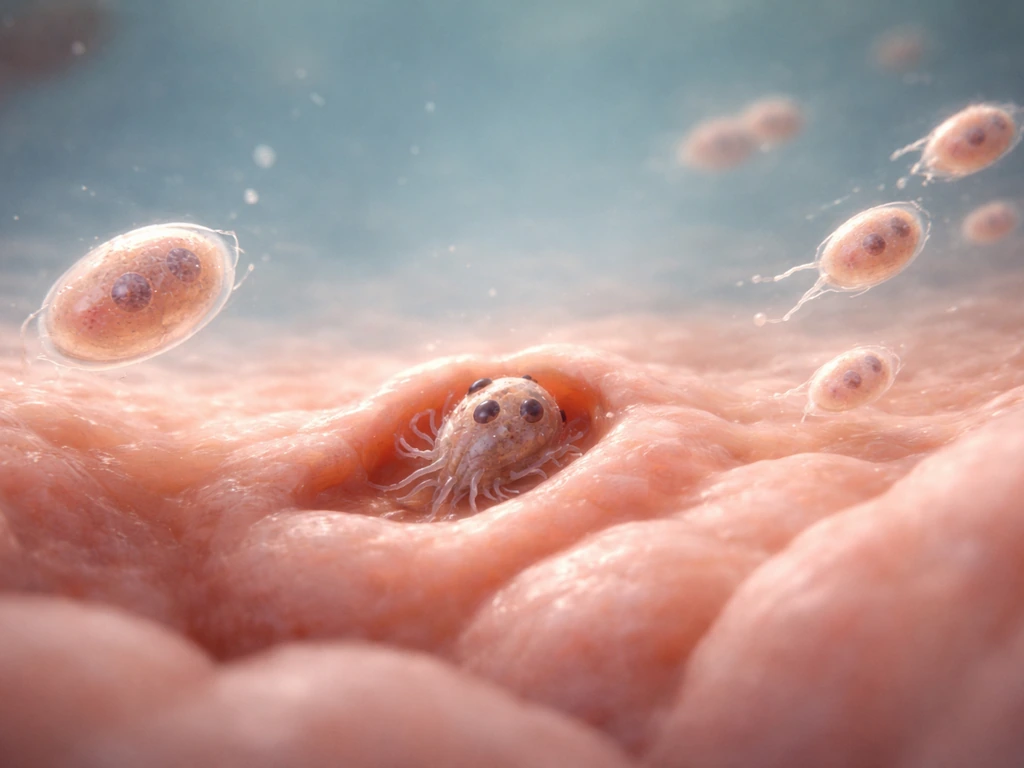
Most parasites follow a recognizable pattern: a hardy transmission stage gets into a new host, an establishment phase follows where the parasite finds its tissue niche, and then comes a growth and reproduction phase that eventually produces new transmission stages. Understanding where in that loop a parasite sits is the key to understanding its growth at any given moment. Understanding where in that loop a parasite sits is the key to understanding its growth at any given moment how do plankton grow.
Take Giardia as a simple example. The infective stage is the cyst, an environmentally resistant package that can survive in water for months. You swallow it. In your small intestine, excystation releases two trophozoites from each cyst. Those trophozoites attach to the intestinal wall, feed, and divide. Eventually some of them re-encyst to form new cysts that get shed in feces, ready to infect the next host. The whole cycle is elegantly compartmentalized: cysts for travel and survival, trophozoites for feeding and growth.
Malaria is more elaborate because it uses two hosts. Sporozoites (the infective stage delivered by a mosquito bite) travel to the liver and spend about a week maturing into schizonts. Each schizont then ruptures and releases thousands of merozoites into the bloodstream. Those merozoites invade red blood cells, go through another round of growth and replication called erythrocytic schizogony (ring stage to trophozoite to schizont to rupture), and the cycle repeats roughly every 48 hours in Plasmodium falciparum. Eventually some parasites develop into gametocytes, which a mosquito picks up and which then take another 9 to 18 days to complete development into new sporozoites inside the mosquito.
Tapeworms illustrate a slower, size-based growth trajectory. A cysticercus (the larval stage) is ingested in undercooked meat, attaches to the small intestine, and spends about two months developing into an adult. From there, growth means adding proglottids (body segments) continuously. Taenia saginata can reach 4 to 12 meters long, occasionally up to 25 meters, and a single adult worm produces 1,000 to 2,000 proglottids that collectively shed up to 100,000 eggs. That is not fast cellular division in the malaria sense; it is sustained developmental growth plus relentless egg production.
How parasites actually grow at the cellular level
The mechanisms behind parasite growth differ across groups in ways that parallel the differences you see in other single-celled organisms. If you have read about how amoeba or protists grow and develop, some of this will feel familiar.
Cell division in protozoans
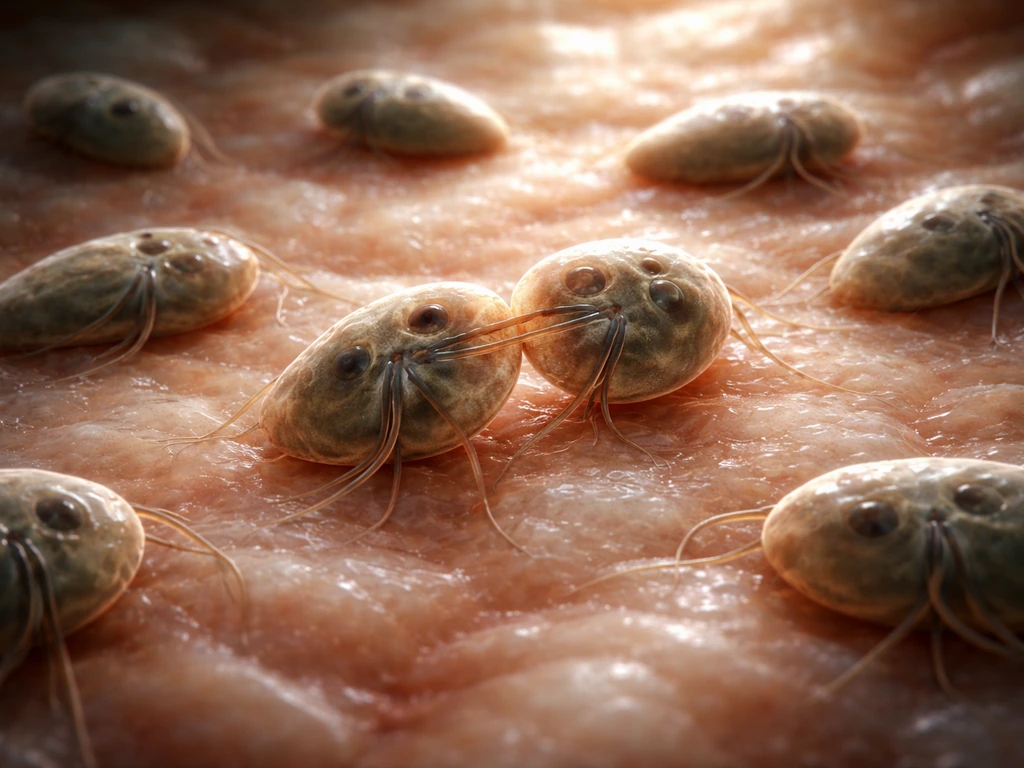
Protozoan parasites grow primarily by cell division, but the style of division varies. Giardia trophozoites divide by binary fission: one cell splits into two. It is direct, efficient, and controlled by a regulated cell cycle that includes genome replication and physical cell separation. Apicomplexan parasites like Plasmodium use a more unusual strategy called schizogony, where the nucleus divides multiple times before the cell divides at all.
The result is a single cell containing dozens of daughter nuclei, which then get packaged into individual merozoites all at once. Nature Reviews Microbiology describes this as a regulated cell cycle that includes genome replication, daughter-cell assembly, and egress from the host cell. Crucially, apicomplexans essentially never divide outside a host cell; they are obligate intracellular replicators.
Developmental transitions in helminths
Helminths do not grow primarily by rapid cell division the way protozoans do. Their growth is better described as developmental: they proceed through egg, larval (juvenile), and adult stages, each with distinct body organization and reproductive capacity. Filarial worms like Wuchereria bancrofti cycle through microfilariae (in human blood), larval stages inside a mosquito, and infective third-stage larvae that migrate to the mosquito's mouthparts before being delivered to a new human host. Adult filarial worms then release microfilariae back into the blood, continuing the cycle. The growth at each stage is a combination of cellular proliferation and tissue-specific differentiation, not the explosive replication seen in Plasmodium schizogony.
Encystation as a growth checkpoint
For Giardia (and similar protozoans), the transition between trophozoite and cyst is itself a form of regulated growth control. PMC describes encystation as a key regulated differentiation transition in Giardia’s biphasic life cycle, separating the proliferative trophozoite from the environmentally resistant cyst stage required for transmission Coordinated Changes in Gene Expression Throughout Encystation of Giardia intestinalis. Encystation is triggered by specific host environmental signals, including changes that activate cAMP signaling through adenylate cyclase, which then switches on encystation-specific gene expression. Trophozoites that encyst too early or too late produce fewer viable cysts, reducing transmission. So growth in this context is not just about dividing faster; it is about timing developmental transitions correctly.
How the host makes parasite growth possible
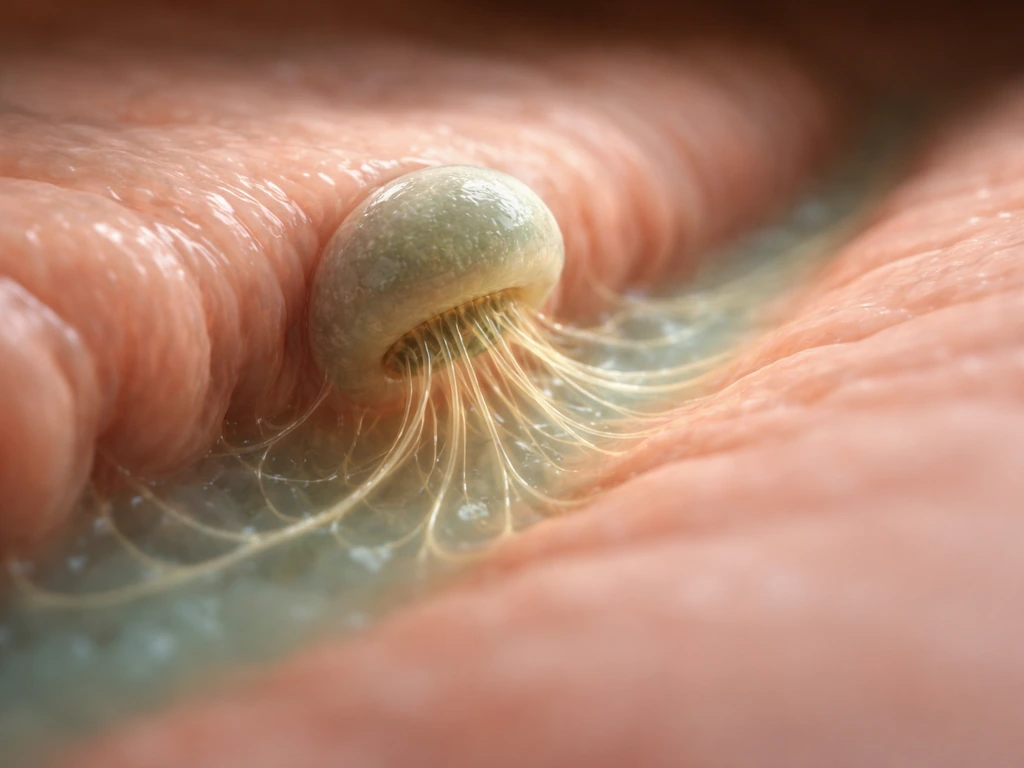
A parasite without a host is either dormant or dead. The host provides everything: nutrients, physical shelter, and, unfortunately, a set of immune responses the parasite has to outsmart. These three factors together define the ceiling on how fast and how far a parasite can grow.
Nutrients and tissue niches
Giardia trophozoites attach to the intestinal wall and absorb nutrients directly from the gut lumen, a rich environment full of digested food. Plasmodium trophozoites inside red blood cells consume hemoglobin as their primary nutrient source, producing a waste product called hemozoin in the process. When infected cells rupture, hemozoin and other toxic factors flood into the bloodstream, which is directly responsible for the fever and chills associated with malaria. Entamoeba histolytica can remain confined to the intestinal lumen as a relatively harmless colonizer, or it can invade intestinal mucosa and blood vessels, reaching the liver and other organs. That tissue-access decision is the difference between a quiet infection and a life-threatening one.
Evading the immune system
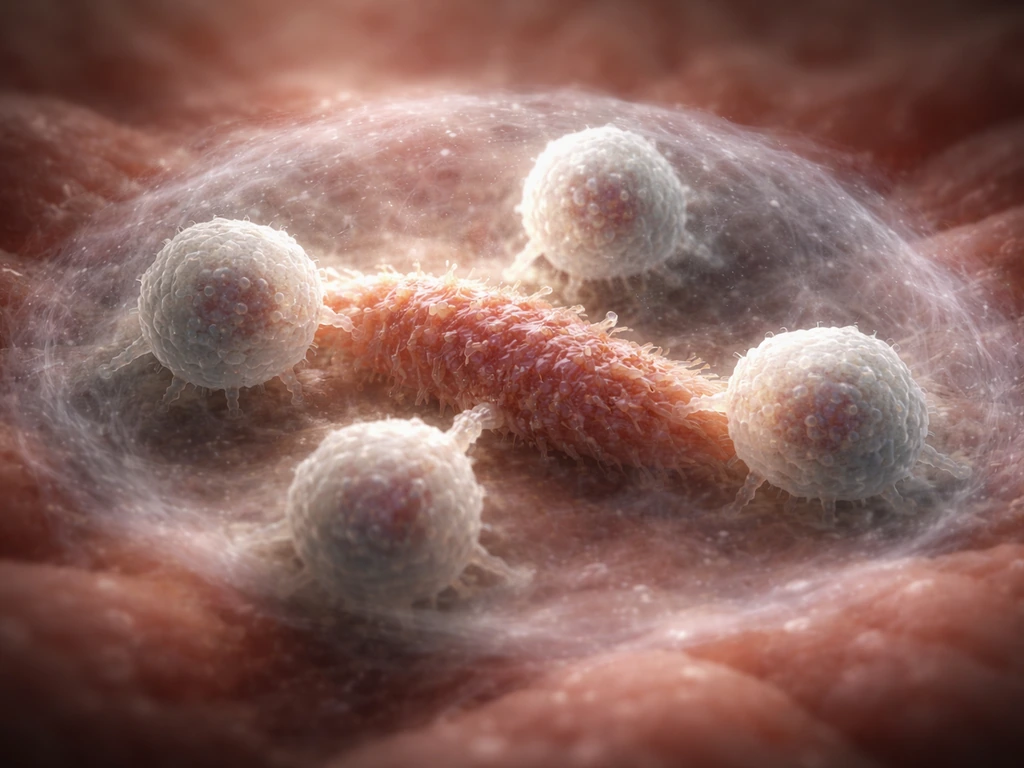
The host immune system is the most significant constraint on parasite growth inside a living body, so parasites have evolved multiple strategies to manage it. The most well-documented is antigenic variation in Plasmodium falciparum, which expresses a variable surface antigen called PfEMP1 on the surface of infected red blood cells. By continuously switching which variant of PfEMP1 it displays, the parasite stays one step ahead of antibody responses, driving repeated waves of parasitemia. PfEMP1 also mediates sequestration of infected red blood cells in small blood vessels, including in the brain (a factor in cerebral malaria), which simultaneously hides the parasite from splenic clearance and contributes to severe pathology.
Not all immune evasion is that sophisticated. Some hosts are simply less permissive to parasite growth due to genetic factors. Sickle-cell trait, for example, makes red blood cells less hospitable to Plasmodium invasion, which is why the trait persists at high frequency in malaria-endemic regions.
What limits parasite growth (it is not unlimited)
Just like any growing organism, parasites run into physical and biological ceilings. These constraints explain why infections plateau, why some parasites grow slowly, and why the same parasite can cause dramatically different disease severity in different hosts.
- Physical space: An intracellular parasite is limited by the volume of its host cell. Once Plasmodium fills a red blood cell, there is nowhere left to grow; the cell ruptures and the cycle restarts.
- Nutrient depletion: Heavy tapeworm infections cause malnutrition partly because the parasite competes directly for absorbed nutrients in the gut. A tapeworm depleting its own food source eventually limits its own growth.
- Immune pressure: Effective antibody responses, cytotoxic T cells, and inflammatory signaling all attack parasite populations at different life-cycle stages, capping population size.
- Temperature and environment: In the mosquito, Plasmodium development into sporozoites takes 9 to 18 days and is strongly accelerated by warmer ambient temperatures. Cold conditions slow or halt this extrinsic cycle entirely.
- Life-cycle bottlenecks: Many parasites must pass through a specific stage (a particular intermediate host, a developmental checkpoint) before they can continue growing. If those conditions are not met, the life cycle stalls.
Tapeworms illustrate how life-cycle design constrains growth from the opposite direction too. An adult T. saginata can live for decades and grow impressively long, but its larvae need to first develop in cattle muscle. That obligate intermediate host is a hard bottleneck; no cattle exposure means no adult tapeworm, no matter how favorable the human gut environment is.
Transmission and population growth: spreading is the real metric
Here is a perspective shift that makes parasite biology click: for a parasite, individual size growth is often less important than population-level expansion. A parasite that grows 10 centimeters longer but never produces a transmission stage has failed evolutionarily. One that stays small but sheds millions of cysts into the water supply has succeeded.
Giardia cysts are environmentally stable and spread through contaminated water and food via the fecal-oral route. The cyst's resistance to environmental degradation is what makes transmission possible at all. Malaria population expansion inside a host is driven by repeated asexual erythrocytic schizogony, each cycle amplifying parasite numbers. But transmission to new hosts depends on gametocytes, a completely different developmental form, being ingested by a mosquito that lives long enough for the 9 to 18 day sporogonic cycle to complete. If the mosquito dies before sporozoites develop, that entire parasite population is a dead end.
Filarial worms make the same point differently. Adult worms can live in lymphatic vessels for years, but their contribution to population growth is measured in microfilariae circulating in the blood, waiting to be picked up by a mosquito. The individual worm's size matters less than how many microfilariae it releases and whether a competent mosquito vector is present to pick them up.
How parasite growth is stopped: defenses, bottlenecks, and treatments
Targeting parasite growth effectively requires knowing which stage you are dealing with. Treatments that kill adult worms do nothing to circulating larvae. Vaccines that block sporozoite invasion prevent liver-stage growth entirely but have no effect on an established blood-stage infection. This stage-specificity is not a flaw in the treatments; it reflects how tightly growth is linked to life-cycle position.
| Parasite / Stage | Growth mechanism | How growth is interrupted |
|---|---|---|
| Plasmodium (blood stage) | Erythrocytic schizogony (intracellular replication) | Artemisinin-based drugs disrupt asexual replication; blood-stage vaccines target merozoites |
| Plasmodium (liver stage) | Intracellular development into schizonts | Pre-erythrocytic vaccines block sporozoite invasion of liver cells |
| Plasmodium (mosquito stage) | Sporogonic development to sporozoites | Transmission-blocking vaccines; antibodies in mosquito blood meal halt gametocyte development |
| Giardia (trophozoites) | Binary fission in intestinal lumen | Metronidazole and tinidazole disrupt DNA synthesis; host immune clearance |
| Taenia spp. (adult) | Continuous proglottid addition, egg production | Praziquantel (5-10 mg/kg single dose) disrupts tegument integrity |
| Filarial worms (adults) | Long-lived adults releasing microfilariae | Ivermectin (every 6 months, up to 15 years) kills microfilariae; adult worms eventually die naturally |
| Entamoeba (trophozoites) | Tissue invasion and proliferation | Metronidazole targets anaerobic metabolism; immune containment limits invasion |
Host defenses do the same stage-specific work naturally. Antibodies against merozoite surface proteins interfere with red blood cell invasion. Intestinal IgA limits trophozoite attachment in Giardia infections. Eosinophils and mast cells attack helminth larvae in tissue. When these responses are robust, they cap parasite numbers well below the threshold for serious disease; when they fail or are overwhelmed, population growth and growth-related pathology escalates.
How to figure out what you are dealing with (practical next steps)
If you are trying to understand a specific parasite infection rather than the biology in general, the first thing to establish is the parasite group and the life-cycle stage currently present in the host, because both determine what growth is actually happening and what can interrupt it. If you are asking how do paramecium grow, it helps to focus on its cell division and the environmental conditions that trigger efficient replication how much growth is actually happening.
- Identify the parasite group: protozoan, helminth, or ectoparasite. This tells you whether growth is primarily cell division, developmental transition, or physical size increase.
- Determine the life-cycle stage: infective stage (just arrived), establishment phase (finding a niche), active growth and replication phase, or transmission stage (producing eggs, cysts, or microfilariae). Microscopy of blood smears, fecal ova and parasite exams, or PCR can confirm the stage.
- Consider the tissue location: intracellular parasites (like Plasmodium in red blood cells) face different immune pressures and drug access than luminal parasites (like Giardia in the gut) or tissue-migrating larvae.
- Match the treatment to the stage: anti-protozoan drugs like metronidazole target actively dividing trophozoites; praziquantel targets adult worms; ivermectin reduces microfilarial load but requires repeated dosing because it does not reliably kill adult filarial worms.
- Monitor for transmission-stage shedding: parasite burden post-treatment is often assessed by looking for cysts in feces, microfilariae in blood, or egg counts, since these indicate whether the growth-to-transmission pipeline has been interrupted.
One last thing worth connecting: when you look at how parasites grow, you are really looking at the same biological principles that govern growth across all living systems, including the single-celled organisms covered in articles on how amoeba grow or how protists grow and develop. Single-celled amoebas typically grow by expanding and dividing, often responding to available nutrients and favorable conditions how amoeba grow.
Cell division, developmental staging, resource access, and environmental constraints all show up in parasites just as they do in free-living organisms. Diatoms grow through a similar growth-and-division cycle, but their progress depends on light, nutrients, and suitable water conditions how do diatoms grow. What makes parasites different is that their entire growth program is built around co-opting another organism's body rather than competing directly with the environment.
That dependency is both their greatest advantage and their greatest vulnerability, because every stage of their growth that depends on the host is also a stage that can potentially be targeted.
FAQ
If parasites are growing, why don’t all infections get bigger over time?
Parasites do not always “grow” in the same visible way. A single infection may show big population increases (like malaria asexual replication) even if individual cells do not get dramatically larger, while other parasites (like tapeworms) expand mainly through prolonged body development and segment addition. The clearest way to tell is to identify the life-cycle stage present in the person or animal, because that stage determines whether growth is primarily cell division, developmental maturation, or size increase.
Can parasites multiply without causing symptoms immediately?
Yes, parasites can increase in number without causing symptoms, especially early on. Many growth-limited phases (for example, after transmission when the parasite is establishing a tissue niche) may generate low pathology even though the parasite is preparing to expand. Symptoms often track the stage that triggers key tissue damage or immune activation, not just total parasite load.
Why do some treatments fail even when they kill part of the parasite population?
It depends on what stage the treatment targets. A common misconception is that killing the “main” organism form automatically clears infection, but some drugs only affect the replicating stage while other stages (like dormant cysts) persist or can re-emerge later. The article’s stage-specific logic applies directly here, so timing of doses and follow-up testing often matter.
How does host location inside the body affect parasite growth?
In many parasites, growth and transmission are tightly coupled, so host movements can alter what stage succeeds. For example, malaria requires the parasite to reach stages that are accessible to a mosquito, and tapeworms require ingestion of the correct larval stage via an intermediate host. Even within one host, barriers like tissue localization, blood flow, and immune pressure change which developmental steps can proceed.
What limits parasite growth if nutrients seem available?
A parasite load can be high while growth is still constrained, because “ceiling” effects come from more than nutrients. Host immunity, tissue access, and the parasite’s ability to complete required developmental transitions all cap expansion. That is why two people can show different severity for the same general parasite species, even if they start with similar exposure.
Is parasite growth more about individual size or about producing new transmission stages?
Some parasites are better viewed as populations that expand and then “restart” the cycle rather than single individuals getting larger. Transmission-stage production, such as cyst shedding for Giardia or gametocyte production for malaria, is a decisive marker of successful population-level growth. If the parasite fails to generate transmission stages, it may still replicate briefly inside a host but be evolutionarily ineffective.
Do parasites grow outside the body the way they grow in a host?
Not exactly. “Growth outside a host” usually means survival in a durable stage, not active replication. Many parasites have hardy transmission forms that wait for the right conditions, while their true replication usually occurs only after entering the proper tissue niche in the new host.
Can strengthening immunity slow or stop parasite growth even if it does not immediately clear the infection?
Often, yes. If you take away the host’s permissiveness, the parasite may stall at a particular step, such as preventing successful invasion of cells or limiting attachment in the gut. This is different from killing already-established parasites, so prevention strategies may reduce growth and pathology even before any complete clearance happens.
Why is transmission to a new host sometimes the real bottleneck for parasite survival?
Some parasites can use more than one host and require that both hosts survive long enough for specific developmental transitions. A malaria population can become a dead end if the mosquito dies before the sporogonic cycle completes, even if replication inside humans occurred normally. Likewise, tapeworm completion depends on developing in the intermediate host before adult growth in humans can occur.
What’s the most common misunderstanding when interpreting parasite growth in real infections?
Common mistake is thinking “parasite species equals one growth pattern.” The same species can behave differently depending on which stage is present, where it is located, and how the host immune system responds at that moment. For practical interpretation, always map the symptoms or lab findings to the likely life-cycle stage instead of assuming uniform growth across the entire infection timeline.
Next Article
How Do Diatoms Grow? Step-by-Step Growth Setup Guide
Understand diatom growth biology and set up a workable culture with light, nutrients, silica, and troubleshooting tips.