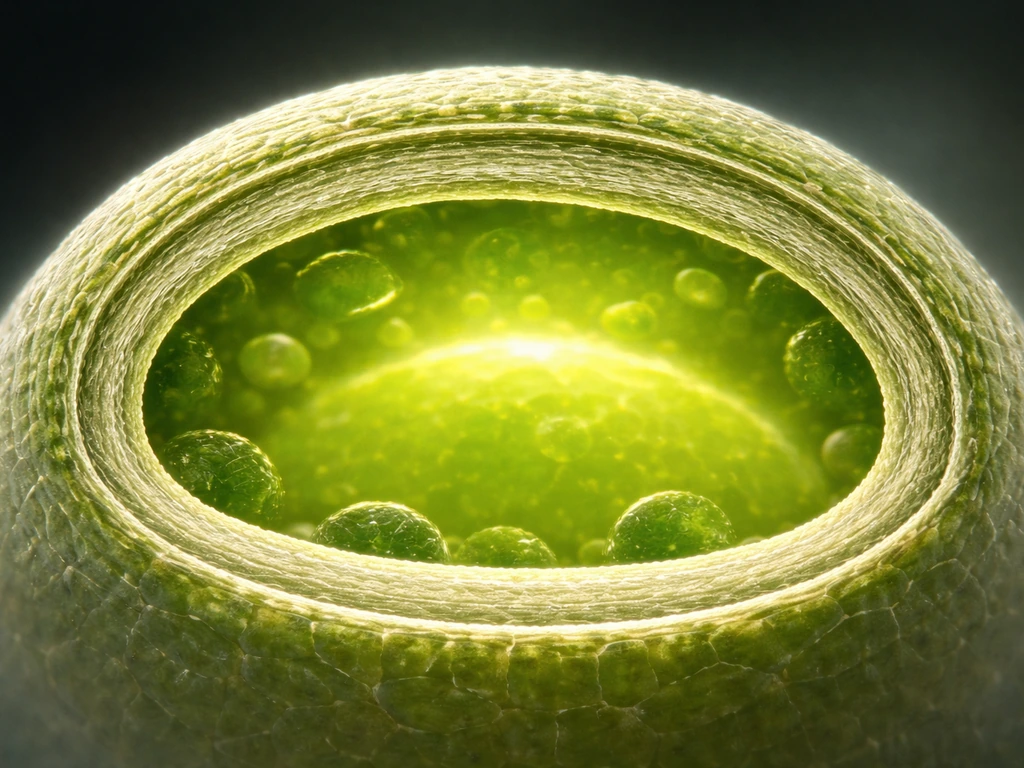
The nucleus helps a cell grow by acting as the command center for everything the cell needs to build itself up. It stores the DNA blueprint, reads out the right instructions at the right time through gene expression, and controls the checkpoints that decide when a cell is ready to divide. Without a functioning nucleus, a cell cannot coordinate the production of proteins, enzymes, or structural materials it needs to increase in size and mass. Growth, in other words, is a nuclear project from start to finish.
How Does the Nucleus Help the Cell Grow: DNA to Cell Cycle
Marcus Whitmore
3 Jun 2026
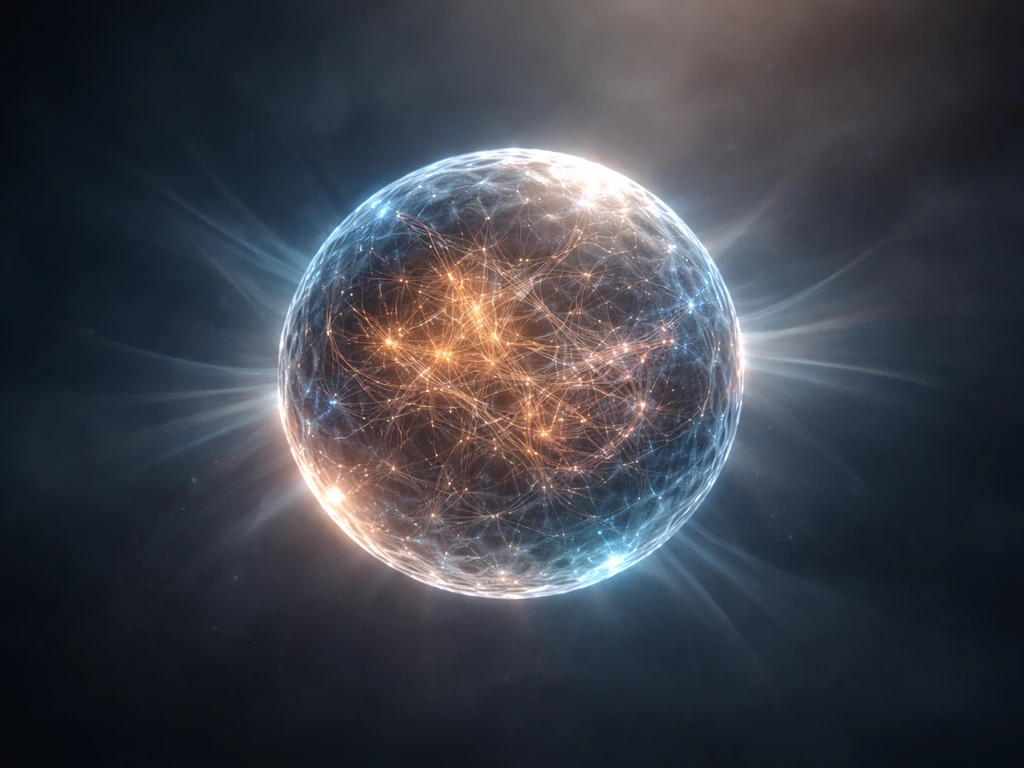
What the nucleus actually does in a cell
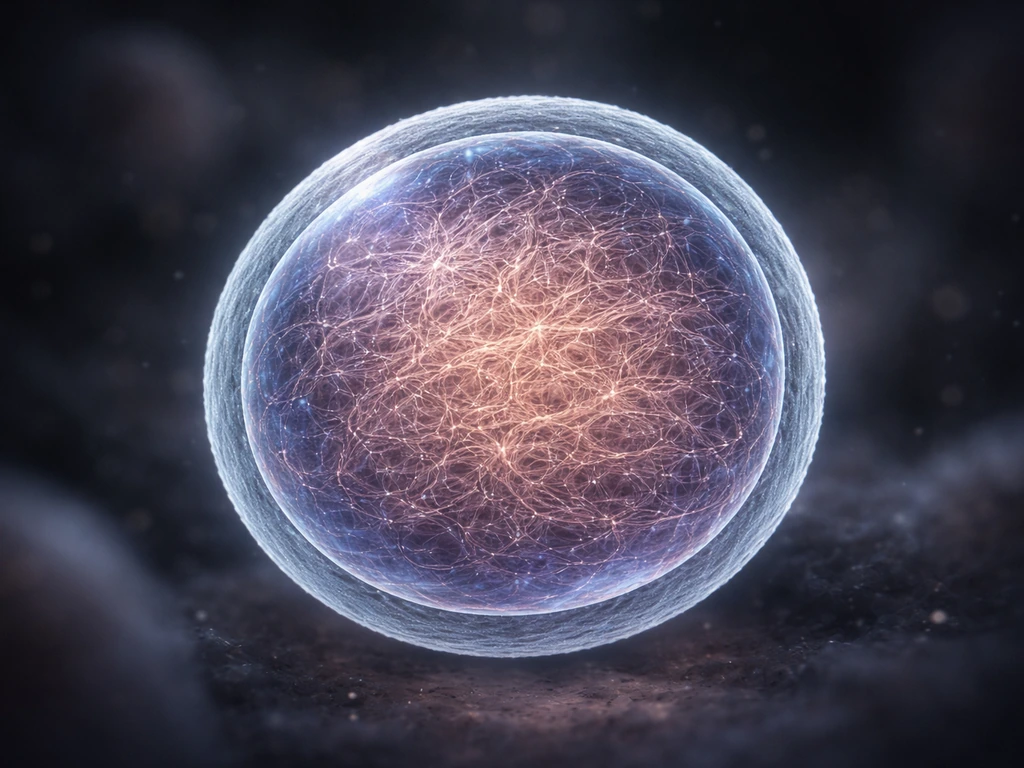
Think of the nucleus as both a library and a traffic controller packed into one small membrane-bound compartment. It houses the cell's entire genetic instruction set (all of the DNA organized into chromosomes), and it decides which instructions get read, when, and how often. That selective reading is what drives growth. A muscle cell and a liver cell carry identical DNA, but their nuclei read different chapters, which is why they look and behave so differently.
The nuclear envelope, the double-membrane boundary around the nucleus, is not just a wall. It is studded with nuclear pore complexes (NPCs): protein channels that control what moves in and what moves out. Signaling molecules carrying growth cues enter through NPCs using specific molecular tags called nuclear localization signals. Finished messenger RNA (mRNA) exits through the same pores on its way to the ribosomes where proteins are made. Research shows that NPC proteins can also influence gene expression directly by affecting how chromatin is positioned and how transcription sites are organized inside the nucleus, meaning the architecture of the nucleus itself shapes what gets made.
DNA control: how the nucleus drives cell growth programs
DNA does not do anything on its own sitting on a shelf. Growth happens because the nucleus activates specific growth programs: sets of genes that, when switched on together, produce the proteins a cell needs to get bigger. These programs are triggered by signals arriving from outside the cell (nutrients, growth factors, hormones) or from internal cues about the cell's own size and readiness.
One of the clearest examples is the CDK-RB-E2F axis. Early in the cell cycle, a protein called RB (retinoblastoma protein) sits on E2F transcription factors and keeps them switched off. This suppresses the genes needed for DNA replication, effectively hitting pause on growth. As the cell accumulates the right resources and receives growth signals, cyclin-dependent kinases (CDKs) phosphorylate RB, releasing E2F. Once free, E2F activates transcription of dozens of genes required to copy DNA and push the cell toward division. Inactivation of RB is a fundamental event in many cancers precisely because removing this nuclear gatekeeper lets cells proliferate without the proper checks.
This is a great example of how the nucleus does not just store instructions passively. It actively gatekeeps which growth programs fire and when, connecting external signals to internal molecular switches that determine cell fate.
Gene expression basics: turning DNA into proteins
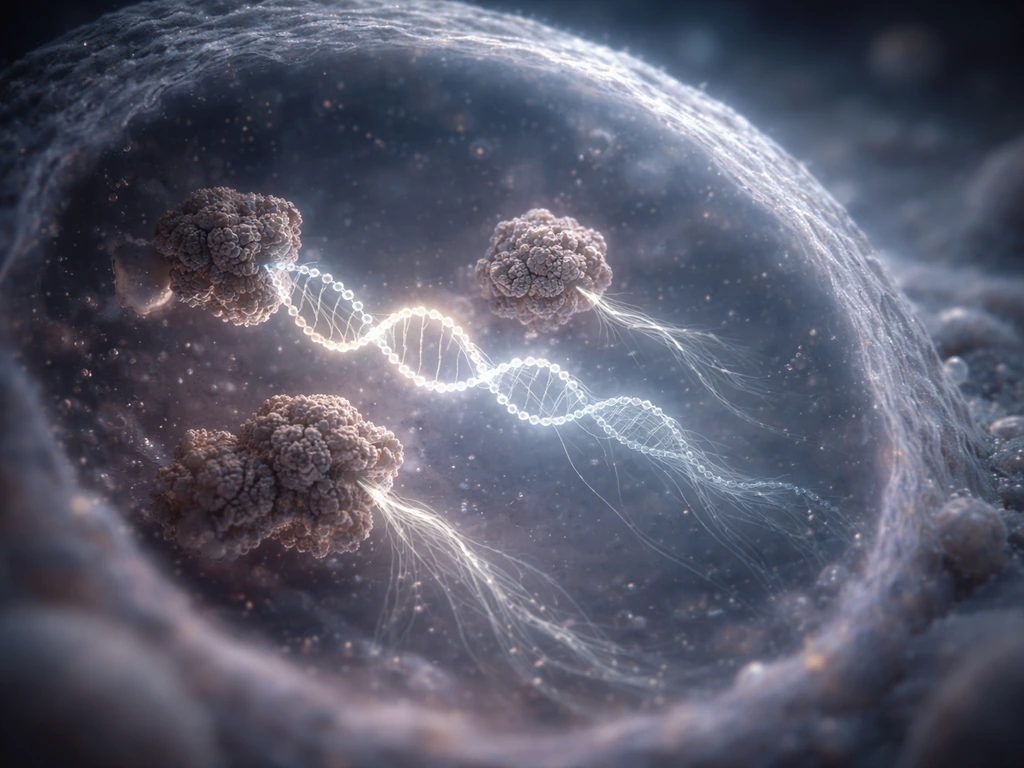
Growth requires physical material: enzymes to run metabolism, structural proteins to expand the cell's scaffolding, membrane components to grow the cell's surface area. All of that comes from gene expression, the process by which the nucleus reads a DNA sequence and converts it into a working protein. All of that comes from gene expression, the process by which the nucleus reads a DNA sequence and converts it into a working protein can we grow dinosaurs from dna.
Here is the core pathway in plain terms. First, an enzyme called RNA polymerase transcribes a gene's DNA sequence into a pre-mRNA molecule inside the nucleus. Almost immediately, that pre-mRNA gets processed: a modified guanine cap is added to the 5' end, a poly-A tail is added to the 3' end, and non-coding segments (introns) are spliced out. These steps are not optional extras. The cap protects mRNA from degradation and helps ribosomes recognize it. The poly-A tail influences stability and export. Splicing can change which protein gets made from the same gene. All of this happens inside or at the boundary of the nucleus before the mature mRNA is cleared for export through the NPCs.
Once out in the cytoplasm, ribosomes translate the mRNA into a protein. A growth-related protein might be an enzyme that synthesizes membrane lipids, a motor protein that helps the cell physically expand, or a regulator that turns on even more growth genes. Each of those proteins traces back to a decision the nucleus made about which gene to transcribe.
| Step | Where it happens | What it produces | Why it matters for growth |
|---|---|---|---|
| Transcription | Nucleus | Pre-mRNA | Converts DNA blueprint into a usable message |
| 5' capping | Nucleus (co-transcriptional) | Capped pre-mRNA | Protects message; signals ribosomes |
| Splicing | Nucleus | Intron-free pre-mRNA | Determines final protein sequence |
| Polyadenylation | Nucleus | Mature mRNA | Stabilizes message for export and translation |
| mRNA export via NPCs | Nuclear envelope | Cytoplasmic mRNA | Delivers instructions to ribosomes |
| Translation | Cytoplasm (ribosomes) | Protein | Produces the actual building material for growth |
Cell cycle coordination: how the nucleus regulates growth and division
Growth and division are not the same thing, and the nucleus is responsible for making sure the cell does not confuse them. A cell has to grow first, copy its DNA accurately, and then divide. Doing those steps out of order produces daughter cells with incomplete or damaged genomes, which is a serious problem.
The nucleus enforces this order through a series of checkpoints built into the cell cycle. The G1 checkpoint (also called the restriction point) is particularly important for growth: it is where the cell checks whether it has enough nutrients, whether it has reached an appropriate size, and whether its DNA is undamaged before committing to DNA replication. Once a cell passes this checkpoint, it typically completes the cycle. The RB-E2F mechanism described above is the molecular machinery running this checkpoint.
During S phase, the nucleus oversees the copying of all chromosomal DNA. During G2, another checkpoint verifies that replication was completed correctly before the cell enters mitosis. These checkpoints are all driven by nuclear gene expression: the nucleus is continuously transcribing regulatory genes whose protein products either push the cell forward or hold it back. This is why the question of what phase the cell grows in and whether the cell grows during interphase are so closely tied to nuclear activity. Growth and checkpoint signaling are happening together inside the nucleus throughout interphase. During interphase, the cell is actively carrying out growth-related processes, building the materials it needs before mitosis cell growth during interphase.
The period when DNA is actively replicated, which is S phase (part of interphase), is also when the nucleus is most directly controlling the cell's preparedness for division. During this same period, the cell also grows by building the proteins and cellular components it needs to complete replication and prepare for division S phase. During G1 and G2, the nucleus is busy expressing growth-related genes and checking whether conditions are right to proceed.
What happens when the nucleus is damaged or missing
If the nucleus loses control, growth goes wrong in predictable ways. The clearest example is what happens after DNA damage. Cells experience DNA damage from radiation, chemicals, replication errors, and even normal metabolic byproducts. When damage is detected, the nucleus activates a damage-response program centered on a protein called p53.
p53 is itself a transcription factor: it sits inside the nucleus and switches on a set of target genes depending on the severity of the damage. Its most immediate target is p21 (also called CDKN1A), which slams the brakes on CDK activity and halts the cell cycle. This gives the cell time to repair its DNA before copying it. If the damage is too severe to fix, p53 can instead activate genes that push the cell into senescence (permanent growth arrest) or apoptosis (controlled cell death). The logic is sound from a growth perspective: better to stop one faulty cell than to pass damaged DNA to every daughter cell.
Kinases called ATM and ATR are the sensors that detect DNA damage and set this whole response in motion, partly by phosphorylating and activating p53. Dysfunctional telomeres (the protective caps at chromosome ends that shorten with each division) can also trigger this same ATM/ATR-p53 pathway, which is one reason cells eventually stop dividing after a certain number of replications. This connects nuclear damage sensing to real-world growth limits.
What about cells that lose their nucleus entirely? Red blood cells in mammals actually do this as part of their maturation, and the result is instructive: they can no longer grow, repair themselves, or divide. They carry out a narrow, specialized function until they wear out and are replaced by new cells from the bone marrow. A cell without a nucleus is a cell with no growth capacity at all.
And when nuclear control fails without the cell dying? That is cancer. Mutations that knock out RB, disable p53, or produce hyperactive E2F allow cells to grow and divide without the nucleus properly enforcing the normal checkpoints. The result is uncontrolled proliferation driven by exactly the same pathways that normally support healthy growth, just running without the guardrails.
How nucleus-guided growth links to organism-level growth constraints
Zoom out from a single cell and you see that the same nuclear logic governs why organisms do not just keep growing forever. Growth at the organism level is the sum of millions of cells each making their own nucleus-driven decisions about whether to grow and divide. When those decisions are properly regulated, you get a well-proportioned, functional organism. When they are not, you get tumors or developmental abnormalities.
One interesting constraint is the nucleus-to-cytoplasm ratio. As a cell grows, its volume increases faster than its surface area (a basic geometry problem). The nucleus can only export mRNA and import signals so fast through its finite number of NPCs. If a cell grows too large, the nucleus cannot keep up with the demand for gene products. This is one physical reason cells divide when they reach a certain size rather than continuing to grow indefinitely. The nucleus effectively sets a ceiling on how big a single cell can get before division becomes necessary.
Telomere biology adds another layer. Each round of DNA replication shortens telomeres slightly. When telomeres become critically short, the ATM/ATR-p53 pathway reads them as DNA damage and enforces senescence. This means the nucleus has a built-in counter that limits how many times a cell lineage can divide. It is a hard-wired growth limit written into the genome and enforced through nuclear gene expression.
For plants, similar nuclear control applies, though the cell wall also plays a major role in regulating how much a cell can physically expand. The cell wall helps by providing structural support and limiting the extent of expansion, so growth can proceed in a controlled way. In that sense, the nucleus and the cell wall work together as complementary growth regulators, one providing the genetic program and the other providing structural resistance.
The growth pathway in plain English
Here is the whole chain of events from signal to growth, compressed into a single mental model you can carry around:
- Growth signal arrives (nutrient availability, growth factor binding to cell surface receptor).
- Signal is relayed into the nucleus via proteins that pass through NPCs using nuclear localization signals.
- Inside the nucleus, transcription factors (like E2F once released from RB) activate specific growth genes.
- RNA polymerase transcribes those genes into pre-mRNA, which is capped, spliced, and polyadenylated inside the nucleus.
- Mature mRNA exits through NPCs and is translated by ribosomes into proteins: enzymes, structural components, and more regulators.
- Those proteins build up the cell's mass, expand its membranes, and push forward the cell-cycle machinery.
- The G1 checkpoint verifies that conditions are right; if yes, CDKs phosphorylate RB, E2F is released, and S-phase genes fire.
- DNA is replicated, the G2 checkpoint confirms completion, and mitosis divides the cell into two daughters.
- If damage is detected at any point, p53 is activated, p21 halts the CDKs, and growth pauses until repair is complete or the cell is eliminated.
Test your understanding: questions to take away
If you can answer these without looking anything up, you have got a solid grip on how nuclear control drives cell growth:
- Why does a cell without a nucleus lose the ability to grow or repair itself?
- What does RB do to E2F, and why is releasing that hold necessary for the cell to enter S phase?
- If a cell's p53 gene is mutated and non-functional, what happens to its growth checkpoints?
- Why can a cell only grow so large before it needs to divide? What does the nucleus have to do with that limit?
- How does the nucleus use mRNA processing (not just transcription) to control which proteins a cell actually makes?
- What signals travel through nuclear pore complexes, and why does their movement matter for growth regulation?
FAQ
Does the nucleus directly make the cell bigger, or does it just control other parts of the cell?
It does not expand the cell by itself, but it sets up the growth materials by deciding which genes are transcribed and how efficiently mRNA can be processed and exported. The actual building work happens in the cytoplasm when ribosomes translate those nuclear-made messages into proteins, enzymes, and membrane components.
If growth programs are nuclear, can a cell still grow when gene expression is blocked?
Not effectively. Blocking transcription or preventing mRNA processing means the nucleus cannot generate new proteins needed for growth, so the cell may maintain limited functions but cannot increase mass and surface area properly. A key point is that the nucleus controls the supply line, not just the instructions.
Why does a cell need the nucleus to be intact for growth, while red blood cells cannot grow?
Red blood cells lack a nucleus, so they cannot run gene expression, DNA replication, or nucleus-driven checkpoint control. That removes the ability to produce new proteins for repair or expansion, which is why they cannot grow or divide once mature.
How does the nucleus connect external growth signals (like growth factors) to the decision to grow?
Signals influence nuclear activity by ultimately changing which transcription programs are turned on. Growth cues can activate signaling pathways that alter nuclear regulators, changing gene expression patterns, checkpoint activity, and the balance between proliferation versus arrest.
Does cell growth happen only in G1, or can it also occur in S and G2?
Growth is not limited to G1. The cell continues building proteins and other components during S phase and G2 to support DNA replication completion and preparation for mitosis, even while checkpoints and nuclear gene expression ensure replication and damage control are on track.
What happens if a cell starts DNA replication too early, before it has enough nutrients or is big enough?
The risk is that checkpoints are bypassed, leading to incomplete or stressed replication and damaged genomes in daughter cells. That is why the nucleus uses size and damage checks at the G1 restriction point to delay replication until conditions are appropriate.
How do nuclear pore complexes affect growth if the nucleus is otherwise normal?
NPCs regulate traffic into and out of the nucleus. If mRNA export is reduced or growth-factor-carrying signals cannot enter efficiently, the cytoplasm receives fewer or delayed messages, slowing the production of growth proteins and disrupting coordination between nuclear decisions and cytoplasmic building.
Can DNA damage cause permanent growth arrest even if the cell is otherwise healthy?
Yes. When damage is severe, the nucleus can switch from temporary cell-cycle arrest to senescence, which is long-term growth arrest. This prevents the propagation of damaged genetic material even when nutrients are available.
What is the difference between growth arrest from p53 and growth arrest from the RB-E2F pathway?
RB-E2F primarily regulates the timing of entry into DNA replication, with RB blocking E2F-driven gene activation. p53 responds to DNA damage by activating genes such as p21 that inhibit CDK activity, halting the cycle to allow repair or triggering senescence or apoptosis if repair is not possible.
Why does a cell eventually stop growing and switch toward division instead of continuing to enlarge indefinitely?
One contributor is the nucleus-to-cytoplasm limitation: as the cell volume increases, demands for nuclear gene products rise faster than the nucleus can export mRNA and import regulatory signals through its finite NPC capacity. This physical bottleneck helps set a practical size threshold that pushes cells toward division.
Do telomere changes directly reduce growth, or do they only affect future division capacity?
They can both. Critically short telomeres trigger the same nuclear damage sensing that activates ATM/ATR and p53, which can halt the cell cycle and drive senescence. So telomere state can immediately limit growth-related proliferation by engaging nuclear checkpoint machinery.
In plants, does the nucleus still control growth checkpoints the same way as in animal cells?
The nucleus still regulates growth through gene expression and cell-cycle control, but the cell wall adds an extra mechanical regulator. It provides structural constraints on how much the cell can expand, meaning nuclear programs and wall mechanics jointly determine the final growth outcome.
Next Article
How Does the Cell Wall Help the Cell Grow Without Bursting
Learn how cell walls build, loosen, and cross-link to expand with turgor pressure without bursting in plants or bacteria