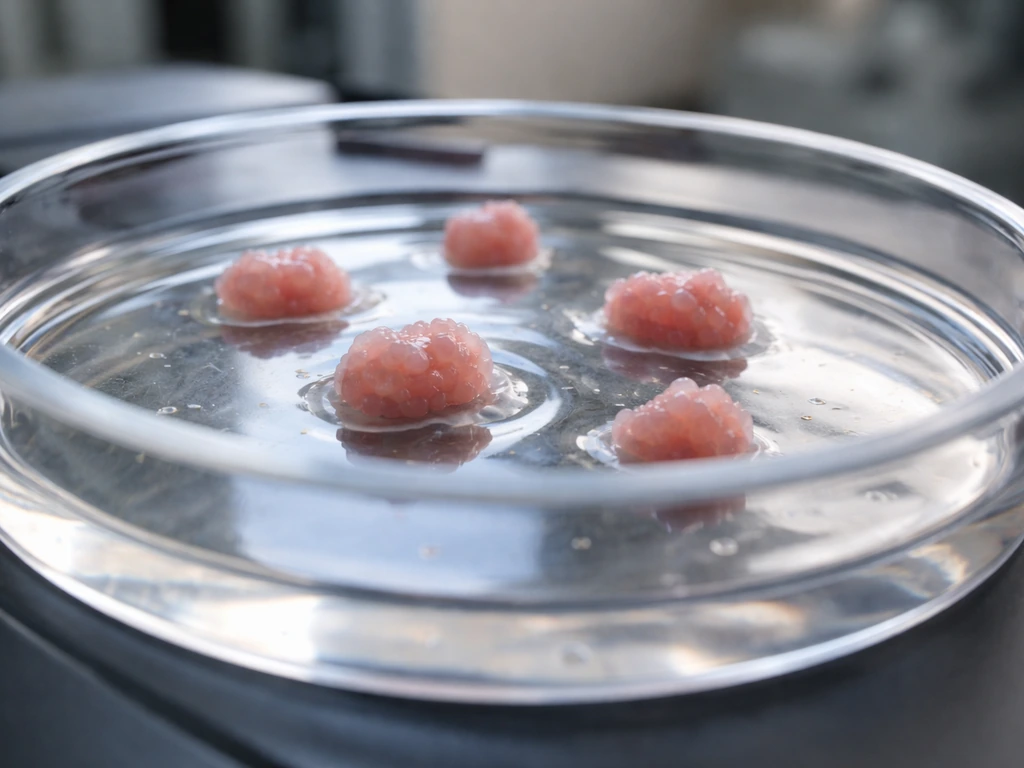
You can grow liver-like cells and even small 3D liver structures called organoids from stem cells right now, in 2026. But a full, transplantable human liver grown entirely from stem cells? That does not exist yet. The gap between those two things is exactly what this article is about, because understanding it will tell you what the science can actually do, what the real barriers are, and why this field is genuinely exciting without being there yet.
Can You Grow a Liver From Stem Cells? What’s Possible
Marcus Whitmore
27 May 2026
What 'grow a liver from stem cells' really means
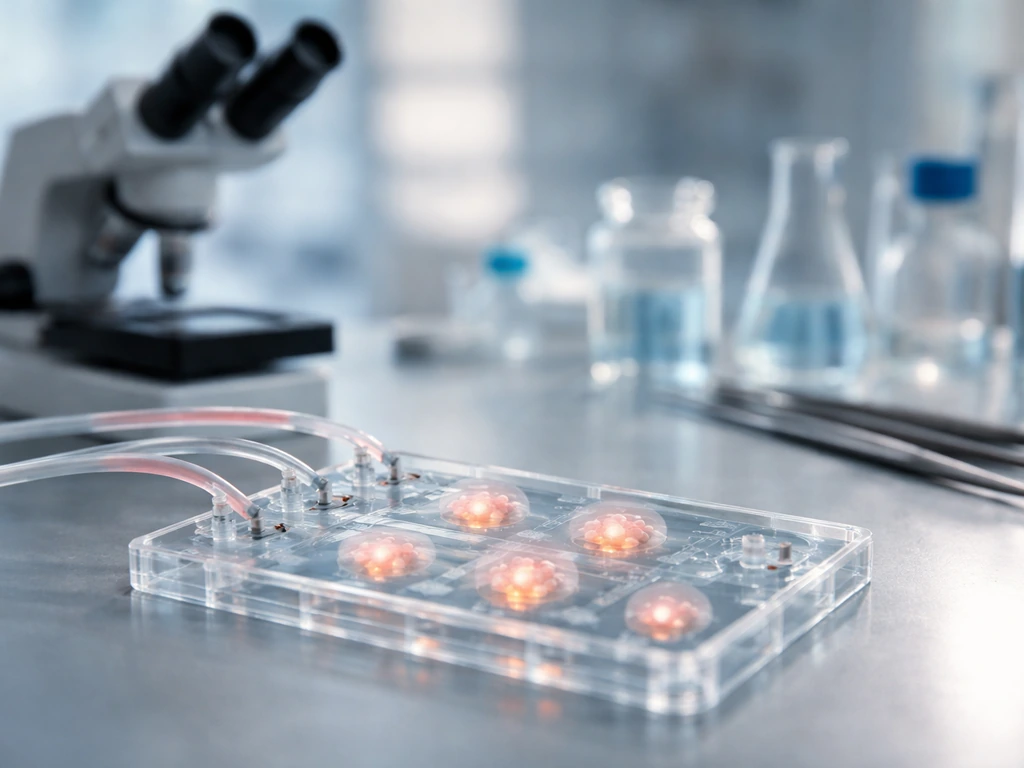
When people search this question, they usually have one of three very different things in mind. The first is a full replacement organ, something a surgeon could transplant into a patient with liver failure the same way a donated liver would be used. The second is liver tissue, a smaller engineered chunk of functional liver that might be patched into a damaged organ or used as a partial therapy. The third is a liver model, a miniature 3D structure grown in a dish that mimics liver behavior well enough to study disease or test drugs. These three things are not equally achievable. Right now, only the third category is routinely done in labs, with the second showing real promise and the first remaining a long-term goal.
Think of it like baking bread. You can reliably make a bread roll today. Making a full artisan sourdough loaf takes more skill, time, and the right conditions. Building a fully automated bakery that runs without human input is a future project. Stem cell liver science is in the bread-roll-to-loaf transition zone right now.
Stem cell types used for liver generation
Not all stem cells are the same, and the type you start with shapes everything that follows. There are three main categories researchers use for liver work.
Pluripotent stem cells (PSCs) and iPSCs
Pluripotent stem cells can become almost any cell type in the body. Embryonic stem cells (ESCs) are derived from early human embryos, which raises ethical questions. Induced pluripotent stem cells (iPSCs) sidestep that problem because they are made by reprogramming ordinary adult cells, like skin or blood cells, back into a stem-cell-like state. You can take a skin biopsy from a specific patient, turn those cells into iPSCs, and then direct them toward liver cells. That means the resulting liver cells are genetically matched to the donor, which matters enormously for avoiding immune rejection. iPSCs are currently the most widely used starting material for liver differentiation research.
Chemically induced liver progenitors (CLiPs)
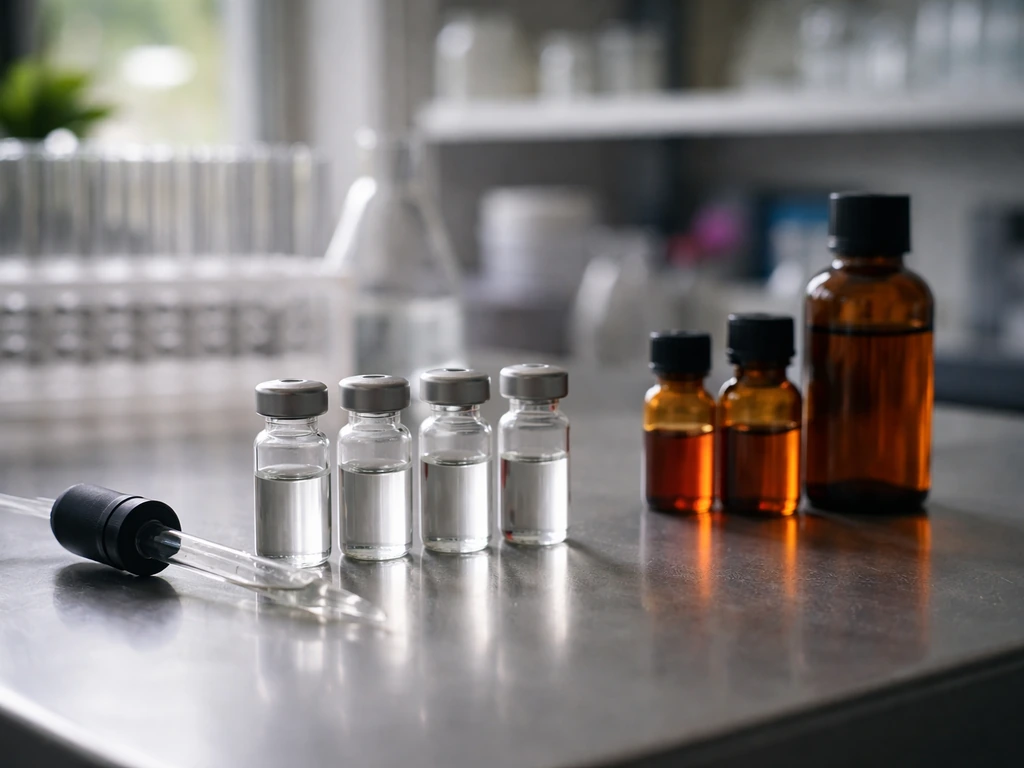
A newer approach skips the full pluripotent state and uses chemical cocktails to convert adult cells directly into liver progenitor cells. These chemically induced liver progenitors, or CLiPs, can expand rapidly and then be pushed toward mature liver cells. They are seen as promising candidates for cell therapy because they may be easier to scale up and have fewer safety concerns than fully pluripotent cells, which can theoretically form tumors if not fully differentiated.
Adult liver stem or progenitor cells
The liver does regenerate naturally after injury, which led researchers to hope it had a dedicated adult stem cell population similar to what the intestine has in its crypts. The reality is more complicated. The liver does not have a clearly defined adult stem cell compartment in the same organized way. Some progenitor-like cells do appear during injury, but harvesting and expanding them reliably for therapeutic purposes has proven difficult. This is one reason why iPSC-based approaches have taken the lead.
How liver differentiation works, step by step
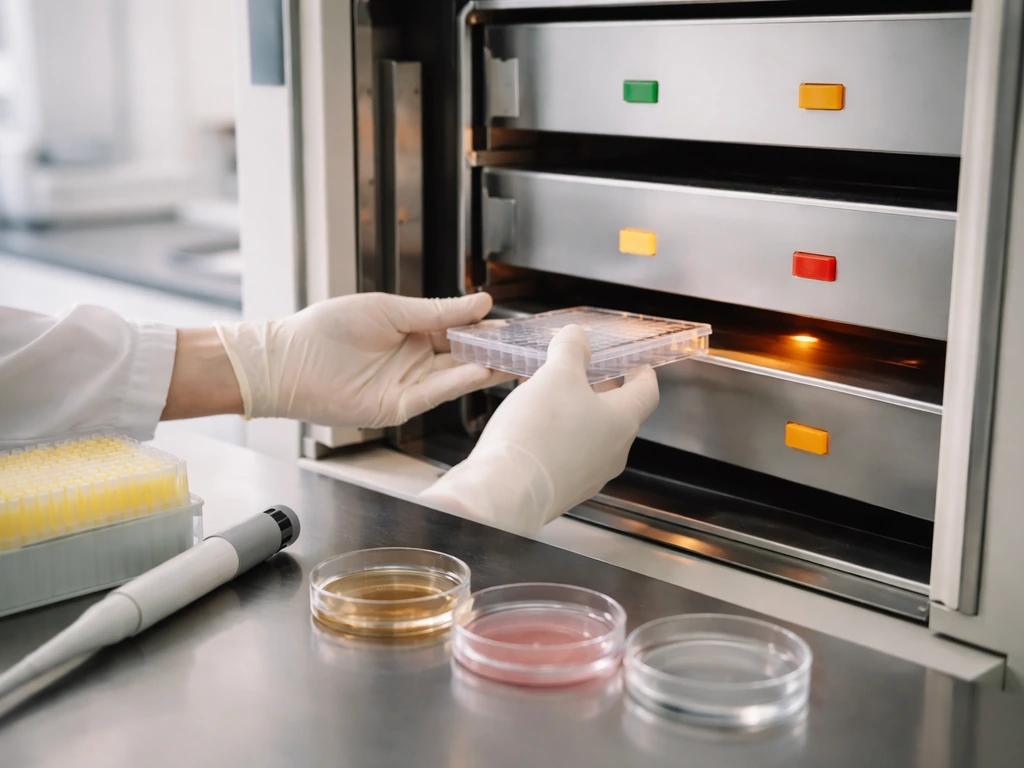
Turning a stem cell into a liver cell is not a single step. It is a carefully staged process that mimics what happens in a developing embryo. Researchers have figured out that if you feed stem cells the right chemical signals in the right order, the cells follow a developmental path toward liver identity. Here is the general roadmap.
- Definitive endoderm induction: The first signal tells pluripotent cells to become endoderm, the embryonic tissue layer that gives rise to the liver, pancreas, and gut. Activin A and Wnt signaling are commonly used here over a few days.
- Hepatic specification: Next, signals like bone morphogenetic protein (BMP) and fibroblast growth factor (FGF) push the endoderm toward a hepatic fate, producing hepatic progenitor cells that express markers like HNF4A and AFP.
- Hepatoblast expansion: The progenitor cells multiply. At this stage they resemble fetal liver cells, called hepatoblasts, which can still go either toward hepatocytes (the main functional liver cells) or toward cholangiocytes (bile duct cells).
- Hepatocyte maturation: Signals like oncostatin M and dexamethasone, along with growth factors from the HGF family, push hepatoblasts toward mature hepatocyte-like cells (HLCs). This is where the process often stalls, because achieving full adult-level maturity is hard.
- 3D culture and co-culture: Placing cells in a 3D environment, often on or within extracellular matrix materials like Matrigel, and pairing them with supportive cell types (stellate cells, endothelial cells) dramatically improves both organization and function.
The whole process from iPSC to reasonably functional hepatocyte-like cells typically takes three to four weeks in a well-optimized protocol. The problem is that 'reasonably functional' is doing a lot of work in that sentence, which brings us to the next section.
From hepatocyte-like cells to organoids and liver tissue models
Once you have hepatocyte-like cells (HLCs), the next level up is organizing them into something that behaves more like actual liver tissue. This is where organoids come in. Liver organoids are small 3D clusters, usually a fraction of a millimeter across, that self-organize into structures with recognizable liver architecture. They can develop bile-handling structures, form cell-to-cell junctions similar to those in real liver tissue, and respond to drug exposures much like a real liver would.
These organoids are genuinely useful right now. Pharmaceutical companies use them to screen drug toxicity. Researchers use them to model liver diseases like fatty liver, cholestasis, and viral hepatitis in ways that animal models cannot fully replicate. If you have a rare metabolic liver disease, scientists can theoretically take your cells, build an organoid from them, and test whether experimental drugs work on your specific genetic variant. That is not science fiction. That is happening in leading research labs today. A 2023 review characterizes current PSC-derived liver organoid work as leading in vitro platforms for disease and drug testing, while noting that iPSC-derived hepatocyte-like cells still lack full functional maturity needed for translation leading research labs today.
Beyond organoids, there are bioengineered liver tissue constructs. These are larger, more structured pieces of tissue built using scaffolds, sometimes made from decellularized donor organs stripped of their original cells, and repopulated with stem-cell-derived liver cells. These constructs can be implanted in animal models and, in some cases, show partial function. But they are not yet ready for human clinical use as organ replacements.
Why a full transplantable liver is so hard to grow
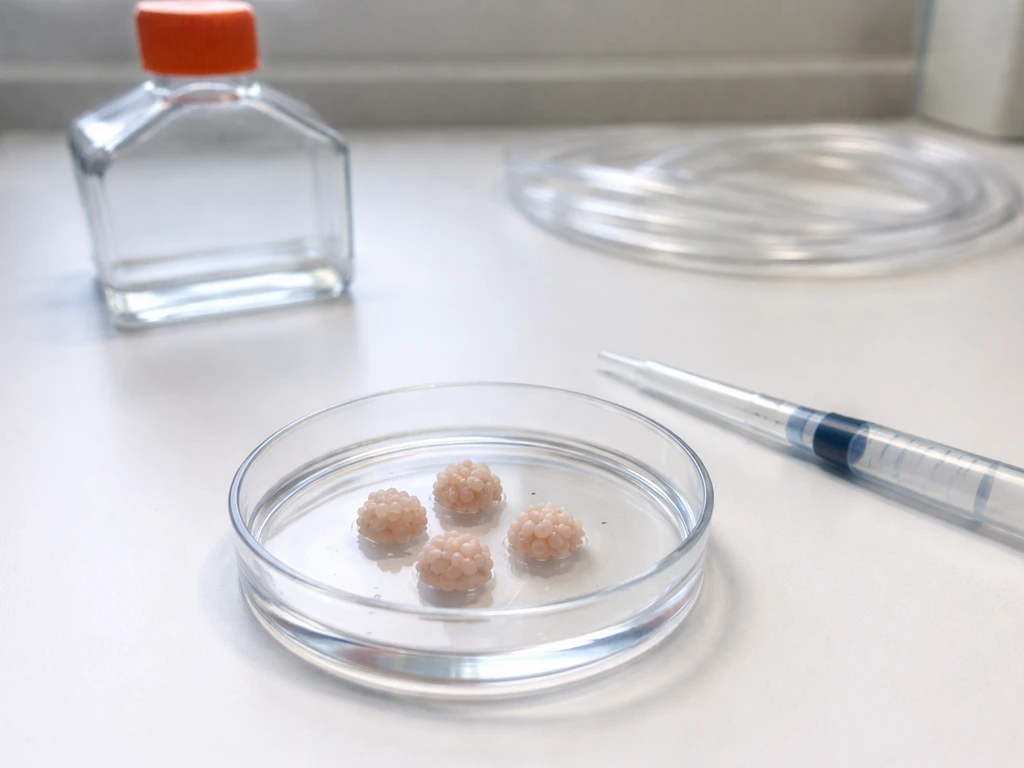
If you can grow liver cells and even small organoids, why can't you just scale up and grow a whole liver? This is the right question to ask, and the honest answer is that several problems layer on top of each other in ways that are genuinely difficult to solve simultaneously.
- Cell maturity: iPSC-derived hepatocyte-like cells consistently resemble fetal liver cells more than fully adult liver cells. They produce less albumin, handle drugs differently, and lack some of the enzyme activity you need for full liver function. Getting cells to mature all the way is an unsolved problem.
- Vascularization: A real liver is a highly vascular organ. Every hepatocyte sits within about 70 micrometers of a blood vessel. Grow a chunk of liver tissue larger than a few millimeters without a working blood supply and the cells in the center die from oxygen starvation. Engineering a functional, hierarchical vascular network that can be connected to a patient's circulation is one of the hardest problems in the entire field.
- Spatial organization and complexity: The liver is not just one cell type. It contains hepatocytes, cholangiocytes, stellate cells, Kupffer cells (immune cells), endothelial cells, and more, all arranged in precise zones called lobules that each perform slightly different metabolic tasks. Recreating that architecture at scale is an enormous engineering challenge.
- Long-term stability: Even when researchers get liver cells functioning well in the short term, maintaining that function over weeks and months in a lab setting or after transplant is difficult. Cells often dedifferentiate, meaning they gradually lose their liver identity.
- Immune compatibility: Even with patient-matched iPSCs, the process of manufacturing the cells can introduce changes that the immune system might recognize as foreign. Immune suppression strategies would likely still be needed.
These barriers are not insurmountable, but they interact with each other. Solving vascularization does not automatically fix maturity. Fixing maturity does not automatically produce the right spatial organization. This is why a 2025 review of cell therapy for liver disorders frames current approaches as most plausible for partial or cell-infusion therapies rather than whole-organ replacement.
What counts as 'functional' liver in the lab
When a researcher says their stem-cell-derived liver cells are 'functional,' what does that actually mean? There are several measurable benchmarks scientists use to assess how liver-like the cells truly are. Knowing these helps you read research papers critically and separate genuine advances from hype.
| Functional benchmark | What it measures | Why it matters |
|---|---|---|
| Albumin secretion | Amount of albumin protein produced and released | Albumin is the liver's most abundant secreted protein; low albumin is a sign of liver failure |
| Urea production | Conversion of ammonia to urea (nitrogen metabolism) | Detoxifying ammonia is a critical liver job; failure causes brain damage |
| Cytochrome P450 activity (CYP3A4, CYP1A2) | Activity of drug-metabolizing enzymes | These enzymes process most medications; essential for drug safety testing |
| Glycogen storage | Ability to store glucose as glycogen | A basic metabolic function of hepatocytes |
| Bile acid handling | Transport and secretion of bile acids | Needed for digestion; failure causes cholestatic disease |
| LDL uptake | Uptake of low-density lipoprotein from culture medium | Reflects cholesterol metabolism, another key liver function |
| Response to hepatotoxins | Dose-dependent cell death when exposed to known liver toxins | Validates the cells behave like real hepatocytes under stress |
The issue is that current iPSC-derived hepatocyte-like cells typically pass some of these tests at moderate levels but rarely hit all of them at the same time at the levels seen in primary adult hepatocytes. It is a bit like a student who aces the reading and writing portions of an exam but only scrapes through the math. The overall score sounds fine, but the gaps matter depending on what you need the cells to do.
Practical realities: safety, ethics, and what you can do next
Safety and regulatory hurdles
Even the most promising stem-cell-derived liver therapies face a long regulatory road before reaching patients. Pluripotent cells carry a risk of forming teratomas (benign but problematic tumors) if even a small population of undifferentiated cells remain in a transplant product. Regulatory agencies require extensive safety testing before any cell therapy can proceed to human trials. A few early-phase clinical trials have explored hepatocyte transplantation using primary cells (not stem-cell-derived), and those experiences inform how cautiously the field moves. Stem-cell-derived hepatocyte therapies are currently in or approaching early clinical development in specific conditions, but they are nowhere near routine use.
Ethical landscape
iPSC-based approaches largely sidestep the embryo-use ethical debates that surround ESCs, which is one reason iPSCs have become the dominant research tool. However, ethical questions remain around donor consent for cell reprogramming, data privacy for patient-derived organoid banks, and equitable access to any therapies that eventually reach the clinic. Growing liver-like structures from human cells also raises questions about how complex a lab-grown biological system can become before new ethical frameworks are needed, a conversation the field is actively having.
How to read current research without getting misled
When you see a headline saying scientists 'grew a liver' or 'created liver tissue from stem cells,' ask three questions. First, what cell type did they start with and what did they actually produce, a few-millimeter organoid, a sheet of hepatocyte-like cells, or something implanted in a mouse? Second, what functional benchmarks did they measure, and how do those numbers compare to primary human hepatocytes? Third, is this a cell model system or something moving toward clinical translation? Most exciting papers are about the first category. That is genuinely valuable science, but it is not the same as growing a transplantable liver.
What you can do right now if you want to go deeper
If you are a student or curious learner wanting to genuinely understand this field, start by building a solid foundation in cell differentiation and how developmental signals work, since liver differentiation is really just applied developmental biology. From there, look into how organoid technology works as a general platform, because the same principles behind liver organoids drive advances in kidney, heart, pancreas, and skin organoid research. If you are curious about other organs, the same organoid and cell-differentiation logic is what researchers are applying when they ask can you grow a pancreas from stem cells. Skin organoid and skin cell studies also follow similar differentiation and developmental-signal principles, so you can apply the same thinking in how to grow skin cells from stem cells. Those same principles apply when people ask, can you grow a heart from stem cells, too organoid technology. The same organoid principles also raise the question of whether you can grow a kidney from stem cells, and what barriers would have to be solved for it to work in patients can you grow a kidney from stem cells. The biological barriers that limit liver regeneration from stem cells, especially vascularization and cell maturity, appear in those fields too, so understanding one gives you insight into all of them.
For primary literature, PubMed searches combining 'iPSC hepatocyte differentiation,' 'liver organoid,' and 'hepatocyte-like cells maturation' will pull up the most current work. Filter for reviews from 2023 onward to get a calibrated picture of where the field stands rather than chasing individual experimental results. Pay attention to which claims come from in vitro studies, which come from mouse transplant models, and which involve any human data. That hierarchy tells you a lot about how close to clinical reality any given finding is.
The bottom line is that stem cell science can already produce liver-like cells and useful organoid models, and those tools are genuinely advancing medicine right now, particularly for drug testing and disease modeling. A fully functional, transplantable liver grown from stem cells remains a serious scientific goal but not yet a clinical reality. The path from here to there runs through solving vascularization, achieving full hepatocyte maturity, and navigating regulatory safety, and researchers are actively working on all three. Knowing exactly where the frontier sits is the most useful thing you can take away from this topic today.
FAQ
What would it mean for a grown liver to be “transplantable,” beyond just looking like liver cells?
Transplantable would require reliable long-term function in the body, including durable drug-metabolizing activity, proper bile handling, survival and integration of the tissue, and an acceptable safety profile for months to years. In practice, that usually means strong benchmarks compared with adult hepatocytes plus successful performance in relevant animal systems before any human trial.
If iPSCs can be patient-matched, why does immune rejection still matter?
Patient-derived iPSCs reduce the chance of rejection compared with using unrelated donor cells, but they do not eliminate immune issues entirely. Culture conditions, genetic abnormalities from reprogramming or expansion, and any non-liver cell types present in the final product can still trigger immune responses or inflammation.
Can you directly use iPSC-derived hepatocyte-like cells as a therapy without forming organoids?
Sometimes, yes, hepatocyte-like cells can be infused or transplanted in smaller formats. The advantage is faster translation and less complex manufacturing, but outcomes may depend on the cells maturing in the host environment. Organoids and engineered constructs may better preserve tissue architecture, yet they add complexity and scale-up challenges.
Why do stem-cell-derived hepatocyte-like cells often fall short of adult hepatocytes on “function” tests?
Adult hepatocytes are fully matured and live in a specialized microenvironment with precise cell polarity, metabolic specialization, and vascular and signaling inputs. In vitro differentiation can leave gaps in enzyme expression, metabolic pathway balance, and bile-transport performance, so cells may test “okay” overall while missing critical capabilities.
How do researchers confirm they made liver cells instead of just “liver-like” cells?
They typically combine marker analysis (to confirm hepatocyte identity), functional assays (drug metabolism, albumin production, and bile-related behavior), and structural assessments (cell polarity and junction organization). A key caveat is that passing one or two readouts is not the same as matching the full adult hepatocyte profile.
What’s the biggest reason scaling up to a whole liver is not just a matter of “making more organoids”?
Whole-liver scale requires organized tissue architecture plus dense, functional vasculature throughout the graft. Without uniform blood supply, cells on the inside cannot get enough oxygen and nutrients, and maturity often remains limited. Achieving consistent vascularization across an entire organ is a major systems-level barrier.
Do chemical approaches like CLiPs avoid the tumor risk seen with pluripotent stem cells?
They can reduce one specific risk pathway because CLiPs skip the full pluripotent state, but safety still has to be demonstrated. Any therapy must ensure the final product is free from undifferentiated or aberrant cells, and regulators will look closely at impurity profiles, stability, and long-term behavior.
How long does a lab-grown liver cell product stay “good,” and can it be frozen and reused?
Protocols vary, but many cell therapies are designed for cryopreservation and standardized thawing to support reproducibility. The key challenge is maintaining viability and functional maturity after thaw, and ensuring the product stays consistent batch-to-batch under quality control tests.
Are there ethical or privacy issues unique to using patient-derived iPSC organoids?
Yes. Even when ESC debates are sidestepped, donor consent and data privacy become central because patient genetic information is used to generate and store lines. There are also downstream issues around who benefits from personalized therapies and whether access will be limited by cost and infrastructure.
What should I look for when reading a headline that claims a “grown liver” from stem cells?
Check the starting cell type and the final product size and form (for example, a small organoid, a monolayer of hepatocyte-like cells, or tissue in an animal). Then look for concrete functional benchmarks, whether evidence comes from in vitro, mouse transplant, or human data, and how closely the work matches adult hepatocyte performance rather than partial activity.
If my goal is drug testing, are liver organoids already sufficient, or do I need more mature systems?
Organoids are useful now for toxicity screening and disease modeling, but maturity and reproducibility can still limit how accurately they predict human outcomes. Teams often compare multiple models and readouts, and they may require maturation-enhancing steps or standardized conditions to reduce variability across batches.
Could support therapies help cells mature once transplanted, even if the cells are not fully mature beforehand?
Potentially, yes. Host cues, extracellular matrix composition, and oxygen and flow conditions can influence maturation after delivery. However, relying on the host is not a substitute for baseline safety and a minimum functional level, because outcomes depend on whether the cells can survive, integrate, and keep performing long term.
Next Article
Can You Grow a Heart From Stem Cells? What’s Possible Now
Can you grow a heart from stem cells today? See what cardiac organoids can do, key limits, and next research steps.