You can grow pancreatic tissue from stem cells, but not a whole pancreas. pancreatic tissue from stem cells can you grow a liver from stem cells. Researchers have successfully coaxed human pluripotent stem cells into insulin-producing beta-cell clusters, pancreatic organoids, and progenitor-like tissues that respond to glucose. Some of those cell products are already in early-phase human clinical trials.
Can You Grow a Pancreas From Stem Cells? What’s Real
Marcus Whitmore
27 Apr 2026
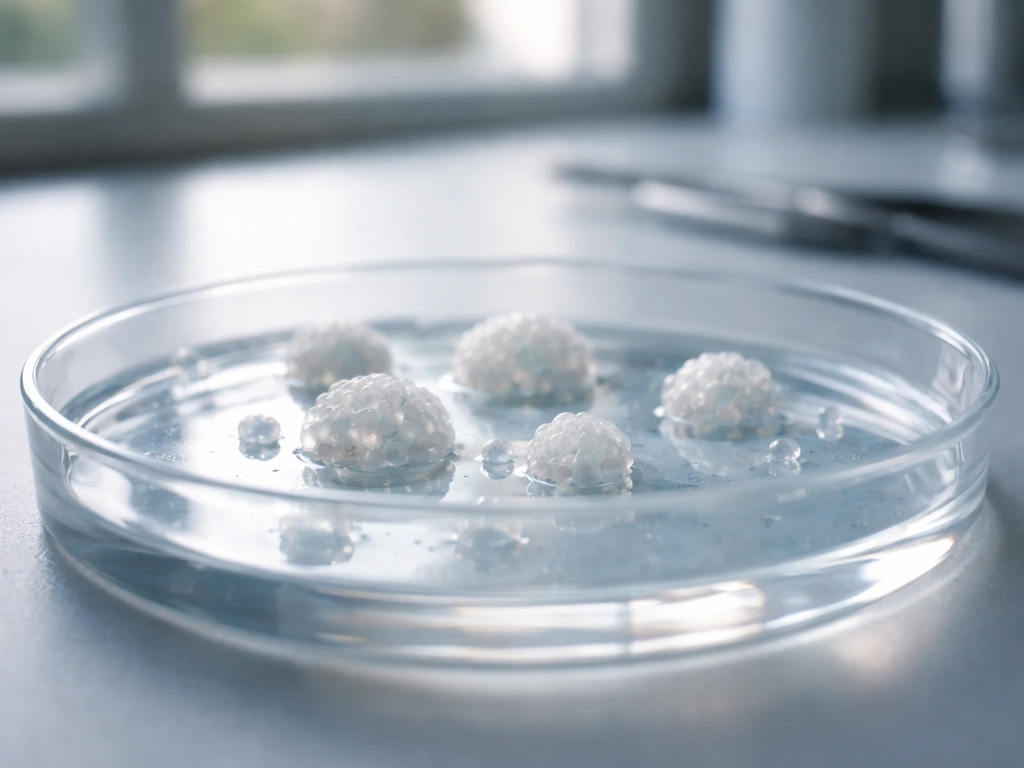
A 2014 Nature Biotechnology news piece describing first stem cell-derived islets in humans highlights ViaCyte’s VC-01 (PEC-01 cells), which uses pancreatic progenitor cells derived from human embryonic stem cells encapsulated in the Encaptra device implanted under the skin, with a plan to start a Phase 1/2 trial for type 1 diabetes.
What nobody has done yet is grow a complete, transplantable pancreas with all of its structural complexity, blood vessel networks, and both endocrine and exocrine functions working together. That gap between 'pancreatic cells' and 'a pancreas' is the core of this story.
What 'growing a pancreas from stem cells' actually means
When most people ask this question, they picture a lab-grown organ ready to drop into a patient with type 1 diabetes or pancreatic disease. That framing is understandable but a bit misleading, because the pancreas is two organs crammed into one. The endocrine pancreas contains the islets of Langerhans, tiny clusters of beta cells, alpha cells, and others that control blood sugar through insulin and glucagon.
The exocrine pancreas is the much larger bulk of the organ, a factory of digestive enzymes that drain into the small intestine. Growing functional versions of both, organized together in the right 3D architecture, supplied by blood vessels, and connected to the right ducts, is an enormously different challenge from making insulin-producing cells in a dish.
So when researchers talk about 'pancreas from stem cells,' they usually mean one of three things: pancreatic progenitor cells (the developmental precursors), pancreatic organoids (small 3D tissue-like structures), or stem cell-derived beta-cell clusters intended for transplantation. If you are specifically asking how to grow skin cells from stem cells, the core idea is similar, but the differentiation cues and final tissue maturation steps are very different. Each of those is a real scientific achievement. None of them is a whole pancreas.
What researchers can actually make right now
Beta-cell clusters and islet-like structures
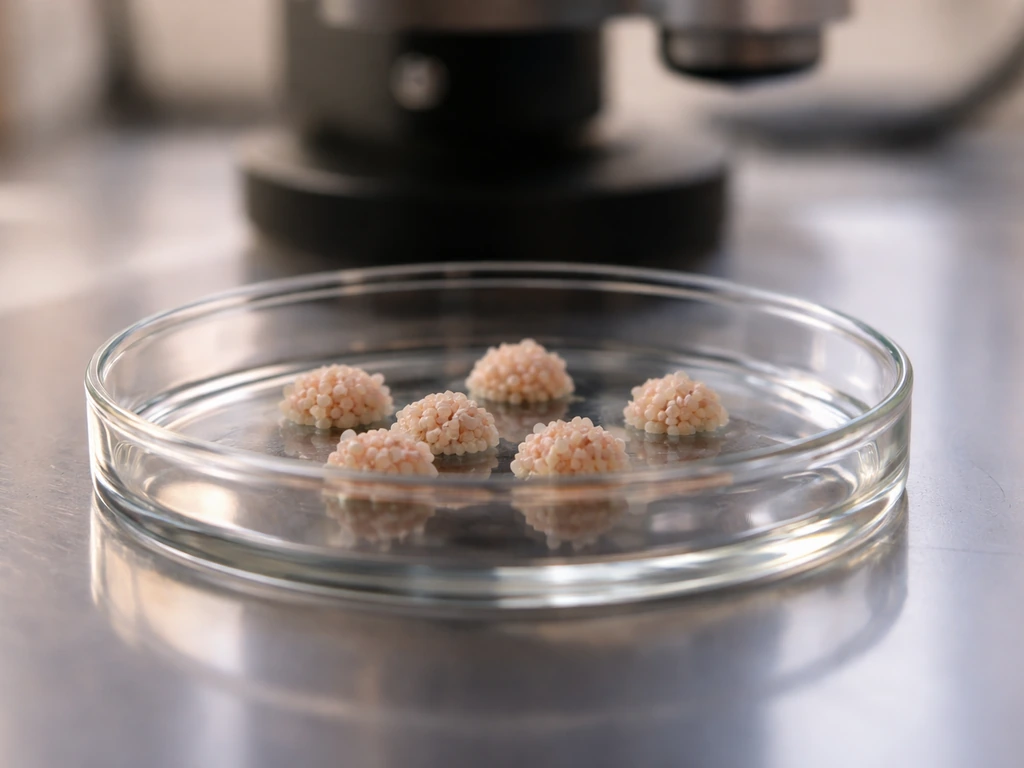
This is the most clinically advanced area. Starting from human pluripotent stem cells (hPSCs), including both embryonic stem cells and induced pluripotent stem cells (iPSCs), researchers can generate insulin-secreting beta-like cells that respond to glucose. Landmark studies showed that iPSC-derived beta-like cells can secrete insulin in response to glucose and, when transplanted into diabetic mice, reverse hyperglycemia. The cells release human insulin into mouse blood in a glucose-responsive way. That is not a party trick. That is genuine beta-cell function.
The jump from mouse models to humans has happened, carefully. Vertex Pharmaceuticals' VX-880 program (using stem cell-derived islets) showed positive Phase 1/2 results in 2024, with participants producing detectable C-peptide (a marker of the body making its own insulin) and improvements in glucose control. ViaCyte's encapsulated stem cell-derived beta-cell approach also reported interim 1-year outcomes including meal-stimulated C-peptide. Reviews of early-phase clinical trials note detectable C-peptide and HbA1c improvements in some patients, though consistent insulin independence across participants has not yet been achieved. This field is genuinely moving, not just in theory.
Pancreatic organoids
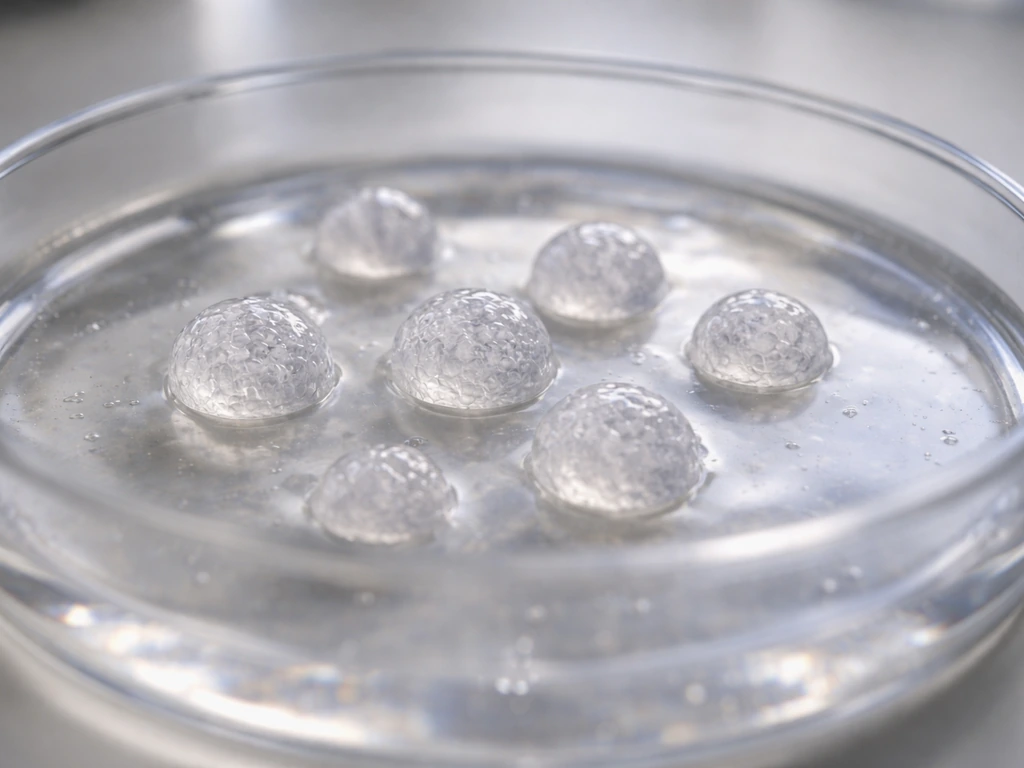
Organoids are miniature, self-organizing 3D tissue structures that mimic some features of an organ. Researchers have derived pancreatic organoids from both fetal and adult human pancreatic tissue. Adult pancreatic organoids tend to grow into duct-like structures in long-term culture, which is useful for studying pancreatic disease (including cancer) but less immediately useful for making insulin-secreting endocrine tissue. Fetal pancreatic organoids are more flexible. A recent study reported long-term expansion of human fetal pancreas organoid lines from tissue collected between 8 and 17 gestational weeks, generating models that can produce cells from all three major pancreatic lineages: endocrine, exocrine, and ductal. That multi-lineage capacity is a big deal for modeling development, even if it is still far from a transplantable organ.
Pancreatic progenitor-like cells
Multiple labs have worked out staged protocols to push hPSCs toward pancreatic progenitor identities. The key transcription factors here are PDX1 and NKX6.1. Cells that co-express both are considered genuine pancreatic progenitors, meaning they have the developmental identity of cells that would normally mature into the pancreas during embryogenesis. Protocols for maximizing the fraction of PDX1+/NKX6.1+ cells from hPSCs have been published and refined. These progenitor populations can serve as starting material for further differentiation toward beta cells, but they are early-stage developmental cells, not functional pancreatic tissue on their own.
How pancreatic differentiation actually works: signals, stages, and conditions
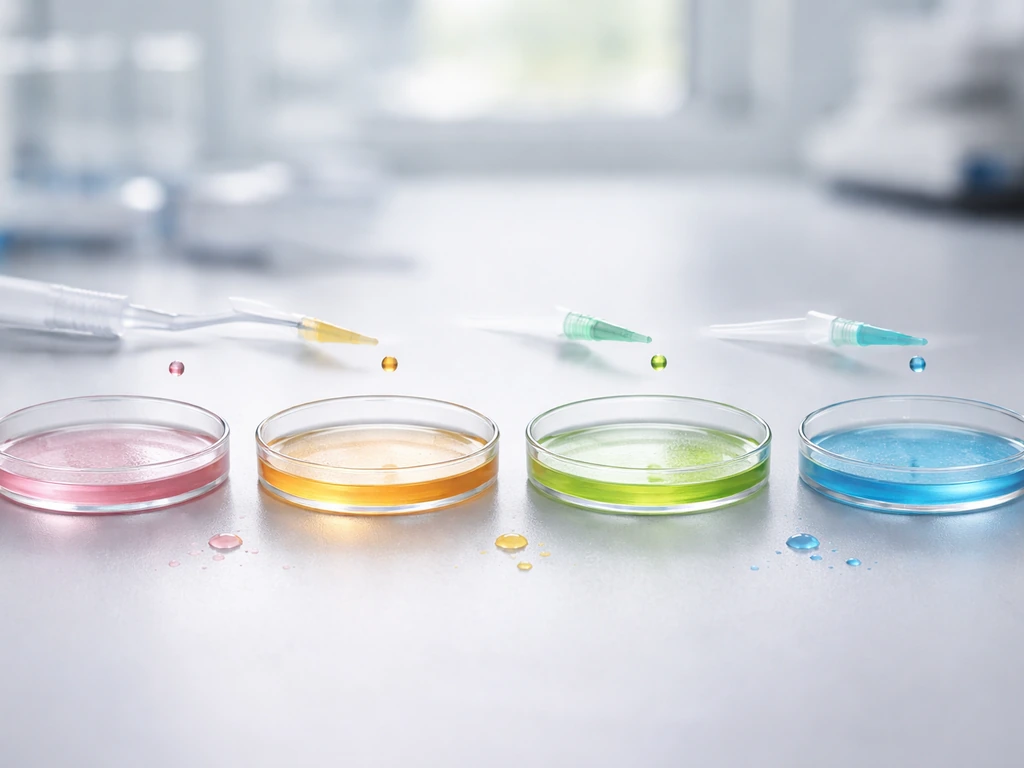
Think of differentiation as a step-by-step recipe where each stage has to go right before you move to the next. Pluripotent stem cells sit at the top, able to become almost anything. Guiding them toward a pancreatic fate means mimicking the signals the developing embryo normally uses. A well-established staged protocol involves four major phases: first, inducing definitive endoderm (the embryonic layer that gives rise to gut-derived organs); second, patterning toward posterior foregut (the region of the embryo where the pancreas forms); third, specifying pancreatic identity (activating PDX1 and related genes); and fourth, driving NKX6.1 expression to lock in the pancreatic progenitor state.
Each stage uses specific signaling molecules, including Activin/Nodal pathway activators, Wnt signals, FGF (fibroblast growth factor) ligands, retinoic acid, and inhibitors of BMP and Notch pathways at the right moments and concentrations. Timing matters enormously. Applying the right signal too early or too late pushes cells toward the wrong identity. Consistency across batches is a known challenge, and several papers specifically focus on making these protocols more reproducible. Getting to functional beta cells also often requires in vivo maturation: transplanted progenitors frequently complete their development inside an animal host over weeks to months, rather than fully maturing in a dish.
Culture conditions matter just as much as the chemical signals. Standard 2D culture (flat dish) does not replicate the 3D microenvironment cells experience in a real organ. Moving to 3D culture with Matrigel or other extracellular matrix scaffolds helps cells organize into more tissue-like arrangements. Microfluidic platforms and organ-on-a-chip systems add another layer: they supply continuous flow of nutrients and oxygen, mimicking blood circulation at a tiny scale. Perfusion-based organoid culture has been shown to improve glucose responsiveness in islet models, suggesting that the physical environment of culture, not just the chemical signals, shapes how well cells function.
Why a whole pancreas is still out of reach
The vascularization problem
Every cell in your body needs to be within about 100 to 200 micrometers of a blood vessel to get enough oxygen and nutrients. In a real pancreas, an intricate network of capillaries threads through every cubic millimeter of tissue. When you grow cells or organoids in a dish, there are no blood vessels. Diffusion handles oxygen delivery up to a point, but organoids larger than roughly 300 to 500 micrometers tend to develop necrotic (dead) cores because nutrients simply cannot reach the center fast enough. That is a hard physical limit, not a knowledge gap. Scaling up to an organ-sized structure without vascularization means the inside dies.
Researchers are working on vascularized organoid-on-a-chip systems with perfusable channels that mimic capillaries, and some platforms can sustain millimeter-scale vascularized tissues under flow. A vascularized and perfused pancreatic islet-on-a-chip concept has been developed specifically to maintain islet viability under flow conditions over extended periods. These are impressive engineering achievements. But scaling from a chip-sized vascularized islet to a fist-sized pancreas with a complete vasculature is a challenge of a different order of magnitude.
Structure, organization, and the exocrine problem
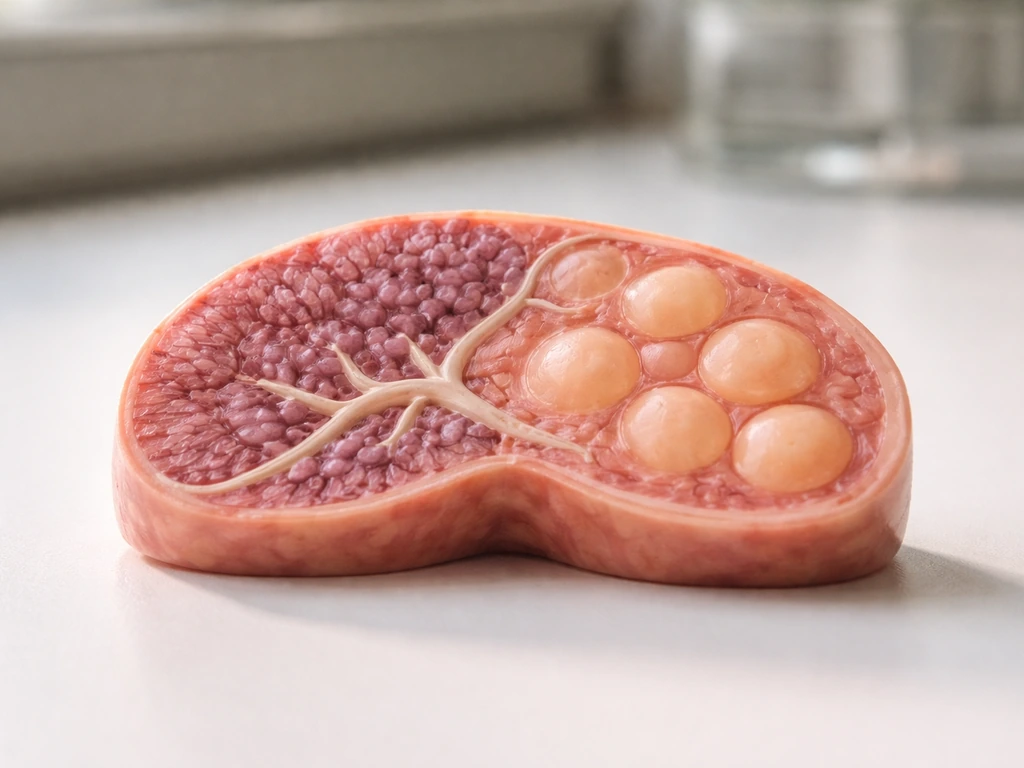
The pancreas is not just beta cells. About 95% of its mass is exocrine tissue: acinar cells making digestive enzymes, and ductal cells organizing them into drainage channels. Getting endocrine and exocrine tissue to form together, in the right proportions and spatial arrangement, has not been achieved in engineered tissue. Most research focuses on the endocrine side (beta cells for diabetes) because that is where clinical urgency is highest. But a truly functional pancreas needs both, with a duct system that connects to the small intestine and a blood supply that routes hormones directly to the liver.
Functional maturation and immune compatibility
Even the best in-vitro-derived beta cells are not quite as sharp as native beta cells at detecting subtle changes in blood glucose and releasing exactly the right amount of insulin. In vivo maturation inside an animal host consistently improves function, suggesting the cells need cues from a living environment that culture systems cannot fully replicate yet. On top of that, any transplanted cell product faces immune rejection. Clinical trials have dealt with this using immunosuppression or encapsulation devices (like ViaCyte's approach). For a whole-organ graft, immune compatibility becomes even more complex. iPSCs derived from a patient's own cells could theoretically sidestep rejection, but manufacturing patient-specific organs at scale is enormously expensive and logistically difficult.
The physical limits on growing organ-sized tissue
This is where the biology of growth itself becomes the constraint, and it is a theme that runs through many organ engineering challenges, not just the pancreas. Think of it like baking bread in a too-large loaf pan: the outside bakes fine, but the center stays raw because heat cannot penetrate fast enough. Cells have the same problem with oxygen and nutrients. Diffusion, the passive movement of molecules through tissue, works well over short distances but becomes critically slow beyond a few hundred micrometers. A human pancreas is roughly 15 centimeters long and weighs around 80 to 100 grams. Growing cells to that scale without an integrated vascular supply is physically impossible with current techniques.
Beyond diffusion, there is the question of architectural control. Cells need spatial signals to know where to go and what to become. In embryonic development, those signals come from neighboring tissues, gradients of signaling molecules, physical forces, and extracellular matrix cues that are incredibly difficult to recreate in a dish. Getting cells to self-organize into the right macro-scale structure, not just the right molecular identity, remains one of the deepest unsolved problems in developmental and tissue engineering biology.
Similar challenges apply to engineering a liver, kidney, or heart from stem cells, and researchers working on those organs face many of the same vascularization and maturation barriers. Similar challenges also apply to the question can you grow a heart from stem cells. Researchers are still working toward kidney-sized, functional kidney tissue, including solving major vascularization and maturation barriers.
How to actually engage with this field today
If you are a student or curious learner
The best way to understand this field is to start with the foundational biology of pancreatic development and stem cell differentiation, then layer on the engineering challenges. A few concrete entry points that will give you a real grounding:
- Read the landmark differentiation protocol papers: search for studies reporting staged hPSC-to-NKX6.1+ pancreatic progenitor differentiation. The methods sections alone teach you the signal logic.
- Follow ClinicalTrials.gov: search 'stem cell diabetes islet' to find active trials like NCT04786262 (VX-880/zimislecel). Reading trial protocols shows you what 'clinical translation' actually looks like.
- Check the ISSCR (International Society for Stem Cell Research) website. Their 2021 Guidelines for Stem Cell Research and Clinical Translation cover organoids, clinical translation, and responsible research. It is free and readable.
- Look at preprints on bioRxiv and papers on PubMed using terms like 'pancreatic organoid differentiation,' 'hPSC beta cell,' or 'islet on a chip' to track current progress.
- For the engineering side, look into organ-on-a-chip literature and vascularized organoid reviews. Nature Protocols and Nature Communications have published accessible overviews of microfluidic platforms for organoid culture.
If you are evaluating claims you see online
Be skeptical of anything that uses language like 'regenerated pancreas,' 'stem cell cure for diabetes,' or 'lab-grown organ available now.' None of those are accurate for 2026. Legitimate progress is happening in regulated clinical trials with carefully monitored participants and published outcome data. Ask whether a claim comes with peer-reviewed data, regulatory oversight, and honest reporting of side effects. If the answer to any of those is no, treat the claim with real caution.
| What exists now | What it can do | What it cannot do yet |
|---|---|---|
| Stem cell-derived beta-cell clusters | Secrete insulin in response to glucose; in early human trials | Replace a whole pancreas; handle full endocrine range long-term |
| Pancreatic organoids | Model pancreatic development and disease in 3D | Perform full organ function; include working vasculature at scale |
| Pancreatic progenitor cells (PDX1+/NKX6.1+) | Serve as starting material for beta-cell differentiation | Self-organize into a complete pancreas structure |
| Vascularized islet-on-a-chip | Sustain islet viability under perfusion for extended periods | Scale to organ size; integrate exocrine tissue |
Safety and ethics: what you genuinely cannot do outside regulated research
This deserves to be stated plainly. The FDA has issued public warnings about unapproved products derived from human cells or tissues marketed online for treating diseases, including reports of serious harm and death. The European Medicines Agency (EMA) has similarly warned that unregulated advanced therapy medicinal products (ATMPs), which include cell and tissue-based therapies, can pose serious health risks. There is no legitimate 'stem cell pancreas treatment' available outside of regulated clinical trials right now. If you see something marketed that way, it is not the real thing, and pursuing it could be genuinely dangerous.
The ISSCR guidelines are explicit: clinical use of unproven stem cell-based interventions should be limited to well-regulated clinical trials or carefully overseen medical innovations. If you or someone you know is considering a stem cell therapy for diabetes or pancreatic disease, the right path is to check ClinicalTrials.gov for legitimate trials, consult a specialist, and verify that any proposed treatment has regulatory oversight in your country. Curiosity about this science is healthy and worthwhile. Acting on unverified commercial claims is a different matter entirely.
On the research ethics side, work with human pluripotent stem cells, especially embryonic stem cells, operates under institutional and national ethical frameworks. The ISSCR guidelines address these dimensions in detail, including rules around chimeric animal models, organoid complexity limits, and consent requirements for cell donors. If you are considering research in this area, understanding those frameworks early will save you significant trouble later.
The bottom line on where this science stands
Growing a pancreas from stem cells is not fiction, but it is not here yet either. What is real and advancing fast is the ability to make functional insulin-producing cells from stem cells, put them into patients in clinical trials, and see genuine glucose control benefits. What is still out of reach is the full organ: the structure, the vasculature, the combined endocrine and exocrine function, and the scale. The core biological constraints, diffusion limits, architectural complexity, immune compatibility, and the need for in vivo maturation, are all active research problems, not permanent walls. The field is moving quickly, and the smartest thing you can do right now is understand the real science well enough to track that progress accurately.
FAQ
If researchers cannot grow a whole pancreas yet, what are the closest “pancreas-like” outcomes they can realistically deliver now?
The closest clinically meaningful outcomes today are stem cell-derived insulin-producing cell products, often tested as beta-like cell clusters or islet-like aggregates. These focus on restoring glucose control, not restoring digestion and duct drainage, which are major exocrine functions of the full organ.
Why do stem cell-derived beta-like cells sometimes work for a while but patients may not become insulin-independent long-term?
A common contributor is incomplete maturation and stabilization of glucose-sensing and insulin secretion, even when cells release insulin and C-peptide. Some protocols still rely on in vivo maturation steps, and performance variability between batches or recipients can limit durable insulin independence.
What is the difference between C-peptide and insulin in these trials, and why does it matter?
C-peptide indicates endogenous insulin production from the transplanted beta-like cells processing proinsulin, while insulin levels alone can be influenced by other sources and fluctuations. Trials often look for measurable C-peptide in response to meals because it better reflects functional beta-cell activity.
Can iPSC-derived cells from a patient eliminate the need for immune suppression?
It may reduce rejection risk compared with donor-derived cells, but it does not automatically remove it. Variations in immune compatibility, residual non-target cell types, and the immune system’s ability to recognize engineered cell products can still lead clinicians to consider immunosuppression or additional safeguards depending on trial design.
Why can’t researchers just make bigger organoids to approximate an entire pancreas?
Without a perfused vascular network, oxygen and nutrient delivery scale poorly. Larger tissues develop dead cores because diffusion is limited to a few hundred micrometers, so simply increasing size runs into a physical viability constraint rather than a solved biology problem.
Are organoids the same as transplantable tissue?
Not necessarily. Many organoids are valuable for modeling development and disease, but they may not have the right maturation state, duct connectivity, and perfusion capacity needed for safe transplantation. Transplant readiness usually requires additional proof of function, stability, and architecture.
Do “pancreatic progenitor” cells count as a step toward a whole-pancreas transplant?
They are an important intermediate because progenitor identity, such as co-expression of PDX1 and NKX6.1, is a sign you’re following the right developmental program. But progenitors are not the final functional product yet, they still require further differentiation and, for many approaches, maturation in a living environment.
What are the biggest risks or complications to watch for in stem cell-based pancreatic approaches?
Key concerns include immune reactions, loss of function over time, and unintended differentiation or overgrowth of non-desired cell types. Trials also monitor for general cell therapy risks such as inflammation, abnormal tissue behavior, and device-related issues when encapsulation is used.
How can I tell whether a commercial “stem cell pancreas” claim is legitimate?
Look for regulated clinical trial registration and published outcomes with clear regulatory oversight. If a product is marketed as an available cure, regeneration, or transplant substitute outside a trial framework, that is a red flag, because legitimate efforts for now are limited to well-monitored studies.
If a trial improves glucose control, does that mean it is replicating both endocrine and exocrine pancreatic function?
Usually no. Most stem cell programs target the endocrine part of the pancreas, aiming to restore insulin and glucagon balance. Exocrine function, including enzyme production and duct-connected delivery to the intestine, generally remains outside the current scope for stem cell-derived products.
Could a lab-grown pancreas ever be cheaper or more accessible if it is made from a person’s own iPSCs?
Personalized manufacturing is not straightforward at scale. Creating, qualifying, and processing patient-specific iPSCs under clinical-grade standards is logistically complex and expensive, which is why many programs start with standardized donor lines or encapsulation strategies rather than full personalization.
Next Article
What Controls When and How Fast Cells Grow and Divide
Learn what controls cell division timing and speed: checkpoints, signals, resources, DNA damage, stress, and failure lea