Figs grow in two distinct waves each year: an early-summer crop (called the breba crop) from buds that formed on last year's wood, and a main crop that ripens in late summer or early fall from buds that developed on the current season's new growth. Whether you actually see both of those waves depends heavily on your climate, the cultivar you chose, and whether your tree even needs a pollinator to set fruit. Get those three things right, and figs are genuinely one of the most low-maintenance fruit trees you can grow.
Fig How Does It Grow Step-by-Step Growth Guide

Marcus Whitmore
28 May 2026
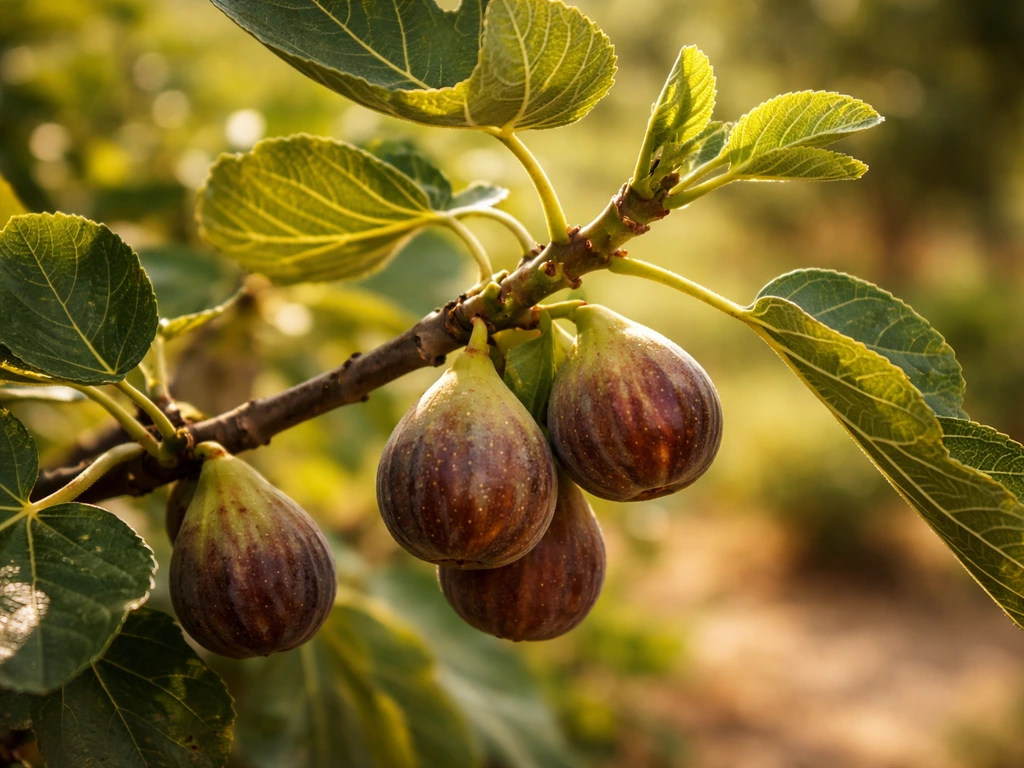
Fig plant basics: types and growth habits
Before you plant anything, you need to understand that not all figs work the same way biologically. Cultivated edible figs fall into three main groups: Common, San Pedro, and Smyrna, and they differ in one critical way: whether they need pollination to produce fruit.
- Common type figs are parthenocarpic, meaning the fruit develops without any pollination at all. These are the ones most home growers should plant. Varieties like 'Brown Turkey,' 'Celeste,' and 'Chicago Hardy' all fall here.
- Smyrna type figs have only female flowers and absolutely require cross-pollination by a caprifig (a wild fig) via a specific fig wasp to produce their main crop. Without that wasp, you get nothing. These are rarely practical for home gardens outside regions where fig wasps are present.
- San Pedro type figs are somewhere in between. Their breba crop (the early-summer wave) can develop without pollination, but the main crop requires the fig wasp. Again, usually not the right choice for most home growers.
From a growth biology standpoint, the fig's reproductive structure is fascinating: what looks like a fruit is actually an inverted flower cluster called a syconium. The 'fruit' you eat is really dozens of tiny flowers that developed inside a fleshy container. Each bud on a fig stem is a 'mixed bud,' meaning it can generate a shoot and carry axillary fruit at the same time, which is the physical reason figs can produce two crop waves from the same plant. Compare this to how apples grow, where flowers are strictly separate from vegetative growth buds, and you start to see why fig growth works so differently. Apples also follow a different growth pattern, with their flowering and buds developing in a more separated structure than figs apples how they grow.
Where figs grow best
Figs are native to the Mediterranean and thrive in long, hot, dry summers paired with mild winters. In the US, that maps most naturally to USDA hardiness zones 7 through 11. Below zone 7, you're fighting the plant's core biology every winter. 'Brown Turkey' is often cited as one of the hardier cultivars, surviving down to around 10°F, but even that has limits: hard freezes kill the wood above ground and send the plant back to suckers, which rarely ripen a full fruit crop before the next winter hits. The Alabama Cooperative Extension notes that severe cold can reduce fig productivity because freezing damages wood and can force regrowth from suckers or new shoots that may not mature into a full crop before winter returns hard freezes kill wood above ground and push the plant back to regrow from suckers.
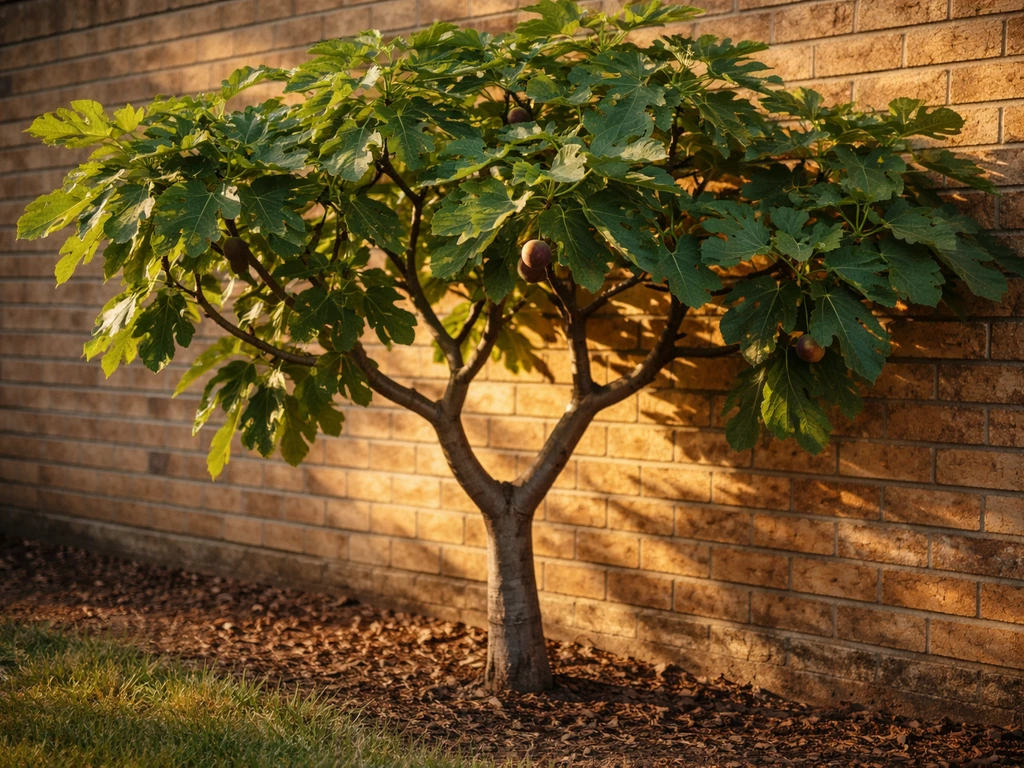
That said, microclimates matter enormously. A south-facing brick wall in zone 6 can effectively create a zone 7 or even zone 8 microclimate by absorbing heat during the day and radiating it back at night. Growers in Maryland, Virginia, and even parts of New England have gotten reliable crops by planting figs against a protected south or southwest-facing wall and mulching heavily at the base. Container growing is another option for colder zones: you can grow the plant in a pot, bring it into an unheated garage or basement for winter, and move it back out in spring.
How to grow a fig: site, soil, sun, and water
Picking the right spot
Figs need full sun, ideally 8 hours or more per day. Less than that and you'll get a beautiful leafy plant that barely fruits. Choose a spot with good air circulation but some protection from harsh north and northwest winds. If you're in a marginal climate, prioritize the south-facing wall over everything else.
Soil requirements
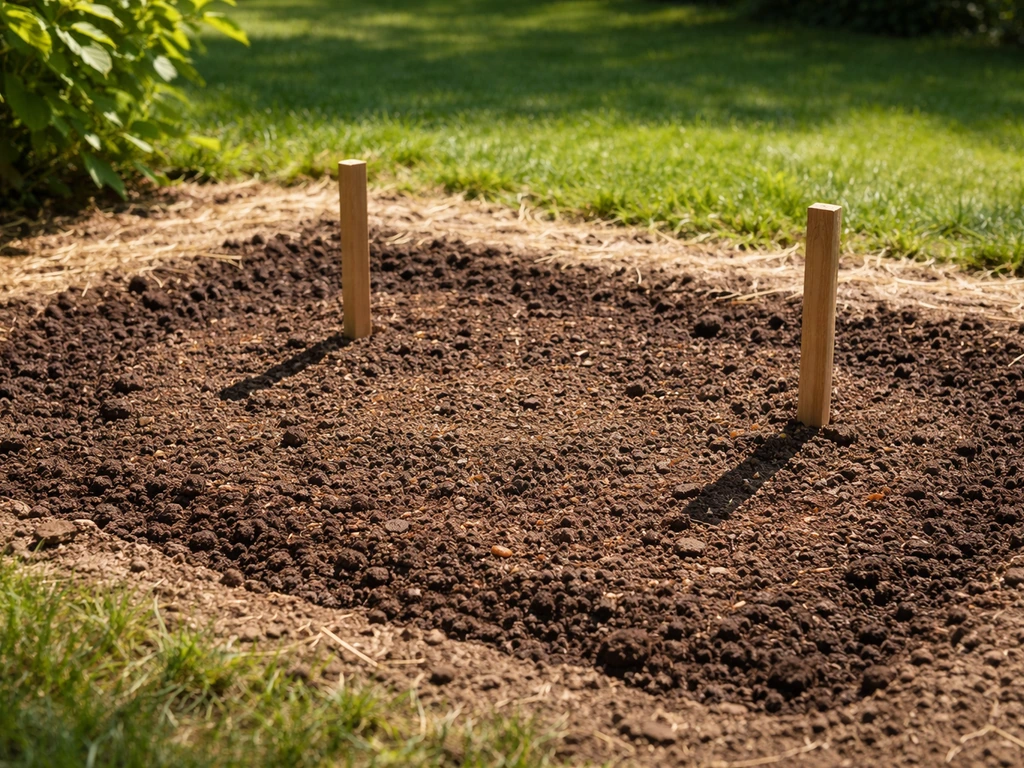
Figs prefer well-drained loam enriched with organic matter, with a soil pH between 6.0 and 6.5. If your soil is more acidic, apply lime to bring it into that range before planting. Avoid sandy soils if you can: beyond draining too fast, they tend to harbor root-knot nematodes, which are one of the most serious threats to fig health and are essentially untreatable once established. Conversely, heavy clay that stays waterlogged will rot the roots. Good drainage is non-negotiable.
One thing a lot of growers get wrong: figs have a very shallow, wide-spreading root system. Do not cultivate the soil around the base of an established tree. Even light hoeing can sever feeder roots and trigger a flush of suckers from the root zone, which is the opposite of what you want.
Watering strategy
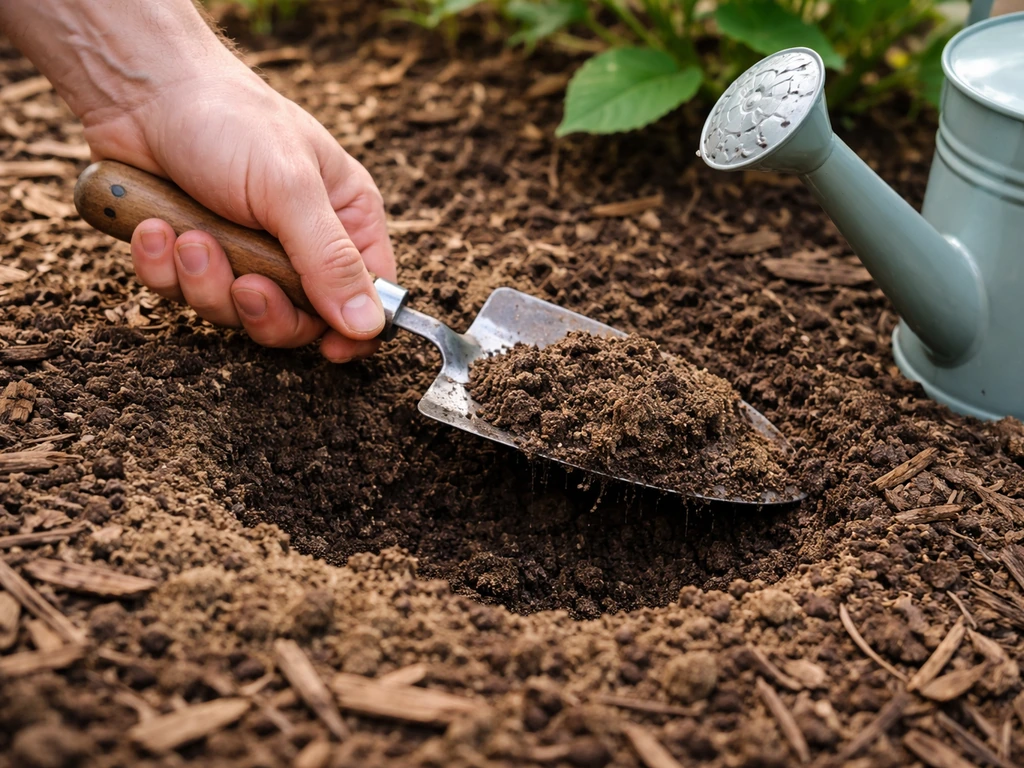
The practical rule is to water only when the top inch of soil is dry. That sounds simple but it requires you to actually check rather than follow a calendar schedule, because the right frequency shifts constantly with temperature, rainfall, and plant size. The critical failure mode to avoid is inconsistent watering: heavy rain or a sudden deep watering after a dry spell will cause developing fruit to split. You want steady, moderate moisture, not feast-or-famine cycles.
Fertilizing
Use a high-nitrogen fertilizer in early spring to push branching and leafing out. Once you see figlets forming on the new growth, shift to a fertilizer higher in phosphorus to support fruit development. Avoid over-fertilizing with nitrogen late in the season: it encourages lush vegetative growth at the expense of fruit and makes the wood less cold-hardy going into winter.
Container growing tips
If you're growing in a container for a colder climate, drainage is the most important factor: the pot must have adequate drainage holes, and the mix should be organically rich but free-draining. When transplanting a container-grown fig into the ground, you don't need to prune it first. Just remove it from the pot and set it in the hole. Keep the soil consistently moist, not wet, while it establishes.
How figs grow year to year
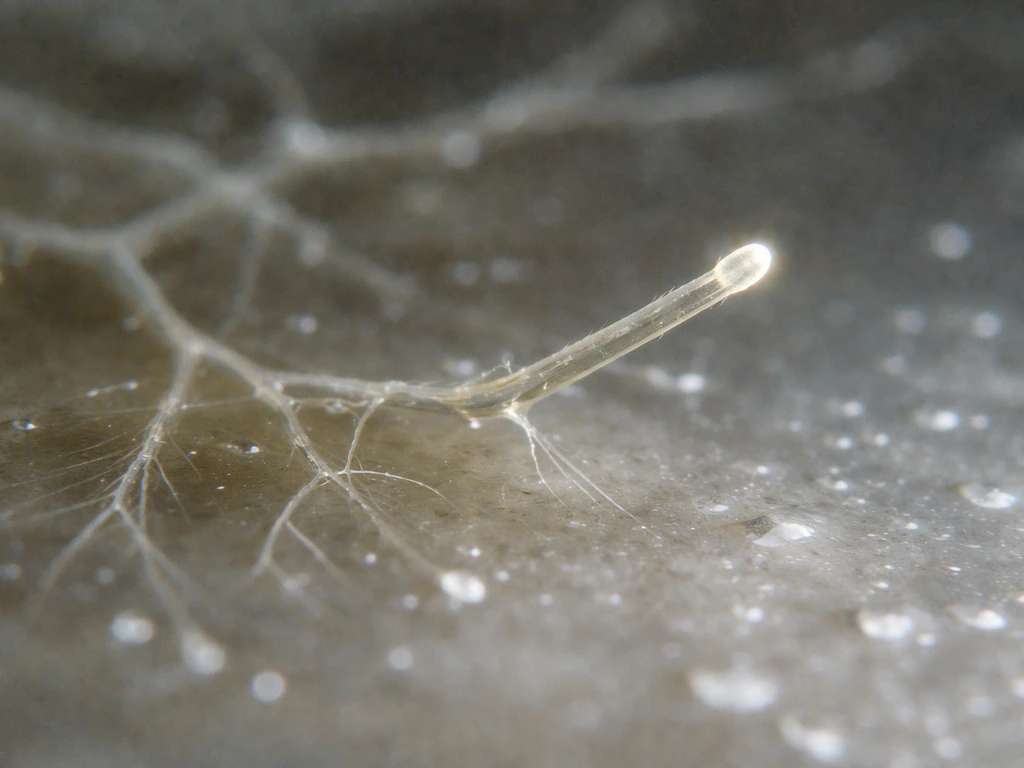
Understanding the seasonal growth cycle makes it much easier to diagnose problems and time your interventions correctly. Mycelium, like other fungi, spreads by growing threadlike hyphae and forming a network that expands through suitable moisture and nutrients how does mycelium grow. Here's how it plays out from dormancy through harvest:
- Late winter/early spring: The plant breaks dormancy and swells buds that formed the previous season. These mixed buds can become shoots, carry breba fruits, or both.
- Early summer: Breba fruits (the first crop) ripen on last year's wood. These are the larger, earlier figs you sometimes see in late May or June. Not all cultivars produce a meaningful breba crop.
- Spring through midsummer: New shoots elongate vigorously. As each leaf node develops, a small figlet forms in the leaf axil. These are the main-crop fruits.
- Late summer to early fall: Main-crop fruits swell and ripen, typically August through October depending on your climate and cultivar.
- Fall: Growth slows, leaves drop, and the plant shifts energy to hardening the wood for winter. Embryonic figlets that didn't ripen will remain on the tips of new shoots and become the following year's breba crop.
This two-wave system means that protecting your existing wood through winter has a direct payoff: you preserve the embryonic breba fruits that are already sitting on those shoots, ready to ripen the following June. If a hard freeze kills that wood, you lose both the breba crop and a significant chunk of potential main-crop nodes.
Propagation: getting new plants from what you already have
The most reliable way to propagate figs is from hardwood cuttings taken in late winter or early spring, while the plant is still dormant. This is the method recommended by most extension services because it's simple and has a high success rate when done correctly.
How to root hardwood cuttings
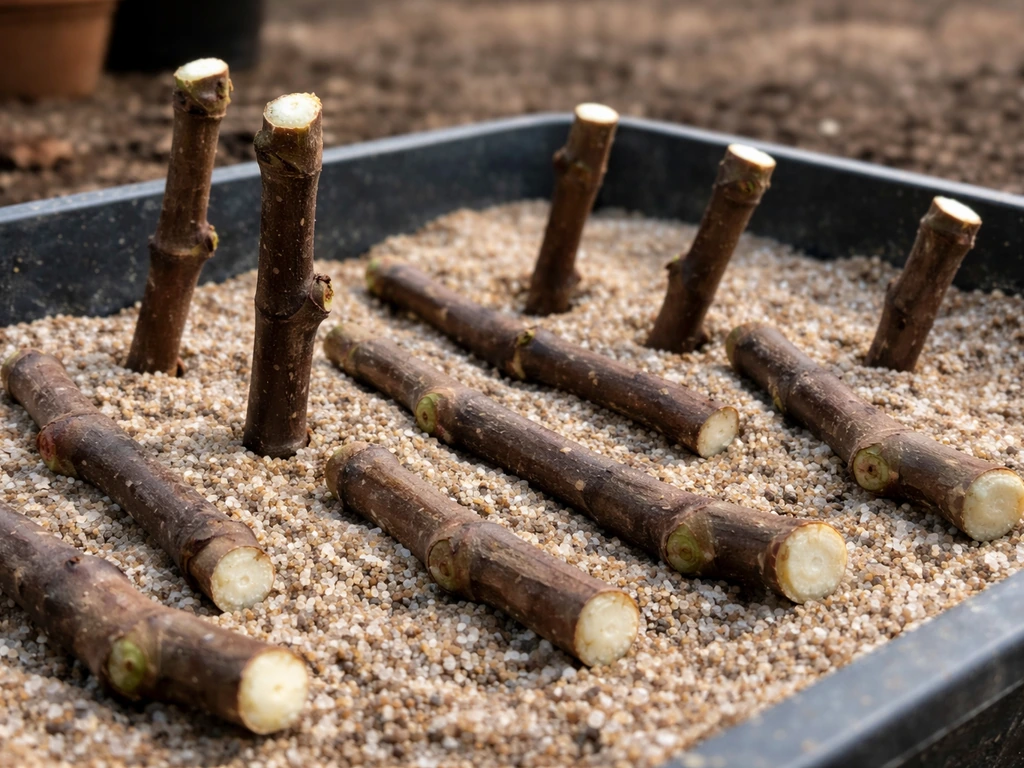
- Take cuttings about 8 to 12 inches long from healthy, pencil-thick dormant wood. Each cutting should have at least 3 to 4 nodes.
- Let the cut ends callus for a day or two before planting. Some growers dip the base in rooting hormone, but use liquid or gel forms rather than powder: powdered hormone has been linked to rotting the cutting rather than stimulating root growth.
- Plant the cuttings upright in a well-draining rooting mix, burying at least two nodes below the surface.
- Keep the soil temperature around 70°F. If your air temperature is below that, use a heat mat under the pot to warm the root zone from below.
- Cover with a clear plastic tent or dome to retain humidity, but check regularly to prevent mold.
- Roots typically develop within 4 to 8 weeks. Once you see new leaf growth emerging and the cutting resists a gentle tug, it's rooted.
Suckers and other options
Established fig trees frequently send up suckers from the root zone. These can be dug up with some roots attached and transplanted in early spring. They establish quickly because they already have a root system. Growing from seed is possible but rarely worth it for edible varieties: seedlings are genetically variable, may not match the parent plant's fruit quality, and take several years to fruit. Stick with cuttings or suckers.
Common problems that stop growth
Root-knot nematodes
This is the most serious and least treatable problem figs face. Root-knot nematodes are microscopic roundworms that infect fig roots, forming visible galls and steadily reducing the plant's ability to take up water and nutrients. Once infected, a tree cannot be chemically cured. Prevention is everything: avoid sandy soils where nematodes thrive, and consider resistant rootstocks if you're in a high-risk area. If you suspect nematodes are the culprit behind a mysteriously declining tree, dig up a portion of the root system and look for knotty galls.
Fig rust and other diseases
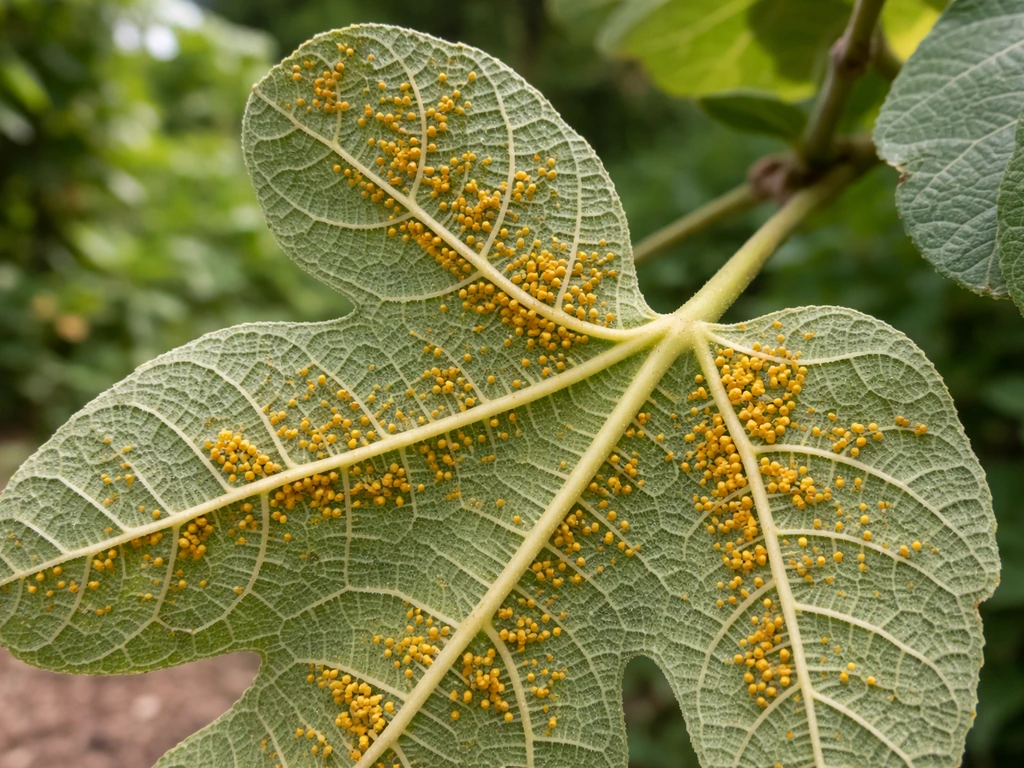
Fig rust is a fungal disease that causes yellow-orange pustules on the undersides of leaves and premature defoliation. A tree that loses its leaves in midsummer loses a significant chunk of its photosynthetic capacity right when it needs it most to finish ripening fruit. Improve air circulation, avoid overhead watering, and apply appropriate fungicides preventatively if rust is a recurring issue in your area. Fig mosaic, a viral disease, causes mottled, distorted leaves and reduced vigor. There's no cure for it, so infected plants should be removed to prevent spread.
Freeze damage and wrong variety choice
Two of the most common reasons figs fail to produce fruit are actually grower decisions made at planting time: choosing a Smyrna-type variety in a region with no fig wasps, or choosing a marginally cold-hardy variety for a cold climate. Freeze-killed wood forces the plant to regrow from suckers each year. Those suckers grow vigorously but almost never have enough season left to mature a full crop before winter arrives again. Choose a Common-type cultivar suited to your zone, and most other problems become much more manageable.
Water stress and fruit splitting
Inconsistent moisture is one of the most common causes of fruit splitting, which ruins the harvest and opens the fruit to mold and insects. The mechanism is straightforward: the fruit's skin grows at a slower rate than the flesh when water suddenly floods in after a dry period, and the skin tears. Mulch heavily around the base (keeping mulch away from the trunk) to buffer soil moisture, and water consistently rather than reactively.
Pruning and training for more fruit
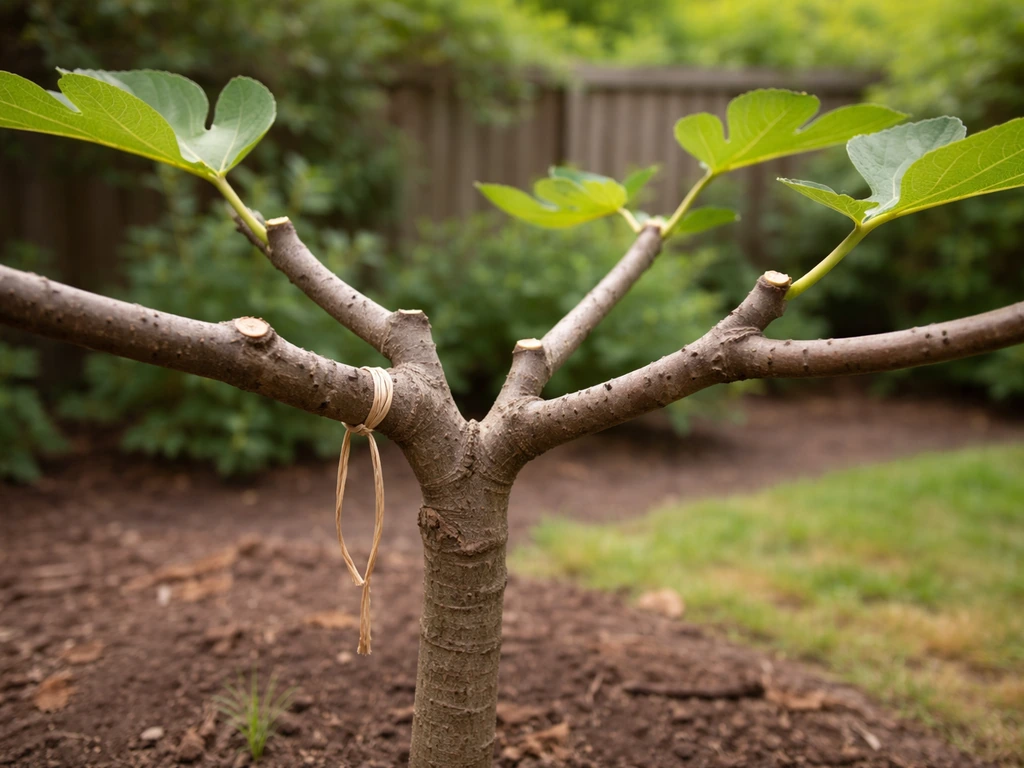
The training form you choose affects both fruit yield and cold hardiness. Virginia Tech Extension identifies two main approaches for home growers in marginal climates:
| Training form | Structure | Cold hardiness advantage | Harvest ease |
|---|---|---|---|
| Tree form | Single trunk, open canopy | Less protection; exposed wood more vulnerable | Easier for larger trees; may need a ladder |
| Bush form | Multiple stems from near ground level | Better; lower profile means mulch and covers protect more wood | Easier; most fruit within reach |
For most home growers in zones 7 and colder, the bush form is the smarter choice. It's easier to wrap or mound with mulch in winter, and the fruiting wood stays within arm's reach. Prune in late winter or very early spring, just before bud break. Remove dead wood first, then thin out crossing branches and any weak growth. The goal is an open, airy canopy that lets light reach interior fruiting nodes.
A critical timing point: avoid heavy pruning in fall. Pruning then stimulates new growth that won't harden off before winter, and you also remove the embryonic figlets sitting on shoot tips that would become next year's breba crop. If you need to do significant reshaping, always do it in late winter.
Harvest and caring for the plant afterward
How to know when figs are ready
Figs do not continue to ripen after picking, so you need to get the timing right before you harvest. If you also want the bigger timeline for each stage, see our guide on dates how do they grow for a related look at how fruit ripens over the season. A ripe fig is soft to gentle pressure, droops slightly on the branch rather than standing upright, and the skin may begin to crack or show small droplets of syrup at the eye (the small opening at the bottom). Color varies by cultivar, so don't rely on color alone. Taste is the best final check.
Storage
Fresh figs are extremely perishable: they keep for only 2 to 3 days in the refrigerator. For longer storage, freeze them whole on a tray and then bag them, or dry them either in a dehydrator or in a low oven. Dried figs keep for months and retain most of the fruit's sweetness.
Winter protection so next year's growth isn't lost
After the first hard frost kills the leaves, mound mulch 6 to 12 inches deep around the base of the plant. For plants in zones 6 and colder, wrap the stems loosely with burlap or frost cloth after the leaves drop, or tie the branches together and wrap the whole bundle. The goal is to keep the wood above the root zone from dropping below its cold-hardiness threshold. In very cold areas, container-grown figs can simply be moved into an unheated but frost-free space like a garage or basement, where they'll stay dormant through winter and be ready to push growth again in spring.
The underlying principle here is the same one that governs growth constraints across all living organisms: cells and tissues can only function within a specific temperature window. When fig wood drops below its minimum survivable temperature, cell membranes rupture and the tissue dies. Protecting the wood is literally protecting the cellular infrastructure that makes next year's growth possible. Getting that right is the difference between a fig that just survives and one that actually produces fruit reliably year after year. If you want to know how does it grow in your conditions, focus on sunlight, watering consistency, and protecting the wood that forms the next crop.
FAQ
How can I tell whether my fig will produce breba fruit or only a main crop?
Check whether the cultivar is typically capable of a breba crop in your region, then evaluate winter risk to the previous year’s wood. If your site reliably freezes enough to kill above-ground wood, you will likely lose most breba fruit and end up with mostly or only the current season’s main crop.
My figs have lots of leaves, but no fruit, what should I check first?
First confirm variety type (Common vs San Pedro vs Smyrna) and whether your area lacks the wasps needed for Smyrna-type fruit set. Next, verify you are not overfeeding nitrogen late in the season, because it can push vegetative growth while delaying fruiting and reducing cold-hardiness.
Why do my figs split after watering, and how do I prevent it?
Fruit splitting usually happens when dry conditions are followed by a sudden soaking or deep watering, the skin grows slower than the flesh, and it tears. Prevent it by mulching for moisture buffering and watering when the top inch dries, not by calendar scheduling or large “catch-up” waterings.
Do figs need pruning to grow well?
Pruning helps shape the canopy and protect fruiting wood in colder climates, but it should be light and timed. Avoid heavy fall pruning because it stimulates tender new growth and removes tips that would carry next season’s breba crop.
What is the safest way to prune if I’m in a marginal climate?
Wait until late winter or very early spring, remove dead wood first, then thin crossing or weak branches to open the canopy. Keep the goal airy and light-filled, this improves fruit ripening on interior nodes and reduces leaf-disease pressure.
Can I cultivate the soil around an established fig tree to control weeds?
Avoid it. Figs have shallow, wide roots, even light hoeing can cut feeder roots and trigger more suckers. Instead, use hand pulling and mulch to manage weeds near the base.
What should I do if my fig is in a pot, but I live in a place with freezing winters?
Focus on keeping the pot well-drained and moving it to a frost-free but unheated space for winter dormancy (garage or basement). Do not keep it actively growing indoors with lots of light, that can lead to weak growth that struggles when moved outside.
What soil pH and texture matter most for fig health?
Aim for slightly acidic to near-neutral, about pH 6.0 to 6.5, and prioritize drainage. Extremely sandy soils can increase root-knot nematode risk, while heavy clay that stays wet can rot roots, the best compromise is loam with consistent drainage and organic matter.
How do I know if root-knot nematodes are the issue?
Look for declining vigor plus root galls (knotty swellings) when you excavate part of the root system. If you confirm nematodes, there is generally no reliable chemical cure for infected trees, so prevention through soil choice and potentially resistant rootstocks becomes the long-term strategy.
When should I protect my fig wood for winter?
After the first hard frost removes leaves, then mound mulch around the base (deep enough to cover the root zone) and wrap or bundle stems where temperatures drop below your cultivar’s survival limit. Protecting the wood that formed earlier is what preserves the next breba crop potential.
How do I harvest figs so they actually taste right?
Because figs do not continue ripening after picking, harvest based on texture and readiness, a ripe fig is soft to gentle pressure and may droop on the branch. Color alone can mislead because cultivars differ, so use taste as the final check for your variety.
What’s the correct way to store figs once I harvest them?
Plan for rapid use, fresh figs generally last only a few days refrigerated. For longer storage, freeze whole figs (then bag after freezing) or dry them, dried figs keep for months and usually taste sweeter and more concentrated.
Can figs be grown from seed, and will the fruit match what I planted?
Seed-grown figs are possible but rarely worth it for edible results because seedlings vary genetically, meaning fruit quality and ripening habits may not match the parent. For more predictable outcomes, use hardwood cuttings or transplant suckers in early spring.
Next Article
How Do Hyphae Grow: Step-by-Step Biology and Conditions
Step-by-step hyphal growth: tip extension, streaming transport, cell-wall building, and conditions that enable or stop e