Anything with a fixed developmental program, a telomere clock, or no active stem-cell population cannot grow indeterminately. In practice, that means most animals (including humans), differentiated somatic cells, and determinate plant structures like flowers and leaves all hit a hard stop. If your multiple-choice list includes a normal differentiated cell, an adult vertebrate, or a floral meristem alongside something like a plant shoot tip or an embryonic stem cell line, the growth-limited option is almost always the one governed by a finite program rather than an open-ended stem-cell niche.
Which of the Following Cannot Grow Indeterminately

Marcus Whitmore
30 Apr 2026
Indeterminate vs. determinate growth: what the words actually mean
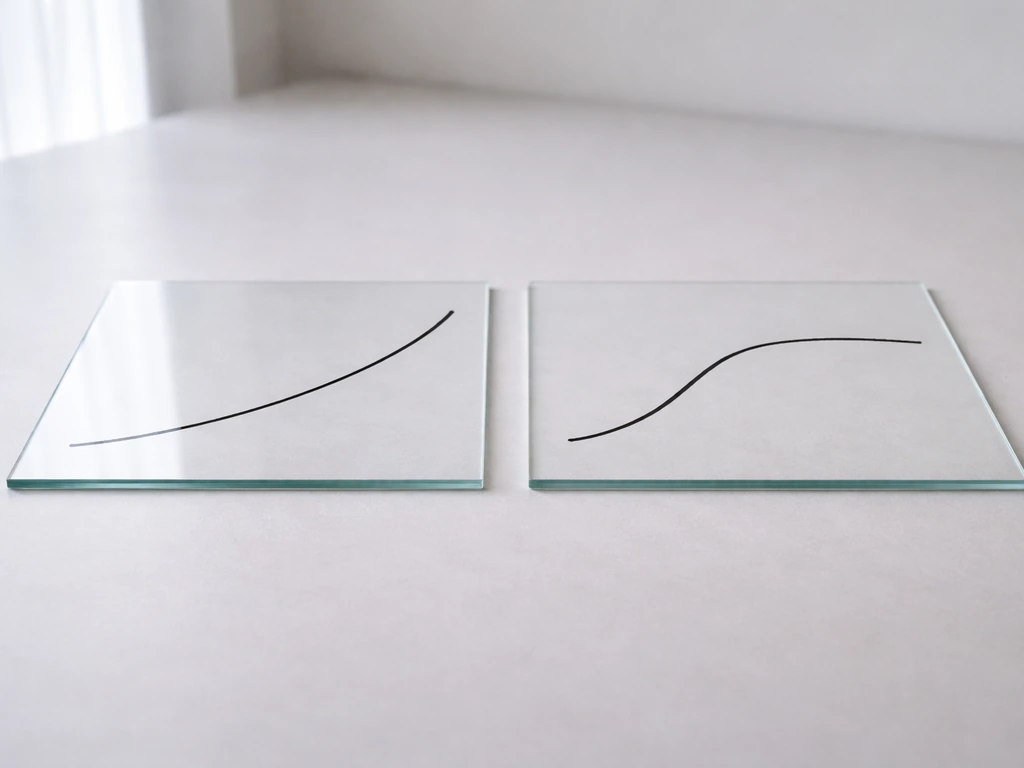
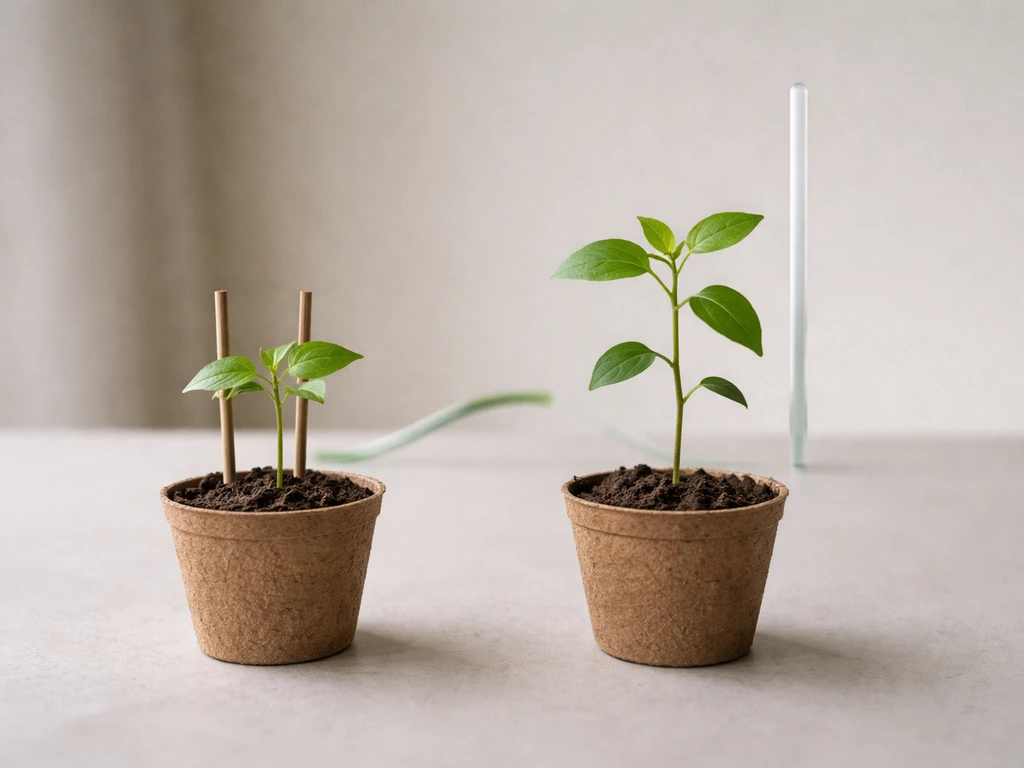
Indeterminate growth means the organism or structure keeps adding new material throughout its entire lifespan, with no genetically programmed endpoint. Determinate growth means there is a built-in stop: once the structure reaches its genetically specified form, growth ceases. Think of a flowering plant. The shoot tip can keep extending and branching for years (indeterminate), but each individual leaf has a precise final shape and then stops growing entirely (determinate). Same plant, two completely different growth modes operating at the same time.
The distinction is important for answering multiple-choice questions because exam writers love to slip in options that sound like they grow freely but actually don't, and vice versa. A tree trunk adding rings every year looks like unlimited growth, but a rose flower terminates after producing its fixed set of organs. Knowing which category each option falls into is the whole game.
What 'cannot grow indeterminately' actually means in living systems
When a biology question asks what cannot grow indeterminately, it is asking: which option has a built-in ceiling? That ceiling can come from cell biology (a finite number of divisions a cell can perform), developmental biology (a body plan that specifies final size), or ecology (resource limits that prevent populations from expanding forever). The phrasing is a bit tricky because it does not say 'cannot grow at all.' Something can grow substantially and still be determinate. A human grows from a few cells to roughly 37 trillion cells, but then stops. That is still determinate growth because there is a clear endpoint written into the developmental program.
So the two questions to ask about any option are: (1) Is there a mechanism that causes growth to stop permanently? and (2) Is that mechanism intrinsic, not just a temporary pause? If yes to both, the thing cannot grow indeterminately.
The biological mechanisms that put the brakes on growth
Telomere shortening and the Hayflick limit
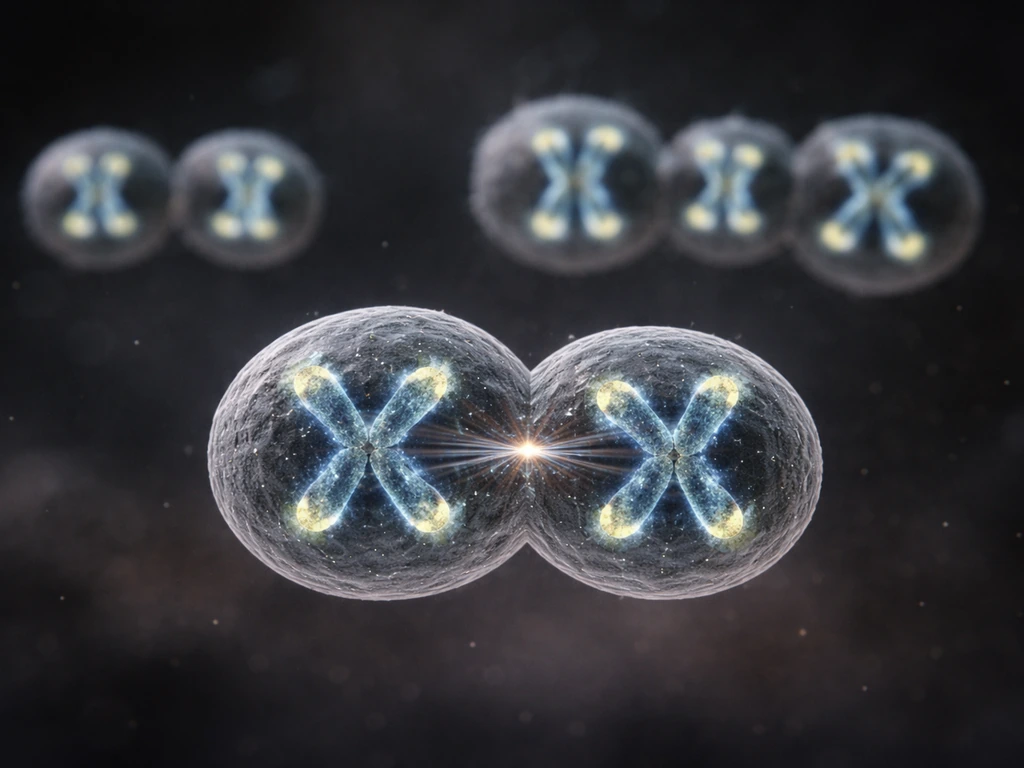
Every time a normal somatic cell divides, its telomeres get a little shorter. After roughly 40 to 60 doublings in human cells, the telomeres hit a critical length, triggering an irreversible cell-cycle arrest called replicative senescence. The cell stops dividing, and that is not a temporary pause you can fix with more nutrients. The p53/p21 and p16/RB tumor-suppressor pathways enforce the arrest by blocking the CDK-cyclin machinery that would otherwise push the cell into the next division.
Most normal somatic cells lack active telomerase, so they have no way to rebuild their telomeres. This is the Hayflick limit, and it is the most direct cellular proof that ordinary cells cannot grow indeterminately. Cell cultures that can grow indefinitely are called cell lines.
Differentiation: leaving the cell cycle for good
When a cell differentiates, it specializes. Neurons, muscle fibers, and red blood cells all exit the cell cycle and enter a state called G0. They carry out their function but they do not divide again under normal circumstances. Because cell division is the engine of growth, a tissue made entirely of terminally differentiated cells has essentially zero capacity for net growth. This is why your brain does not keep enlarging after childhood. That question is closely tied to why cells do not keep dividing without stopping, which normally requires built-in brakes like differentiation and the cell-cycle exit into G0 cannot grow indeterminately.
Contact inhibition
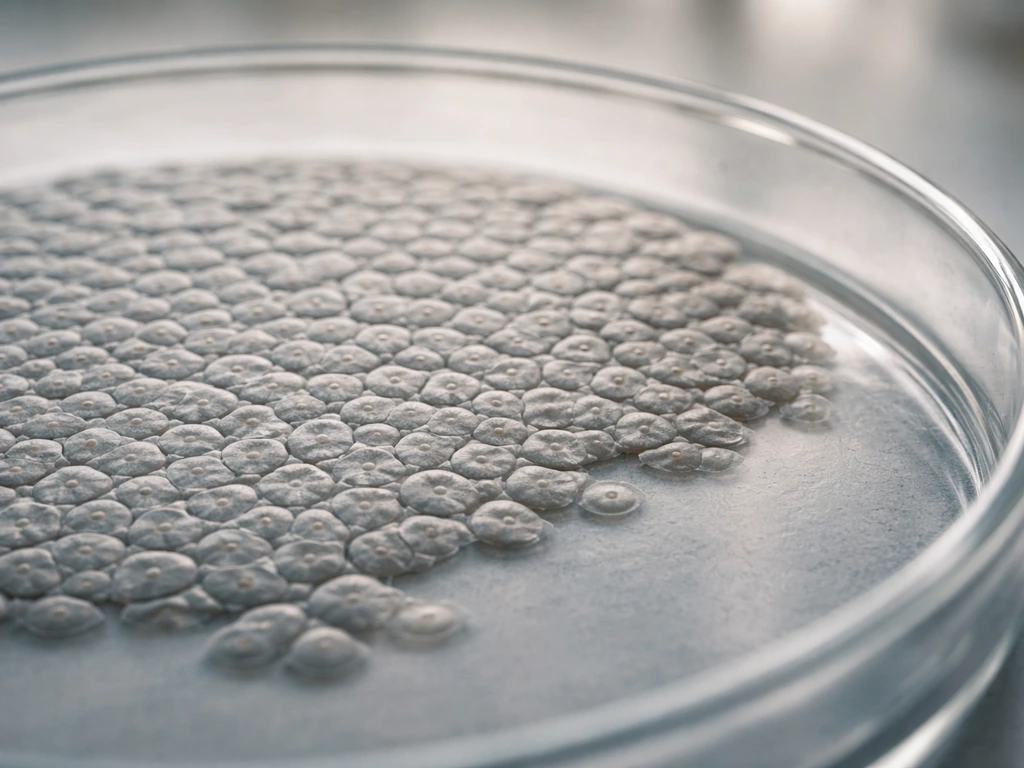
Normal cells also respond to crowding. When a growing cell population reaches a certain density, cells physically touching neighbors activate the Hippo signaling pathway (via YAP/TAZ), which puts the brakes on further proliferation. Contact-dependent signals that include cell-cell contacts and junctional components regulate YAP/TAZ, helping control density-dependent proliferation and growth arrest. This is called contact inhibition of proliferation. It is a tissue-level stop signal that prevents any one cell clone from just expanding until it fills whatever space is available. Cancer cells famously lose this ability, which is exactly why tumors can grow in ways normal tissues cannot.
Apoptosis and developmental sculpting
Growth is not just addition; it is also subtraction. Apoptosis (programmed cell death) actively removes cells to maintain tissue size and shape during development. In the liver, for example, once a proliferative stimulus is removed, increased apoptosis restores the organ to its original size. This feedback between division and death means that even tissues capable of regeneration are tightly regulated around a set point, not expanding without a cap.
Stem cell exhaustion
Most adult tissues depend on a small pool of quiescent stem cells for ongoing repair. The niche those stem cells live in actively keeps them quiescent to prevent pool exhaustion. Serial transplantation experiments with hematopoietic stem cells show that even these self-renewing cells lose proliferative capacity after repeated demands. So adult tissue stem cells are not a truly unlimited resource, which means the tissues they support cannot grow or regenerate indefinitely either.
Physical and resource constraints: why size itself becomes the problem
Even if you removed every molecular brake, basic physics would still stop unlimited growth. blank" rel="noopener noreferrer">Oxygen diffuses efficiently only about 100 to 200 micrometers through tissue before the concentration drops too low to support respiration. A growing mass that outpaces its vascular supply quickly develops a hypoxic core and, in avascular contexts like a tumor spheroid, a necrotic center. The viable cells can only be in that thin rim close to the oxygen source. That same size-control logic is why T cells also cannot grow without limit once they get too large indeterminately. This is not a molecular signal, it is geometry, and geometry does not negotiate.
At the organism scale, the surface-area-to-volume ratio shrinks as an organism grows larger. A bigger body has proportionally less surface area to exchange gases, absorb nutrients, and dump waste. Metabolic rate scales with body mass at roughly the 3/4 power (Kleiber's Law), which reflects how resource distribution networks are physically constrained. There is an upper limit to how large any organism can get before its transport systems simply cannot keep the interior alive. That limit is real and finite.
How growth works differently in plants versus animals
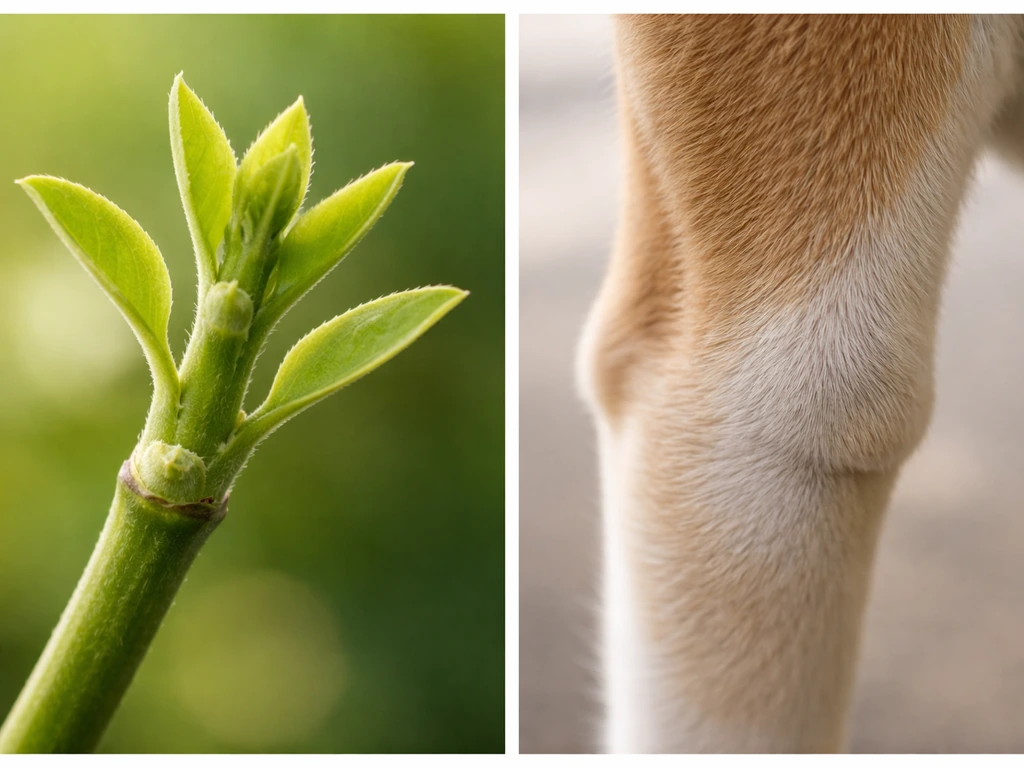
This comparison is critical for multiple-choice questions, because plants and animals handle growth in fundamentally different ways, and exam options often mix both kingdoms in the same list.
| Feature | Plants (indeterminate structures) | Animals |
|---|---|---|
| Growth zones | Localized meristems (shoot apex, root apex, axillary buds) | Distributed during development; most adult tissues post-mitotic |
| Stem-cell maintenance | Apical meristem stem cells maintained throughout lifespan | Adult stem cells present but limited; many tissues largely non-dividing |
| Growth termination | Determinate organs (leaves, flowers) stop; indeterminate meristems persist | Body plan specifies final size; growth ceases after developmental program |
| Key example of determinate growth | Floral meristem: terminates after producing a set number of organs | Entire adult vertebrate body: fixed size once developmental maturity reached |
| Key example of indeterminate growth | Shoot apical meristem: continues producing new leaves/branches indefinitely | Embryonic stem cells in culture: can proliferate without limit if undifferentiated |
Plants grow at meristems, which are pockets of undifferentiated, actively dividing stem cells located at root tips, shoot tips, and axillary buds. The shoot apical meristem and root apical meristem can sustain growth for the entire lifespan of the plant, which is why a bristlecone pine can still be adding wood after 4,000 years. But when a vegetative meristem converts to a floral meristem, it becomes determinate. It produces a fixed set of floral organs and then stops. That converted meristem cannot go back to making new branches.
Animals work differently. Most animal body plans are fixed by the time development completes. Cells differentiate, tissues specialize, and the overall architecture is set. A dog does not keep growing new limbs. The exceptions, such as some fish and reptiles that show continuous (if slowing) growth throughout life, still have metabolic and physical upper limits. Humans are the clearest example of determinate animal growth: we reach a genetically programmed adult size and stop.
How to evaluate each multiple-choice option step by step
When you get a question like 'which of the following cannot grow indeterminately,' run each option through this checklist before picking your answer.
- Ask: does this option have an active, self-renewing stem-cell or meristem population? If yes, it is a candidate for indeterminate growth. If no, lean toward 'cannot grow indeterminately.'
- Ask: is the structure terminally differentiated? Neurons, muscle fibers, mature red blood cells, and fully formed organs like flowers are all terminally differentiated. They cannot keep dividing. Mark these as determinate.
- Ask: does normal cell aging apply here? Normal somatic cells hit the Hayflick limit (roughly 40 to 60 divisions) via telomere shortening. If the option is a normal somatic cell type without telomerase activity, it cannot divide indefinitely.
- Ask: does the developmental program specify an endpoint? Adult vertebrates, individual leaves, flowers, and most animal organs all have a genetically programmed final form. Once that form is reached, growth stops.
- Ask: are there physical constraints that cap growth regardless of biology? For cell or tissue options, remember the 100 to 200 micrometer oxygen diffusion limit. For organism options, remember surface-area-to-volume constraints.
- Eliminate the indeterminate candidates: shoot apical meristems, root apical meristems, embryonic stem cell cultures, and cancer cells (which have reactivated telomerase and lost contact inhibition) are all capable of indeterminate growth. Whatever is left is your answer.
Watch for this trap: options that can still grow or regenerate somewhat can still be determinate. A liver can partially regenerate after injury, but it grows back to a set size and stops. That is not indeterminate growth. Similarly, bone can remodel and repair, but an adult skeleton does not keep getting larger year after year. 'Can grow a bit more' is not the same as 'can grow without limit.'
Common misconceptions and quick examples to clear them up
- Misconception: 'Plants always grow indeterminately.' Reality: only indeterminate meristems do. A rose flower is a plant structure that grows determinately. Once the floral meristem produces its sepals, petals, stamens, and carpels, it is done.
- Misconception: 'Stem cells can always divide forever.' Reality: embryonic stem cells can proliferate endlessly when kept undifferentiated in culture, but adult tissue stem cells are regulated by their niche and show declining capacity with age and repeated demand. They are not truly unlimited.
- Misconception: 'Cancer cells prove cells can grow indeterminately.' Reality: cancer cells are the exception that proves the rule. They grow indeterminately because they have reactivated telomerase, lost contact inhibition, and disabled tumor-suppressor checkpoints. Normal cells do none of these things.
- Misconception: 'A big organism just means indeterminate growth.' Reality: some fish and reptiles show lifelong growth, but it slows and is still bounded by physics. An organism being large does not automatically mean it grows without limit.
- Misconception: 'Cells that are in G0 can re-enter the cycle, so they can still grow indeterminately.' Reality: terminally differentiated cells in G0 (like mature neurons) cannot re-enter the cycle under normal circumstances. Quiescence in stem cells is different from terminal differentiation in post-mitotic cells.
- Quick example: A human liver cell vs. a plant shoot apical meristem cell. The liver cell is a somatic cell subject to the Hayflick limit, contact inhibition, and the body's developmental endpoint. The meristem cell is maintained as an undifferentiated stem cell that can keep dividing for the plant's lifetime. If those are your two options, the liver cell cannot grow indeterminately.
Putting it all together: how to pick your answer confidently
The option that cannot grow indeterminately is the one where you can point to a specific, intrinsic stopping mechanism: telomere shortening leading to senescence, terminal differentiation removing the cell from the cycle, a floral or other determinate meristem terminating after producing its organ set, a fixed animal body plan specifying final adult size, or physical oxygen-diffusion limits capping tissue expansion. If you can name the mechanism, you have your answer.
To connect this to related ideas on the site: the question of why cells cannot just keep dividing indefinitely is really the same question approached from the cell's perspective, and the mechanisms (telomere shortening, checkpoint signaling, contact inhibition) are identical. Similarly, why populations cannot grow forever mirrors this at the ecological scale. Growth limits are a theme that runs from a single cell all the way up to an entire species, and the core logic is always the same: every growing system eventually runs into a wall, whether that wall is molecular, developmental, or physical.
If you are staring at a specific list of options right now, run each one through the checklist above. Identify the meristems, the stem cell lines, and the cancer cells as your indeterminate candidates. Then look for the differentiated cell, the determinate plant structure, or the adult animal with a fixed body plan. That is your answer, and you now have the biology to back it up.
FAQ
If an organism can regenerate after injury, does that mean it can grow indeterminately?
Not necessarily. A cell can keep dividing for a long time and still be determinate if it has an intrinsic endpoint, such as telomere shortening that eventually triggers senescence. The key is whether there is a programmed or physical ceiling, not whether the growth is slow or brief.
What’s the difference between “limited but regenerates” and “cannot grow indeterminately”?
No. Regeneration that restores a tissue back to a set size or form is determinate because it returns to an endpoint. Indeterminate growth would keep adding new mass or organs without a genetically or physiologically enforced final state.
Can’t stem cells divide indefinitely, so why don’t all tissues grow without limit?
Stem cells can be indeterminate at the cell lineage level, but the tissue response often still has intrinsic limits. For example, adult stem-cell pools can become less able to proliferate after repeated demands, and oxygen diffusion and vascular constraints still cap how much tissue can remain viable.
If cancer cells ignore contact inhibition, can they grow indeterminately anyway?
A cancer cell can sometimes proliferate far beyond normal controls, but it still cannot grow without bound in real tissues because of constraints like hypoxia, nutrient depletion, and loss of adequate vasculature. Also, many cancers eventually plateau or regress depending on the environment.
How should I judge an option that describes a differentiated cell, but says it’s still metabolically active?
Most “non-growing” cells are terminally differentiated and exit the cell cycle into G0, but the growth limitation can be more about the developmental program than the cell’s current state. In a test, you typically identify whether the option has a permanent stop mechanism or a finite final form.
Can something be indeterminate for a while and then become determinate later?
Yes, some structures can show indeterminate growth patterns but still become determinate at a later stage. A classic example is plant growth that continues via vegetative meristems, then switches when a floral meristem forms, locking in a finite set of organs.
In exam questions, do they mean “cannot grow at all” or “cannot grow without limit”?
Clarify the wording. “Cannot grow indeterminately” asks for the built-in ceiling, not for zero growth. Many determinate systems grow substantially before stopping, so eliminate options that only sound “small” or “stop early” without a true intrinsic endpoint.
How do I handle options that mention quiescent stem cells or a stem-cell niche?
If the option describes a quiescent stem cell state, you need to check whether that pool is replenished indefinitely or whether it declines after repeated activation. Quiescence itself is not proof of indeterminacy or determinacy, the lifetime proliferative capacity and niche control are the deciding factors.
Why does oxygen diffusion come up, and how do I recognize it in answer choices?
Oxygen diffusion constraints apply strongly to thicker, poorly vascularized tissue. In multiple-choice lists, options implying avascular expansion (like growth in a dense tumor mass without adequate blood supply) are more likely to represent the “cannot grow indeterminately” category.
What is the most common mistake people make when selecting the “indeterminately cannot grow” option?
“Unlimited divisions” is the wrong frame for most biology exams. Normal cells usually hit senescence (Hayflick limit) because telomeres shorten, while immortalized cell lines bypass this. If an option implies a standard somatic cell without telomerase activation, it is generally determinate.
Next Article
Why Can’t T Cells Grow Too Large? Size Limits Explained
See why T cells hit size limits: diffusion limits, nutrient waste buildup, crowding effects, and cell-cycle checkpoints.