Organisms grow in two fundamental ways: by increasing the number of cells through cell division (mitosis), or by increasing the size of existing cells through biomass accumulation without dividing. This framework also helps explain how do organisms with many cells grow by balancing when tissues add new cells versus when they mainly enlarge existing ones multicellular organisms. Most organisms use both strategies, but the balance between them shifts depending on the stage of life, the type of tissue, and the organism itself.
What Are the Two Ways That an Organism Can Grow
Marcus Whitmore
21 May 2026
Two growth modes in one sentence
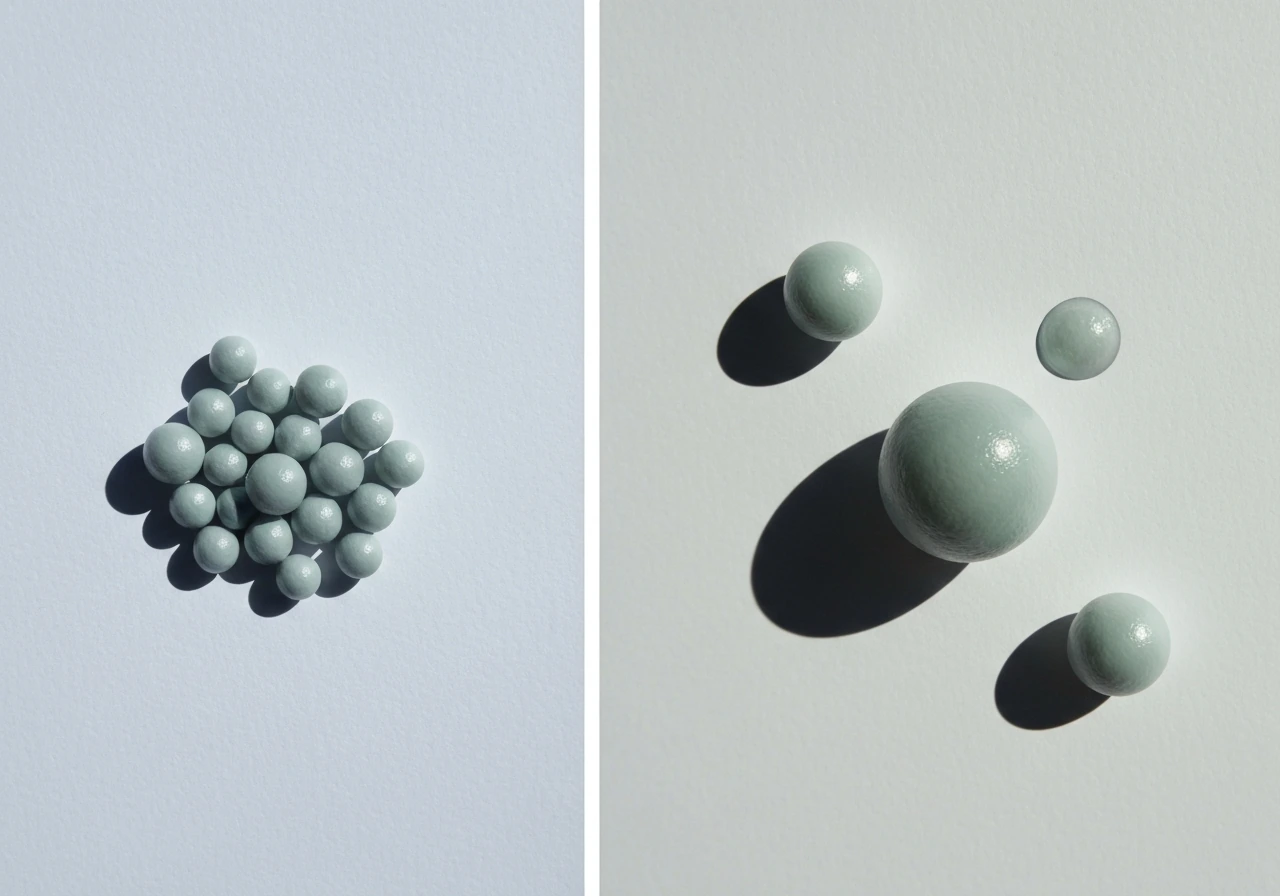
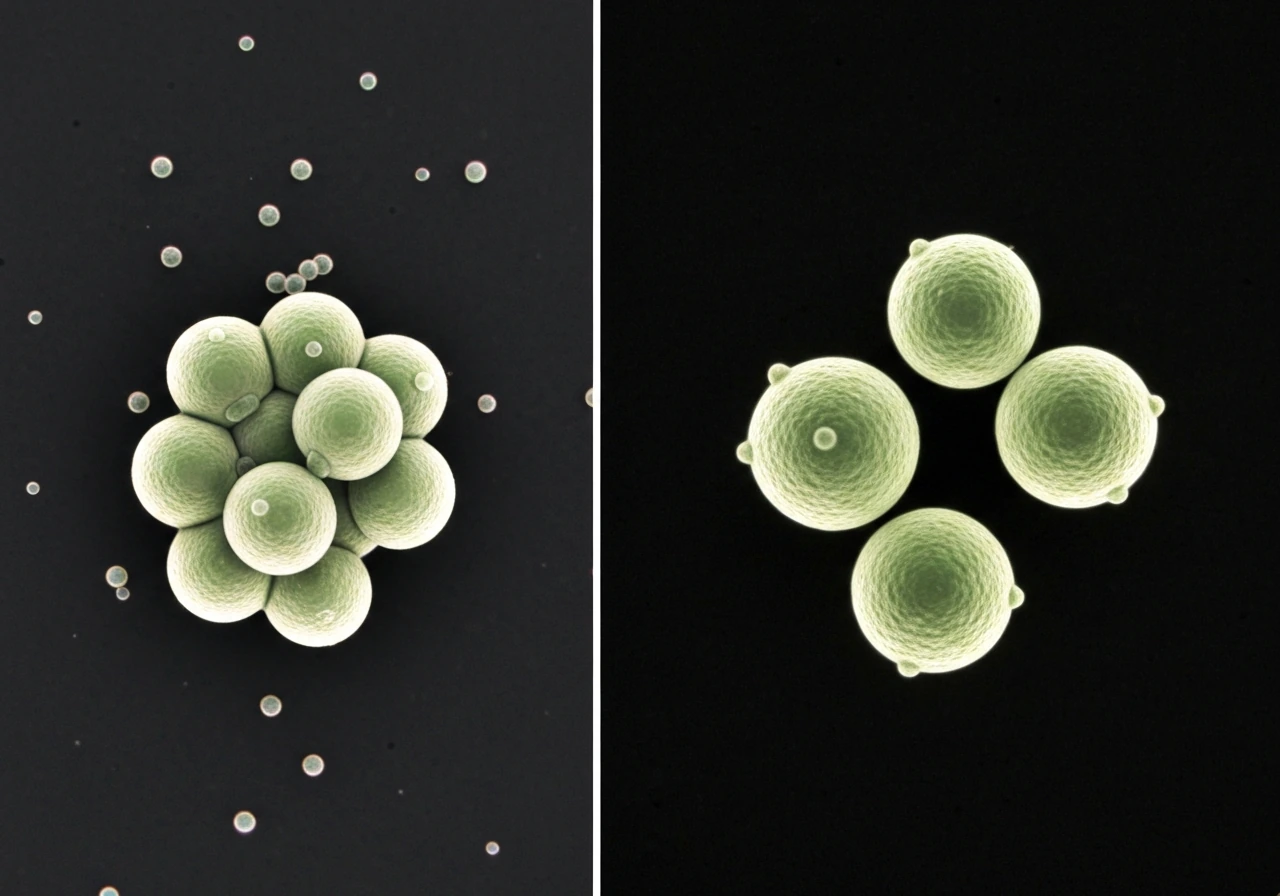
Growth by cell division adds more cells to the body, while growth by cell enlargement makes existing cells bigger. That's it. Everything else in biology is a variation or combination of those two ideas.
Growth by increasing cell number: cell division and mitosis
When a cell divides through mitosis, it copies its DNA and then splits into two genetically identical daughter cells. Mitosis handles the nuclear division, separating chromosomes into two equal sets. Then cytokinesis divides the cytoplasm to finish the job. In animal cells, a contractile ring made of actin and myosin pinches the cell in two. In plant cells, a new cell plate forms from Golgi-derived vesicles and grows outward until it becomes a new cell wall.
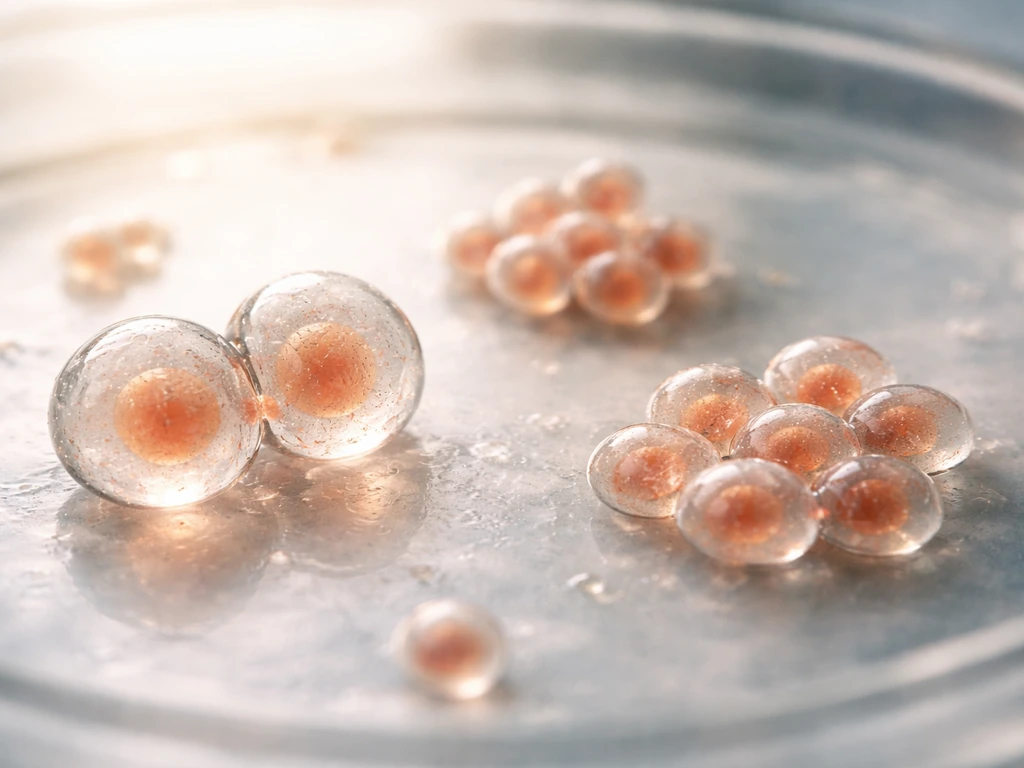
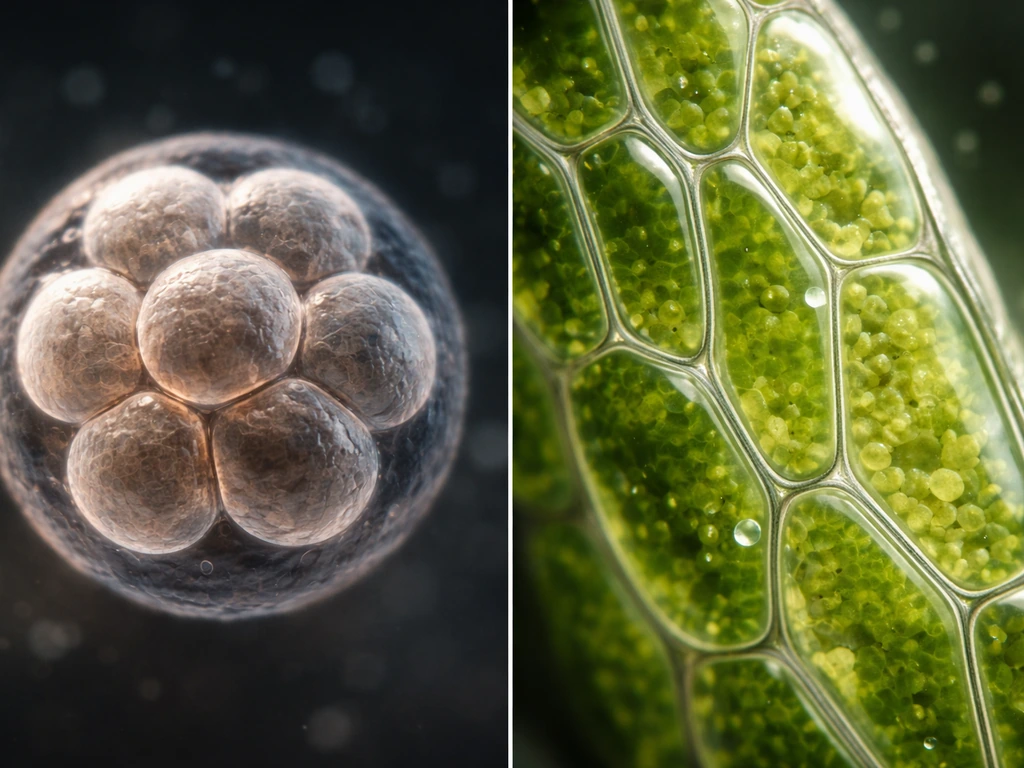
The result of repeated rounds of division is more cells, which means a larger organism. Think about how a fertilized egg becomes a full embryo: the early rounds of cell division (called cleavage) happen so rapidly that the cells barely have time to grow between splits. Individual cells actually get smaller with each round, even though the overall cell count skyrockets. The organism isn't getting much bigger in terms of mass during this phase, but it's building the cellular architecture it needs for later growth.
Cell division is also how organisms repair and maintain themselves throughout life. Skin cells, gut lining cells, and blood cells all divide regularly to replace worn-out tissue. This is the same mechanism, just applied for maintenance rather than development.
Growth by increasing cell size: enlargement without dividing
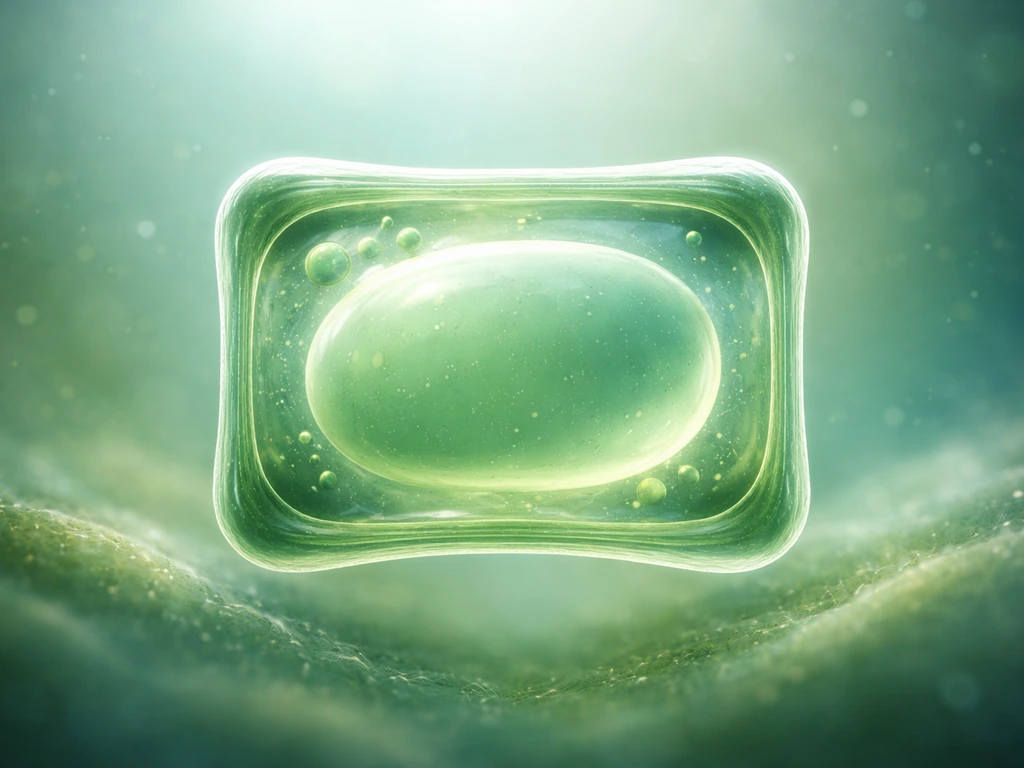
The second mode is cell enlargement, where a cell takes in more materials, synthesizes more proteins and organelles, and simply gets bigger without splitting. This is called blank" rel="noopener noreferrer">hypertrophy when it happens in animal tissues, and it's a totally legitimate growth strategy. Hypertrophy is an increase in cell size due to synthesis of more organelles and typically occurs in tissues with low potential for replication, such as striated muscle. Skeletal muscle is the classic example: when you train hard, muscle fibers don't multiply much, they enlarge. The cells pack in more contractile proteins (actin and myosin), grow in diameter, and the muscle as a whole gets bigger.
Plants use a particularly dramatic version of this. After cells divide in the meristem (the plant's active growth zone), daughter cells can elongate massively through a process driven by turgor pressure. Water floods into the central vacuole, pushing outward against the cell wall. The direction of elongation is controlled by the orientation of cellulose fibrils in the wall. A single plant cell can expand to many times its original size through this mechanism, and that expansion is a huge driver of how stems and roots actually get longer.
There's also a more obscure version called endoreplication (or endoreduplication), where a cell replicates its DNA repeatedly without ever going through mitosis or cytokinesis. This produces polyploid cells with extra copies of the genome, which often grow very large. Some plant cells and specialized animal cells use this trick to build particularly big cells that need to synthesize a lot of material quickly.
How organisms typically use both (and how to tell which one is dominant)
In practice, most multicellular organisms use both strategies in a coordinated way, and the mix changes depending on the tissue and life stage. A developing embryo leans heavily on cell division early on, then shifts toward cell enlargement as organs form and differentiate. A plant root tip is a perfect model: right at the tip is a zone of rapid cell division. Just above that is a zone of dramatic cell elongation, where cells stretch out and push the root downward. Further up is a zone of differentiation, where cells take on specialized roles. You can actually see these zones under a microscope.
So how do you tell which mode is happening in a given situation? A few quick clues help:
- If cell number is increasing but individual cells are staying the same size or getting smaller, division is the dominant mode.
- If cell number stays relatively stable but cells are visibly larger and denser with organelles or proteins, enlargement is happening.
- Rapidly dividing tissues (embryos, bone marrow, gut lining) are dominated by mitosis.
- Slow-dividing or post-mitotic tissues (mature muscle, nerve cells, many plant cells after leaving the meristem) rely more on enlargement.
- In plants, root elongation zones are a clear visual indicator of growth by cell expansion, not division.
For an exam or class discussion, a reliable framing is this: ask whether the growth you're looking at involves more cells or bigger cells. If it's more cells, you're looking at hyperplasia (cell division). If it's bigger cells with the same count, that's hypertrophy (cell enlargement). Many real scenarios involve both, but one usually dominates.
What growth actually requires: energy and raw materials
Neither type of growth happens for free. Every new protein, every new membrane, every extra strand of DNA requires energy in the form of ATP, plus the chemical building blocks to assemble new molecules. Biosynthesis reactions, whether you're doubling a cell's contents before division or packing more organelles into an enlarging cell, are anabolic processes that consume ATP and reducing power (like NADPH). The organism has to eat, absorb sunlight, or tap some energy source to fund all of it.
Raw materials matter just as much. Cells need amino acids to build proteins, nucleotides for DNA and RNA, lipids for membranes, and minerals for everything from enzyme function to cell wall construction. A plant starved of nitrogen can't build proteins efficiently, so both cell division and cell enlargement slow down. A muscle deprived of dietary protein can't synthesize the extra contractile fibers needed for hypertrophy. Growth is genuinely resource-limited, not just energy-limited.
Environmental conditions matter too. Bacteria, for example, need the right temperature, pH, and in many cases oxygen, to sustain the metabolic activity that drives growth. Too far outside those ranges and growth stalls, regardless of whether the organism was growing by division or enlargement.
Why growth can't go on forever: limits and constraints
There's a fundamental physical problem that limits both modes of growth, and it comes down to surface area versus volume. As a cell gets bigger, its volume increases faster than its surface area. That matters because nutrients and waste products move across the surface (the plasma membrane), but they need to reach or leave the interior (the volume). A cell that grows too large simply can't move materials in and out fast enough to stay alive. The membrane doesn't have enough surface area to support the rate of diffusion the larger volume demands.
Multicellular organisms solved this by not relying on diffusion alone. They evolved specialized systems: circulatory systems carry nutrients deep into tissues, respiratory systems bring oxygen to every cell, and digestive systems break down food into absorbable molecules. But even then, there are limits. Cell division can't continue indefinitely either. Growth curves in bacteria, for instance, plateau when resources run out or waste products accumulate. In animals, growth is tightly regulated by checkpoints in the cell cycle and hormonal signals that tell tissues when to stop dividing.
For single-celled organisms, the surface-area-to-volume constraint is a hard ceiling on how big any one cell can get. This is part of why most cells stay microscopic, and it's a core concept worth understanding if you're curious about how big single-celled organisms can actually grow.
Real examples across life forms
| Organism / Tissue | Primary growth mode | Key example |
|---|---|---|
| Early animal embryo (cleavage) | Cell division (mitosis) | Rapid cell cycles produce many cells; individual cell size decreases |
| Skeletal muscle (trained) | Cell enlargement (hypertrophy) | Muscle fibers pack in more actin and myosin without multiplying much |
| Plant root tip | Both: division then elongation | Meristem cells divide, daughter cells elongate dramatically via turgor pressure |
| Bacteria (binary fission) | Cell division | Single cell copies genome and splits into two daughter cells |
| Plant seed germination | Cell enlargement first, then division | Cells absorb water and expand; then meristems activate for sustained growth |
| Polyploid plant cells | Cell enlargement via endoreplication | DNA replicates without mitosis, producing large cells with amplified genomes |
Animals lean heavily on cell division during development and rely more on cell enlargement in mature, post-mitotic tissues like muscle and neurons. Plants use both strategies in a beautifully spatial way: divide in one zone, elongate in the next. Single-celled organisms like bacteria grow entirely by division, since each division produces a new individual organism rather than adding to a larger body. If you're thinking about whether single-celled organisms grow before they divide, that's worth exploring on its own because the answer reveals how closely linked growth and division really are in those organisms.
How to think about this on an exam or in class
When a question asks about the two ways an organism can grow, anchor your answer to cell number versus cell size. Here's a practical mental checklist for working through any growth-related question:
- Identify what's changing: is the organism adding more cells (division) or are existing cells getting larger (enlargement/hypertrophy)?
- Name the mechanism: cell division involves mitosis and cytokinesis to produce new daughter cells; cell enlargement involves biosynthesis, water uptake (in plants), or organelle accumulation without splitting.
- Ask which dominates in context: embryonic tissue and meristems favor division; mature muscle and post-division plant cells favor enlargement.
- Mention that most complex organisms use both, and that the balance shifts by tissue type and developmental stage.
- If asked about limits, bring in the surface-area-to-volume ratio problem and how it constrains both modes.
If your class goes deeper into topics like how multicellular organisms coordinate growth across tissues, or exactly how mitosis drives size increases at the organismal level, those questions build directly on this two-mode framework. The core idea stays the same: more cells, or bigger cells. Everything else is detail layered on top of that foundation.
FAQ
Are the “two ways an organism can grow” the same for all organisms?
No, “two ways” refers to tissue and cellular growth strategies, not specific organism categories. Even if a species is mostly using one approach (like muscle enlargement), the underlying logic is still cell number increase (division) versus cell size increase (enlargement).
How can I tell whether a situation is hyperplasia, hypertrophy, or both?
If cell number rises, the process is hyperplasia. If cells enlarge without a significant increase in cell count, it is hypertrophy. If both are changing, you generally describe it as a mixed response rather than forcing it into only one label.
Where does endoreplication fit into the two growth strategies?
A cell that replicates its DNA without mitosis will usually be considered a special case that leads to larger cells (often described in the article as endoreplication). It still does not rely on typical mitosis to increase cell number, so it fits better under the “bigger cells” theme than the “more cells” theme.
Can an organism switch between cell division and cell enlargement during its life?
In many real cases, organ growth tracks both mechanisms over time. Early development often shows strong division, later remodeling and functional maturation can shift toward enlargement or hypertrophy, even if the tissue still has some turnover.
Does cell enlargement always involve the cell dividing at least sometimes?
Yes. Cell enlargement can occur without changing the DNA content via a cell cycle. For example, muscle fiber hypertrophy increases contractile proteins and cell size while the fibers typically do not add many new cells through repeated division.
What common mistake leads people to misidentify growth as division or enlargement?
You can see the mismatch when cell size changes but cell number stays constant. If you only count cells, you might miss enlargement, and if you only measure total mass, you might miss whether that mass came from more cells or bigger cells.
Do hyperplasia and hypertrophy have the same biological “bottlenecks”?
Division growth usually requires more frequent production of DNA, membranes, and mitotic machinery, so it is often tightly limited by resource supply and by cell-cycle control checkpoints. Enlargement may be limited differently, since it depends on biosynthesis and capacity to expand cell components without splitting.
How should I interpret the two growth modes for single-celled organisms?
For bacteria and other single-celled organisms, the “organism size” question is tricky because division creates a new individual rather than making one larger cell indefinitely. Many textbooks treat these as growth by division, even though the mass per cell can vary slightly during the cycle.
If I’m solving a biology problem, what quick steps should I use to decide which growth mode is happening?
If the question asks about overall organism growth, identify whether the tissue is mainly adding new cells or mainly scaling up existing ones, then connect that to energy and raw-material needs. If resources are limiting, growth will tend to slow regardless of which mode dominates, but the symptoms can look different (slower division versus smaller cell size).
Next Article
How Do Organisms With Many Cells Grow and Develop
See how multicellular growth starts from one cell: mitosis, differentiation, signaling, and limits like nutrients, check