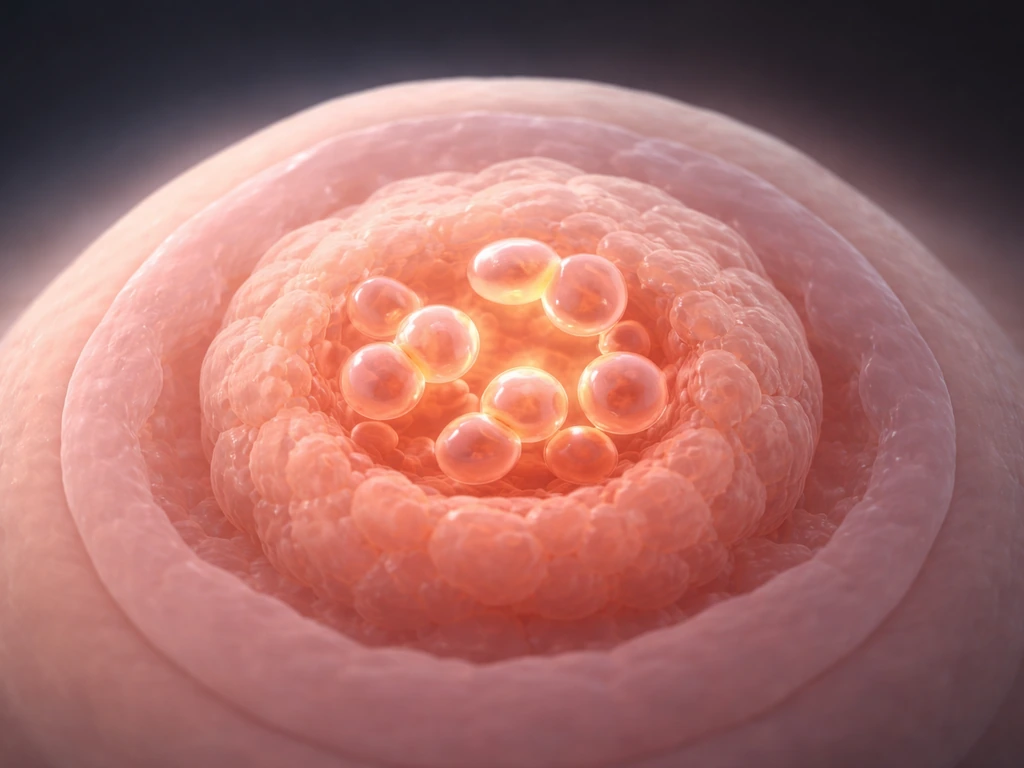
Cellular division causes organisms to grow primarily by increasing cell number, not by making each existing cell bigger. When a cell divides, one cell becomes two. Do that enough times across enough tissues, and you get a larger organism. The size increase comes from having more cells, not from stretching the ones you already have.
Cellular Division: Growing Primarily by Increasing Cell Number
Marcus Whitmore
28 Apr 2026
What cell division actually does for growth
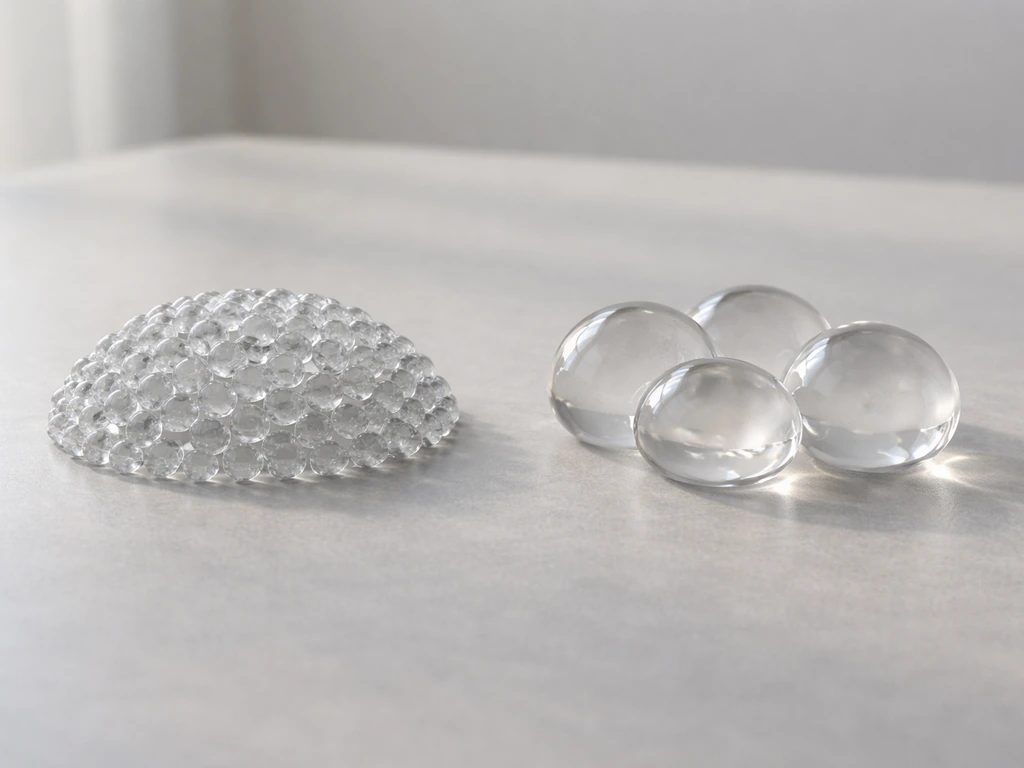
It helps to be clear about what the word 'growth' covers in biology. Growth can mean two things: more cells (called hyperplasia) or bigger cells (called hypertrophy). Cell division drives the first one. When a parent cell completes mitosis and cytokinesis, you end up with two daughter cells that are roughly half the size of the original. They then grow during interphase, and the cycle repeats. The net result over many rounds of division is a population of cells that is larger in number, not a single cell that has ballooned in size.
This is why the classic textbook phrasing you'll see on tests is 'primarily by increasing cell number.' Division is the mechanism, and more cells is the output. Cell size does increase during interphase (the gap phases G1 and G2 are literally growth phases), but that size increase is largely in service of making division possible again, not in service of building a bigger organism by enlarging individual cells.
More cells vs. bigger cells: why the distinction matters
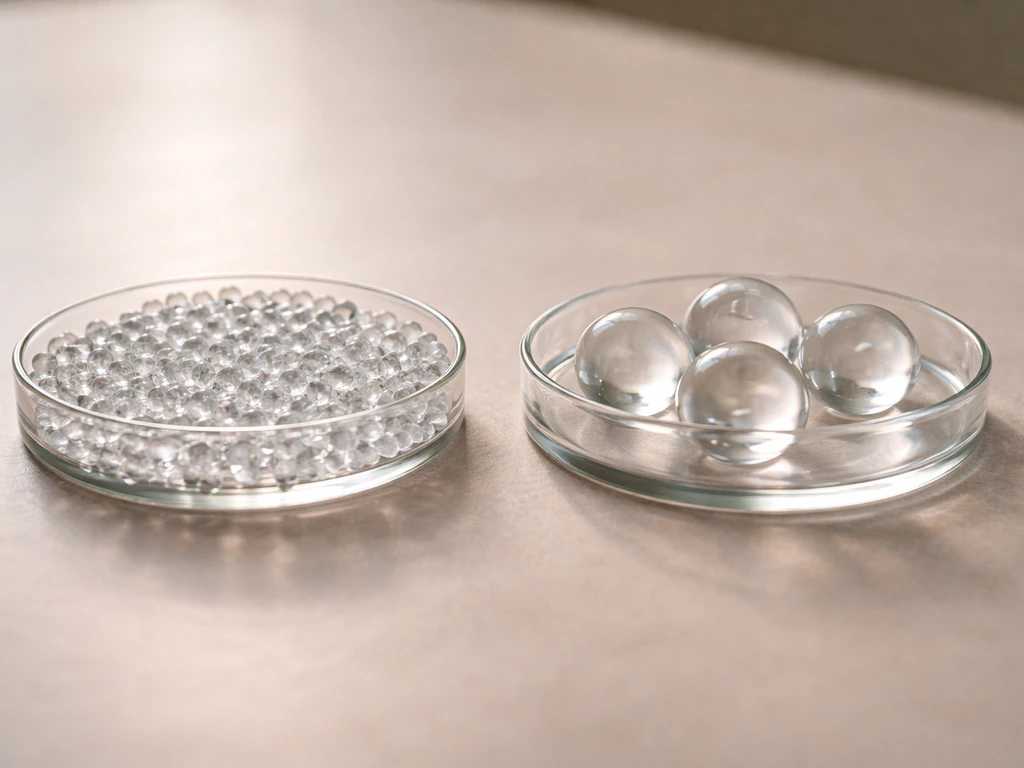
Think of it like building a house. You could try to make each brick larger, or you could just use more bricks. Biology overwhelmingly prefers more bricks. Most tissues in the body grow by proliferating, meaning producing additional cells through division, rather than by expanding each existing cell to an enormous size. Skin, liver, bone marrow, and intestinal lining all grow and repair themselves by generating new cells, not by inflating old ones.
There are cases where hypertrophy (cell enlargement) does contribute to growth. Muscle cells grow larger with exercise without necessarily dividing. Cardiac hypertrophy is another example. But these are the exception. As a general rule across the full life history of an organism, cell number increase driven by division is the dominant mechanism. That is exactly what the 'primarily' in test questions is pointing at.
| Growth type | What changes | Driven by cell division? | Example |
|---|---|---|---|
| Hyperplasia | Cell number increases | Yes | Skin regeneration, liver growth, embryonic development |
| Hypertrophy | Cell size increases | No | Muscle growth from exercise, cardiac enlargement |
| Both combined | Number and size increase | Partly | Adipose tissue expansion, some organ growth during development |
How this plays out across different life forms
Single-celled organisms
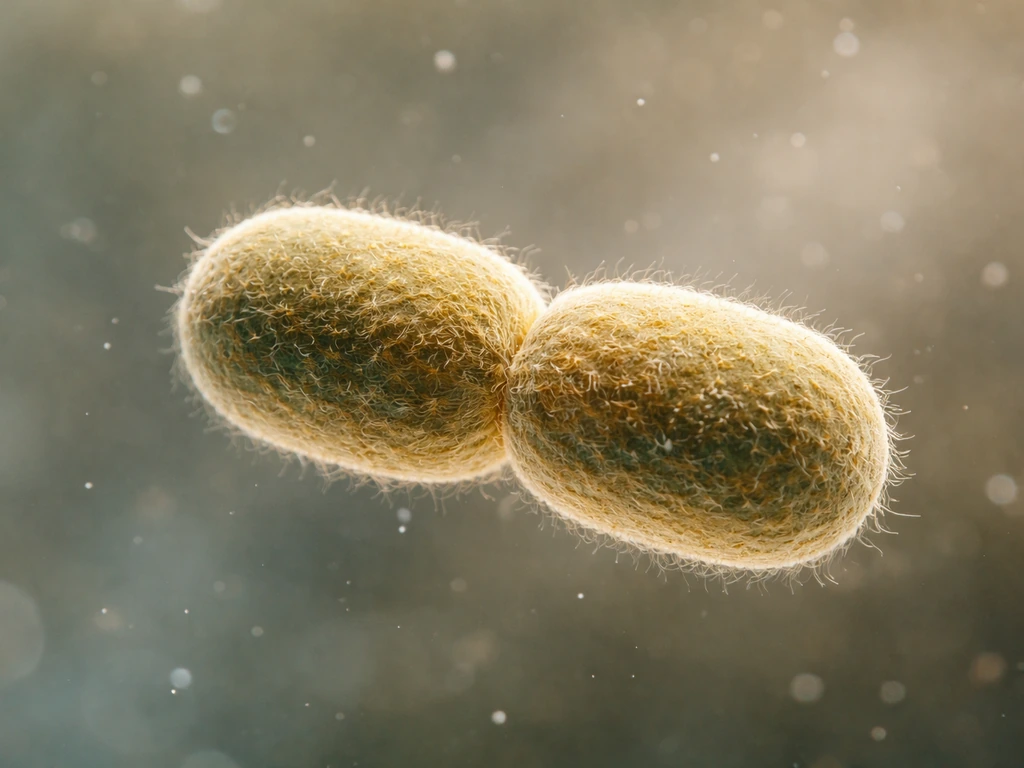
For bacteria and other single-celled organisms, division is reproduction, not just growth. In single-celled organisms, the cell cycle includes growth in size and then division, so population growth still comes from binary fission single-celled organisms grow. A bacterial cell grows in size and mass during its life cycle, duplicates its DNA, and then splits into two daughter cells via binary fission.
The individual cell does enlarge before it divides, but the end result of division is two separate organisms, each smaller than the parent was at its peak. So in single-celled life, growth and division are tightly coupled: the cell grows, then divides, resetting size. Population-level growth (more organisms) is entirely driven by division. Whether single-celled organisms truly 'grow' in the sense multicellular organisms do is an interesting question worth exploring on its own.
In single-celled organisms, it helps to think about how cell growth and binary fission change the number and size of cells over time do single celled organisms grow.
Multicellular organisms
In multicellular organisms, from a simple worm to a human being, growth from a single fertilized egg into a complex body is almost entirely a story of cell division. That first cell divides repeatedly, with daughter cells differentiating into specialized types. Organs and tissues expand by producing more cells, not by making the existing ones giant. Stem cells play a key role here: they divide to produce one new stem cell and one transit cell that goes on to differentiate and replace worn-out tissue. This is how your skin, gut lining, and blood supply are constantly renewed throughout your life. The organism grows bigger and repairs itself primarily through increases in cell number.
The machinery behind division: cell cycle basics

Cell division does not just happen randomly. It follows a tightly regulated cycle with four main phases: G1 (first growth phase, where the cell increases in size and synthesizes proteins), S phase (where DNA is replicated, producing identical copies of each chromosome), G2 (second growth phase, where the cell prepares for division), and M phase (mitosis plus cytokinesis, where the cell actually splits into two). In M phase, mitosis helps ensure each new daughter cell can keep growing and dividing, which supports the organism’s overall size increase. Size and mass build up during interphase (G1, S, and G2 combined). The actual division event in M phase is what increases cell number.
What controls when a cell moves from one phase to the next? Proteins called cyclins bind to cyclin-dependent kinases (CDKs) and together they act like molecular switches that push the cell cycle forward. For example, cyclin D and CDK4/6 drive progression through G1, cyclin E and CDK2 trigger the G1 to S transition, and the cyclin B/CDK1 complex (sometimes called mitosis-promoting factor) kicks off mitosis. Checkpoints at critical transitions verify that conditions are right before the cell proceeds, acting like quality-control gates.
External signals matter too. Growth factors, hormones, and signals from neighboring cells can all push a cell to divide or tell it to stop. This is how an organism coordinates growth across billions of cells without things spiraling out of control, at least when the system is working properly.
Why growth has limits: constraints that keep division in check
If division just kept happening unchecked, organisms would grow indefinitely, which they do not. Several real constraints put a ceiling on growth.
Surface area-to-volume ratio and cell size
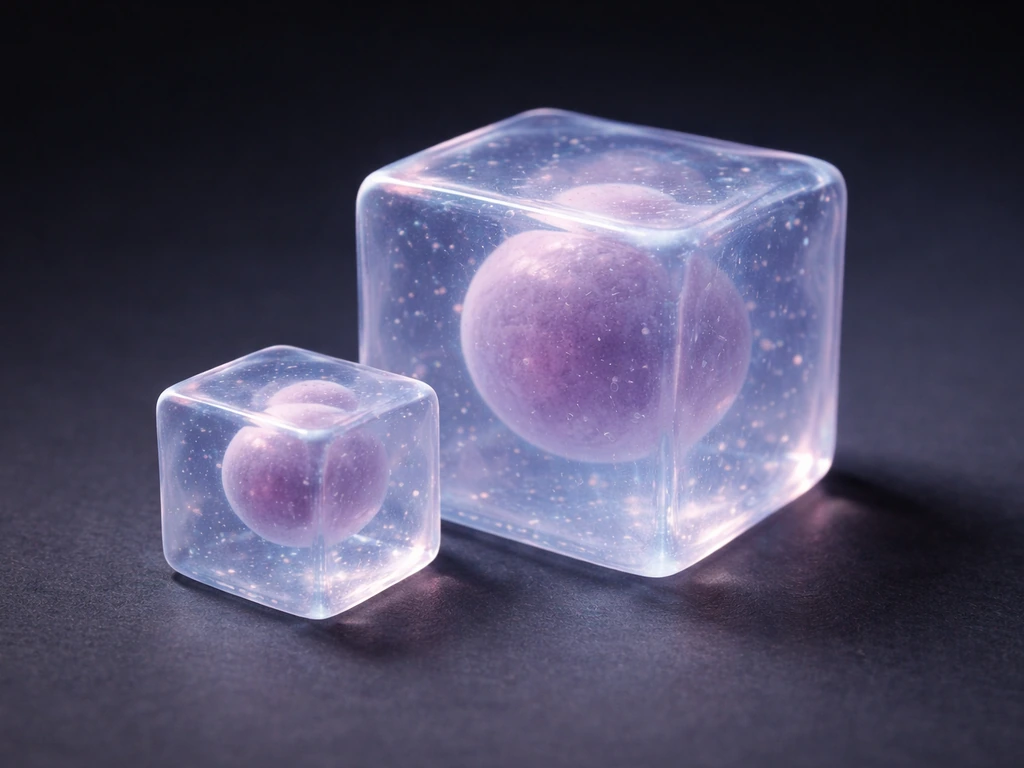
Individual cells cannot grow too large because of a geometry problem. As a cell gets bigger, its volume grows faster than its surface area. A 1 mm cube has a surface area-to-volume ratio of 6:1. Double its side length and that ratio drops to 3:1.
This matters because nutrients and oxygen must diffuse in through the surface, and waste must diffuse out. A cell that is too large cannot exchange materials fast enough to keep its center alive. LibreTexts explains this [surface area-to-volume limitation](https://bio. libretexts.
org/Bookshelves/IntroductoryandGeneralBiology/Book%3AGeneralBiology%28Boundless%29/04%3ACellStructure/4. 04%3AStudyingCells-Cell_Size): as a cell gets too large, it cannot exchange materials fast enough because its surface area does not scale as quickly as its volume. This is a hard physical limit on how big any single cell can get, which is part of why organisms grow by making more cells rather than by making giant ones.
As cells approach the surface area-to-volume and diffusion limits, the practical question becomes how big can single celled organisms grow, which depends on those same constraints.
Contact inhibition and space
Normal cells stop dividing when they are surrounded by other cells, a phenomenon called contact inhibition. Once a tissue reaches a certain density and cells are in extensive contact with their neighbors, division halts. This is a key regulatory brake that keeps tissues from overgrowing their boundaries. One of the hallmarks of cancer is that cells lose this inhibition and keep dividing regardless of crowding, which is a useful reminder of why the constraint is important in the first place.
Nutrient and oxygen supply
Growing tissue needs a blood supply. Without nutrients and oxygen reaching new cells, division cannot be sustained. This is why tumors, for example, must recruit new blood vessels (angiogenesis) to keep growing beyond a small size. In normal development and growth, vascularization and tissue expansion are coordinated. If nutrient supply cannot keep up, growth stalls.
Molecular checkpoints and regulatory signals
The cell cycle's internal checkpoints and the external signals from growth factors both act as regulatory brakes. If DNA is damaged going into S phase, the checkpoint holds the cell in G1 until repairs are made. If spindle assembly is incomplete at the M checkpoint, the cell cannot complete mitosis. These are not just abstract safety features: they actively limit when and how much division occurs in any given tissue, which directly limits how much a tissue or organ grows.
Common misconceptions and how test questions frame this
Here are the most common places students go wrong on this topic, and how to think through them clearly.
- Misconception: 'Cell division causes organisms to grow by making cells bigger.' Wrong direction. Division produces more cells; it does not enlarge existing ones. Cell size increase happens during interphase, before division, not because of division.
- Misconception: 'Growth and division are the same thing.' Not quite. A research perspective worth keeping in mind is that increased cell proliferation (more divisions) does not automatically equal increased cell mass or organism growth. Division is one driver of growth, not a synonym for it.
- Misconception: 'All growth in multicellular organisms is from cell division.' Mostly true, but hypertrophy (cell enlargement) does contribute in specific tissues like muscle. The word 'primarily' in test questions is a signal to remember this nuance.
- Misconception: 'Single-celled organisms grow the same way multicellular ones do.' In single-celled organisms, division is reproduction. The 'growth' of an individual bacterium before it divides is real, but division resets cell size. Population growth (more organisms) is the cell-number-increase story.
- Test phrasing tip: If a multiple-choice question asks what cell division 'primarily' causes, the answer is almost always 'an increase in cell number.' If the question asks how organisms grow, look for an answer that includes both cell number and cell size but emphasizes number as the primary driver of division-based growth.
A quick way to reason through any growth question: ask whether the mechanism you are describing produces more cells (division, hyperplasia) or blank" rel="noopener noreferrer">bigger cells (enlargement, hypertrophy). Growth in biology can happen in two main ways, hyperplasia and hypertrophy. Then ask which one dominates in the context being described. For most standard biology questions about how organisms grow overall, the answer points to cell number via division.
Putting it all together: your mental model for growth
Here is a clean summary you can keep in your head. Organisms grow primarily because cells divide, and division increases cell number. Each new cell starts small, grows during interphase, and can divide again. This is how a single fertilized egg becomes a body with trillions of cells. Cell size does change during the cycle, and some tissues do grow partly through cell enlargement, but the dominant story of biological growth across most organisms and tissues is more cells, not bigger cells. Division is the engine, and increasing cell number is what it produces.
If you want to go deeper on any part of this, think about how the process looks at different scales: what growth looks like in organisms that are made of only one cell, how organisms with many cells coordinate that growth across tissues, and how mitosis specifically connects to size increases at the organism level. The constraints on growth, especially the surface area-to-volume problem and contact inhibition, are also worth understanding deeply because they explain why biology solved the 'get bigger' problem by producing more small cells rather than fewer huge ones.
FAQ
If cell division increases cell number, why do organisms also get larger cell by cell during the cycle (interphase)?
Because daughter cells must rebuild mass and make molecules before they can successfully divide again. Interphase size increase supports replication and preparation for mitosis, but it does not by itself scale up the whole organism, the repeated production of new cells does.
Do all tissues in a multicellular organism grow primarily through cell division?
Most tissue growth and repair rely heavily on division, but the contribution of cell enlargement varies by tissue and life stage. For example, skeletal muscle can increase mass without proportionate division after development, while many epithelial tissues mainly expand via proliferating cells.
What does “primarily” mean on test questions that ask how organisms grow?
It signals dominance, not exclusivity. Cell division-driven cell number increase is the main mechanism for overall organism growth, but there are meaningful exceptions where hypertrophy contributes noticeably (such as exercise-driven muscle changes and cardiac hypertrophy).
Could an organism theoretically grow by making fewer, much larger cells instead of more, smaller cells?
It is strongly constrained. As cells get larger, diffusion becomes inadequate because surface area does not keep up with volume, so cells cannot exchange nutrients and oxygen fast enough. That pushes biology toward maintaining many small cells rather than producing giant ones.
How is growth different from reproduction in single-celled organisms like bacteria?
In single-celled organisms, the division event creates new individuals, so population-level increase is essentially reproduction. The cell enlarges before division, then splits into two smaller daughter cells, so “growth” and “division” are inseparable in the same life cycle.
Why don’t cells keep dividing even if they have enough nutrients?
Multiple controls prevent unchecked division. Contact inhibition can stop division when cells are crowded, and internal checkpoints halt the cycle if DNA damage is present or if mitosis is not properly assembled. External growth signals can also remove the push to divide.
What is the difference between the cell cycle “G1 growth” and organism growth by cell number?
G1 growth refers to increases in cell size and protein synthesis within a single cell cycle. Organism growth by cell number refers to how repeated cycling across many cells increases total cell count over time.
If each daughter cell after mitosis is smaller, how does overall tissue size still increase?
Tissue mass increases because the number of cells rises faster than the size of each cell decreases at the moment of division. Then, during interphase, each daughter regains size, and overall cell populations expand across many rounds.
How do stem cells fit into the “more cells” idea without causing infinite growth?
Stem cells can generate a larger pool of differentiated cells, but they also self-renew. Balanced division and differentiation, along with checkpoints and inhibitory signals from the tissue environment, prevent uncontrolled expansion while maintaining replacement of worn-out cells.
Does cancer support the idea that contact inhibition is important for controlling growth?
Yes. Cancer cells commonly bypass or weaken normal density-based stopping signals, so they continue dividing despite crowding. That removes a major brake on the “more cells” mechanism, allowing tumors to expand.
Next Article
How Mitosis Helps an Organism Grow in Size
Learn how mitosis increases cell number, enabling tissue and organ growth, plus cell cycle control and growth limits.