Before a human cell can grow and reproduce, it needs to clear a surprisingly specific checklist. It's not just about having enough food or water (though those matter). The cell must satisfy internal machinery requirements AND external environmental conditions before it's allowed to copy its DNA and split in two. Miss any item on that checklist, and the cell either stalls, self-destructs, or divides dangerously without proper controls. This guide walks through every major requirement, in plain terms, so you actually understand what's happening rather than just memorizing a list.
Before Human Cells Can Grow and Reproduce, They Need What
Marcus Whitmore
8 Apr 2026
The core idea: growth and division have prerequisites
Think of a human cell preparing to divide like a contractor getting permits before breaking ground. The cell has to show it has the resources, the right conditions, and a sound plan before the process starts. Growth and reproduction in cells happen in two distinct but related phases: the cell first increases in size (biosynthesis of proteins, organelles, membranes), and then it divides. Both steps demand their own set of inputs. If you've ever wondered how do cells grow and reproduce at a mechanistic level, the short answer is: very carefully, in a tightly controlled sequence.
The requirements fall into two broad categories. External conditions are things the cell's environment must supply: nutrients, oxygen, water, the right temperature, the right pH, and signaling molecules. Internal conditions are things the cell's own machinery must verify: that DNA is intact and fully replicated, that the genome has been properly licensed for copying, and that the cell cycle checkpoints give a green light. Both categories are non-negotiable.
What the cell actually needs from the outside: nutrients, energy, water, and more
Glucose is the primary fuel. Human cells break it down through cellular respiration to generate ATP, the energy currency that powers everything from protein synthesis to DNA replication. Without enough ATP, the cell simply cannot run the molecular motors required for division. Amino acids are the raw materials for building new proteins (including enzymes that catalyze every step of cell division). Fatty acids and lipids are needed to build new membrane, because every daughter cell needs a complete plasma membrane of its own. Nucleotides, the building blocks of DNA and RNA, must be available in quantity before S phase (the DNA replication phase) can proceed.
Water deserves its own mention. Cells are roughly 70% water by mass, and virtually every biochemical reaction inside the cell happens in an aqueous environment. Adequate hydration also maintains cell volume and turgor, which the cell monitors as a signal of readiness. Inorganic ions (electrolytes) like sodium, potassium, calcium, magnesium, and phosphate are equally critical. Calcium ions, for instance, act as second messengers in cell signaling pathways that regulate entry into division. Phosphate is literally incorporated into DNA, ATP, and membrane phospholipids. You cannot substitute these with anything else.
Oxygen is required for aerobic respiration, which is how human cells generate the large amounts of ATP they need. A cell running on anaerobic glycolysis alone produces far less energy and cannot sustain the biosynthetic demands of growth and division for long. This is why tissues with poor blood supply struggle to repair and regenerate efficiently. If you want to understand how the full picture of what cells require maps onto living organisms, what do human cells need to grow and reproduce covers those requirements in additional detail.
Getting the environment right: temperature, pH, osmosis, and waste
Human cells have a narrow operating window. Core body temperature sits around 37°C (98.6°F) for a reason: enzymes that drive replication and cell cycle progression are optimized for that temperature. Drop below 35°C and many enzymatic reactions slow dramatically. Exceed about 41°C and proteins begin to denature, including the very enzymes needed for DNA synthesis. The same logic applies in a cell culture lab, which is why incubators are locked at 37°C.
pH must stay close to 7.4 in the cytoplasm. Most cellular enzymes, including DNA polymerase, are highly sensitive to hydrogen ion concentration. An acidic environment (which can build up from lactate during heavy anaerobic activity) inhibits these enzymes and can trigger stress responses that halt the cell cycle. The cell uses buffer systems (bicarbonate, proteins) to defend this pH, but those systems can be overwhelmed if waste products accumulate.
Osmotic balance matters because the cell membrane is selectively permeable. If the extracellular fluid becomes too concentrated, water leaves the cell and it shrinks. If it's too dilute, water rushes in and the cell swells. Either extreme triggers osmotic stress responses that redirect cellular energy away from growth and toward survival. Waste removal is the last piece. Carbon dioxide, ammonia, and metabolic byproducts have to leave the cell continuously. In the body, the circulatory system handles this. In a petri dish, researchers change the growth medium regularly for exactly this reason: let waste build up, and cells stop dividing.
The signal to actually start: growth factors and cell cycle entry
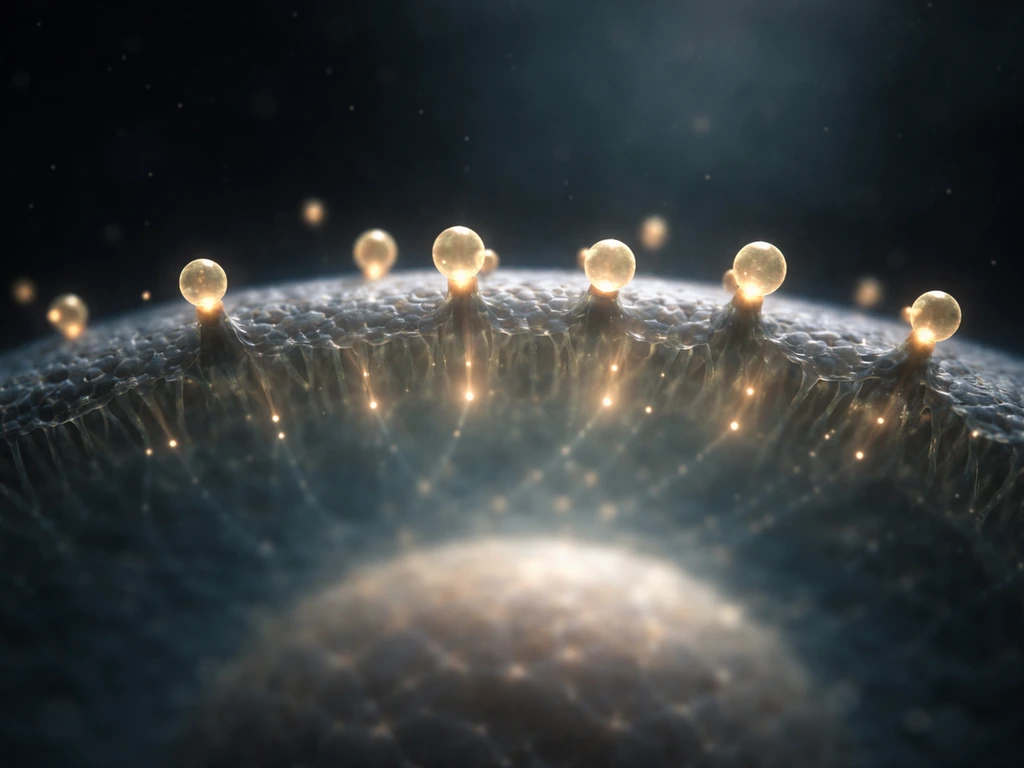
Having all the raw materials available doesn't automatically make a cell divide. Most human cells sit in a resting state called G0 (G-zero) until they receive a specific signal to re-enter the cell cycle. Those signals come from growth factors: proteins secreted by neighboring cells, the bloodstream, or the extracellular matrix. Epidermal growth factor (EGF), fibroblast growth factor (FGF), and platelet-derived growth factor (PDGF) are common examples. They bind to receptor proteins on the cell surface and kick off a cascade of intracellular signals.
That signaling cascade eventually activates proteins called cyclins, which pair with cyclin-dependent kinases (CDKs) to drive the cell through specific transitions. Think of cyclins as the key and CDKs as the ignition. The cell also checks whether it's physically anchored to a substrate. Most human cells (except blood cells) are anchorage-dependent: they need to be attached to a surface or extracellular matrix to receive the survival and growth signals necessary for division. Suspension without attachment usually triggers a form of programmed cell death. This is one of the reasons the ability to grow and reproduce varies so dramatically depending on cell type and context.
Stem cells have additional signaling requirements worth noting. Their niche, the specialized microenvironment they live in, supplies a tailored cocktail of signals that control whether they self-renew or differentiate. Nature Reviews Molecular Cell Biology describes the stem cell niche as integrating intrinsic factors with extrinsic cues from the surrounding microenvironment, including signals from support cells and extracellular matrix inputs blank" rel="noopener noreferrer">the niche, the specialized microenvironment they live in. Understanding what do stem cells need to grow and divide reveals just how precise this signaling environment has to be for specialized cells to reproduce properly.
Inside the cell: DNA replication, licensing, and checkpoints
Once a cell commits to dividing, it enters S phase and copies all 6 billion base pairs of its DNA. But the cell doesn't just open up the DNA and start copying anywhere. Before replication begins, specific sites on the chromosomes called origins of replication must be licensed. Licensing is achieved by loading a protein complex called MCM2-7 (the minichromosome maintenance helicase) onto those origins. This licensing system is critically important because it tells the cell which origins are ready to fire in the upcoming S phase and prevents any origin from being replicated twice in the same cell cycle. Re-replication (copying a segment of DNA more than once before division) is a serious problem that can lead to genomic instability.
A protein called Cdc6 plays a key role in this licensing process. It helps load the MCM2-7 complex onto chromatin, and its association with origins is tightly regulated through the cell cycle. Once MCM2-7 is loaded and origins are licensed, the cell has essentially set the stage for efficient, complete DNA replication in S phase. Remove Cdc6 or disrupt MCM2-7 loading, and you get incomplete replication, which the checkpoints are designed to detect.
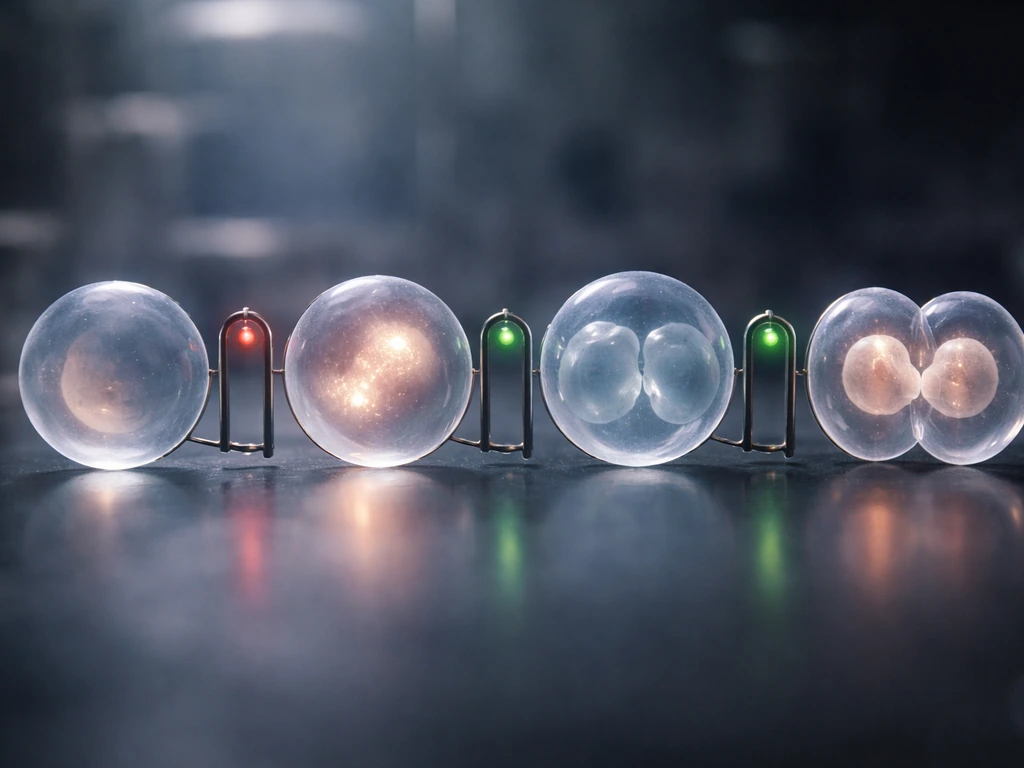
Checkpoints are the cell's internal quality-control system. There are three major ones. The G1 checkpoint (also called the restriction point) checks that the cell has adequate size, nutrients, and growth factor signals before committing to replication. The S phase checkpoint monitors ongoing DNA synthesis and can slow or stop the replication fork if damage is detected. The G2/M checkpoint verifies that DNA replication is complete and DNA damage has been repaired before the cell enters mitosis. This last checkpoint is especially critical: if a cell enters mitosis with broken or incompletely copied DNA, both daughter cells end up with damaged genomes.
When DNA damage is detected, checkpoint kinases like Chk2 become activated. Chk2 can inhibit a phosphatase called CDC25A, which prevents the activation of the cyclin-CDK complexes needed to push the cell into S phase. In plain terms: damage detected means brakes applied. The cell either repairs the damage and resumes, or it undergoes apoptosis (programmed cell death) to prevent passing a flawed genome to daughter cells. This is the machinery that keeps human tissue from rapidly accumulating the kinds of mutations that drive cancer.
A quick look at the cell cycle stages and their gatekeeping checkpoints
| Cell Cycle Stage | Key Events | Checkpoint & What It Checks |
|---|---|---|
| G1 (Gap 1) | Cell grows, synthesizes proteins, monitors environment | G1 checkpoint: size, nutrients, growth factors, DNA integrity |
| S (Synthesis) | DNA replication, origin licensing via MCM2-7 | S phase checkpoint: replication fork integrity, DNA damage |
| G2 (Gap 2) | Continued growth, prep for mitosis | G2/M checkpoint: complete replication, genome integrity |
| M (Mitosis) | Chromosome segregation, cell division | Spindle assembly checkpoint: correct chromosome attachment |
| G0 (Resting) | Cell exits cycle, awaits growth signals | Re-entry requires growth factors and favorable conditions |
Why cells can't just keep dividing forever
Resources run out. Waste accumulates. And the cell has built-in counters that limit its reproductive lifespan. The most well-known biological limit is the blank" rel="noopener noreferrer">Hayflick limit: most human somatic cells can only divide about 40 to 60 times before they stop permanently. This limit is enforced partly by telomere shortening. Telomeres are protective caps on the ends of chromosomes, and they shorten with each replication cycle. When they get critically short, the cell detects this as DNA damage and enters a permanent growth arrest called senescence.
Senescent cells don't die immediately. They stay metabolically active but stop dividing and often secrete inflammatory signals (the so-called senescence-associated secretory phenotype, or SASP) that can affect neighboring cells. When senescence fails or is bypassed, apoptosis is the backup. Apoptosis is programmed cell death: an orderly self-destruction sequence that the cell runs when it detects irreparable damage, lack of survival signals, or when instructed by neighboring cells. Both senescence and apoptosis are features, not bugs. They're the reason human tissues don't turn into tumors every time a cell gets stressed.
Resource constraints matter too, especially at the tissue and organism scale. A cell growing in a dense tissue can run out of oxygen and nutrients if it's more than about 100-200 micrometers from a capillary. This diffusion limit is a hard physical constraint on how many cells grow and reproduce to maintain homeostasis in a given tissue volume. It's also why tumors that outgrow their blood supply develop necrotic (dead) cores.
Comparing human cells to other cell types: what's shared and what's unique
The core requirements (energy, nutrients, water, proper temperature, intact DNA, checkpoint control) are shared across virtually all eukaryotic cells. But there are interesting differences in detail. Yeast cells, for example, follow a similar cell cycle with analogous checkpoints, but they can tolerate more extreme pH and osmotic conditions than human cells and don't require attachment to a substrate. How yeast cells grow and reproduce makes for a useful comparison point because yeast are the model organism where much of the foundational cell cycle research (including cyclin-CDK discovery) was first done.
| Requirement | Human Cells | Yeast Cells | Bacterial Cells |
|---|---|---|---|
| Temperature optimum | 37°C (narrow range) | 30°C (more tolerant) | Varies widely by species |
| pH optimum | ~7.4 (tight regulation) | 5-6 (more acidic tolerance) | ~7 (species-dependent) |
| Anchorage required? | Yes (most cell types) | No | No |
| Checkpoint complexity | G1, S, G2/M, spindle | Similar (G1, S, G2) | SOS response, no true checkpoints |
| Telomere-based limit | Yes (Hayflick limit ~50) | Yes (but different dynamics) | No (circular chromosome) |
| Growth factors needed? | Yes (external signals) | Mating pheromones for some | Nutrient availability drives division |
Organelles matter too: the internal infrastructure of division
Before a human cell can fully commit to division, it also needs to duplicate its organelles. Mitochondria, for instance, are not made from scratch. They grow and divide independently, using their own genome. This is a genuinely fascinating corner of cell biology: organelles like mitochondria can grow and divide to reproduce themselves, which reflects their evolutionary origin as ancient endosymbionts. A cell entering division with too few mitochondria won't have enough ATP-generating capacity to complete the process. The endoplasmic reticulum and Golgi apparatus also expand and are partitioned between daughter cells, though by different mechanisms.
What this means practically: how to think about cell growth requirements
If you're studying this for a class, a lab, or just to genuinely understand it, here's how to organize your thinking. The cell has a hierarchy of needs. It starts with survival (enough energy and water to stay alive), then moves to growth (biosynthesis of new components), then to licensing and commitment (growth factor signals, G1 checkpoint clearance), then to replication (DNA copying with S phase and G2 checkpoints), and finally to division itself (mitosis and cytokinesis). A failure at any step sends the cell backward down the hierarchy or into senescence/apoptosis.
- Check energy and nutrient supply: adequate glucose, amino acids, fatty acids, and nucleotides must all be present.
- Verify oxygen availability: aerobic respiration is needed for the ATP demands of division.
- Confirm water and electrolyte balance: osmotic stress will stall growth even if nutrients are plentiful.
- Ensure appropriate temperature (37°C) and pH (~7.4): enzyme function depends on both.
- Confirm growth factor signals are present: most human cells won't re-enter the cell cycle without external cues.
- Check substrate attachment: anchorage-dependent cells need to be adhered to a matrix.
- Verify DNA integrity and origin licensing: the MCM2-7 complex must be loaded, and no unrepaired damage should be present.
- Allow checkpoint clearance: G1, S phase, and G2/M checkpoints must all give a green light before division proceeds.
In a cell culture setting, researchers satisfy this checklist by using a carefully formulated medium (containing glucose, amino acids, vitamins, salts, and buffering agents), supplementing with serum or defined growth factors, incubating at 37°C in a 5% CO2 atmosphere (which helps maintain pH), and coating surfaces with proteins like fibronectin for anchorage. When cultures stop growing, the first things to check are nutrient depletion, waste buildup, and loss of growth factor activity. That troubleshooting logic maps directly onto the biology.
The deeper principle connecting all of this is that cell growth and reproduction are not default states. They are earned states. The cell earns them by meeting a specific set of internal and external requirements, passing a series of quality-control checks, and operating within tight physical constraints. Understanding that logic is the key to understanding not just cell biology, but also why cancers arise (cells bypassing those requirements), why wounds heal the way they do, and why aging tissues eventually lose regenerative capacity.
FAQ
Can a human cell start DNA replication and still fail to divide?
Yes, a human cell can copy DNA without successfully producing two viable daughter cells if key licensing or checkpoint steps fail. Replication that is incomplete or poorly controlled often triggers G2/M arrest, DNA repair, or apoptosis, so the end result is usually a stall or death rather than a clean division.
If the incubator is set correctly, what still limits oxygen during cell growth and division?
In many culture systems, oxygen availability depends on how well the flask mixes and how much oxygen dissolves into the medium, not just the incubator setting. If cells experience hypoxia, they may grow more slowly and show stress responses, because they cannot generate enough ATP for sustained biosynthesis.
Do all human cells require attachment to divide?
Anchorage dependence varies by cell type. Many epithelial cells require attachment to extracellular matrix proteins for survival signaling, while some transformed lines can partially bypass this constraint, which is one reason anchorage-independent growth is a hallmark of certain cancers.
How does CO2 in a cell incubator affect pH and division readiness?
pH control depends on both buffering in the medium and the gas phase. For example, incubators using 5% CO2 help maintain near-physiologic pH via bicarbonate buffering, so buffering agents alone may not fully correct pH if CO2 is wrong.
What happens if nutrients are available but waste products accumulate in a culture?
Not automatically. Waste buildup can trigger growth arrest even when nutrients are still present, because accumulating metabolic byproducts can alter pH, interfere with enzyme activity, and activate stress pathways that tighten checkpoint control.
Why can’t a damaged cell just continue anyway to reproduce?
Cells with DNA damage do not simply “push through” because checkpoint kinases restrain CDK activity and block cell-cycle transitions. If the damage is beyond repair, the pathway typically shifts toward programmed cell death rather than division with a damaged genome.
Does the Hayflick limit mean cells die immediately, or something else happens?
Telomeres act like a progressive countdown, shortening with division. Once they become critically short, the cell can enter senescence, which still keeps metabolism active but permanently disables proliferation, so you get long-lived non-dividing cells rather than immediate death.
How does the 100 to 200 micrometer diffusion limit connect to why tumors develop necrotic cores?
The diffusion limit is a practical constraint on tissue-scale growth, not a rule for each individual cell in a dish. In vivo, dense tissue and poor blood supply reduce oxygen and nutrient availability, which drives necrotic cores and limits how large a cluster can grow before resources become insufficient.
What is an example of how organelle shortage can block cell division?
Yes, organelle duplication is a common bottleneck. If mitochondria do not increase adequately, ATP production can limit replication and the later steps of mitosis, and organelle partitioning failures can produce daughters with insufficient machinery or signaling capacity.
If origins are licensed, what can still stop replication progression?
A cell can be “licensed” to replicate origins, but still fail the later checkpoints if replication stress occurs during S phase. For instance, DNA synthesis problems can activate the S-phase checkpoint, slowing replication forks or triggering arrest to prevent genomic instability.
Why might a cell not enter the cell cycle even when nutrients and temperature look perfect?
Growth factors are context-dependent signals. Even with plenty of nutrients, cells in a non-permissive environment may remain in G0 because receptor signaling cascades are absent or suppressed, so they do not commit to the restriction point.
What is a common cell culture mistake that disrupts growth even when the medium composition seems correct?
Serum variability can indirectly affect division readiness by changing growth factor concentration and adhesion behavior, even if glucose and salts stay the same. Switching serum lots or skipping supplementation can cause abrupt growth slowdowns that map to impaired signaling.
Next Article
What Do Human Cells Need to Grow and Reproduce
Learn what human cells need to grow and divide: nutrients, energy, oxygen, water balance, and cell-cycle signals.