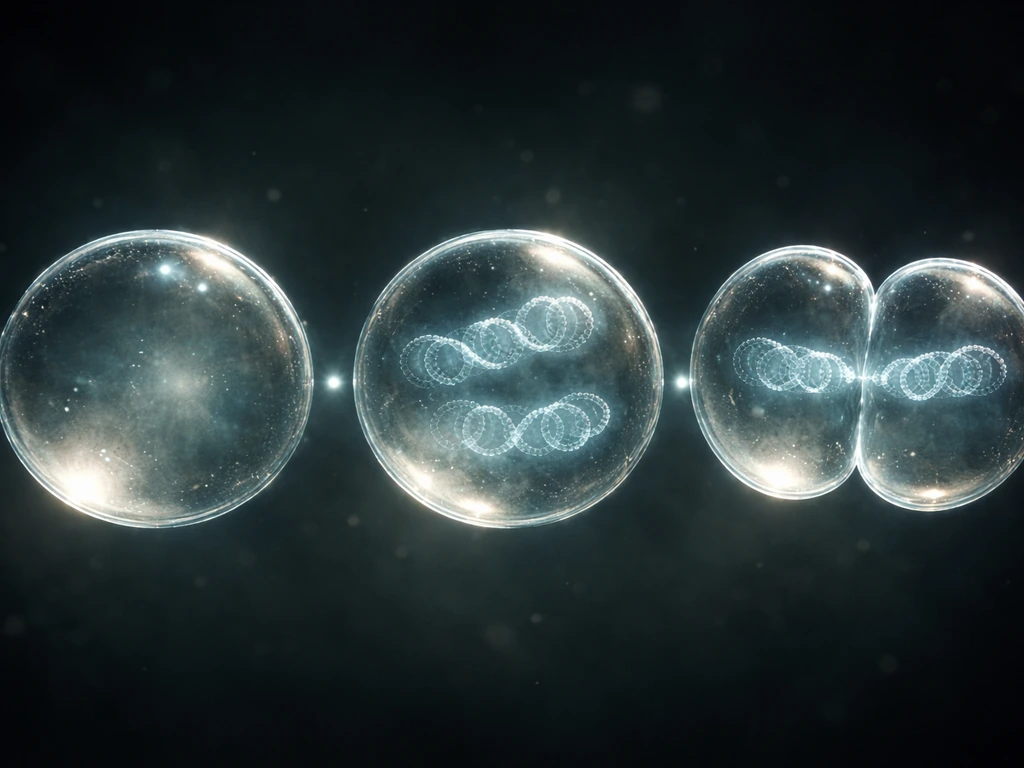
Stem cells need a coordinated set of biological signals, physical conditions, and chemical inputs to grow through the cell cycle and divide. At minimum, that means the right growth factors and cytokines telling the cell to proliferate, a supportive extracellular matrix or niche giving structural context, sufficient glucose and glutamine as fuel, oxygen at the right tension (typically 5% rather than the 20% in open air), temperature held near 37°C, and a pH around 7. 4.
What Do Stem Cells Need to Grow and Divide

Marcus Whitmore
7 May 2026
Remove any one of these, and the cell either stalls, differentiates, or dies. Those same principles of balanced growth, faithful DNA replication, and controlled signaling are what help cells grow and reproduce to maintain homeostasis how cells grow and reproduce to maintain homeostasis. The tricky part is that stem cells also have to stay stem-like while doing all this, which adds an extra layer of signaling regulation on top of basic cell biology.
Core requirements for stem cell division
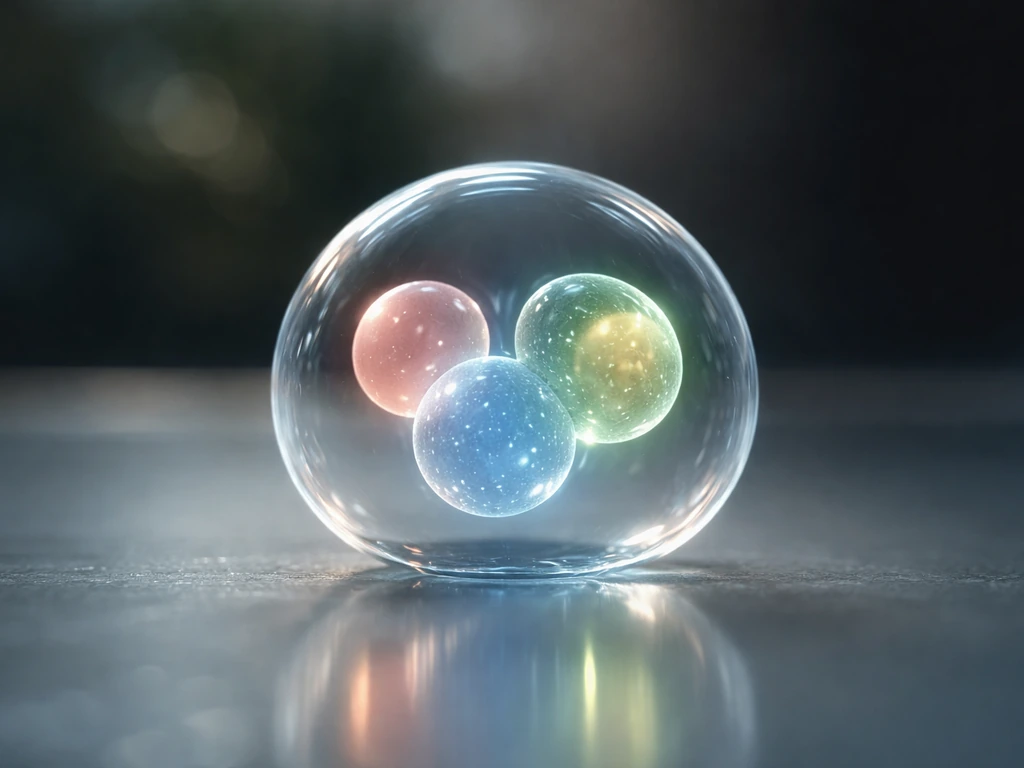
Every cell that divides has to accomplish the same core sequence: grow in size during G1, license its DNA for replication, copy every chromosome during S phase, check its work, and then split in two during mitosis. Stem cells are no exception. What makes them interesting is that they layer a whole identity-preservation program on top of this universal cycle.
DNA replication licensing is a good place to start because it is the first molecular gate the cell has to pass through. During late M phase and into G1, a protein complex called ORC (Origin Recognition Complex) sits at replication origins along the chromosomes. ORC then recruits Cdc6 and Cdt1, which together load the MCM2-7 helicase ring onto the DNA. This loaded ring is what 'licenses' the origin, marking it as ready to fire once S phase begins.
The system is deliberately one-shot: once a cell enters S phase, CDK activity prevents re-loading of Cdt1/MCM, so no origin can fire twice in the same cycle. That protection is critical. Under-replicated DNA triggers checkpoint responses that stall division; over-replicated DNA can lead to instability. Stem cells that are proliferating fast need this licensing machinery to be fully intact and well-supplied with all its components.
Upstream of licensing, the cell needs mitogenic signals to push it out of G1 in the first place. Cyclin-CDK complexes (particularly Cyclin D/CDK4/6 and then Cyclin E/CDK2) integrate growth factor signals to drive the G1/S transition. Without a clear 'go' signal from outside the cell, a stem cell will sit in G0/G1, quiescent but alive. Many adult stem cells, like hematopoietic stem cells in bone marrow, actually spend most of their time in this quiet state and only divide when they receive the right combination of external cues.
Essential signals and the stem cell niche
No stem cell lives in a vacuum. The microenvironment around it, often called the niche, delivers the molecular instructions that determine whether the cell stays quiescent, proliferates, or starts specializing. Think of the niche as a control room: it sends signals, the cell reads them, and then acts accordingly. Get the signals wrong, and you get the wrong behavior.
For mouse embryonic stem cells (mESCs), the classic niche signal is LIF (Leukemia Inhibitory Factor), which activates JAK/STAT3 signaling and is essential for maintaining pluripotency. Interestingly, LIF does not play the same role in human ESCs (hESCs), which is a good reminder that 'stem cell' covers a wide range of cell types with meaningfully different biology. Human pluripotent stem cells rely more heavily on FGF2, Activin/Nodal, and Wnt signaling to stay in an undifferentiated, dividing state. Activin A in particular has been shown to maintain self-renewal in hESCs while keeping BMP-driven differentiation in check.
In the hematopoietic system, bone marrow stromal cells provide niche signals like CXCL12 (also called SDF-1), which binds the CXCR4 receptor on hematopoietic stem cells (HSCs) and helps retain and maintain the HSC pool. SCF (Stem Cell Factor) binding to c-KIT on HSCs activates PI3K, MAPK, and JAK/STAT pathways that regulate whether those cells stay quiescent, self-renew, or start differentiating. This is a recurring theme: the niche does not just feed the cell, it votes on what the cell does next.
The physical side of the niche matters just as much as the chemical side. Extracellular matrix (ECM) proteins like laminin, fibronectin, and collagen provide anchor points and mechanosensory signals through integrins. Human pluripotent stem cells naturally produce alpha-5 laminin, which supports self-renewal. Recombinant laminin E8 fragments can substitute for feeder layers in culture systems, supporting adhesion and undifferentiated expansion of fully dissociated hESCs and iPSCs. ECM stiffness also matters: stiffer substrates (around 62-68 kPa on fibronectin-coated hydrogels) push mesenchymal stem cells toward bone-forming fates, while softer substrates keep them more plastic. If you are culturing on an ill-matched substrate, you may be quietly nudging your cells toward differentiation without realizing it.
The '2i' strategy: locking in ground state
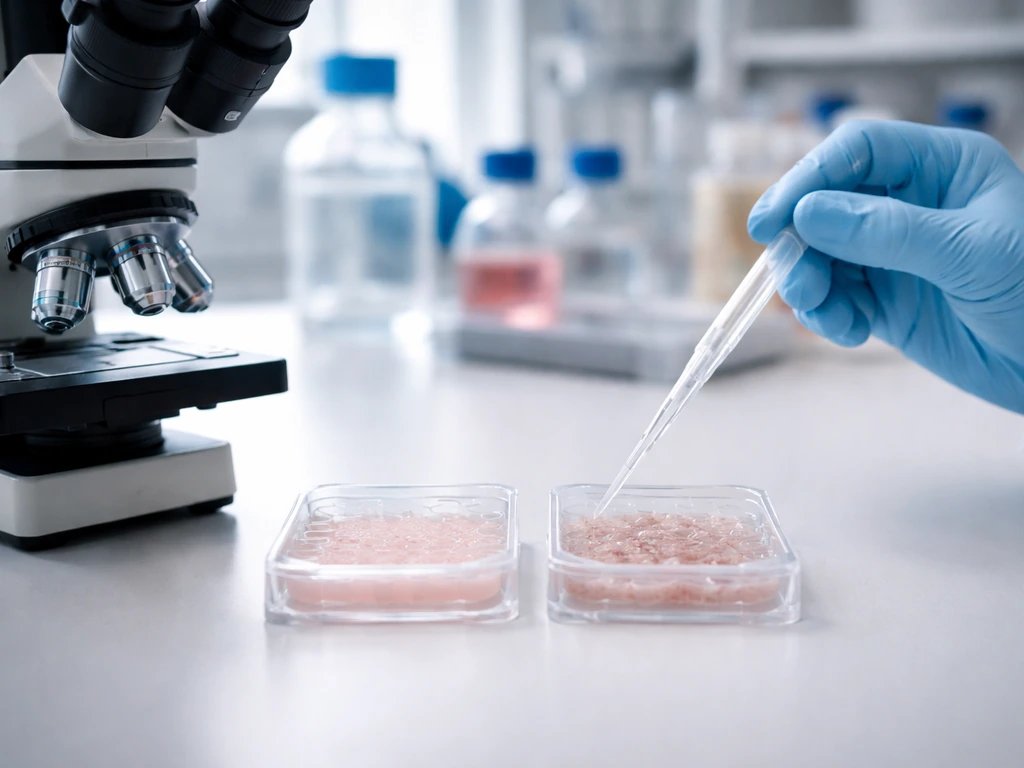
One of the most powerful demonstrations of how signaling controls stem-cell identity is the '2i' approach for mESCs. Adding a MEK inhibitor (PD0325901) and a GSK3 inhibitor (CHIR99021) together with LIF pushes mouse ESCs into a so-called naive ground state, blocking the differentiation-promoting effects of ERK signaling while amplifying Wnt-driven self-renewal. The '2i/LIF' combination is now a standard way to maintain mESCs without the spontaneous differentiation drift you see in serum-only conditions. It is a clear example of how precisely tuned signaling, not just nutrients, defines what stem cells do.
Key growth inputs: nutrients, energy, and oxygen
Growth and division are energetically expensive. A cell has to duplicate all its protein, lipid membranes, and six feet of DNA before it can split. Stem cells, especially pluripotent ones, have some distinctive metabolic preferences that you need to respect if you want them to keep proliferating.
Glucose and glycolysis
Glucose is the primary fuel for proliferating stem cells, and glycolysis (not oxidative phosphorylation) is the preferred pathway, even when oxygen is available. This mirrors the Warburg effect seen in rapidly dividing cancer cells and embryonic cells. The logic makes biological sense: glycolysis is fast and generates biosynthetic precursors needed for building new cellular components. Remove glucose or block glycolysis with agents like 2-deoxyglucose, and self-renewal of naive mouse ESCs collapses. In practical terms, this means your culture medium needs adequate glucose, and you need to change medium frequently enough that glucose does not become depleted.
Glutamine as a second essential fuel
Human pluripotent stem cells oxidize glutamine as a major energy source for mitochondrial respiration. Unlike mature somatic cells, hPSCs are relatively poor at using pyruvate for oxidative phosphorylation, so glutamine fills that gap. Glutamine oxidation has been shown to be indispensable for hPSC survival during proliferation. This is easy to overlook when optimizing media, but glutamine depletes faster than glucose in many standard formulations, so if your cells are struggling, glutamine levels are worth checking.
Oxygen tension: lower than you might think
Standard cell culture incubators run at 20% O2, which is atmospheric oxygen. But that is far higher than what stem cells experience in their natural niches. Inside the body, stem cell environments typically range from about 1% to 5% O2. Culturing hESCs at 20% O2 measurably decreases proliferation and reduces expression of core pluripotency markers including SOX2, NANOG, and OCT4 compared with 5% O2. Low oxygen supports a more glycolytic metabolic program with increased cell-cycle activity in hPSCs. For MSC spheroids, low physiologic oxygen enhances stemness markers and biomolecule production. If you have access to a hypoxia incubator or tri-gas incubator, using 5% O2 is worth the effort, especially for human PSCs.
Correct culture conditions: temperature, pH, and media
Beyond nutrients and signals, the physical chemistry of the culture environment has to be right or none of the biology above matters.
| Parameter | Target value | Why it matters |
|---|---|---|
| Temperature | 37°C | Matches core body temperature; enzyme kinetics and protein folding depend on it |
| pH | ~7.4 | Enzymatic activity, membrane transport, and signaling receptor function are all pH-sensitive |
| CO2 | 5% (with bicarbonate buffer) | Maintains pH in bicarbonate-buffered media; fluctuations cause acid/base drift |
| Oxygen | 5% (physiologic) | Supports glycolytic metabolism, pluripotency markers, and prevents spontaneous differentiation |
| Osmolality | ~280–320 mOsm/kg | Hyperosmolar stress impairs proliferation and triggers stress responses |
Culture media for human PSCs has moved substantially toward defined, feeder-free formulations. Products like TeSR2 are designed to provide all necessary growth factors, amino acids, vitamins, and lipid precursors in a reproducible feeder-free format, supporting undifferentiated expansion on laminin or Matrigel substrates. These defined media remove the variability of feeder layers while still delivering the signaling inputs and nutritional support cells need to keep cycling.
One frequently underestimated media supplement is Y-27632, a ROCK inhibitor. When human PSCs are dissociated to single cells for passaging, they undergo a form of dissociation-induced apoptosis driven by cytoskeletal changes. Adding Y-27632 at around 10 µM suppresses this Rho/ROCK-dependent apoptosis, dramatically improving survival and cloning efficiency after passaging. It is not a growth factor in the classic sense, but it is often the difference between cells that recover quickly after splitting and cells that just die.
What keeps cells stem-like vs what pushes differentiation
This is where stem cell biology gets genuinely elegant. The same cell that is proliferating has to simultaneously suppress the gene programs that would turn it into a neuron, muscle cell, or blood cell. A core transcription factor network, centered on OCT4, SOX2, and NANOG in pluripotent cells, cross-activates its own members while repressing lineage-specific genes. These factors need to stay expressed and active, and their expression depends on the signaling inputs described above.
The balance between self-renewal and differentiation is not a single switch but a network of competing signals. In hESCs, Activin/Nodal and FGF signaling support the undifferentiated state, while BMP and Notch signaling tend to push differentiation. The ratio and timing of these inputs, not just their presence, determines the outcome. Subtle shifts, like a small increase in BMP4 or a drop in FGF2, can begin tipping cells toward a specific lineage without obvious signs at first.
Epigenetic regulation reinforces these states. Chromatin around self-renewal genes is kept open and actively transcribed, while lineage genes are held in a 'poised' state, marked by both activating and repressive histone modifications so they can be switched on quickly but are suppressed in the undifferentiated state. The 2i approach mentioned earlier actually works partly through distinct epigenetic mechanisms that stabilize this open, pluripotent chromatin configuration.
What limits unlimited growth
You might wonder why stem cells do not just keep dividing forever if you give them everything they need. The answer is that biology has layered multiple braking systems into the process, and those brakes are features, not bugs.
Cell cycle checkpoints

The G1/S checkpoint is the most critical for stem cells. When DNA is damaged, p53 is activated. Activated p53 turns on p21, which inhibits Cyclin A/E-CDK2 complexes, physically blocking the cell from entering S phase. This is not just growth inhibition: in stem cells, p53 activation also suppresses NANOG expression, which drives differentiation as a response to genomic stress. So DNA damage does not just pause the cycle; it can permanently redirect cell identity. This makes DNA quality a direct upstream controller of both proliferation and stemness.
Telomere length
Each round of DNA replication shortens the chromosome ends (telomeres) slightly. Most somatic cells hit a telomere length threshold that triggers a permanent DNA damage response, causing replicative senescence or apoptosis. Pluripotent stem cells express telomerase to maintain telomere length, which is one reason they can be expanded longer than most somatic cells. But telomerase activity can diminish under suboptimal conditions, and critically short telomeres will eventually activate the same p53/p21 brake system described above.
Resource depletion and confluence
In culture, stem cells are also constrained by simple physical and chemical limits: nutrients run out, waste products (lactate, ammonia from glutamine catabolism) accumulate, and cells eventually run out of room. Over-confluence is a real problem. Cells that have been growing for 4 or more days without passaging experience crowding stress that reduces proliferation and can promote spontaneous differentiation. The practical rule is that most human PSC lines need passaging before they reach full confluence, typically every 3 to 5 days depending on seeding density and growth rate.
Signaling balance as a brake
Ironically, the same signals that support self-renewal also have dose-dependent limits. Too much Wnt activation, for example, can push cells toward primitive streak and mesoderm fates rather than maintaining naive pluripotency. The system is calibrated, not just binary. This is why defined culture systems that specify exact concentrations of growth factors and inhibitors produce more reliable results than systems that rely on undefined serum or variable feeder layers.
Practical next steps: figuring out what is limiting your cells
If your stem cells are not proliferating well, or if they are proliferating but differentiating when you do not want them to, the problem usually falls into one of three categories: wrong or missing signals, suboptimal physical/chemical conditions, or accumulated stress. Here is a practical way to work through it.
- Check pluripotency marker expression first. If OCT4, SOX2, and NANOG are dropping, your cells are differentiating, which means a signaling or environmental mismatch is the likely culprit, not a nutrient deficiency.
- Audit your oxygen conditions. If you are running at 20% O2 with human PSCs, switch to 5% and watch whether proliferation rate and pluripotency markers improve over two to three passages.
- Review your medium change frequency. Glucose and glutamine deplete faster than most people expect. If you are changing medium every 48 hours and your cells look stressed, try daily changes and see if growth improves.
- Assess passaging timing and survival. If cells look sparse after passaging, add Y-27632 (10 µM) for the first 24 hours post-split. If they are dying without ROCKi, your cells may be too stressed at dissociation or passaged too infrequently.
- Check your substrate. Laminin E8 fragments or Matrigel support adhesion and undifferentiated expansion. If you are on a substrate that does not match your cell type, even perfect media will not fully compensate.
- Look for signs of DNA damage or apoptosis. Activated p53, elevated p21, or high rates of cell death after passaging suggest genomic stress is the limiting factor, not missing mitogens. This calls for gentler handling, better cryopreservation practices, or mycoplasma testing.
- Consider your growth factor sources. Human PSCs are sensitive to FGF2 stability (it degrades quickly at 37°C). If you are using bulk FGF2 that sits at room temperature, replace it with freshly thawed aliquots or a thermostable variant.
The pattern recognition here is useful beyond the lab bench. Understanding what stem cells specifically need, versus what general mammalian cells need, is the same kind of thinking that applies when you study how other cell types like yeast cells or ordinary human somatic cells manage growth and reproduction. Try the same logic for simpler organisms too, like learning how do yeast cells grow and reproduce. The core requirements overlap (energy, signals, a permissive environment) but the specific molecules and tolerances differ in ways that matter enormously in practice.
The main takeaway is that stem cell growth is not a single dial you can turn up. It is a set of simultaneously required conditions, where missing even one can stall the whole process. Before human cells can grow and reproduce they need the right combination of signals, nutrients, energy, and physical conditions. Start by identifying which requirement is most likely to be unmet in your specific situation, fix that first, and reassess. That iterative approach will get you further faster than trying to optimize everything at once.
FAQ
Why do stem cells stop dividing even when growth factors are present?
Because division depends on more than mitogenic signals, check for missing or imbalanced cell-cycle gating (for example, insufficient licensing support) as well as culture stressors like depleted glucose or rising lactate/ammonia. Even short-term nutrient imbalance can trigger checkpoints that stall proliferation.
What is the fastest way to tell whether the problem is signaling versus culture stress?
Look at the pattern: if cells show increased differentiation markers without obvious death, it often points to niche or pathway imbalance (too much or too little Wnt, BMP, Activin/FGF balance). If you mainly see lower viability, poor attachment after passaging, or slow recovery, it often points to physical/chemical stress like oxygen, dissociation conditions, or inadequate recovery support.
Do all stem cells require the same oxygen level to grow and divide?
No. Human pluripotent stem cells typically respond better around 5% O2 than atmospheric oxygen, but other stem cell types and niches can differ. If you change oxygen, adjust other conditions too (especially feeding schedule and density), because lower O2 can also shift metabolism and waste accumulation rates.
How often should I change medium to prevent nutrient depletion from limiting growth?
Medium should be changed often enough that glucose does not run low and glutamine does not become limiting, since glutamine can deplete faster in many formulations. A practical approach is to monitor growth rate after each change frequency, then standardize that cadence for your line and seeding density.
Can too much Wnt or the wrong timing of Wnt exposure cause differentiation?
Yes. Wnt is dose and timing sensitive, excessive or prolonged activation can push cells toward mesoderm-like programs rather than maintaining the intended pluripotent state. If you are using pathway modulators, keep concentrations and exposure windows consistent across passages.
Why do single-cell passaging sometimes reduce proliferation even in supportive media?
Single-cell dissociation can trigger cytoskeletal stress and dissociation-induced apoptosis. A ROCK inhibitor like Y-27632 helps survival, but you still need gentle dissociation, appropriate seeding density, and timely medium changes, otherwise cells may survive but fail to re-enter the cell cycle efficiently.
What role does ECM stiffness play if I already have the right ECM protein?
Stiffness can change mechanosensing through integrins and alter lineage bias even when the protein identity is correct. If your system drifts toward differentiation, try verifying both the ECM source and the effective substrate mechanics (for example, hydrogel stiffness), not just whether laminin or fibronectin is present.
How do telomeres limit stem cell expansion in culture?
If culture conditions are suboptimal, telomerase activity can diminish, and progressively shorter telomeres can eventually activate the same DNA damage brakes that reduce proliferation. This may show up as a gradual decline in growth performance rather than an immediate collapse.
What happens if DNA replication is under-licensed or replication checkpoints activate?
Cells can stall in the cycle and either pause proliferation or, if stress persists, undergo differentiation or death. Common causes include impaired availability of replication machinery components or conditions that promote replication stress, so checking overall health indicators and not only growth factor levels is important.
Why might cells look healthy but still fail to stay stem-like?
They can be alive but receiving pathway inputs that favor lineage programs. Re-evaluate the balance among self-renewal and differentiation pathways (for example, relative Activin/FGF support versus BMP/Notch push), and confirm that concentrations are correct, since small ratio shifts can change fate without obvious viability loss.
When is over-confluence likely to affect division?
Over-crowding can reduce proliferation and increase spontaneous differentiation after multiple days without passaging. A line-specific rule of thumb is to passage before full confluence, often around every 3 to 5 days for human PSCs, but you should verify using your own growth rate and seeding density.
Is there a single condition I should optimize first when stem cells are under-proliferating?
Start by identifying the most likely unmet requirement in your setup. If you are unsure, prioritize foundational variables that commonly break the system, such as nutrient freshness (glucose and glutamine availability), oxygen level, and passaging stress or substrate match, then adjust signaling modulators after basic culture stability is restored.
Next Article
How Do Cells Grow and Reproduce: Cell Cycle Explained
Step-by-step cell cycle: growth, DNA copying, mitosis and cytokinesis, plus checkpoints that stop endless division.