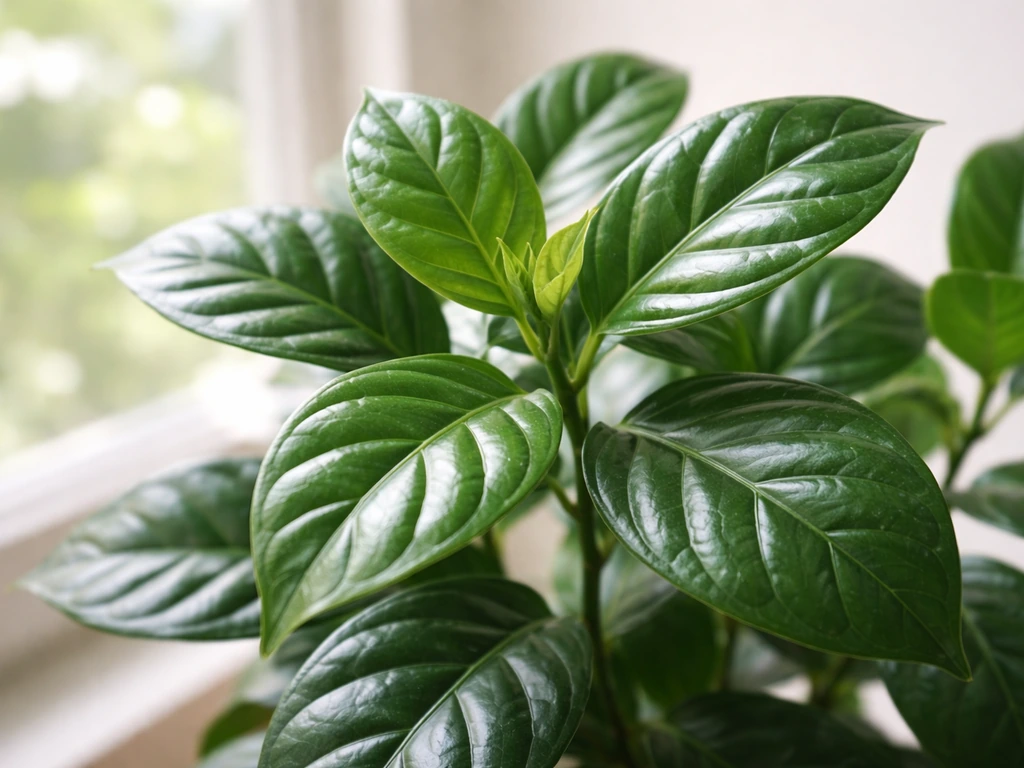
Leaves get bigger through two sequential biological processes: cell division first (more cells) and then cell expansion (each cell swells to its final size). Of those two, cell expansion is where most of the visible size increase actually happens, and it's almost entirely driven by water pressure inside the cells. So if you want bigger leaves, your most powerful levers are light, water, and nitrogen, in that order. Get those three right and you'll see a difference within days on fast-growing species.
What Makes Leaves Grow Bigger: Fix the Main Limits Today

Marcus Whitmore
27 May 2026
How leaf size works biologically
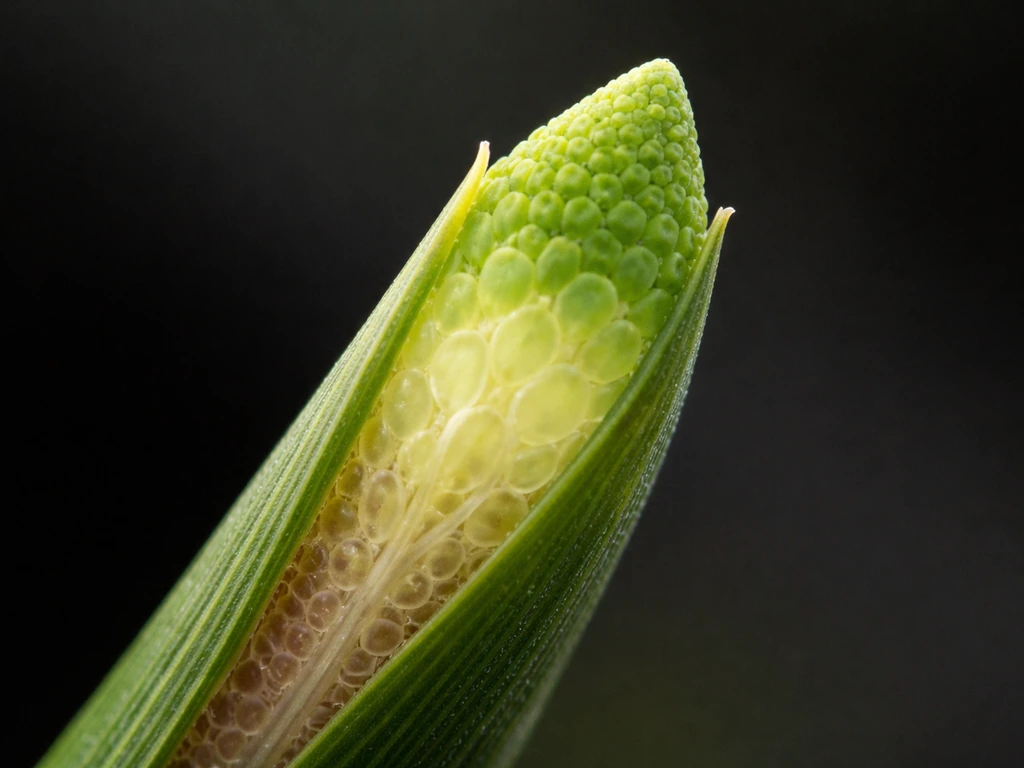
A leaf starts as a tiny cluster of cells at the growing tip of a shoot. Those cells divide rapidly in what's called the proliferation phase, producing the raw number of cells the leaf will have. Then division slows and expansion kicks in: each cell takes up water, stretches, and locks in its final size by building new cell wall material around itself. Final leaf size reflects how long the proliferation phase ran and how far expansion went.
Roots do the same general thing as shoots: they elongate as new cells are formed and then stretched during the growth phases stems grow in length. Extend either phase and you get a bigger leaf. Cut either short and you get a smaller one.
The expansion phase is almost hydraulic in nature. Think of a balloon: the cell wall is the rubber, and water pressure (turgor) is the air pushing it outward. Research on maize shows that leaf elongation slows noticeably when soil water potential drops from just -0.1 to -0.2 bar, and stops entirely around -2.5 bar. That's a surprisingly narrow range, which tells you that even mild water stress can quietly put the brakes on leaf expansion before any wilting becomes visible.
There's also a metabolic side: the expanding cells need sugars from photosynthesis to build new cell wall components and maintain the osmotic conditions that keep turgor high. This means light isn't just important for energy; it feeds the cellular machinery driving expansion. Roots play a role here too, since the root zone is how the plant accesses water and nutrients needed to sustain turgor.
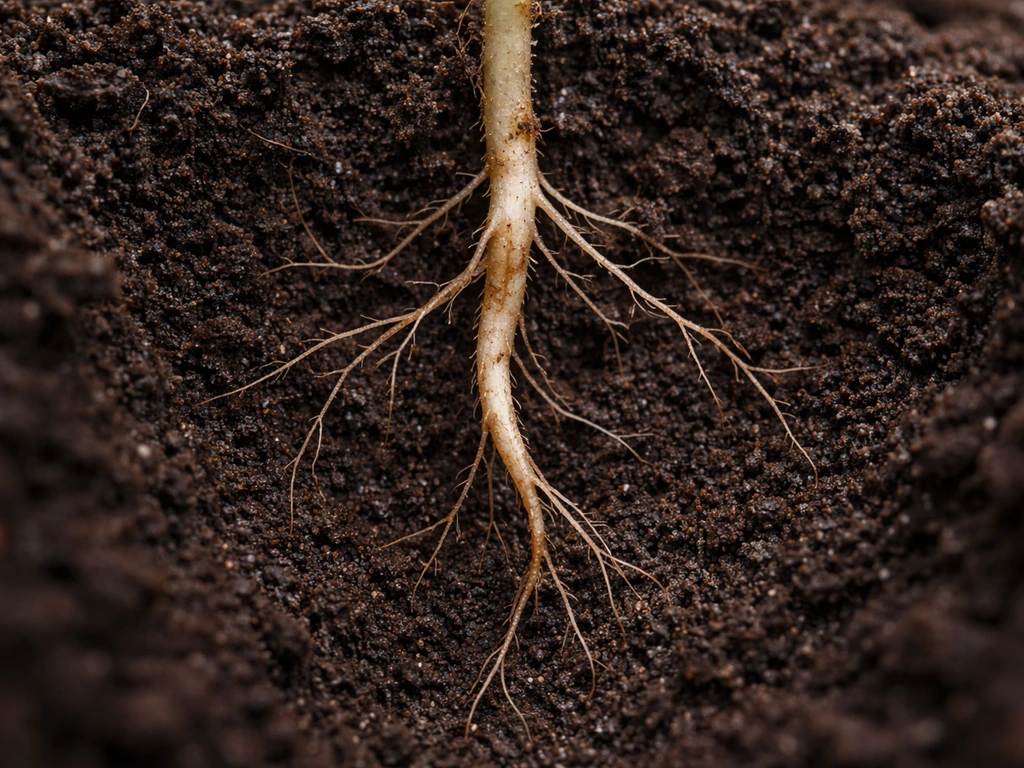
If you are trying to make roots grow better, including learning how does a root grow longer and thicker, keeping that root zone supportive for water uptake is a key place to start root zone is how the plant accesses water and nutrients needed to sustain turgor. What makes roots grow, especially in the elongation zone, is closely tied to how well they can keep water and oxygen supplies available for cell expansion.
Root growth, which depends on its own cell division and expansion in the elongation zone, is intimately linked to what happens in the leaves above. This is part of why the root often grows first, because it establishes the water and nutrient access the leaves need for expansion Root growth. Roots also grow in length as cells in the elongation zone divide and expand, extending the root further into the soil Root growth. Roots also grow in length as cells in the elongation zone divide and expand, extending the root further into the soil describe how roots grow in length.
The four key inputs that actually drive leaf growth
Light
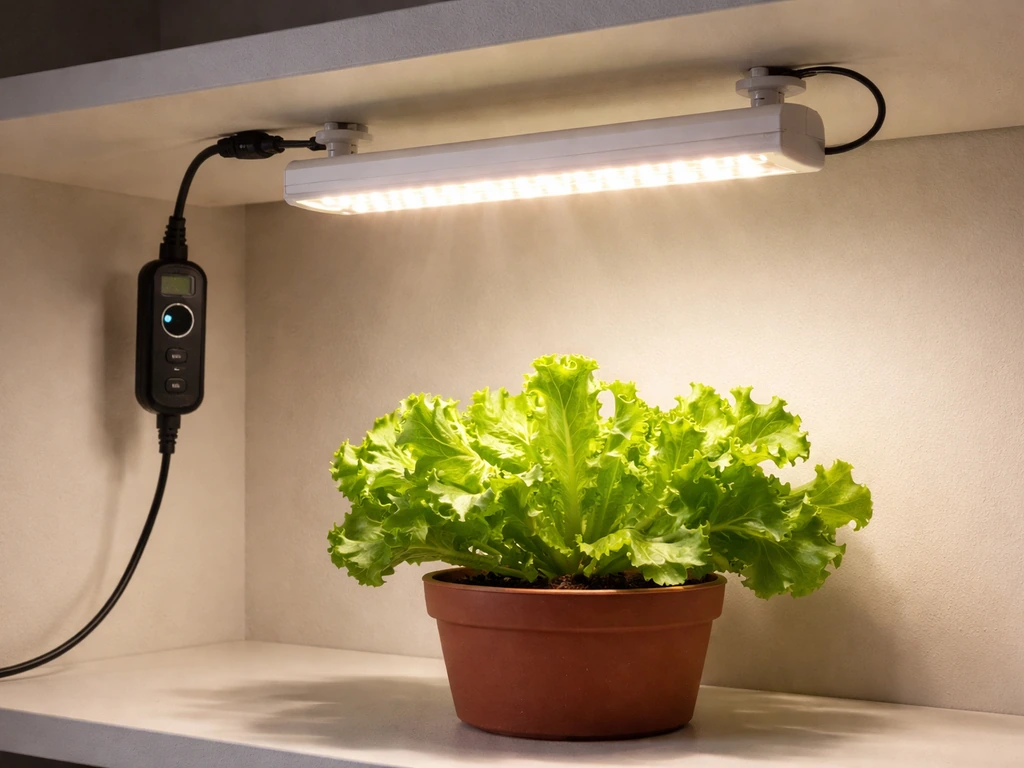
Light is probably the single most underestimated lever. Not just intensity, but spectrum and photoperiod all matter. Experiments with lettuce show that extending photoperiod at the same total daily light dose while lowering intensity can synergistically boost leaf expansion, especially in warm conditions. Supplemental far-red light (beyond the visible red spectrum) also measurably increased leaf length and width in lettuce. Blue light, meanwhile, influences cell shape during expansion: high blue light makes palisade cells more elongated, while red-only light leaves them nearly spherical. In practice this means a plant getting dim, blue-heavy indoor lighting may develop compact, smaller leaves not because it's unhealthy, but because the light signal is literally shaping cell geometry differently.
Water
As covered above, turgor is the engine of expansion. Consistent, adequate soil moisture keeps that engine running. The trick is consistency, not volume. Both underwatering (drops turgor) and overwatering (starves roots of oxygen, causing root asphyxiation and wilting within hours to days) shut down expansion. The goal is soil that stays evenly moist but never waterlogged. Humidity in the air around the leaves also matters: low humidity increases transpiration, which can deplete leaf water faster than roots replenish it, dragging turgor down even in well-watered soil.
Nitrogen
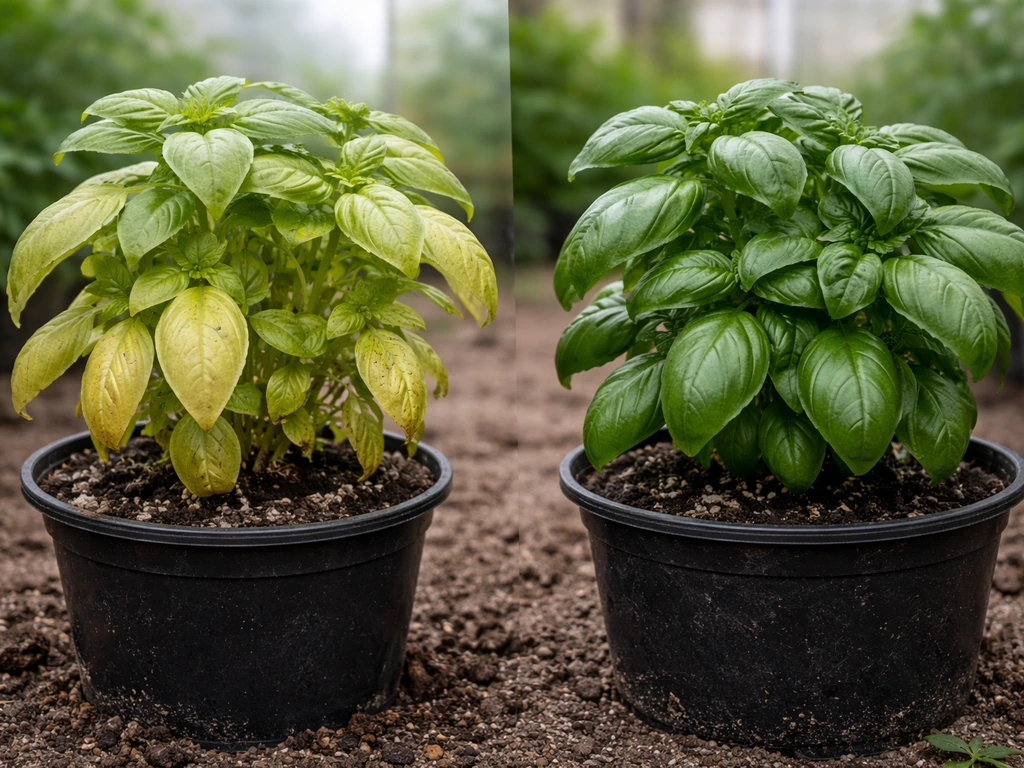
Nitrogen is the primary nutrient that drives vegetative leaf growth. It's the backbone of chlorophyll, amino acids, and the enzymes running photosynthesis. A nitrogen-deficient plant will have pale, yellowish older leaves and visibly stunted new ones. That said, excess nitrogen is a real problem too: it produces overly succulent, abnormally dark-green, sometimes cupped leaves that attract pests and can mask other deficiencies. The sweet spot is adequate, balanced nitrogen through a complete fertilizer, not maximum nitrogen.
CO₂
Elevated CO₂ can increase leaf size, but not in a simple, proportional way. Poplar trees grown under elevated CO₂ showed bigger leaves partly because the cell proliferation phase ran longer, giving the leaf more cells to expand. But the response depends heavily on nitrogen: if N supply is limited, the plant can't fully capitalize on extra CO₂ because photosynthetic capacity itself becomes constrained. In practical terms, for most indoor or garden settings, CO₂ isn't your bottleneck unless you're running a sealed greenhouse. Fix light and water first.
Plant hormones: the internal signals controlling leaf expansion
Plants use hormones to coordinate growth signals from roots, shoots, and leaves. The main players in leaf expansion are auxin, cytokinin, gibberellin, brassinosteroids, and abscisic acid (ABA). A systematic review of plant leaf development regulation also summarizes auxin, gibberellin, cytokinin, and brassinosteroids as hormone regulators that influence leaf primordium expansion from formation to final size via hormone signaling integrated with miRNA and transcriptional networks auxin, cytokinin, gibberellin, brassinosteroids. You don't need to memorize all of these, but understanding the broad strokes helps you diagnose problems and avoid overdoing certain interventions.
- Auxin: Produced in shoot tips and young leaves, auxin drives cell elongation. Under low red:far-red light (shade), auxin accumulates but then triggers breakdown of cytokinins, which can actually suppress leaf growth, explaining why shade-grown plants often have thin but not necessarily large leaves.
- Cytokinin: Promotes the cell expansion phase specifically. Experiments in Arabidopsis show that extra cytokinin during the expansion phase increases rosette leaf size via faster and greater cell expansion, not more cell divisions.
- Brassinosteroids: Potent growth promoters acting mainly on cell expansion. Plants deficient in brassinosteroids produce smaller leaves with barely changed cell numbers, but severely reduced cell size, confirming expansion as their main target.
- Gibberellins: Involved in cell elongation more broadly; relevant to stem and leaf growth, particularly internode length.
- ABA (abscisic acid): The stress hormone. It rises when the plant senses drought or high temperatures, and it suppresses leaf expansion, likely partly by reducing turgor through stomatal closure and partly through direct effects on expanding cells.
The practical takeaway: you can't spray on a hormone cocktail and expect bigger leaves without side effects. But you can work with the system by reducing stress (which keeps ABA low), providing good light quality including some far-red (which keeps auxin/cytokinin ratios favorable), and avoiding drought (which keeps turgor up and brassinosteroid/cytokinin signaling active).
Root zone, pot size, and plant vigor
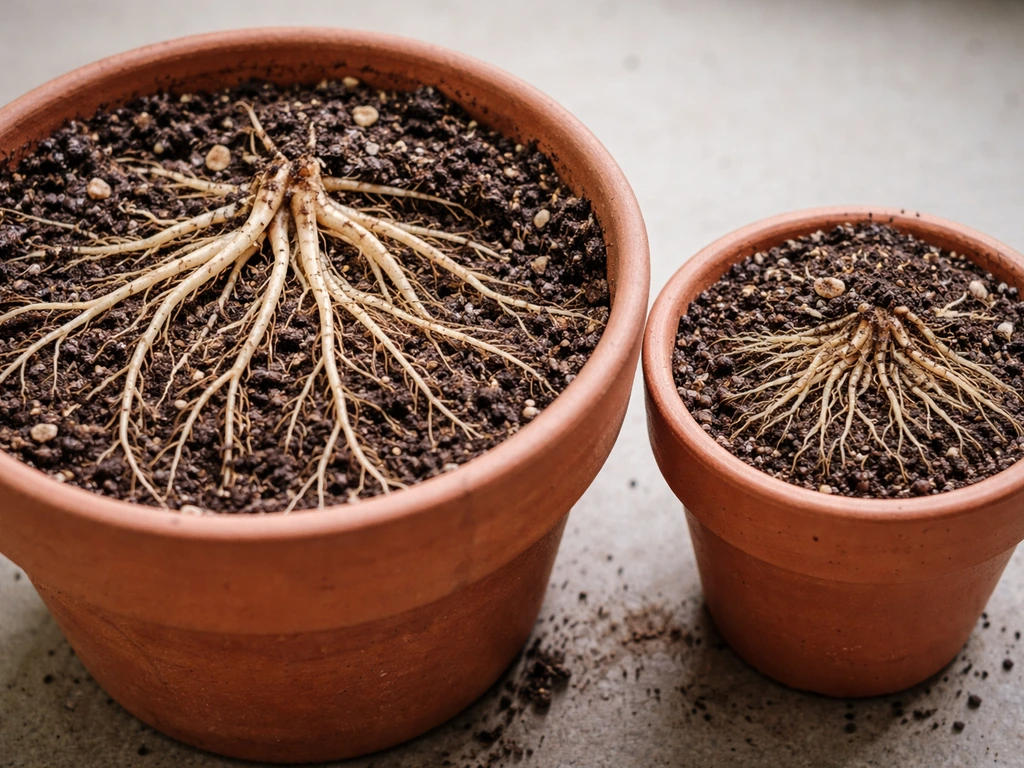
Healthy, unrestricted roots are non-negotiable for big leaves. A meta-analysis across 65 studies confirmed that smaller pots consistently reduce plant growth, with reduced photosynthesis per unit leaf area identified as a key mechanism. In cucumber trials, plants in 0.4-liter pots produced significantly less leaf expansion than those in 5.9-liter pots. Cotton seedlings in small pots (0.38 L) showed reduced root biomass, shoot biomass, and total leaf area compared to those in 1.75-liter pots. The pattern is consistent: root restriction limits source-to-sink carbohydrate flow and reduces the plant's ability to sustain the turgor-driven expansion the leaf needs.
Soil quality matters just as much as pot size. Compacted or poorly drained soil limits both root expansion and oxygen availability. Roots need oxygen just like leaves do, and waterlogged soil causes root asphyxiation that shuts down water and nutrient uptake fast. Good drainage, loose well-aerated growing medium, and appropriate spacing between plants (so roots aren't competing) are all part of keeping the root zone capable of supporting vigorous above-ground growth.
If you're growing in containers, a rule of thumb is to repot when you see roots circling the bottom or emerging from drainage holes, or when growth has visibly slowed without any obvious nutrient or light issue. Going up one pot size (not three) is the right move: too large a pot holds excess moisture and risks root rot.
Environmental factors: temperature, humidity, and wind
Temperature controls the rate and duration of leaf expansion directly. Both too-cold and too-hot conditions can stall growth. Many common flowering indoor plants prefer nighttime temperatures of 55 to 60°F; dropping below this range or spiking well above it often produces spindly growth or leaf drop. Leaf expansion is modeled using "thermal time," meaning the leaf keeps expanding as long as temperature stays within an optimal window. Prolonged cold doesn't just slow expansion, it can effectively cut the expansion phase short, producing permanently smaller leaves.
Humidity affects leaf size through its impact on transpiration and turgor. Low humidity causes rapid water loss from leaves, which depresses turgor pressure in expanding cells and slows growth. High humidity, combined with good airflow, tends to support fuller expansion because the plant doesn't have to close stomata as aggressively to conserve water. That said, stagnant high humidity encourages fungal disease, so balance matters.
Wind is worth thinking about, especially for outdoor plants or those near air conditioning vents. Mechanical stress from consistent wind reduces individual leaf area, increases leaf thickness, and at high speeds can reduce stomatal conductance and roll leaves up. Plants exposed to constant air movement tend to produce smaller, tougher leaves as an adaptive response. Moving a plant away from a direct draft, or adding a windbreak outdoors, can meaningfully improve leaf expansion.
How to figure out what's limiting your plant right now
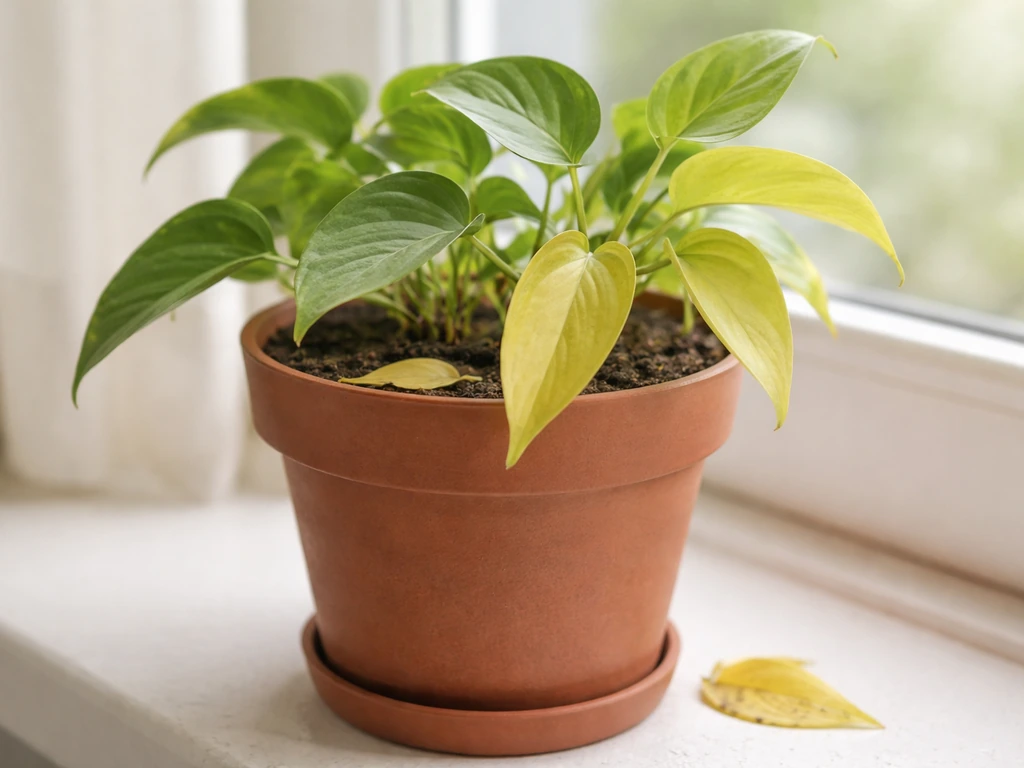
Before you start adjusting anything, spend five minutes diagnosing the actual problem. Most growers try to fix leaf size by adding fertilizer, when the real culprit is light or water. Here's a quick diagnostic framework based on what you can see and feel:
| What you observe | Likely limiting factor | First action |
|---|---|---|
| Pale yellow leaves starting from older growth | Nitrogen deficiency or overwatering | Check drainage and soil moisture; if soil is not waterlogged, apply balanced fertilizer |
| Yellowing starting from new, young leaves | Iron or micronutrient deficiency, often pH-related | Test soil pH; iron chlorosis often needs pH correction, not just more fertilizer |
| Leggy stems, small pale leaves stretching toward light | Insufficient light intensity or poor spectrum | Move plant closer to light source or add a full-spectrum grow light |
| Brown leaf tips, otherwise normal color | Salt burn from over-fertilizing, or underwatering/low humidity | Flush soil with water; reduce fertilizer dose; raise humidity |
| Slow growth, roots circling or emerging from pot base | Root restriction | Repot to next size up with fresh, well-draining mix |
| Wilting despite moist soil | Overwatering / root oxygen deficit | Let soil dry; check for root rot; improve drainage |
| Small tough leaves with thick texture, especially near vents | Wind/mechanical stress or very low humidity | Relocate plant away from drafts; raise local humidity |
Yellowing in particular can come from a long list of causes: overwatering, insufficient light, low humidity, cold drafts, nitrogen deficiency, iron deficiency, or compacted soil. The location on the plant (old leaves vs. new leaves) and the pattern (uniform yellowing vs. interveinal yellowing) help narrow it down. Don't guess and add fertilizer; check soil moisture and light levels first.
A step-by-step plan to get bigger leaves safely
- Audit your light first. Measure or estimate daily light hours and intensity at leaf level. Most foliage plants want at least 10 to 12 hours of bright indirect light, or 6 or more hours of direct sun outdoors. If the plant is leggy or pale, move it or add a grow light before changing anything else.
- Get watering right. Stick your finger 1 to 2 inches into the soil. Water when it's dry at that depth (for most species), and make sure every watering drains freely. Never let the pot sit in standing water for more than 30 minutes.
- Check the pot. If roots are visibly crowded, repot into a container one size larger (roughly 2 inches larger in diameter) with fresh, well-draining potting mix. Do this in spring or early summer when the plant is actively growing.
- Feed appropriately. Once light and water are sorted, apply a balanced, complete fertilizer (something like 10-10-10 or a dedicated foliage fertilizer higher in nitrogen) at half the recommended dose every two to four weeks during the growing season. Don't fertilize a stressed or dormant plant.
- Optimize temperature and humidity. Keep the plant in its preferred temperature range (generally 65 to 80°F for most tropical houseplants during the day). Raise humidity to 50 to 60% using a humidifier, pebble tray, or grouping plants together.
- Reduce mechanical stress. Move plants away from direct air conditioning or heating vents, fans, and persistent outdoor wind exposure. Even a simple windbreak or relocation can stop the plant from producing stress-response compact leaves.
- Be patient and consistent. Leaf expansion happens over days to weeks. After correcting the limiting factor, give the plant two full growth cycles before concluding the fix didn't work. New leaves emerging after the change will reflect the improved conditions; older leaves won't change size.
Common mistakes, and when bigger leaves aren't actually the goal
The most common mistake is fertilizing as a first response to any growth problem. If the real issue is inadequate light, adding nitrogen produces dark-green, lush-looking but structurally weak growth that's more vulnerable to pests and disease, not bigger healthy leaves. Nitrogen excess specifically produces thick, cupped, abnormally succulent leaves that look off and attract aphids and other pests. More fertilizer without more light just changes the symptom.
Sudden environmental shifts are another common error. Moving a plant from low light to intense direct sun, or drastically increasing fertilizer dose, can cause scorching, fertilizer burn, or shock that sets growth back further. Any change should be gradual: increase light over a week, dilute fertilizer to half strength, and let the plant acclimate before pushing harder.
It's also worth stepping back and asking whether you actually want the biggest possible leaves. Maximizing leaf size often involves tradeoffs: larger, softer leaves from high nitrogen or extended photoperiods can mean weaker stems, reduced drought tolerance, and lower overall plant resilience. In vegetable growing, very large leaves may indicate the plant is allocating energy away from fruit or root production. For outdoor ornamentals, unusually large leaves can be more vulnerable to wind damage. The goal should usually be healthy, vigorous leaves at the natural size for the species, not the absolute maximum size you can push.
Understanding what limits leaf expansion also connects to the bigger picture of how plants allocate growth resources between roots, stems, and leaves. That resource allocation link is also why gardeners often notice the root grows first, before the shoot rapidly expands why does the root grow first. If your root zone is restricted or stressed, the plant won't push resources into leaf expansion no matter how well you fertilize or light it. Getting root health right is foundational, whether you're growing in pots or in the ground, and it's worth thinking about roots and leaves as parts of one integrated system rather than separate problems.
FAQ
If I fertilize more, will my leaves automatically get bigger?.
Not always. Leaf size is constrained by how long cells can expand and keep turgor, so if light is dim or water is inconsistent, extra fertilizer often gives darker, softer foliage without real size gain. Check light intensity and soil moisture consistency first, then use nitrogen only within a reasonable range.
How long does it take to see bigger leaves after fixing the main limits?.
Yes, but only within an active growth window. The key is “proliferation time plus expansion time.” If you raise light and water while plants are actively growing, leaves can expand quickly, often within days on fast growers. In cold or low-light conditions, the same changes produce little visible enlargement because expansion duration is limited.
How can I tell whether my leaf size problem is light, water, or nitrogen deficiency/excess?.
Watch for mismatch symptoms: pale, slow, small leaves with yellowing often point to nitrogen deficiency or insufficient light, while dark green, overly lush, cupped leaves point more toward nitrogen excess. Also, if lower leaves yellow first and growth is stunted, that often suggests nitrogen or root issues, not just “needs fertilizer.”
What does it look like when overwatering is limiting leaf expansion?.
Overwatering can reduce leaf size even when soil looks “wet” because waterlogged roots lose oxygen, which shuts down water and nutrient uptake and collapses the hydraulic support for expansion. If leaves wilt while soil remains soggy, suspect oxygen starvation and improve drainage or watering frequency rather than adding more nutrients.
Can low humidity make leaves stay small even if I water correctly?.
Low humidity reduces turgor by increasing transpiration, so expanding cells run out of water faster than roots can replenish. If the soil is properly moist but leaves stay small, curling, or slow, consider raising humidity and improving airflow so stomata can stay functional without creating stagnant damp conditions.
Why did my leaves get smaller after I changed my care routine?.
It depends on what you change. A sudden jump to intense direct sun or a higher fertilizer concentration can cause shock, scorching, or fertilizer burn that temporarily halts growth, often making leaves smaller later. Acclimate by increasing light gradually and using diluted fertilizer for a week before increasing dose.
Can being rootbound prevent leaves from getting bigger?.
Yes. Root restriction can reduce carbohydrate supply per leaf area and limit turgor maintenance, so leaves may not enlarge even with strong light and adequate nitrogen. Signs include roots circling the pot bottom, drainage-hole roots, or a repeated pattern of stunted growth despite good feeding.
When repotting for bigger leaves, should I go to a much larger pot?.
You are more likely to succeed by “one size up,” then ensuring the new mix drains well. Oversized pots hold excess water longer, raising the risk of root asphyxiation and nutrient imbalance, which can reduce expansion. Repot when growth slows without a light or nutrient explanation, or when roots are visibly circling or emerging.
Why do leaves stay small in cooler weather even with good light?.
Temperature affects both the rate and the length of expansion, so cold can effectively shorten the expansion phase, producing leaves that never reach their normal size. If nights drop below a plant’s preferred range, growth can stall even if you water and fertilize well, so stabilize temperatures before pushing nutrients.
Will raising CO₂ at home automatically make leaves bigger?.
If CO₂ enrichment is the only change, you may not see much improvement. Bigger leaves from elevated CO₂ often require sufficient nitrogen to support photosynthetic capacity and longer cell proliferation. In typical home or open-garden conditions, CO₂ is usually not the bottleneck, so prioritize light quality and consistent moisture first.
Can wind prevent leaves from getting bigger?.
Too much wind or constant draft can reduce leaf expansion by increasing mechanical stress and shifting the plant toward smaller, tougher leaves. If the plant is outdoors or near HVAC vents, moving it away from direct airflow, using a windbreak, or reducing draft intensity can improve leaf size over time.
Is bigger always better, or can trying too hard backfire?.
Yes, and it can be misleading. Larger leaves can come with tradeoffs such as weaker stems and reduced resilience, and in some vegetables very large leaves may reduce energy allocation to fruit or roots. If the goal is healthy plants, aim for “species-normal size with strong structure,” not maximum possible leaf area.
Next Article
How Does a Root Grow Longer and Thicker
Learn how roots elongate and thicken: meristems, hormones, signals, physical limits, and home steps to boost growth.