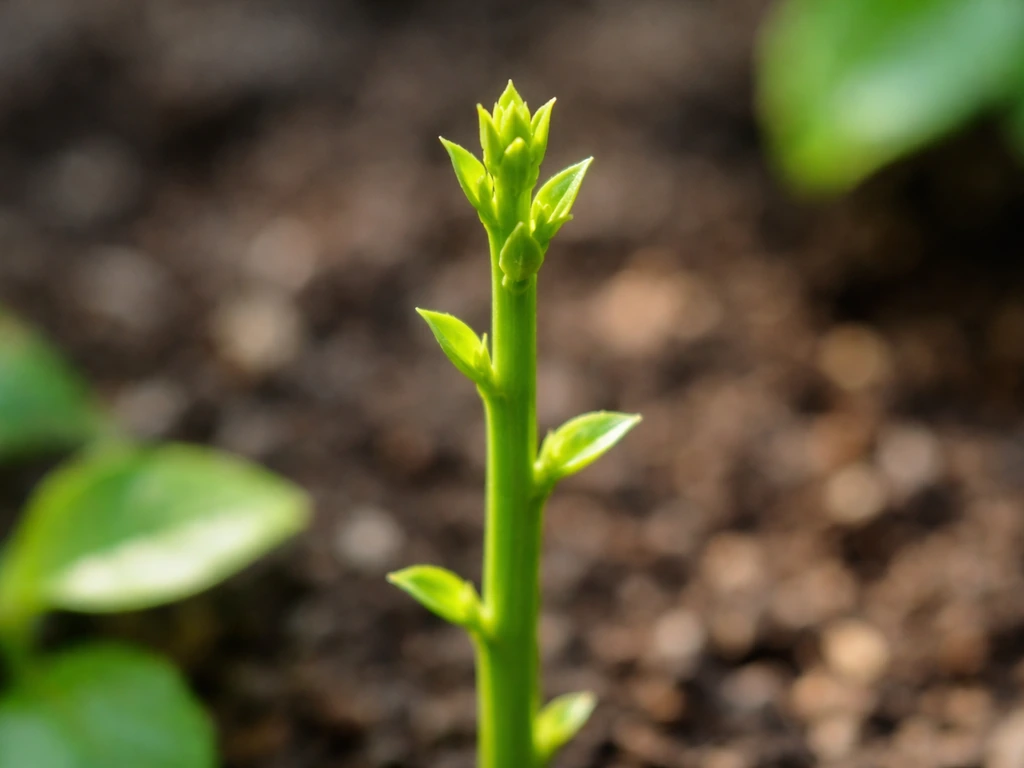
Roots grow longer by dividing and expanding cells at their tips, and they grow thicker through a second wave of growth driven by a ring of tissue called the vascular cambium. These are two completely separate mechanisms happening in different parts of the root, controlled by different hormones, and responding to different environmental signals. Once you understand which process you're dealing with, improving root growth becomes a lot more targeted and a lot less guesswork. If you focus on what makes roots grow in the first place, you can diagnose whether the problem is about elongation or thickening.
How Does a Root Grow Longer and Thicker

Marcus Whitmore
18 May 2026
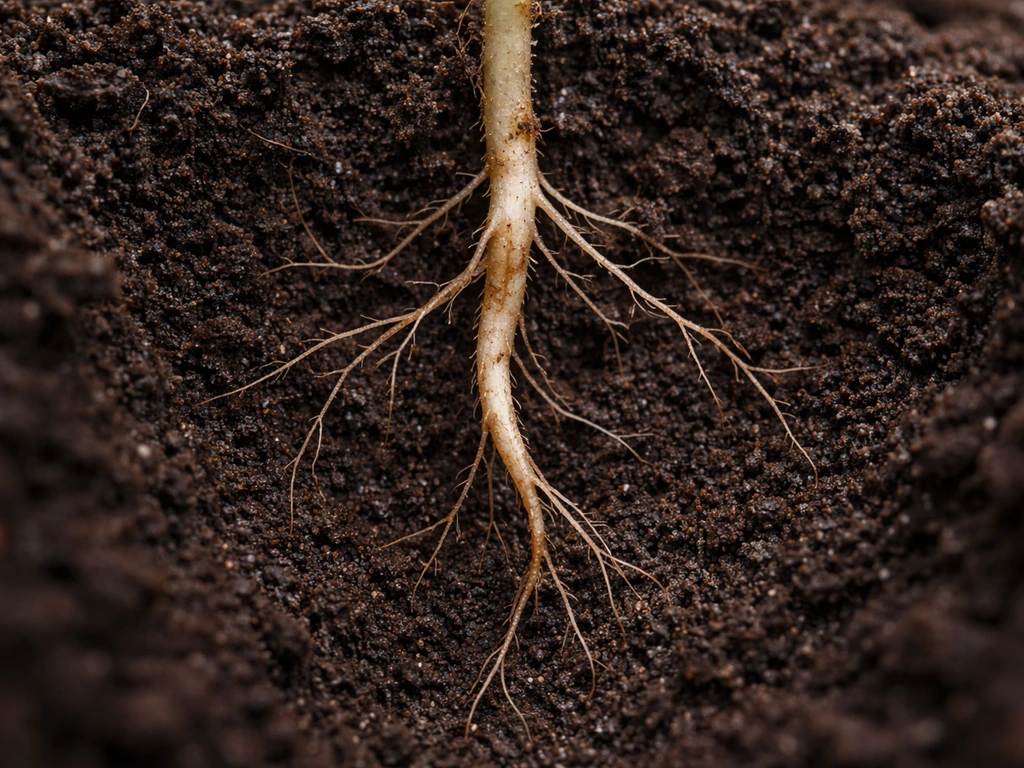
Root anatomy basics: what 'longer' and 'thicker' actually mean
Most people think of root growth as one thing, but it's really two. 'Longer' means the root tip is pushing through soil, adding distance. 'Thicker' means the root is adding girth, usually much later in its life. Conflating them leads to real confusion when you're trying to diagnose a growth problem.
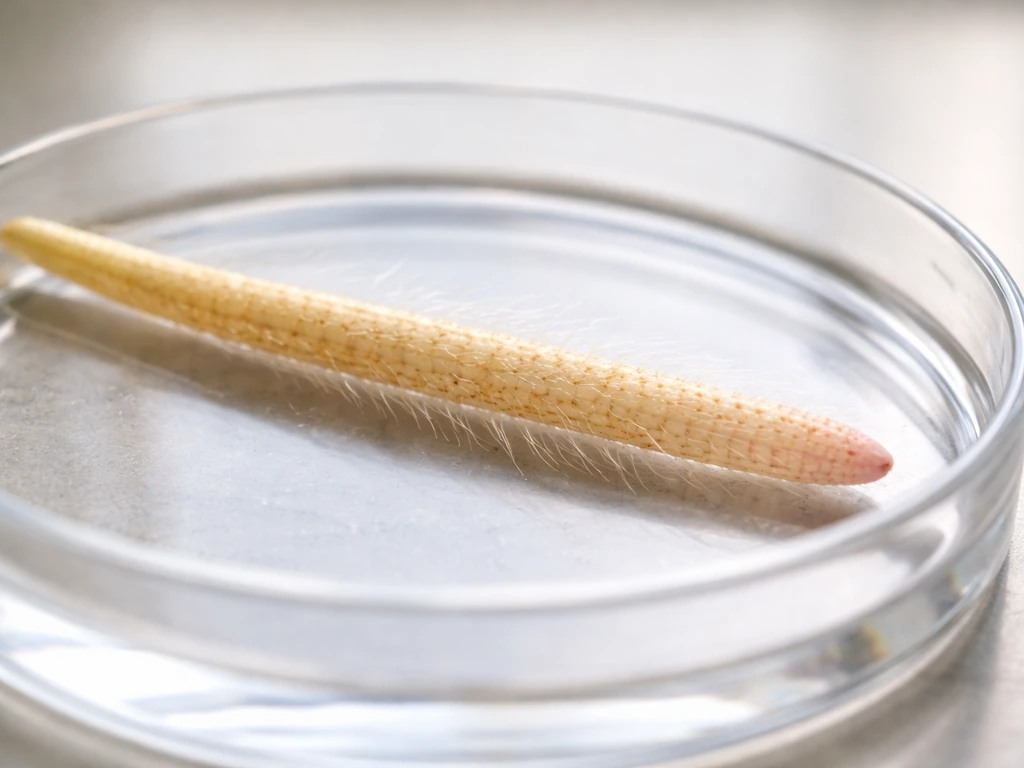
A root is organized into distinct zones from tip to base. Right at the tip is the root cap, a protective helmet of expendable cells that lubricates passage through soil. Behind it is the zone of active cell division, where a population of meristem cells constantly churns out new cells. Behind that is the zone of elongation, where those new cells swell dramatically in length, which is what actually shoves the tip forward. Further back still is the zone of maturation, where cells differentiate into their final roles: root hairs appear, vascular tissue matures, and active elongation stops. Knowing where you are in that sequence tells you a lot about what's driving growth at any given moment.
Thickening, by contrast, happens much further from the tip, in older portions of the root where primary growth has already finished. It's a second phase of growth, not an extension of the first. Some plants do it extensively (most woody shrubs and trees), some do it modestly, and some (most grasses, for example) barely do it at all.
How roots grow longer: cell division at the root tip
The engine of root elongation is the apical meristem, a cluster of actively dividing cells sitting just behind the root cap. At the very center of this meristem is a small group of mostly inactive cells called the quiescent center. These cells act as a stem cell reservoir, dividing slowly to replenish the surrounding actively dividing cells when needed. Auxin, the plant's main directional growth hormone, accumulates at this center and helps define it. Disturb auxin signaling here and the whole meristem organization can break down.
The actual push comes from the elongation zone. Newly produced cells exit the meristematic zone, pass through a short transition zone (roughly 200 to 450 micrometers from the tip in Arabidopsis, where elongation is still modest), and then enter the fast elongation zone just beyond it. Here, cells can expand many times their original length in a very short time. The mechanism is elegant: auxin triggers cells to pump hydrogen ions into the cell wall space, dropping the pH there. That acidic environment activates proteins called expansins, which physically loosen the connections between cellulose fibers in the wall (specifically, disrupting cellulose-xyloglucan links). A looser wall lets the cell absorb water and inflate, stretching lengthwise. This is called the acid growth mechanism, and it's the core of why auxin promotes elongation.
Vacuoles play a key role too. As cells move from the transition zone into fast elongation, their central vacuoles expand to fill most of the cell interior, pushing the cytoplasm to the edges. Water floods in osmotically. The cell wall yields because expansins loosened it. The cell gets long fast, almost like a balloon inflating inside a tube. Once cells reach the maturation zone, wall thickening and differentiation slow expansion to a stop.
This process is closely related to how stems grow in length, which uses very similar cell division and elongation mechanics in their own apical and intercalary meristems. And if you're curious why roots grow downward rather than sideways during elongation, that question of direction ties directly into how auxin distribution is regulated by gravity, which is worth exploring on its own.
How roots grow thicker: secondary growth and the vascular cambium
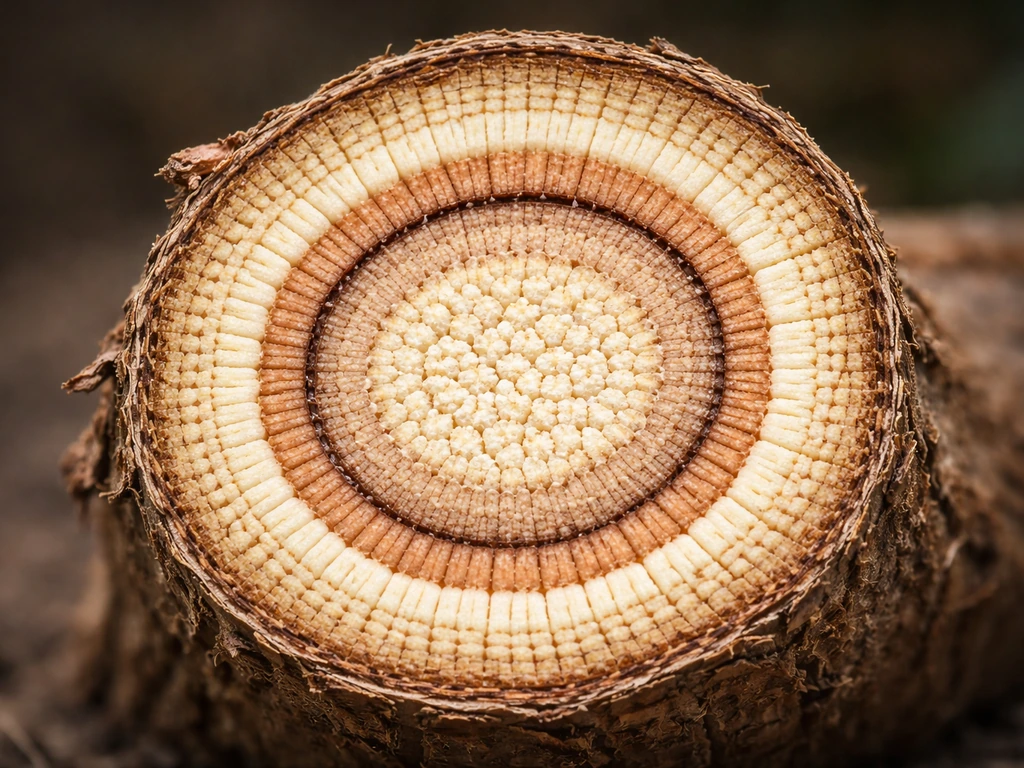
Secondary growth, the process that makes roots thicker, is a fundamentally different operation. It doesn't happen at the tip at all. It starts in older root tissue, triggered by the formation of a new ring of meristematic tissue called the vascular cambium. This cambium arises from residual procambium tissue and parts of a cell layer called the pericycle, forming a continuous cylinder around the root's vascular core.
Once established, the vascular cambium divides in two directions simultaneously. Inward divisions produce secondary xylem, the dense woody tissue that conducts water and minerals up from the roots and provides structural support. Outward divisions produce secondary phloem, which carries sugars down from the leaves. As these layers accumulate year after year, the root gets significantly fatter. A second cambium, the cork cambium, forms outward of the vascular cambium and produces protective cork cells (phellem) to replace the original epidermis, which gets stretched and shed as diameter increases.
Secondary growth is common in woody plants (trees, shrubs) but is limited or absent in monocots like grasses and many herbaceous plants. If you're growing a tomato, you'll see modest secondary thickening. If you're growing an oak, secondary growth in the roots is what produces the thick woody root system you're familiar with. Some fleshy root crops like carrots and radishes also thicken, but through alternative mechanisms involving parenchyma proliferation rather than classic secondary growth.
The hormones calling the shots
Plant hormones coordinate both elongation and thickening, often in surprising ways. Auxin is the central player in primary root growth. It flows down from the shoot into the root, accumulates at the tip, and drives both meristem maintenance and the acid growth mechanism that produces elongation. But too much auxin actually inhibits root elongation while stimulating it in shoots, which is why the same hormone has opposite effects depending on tissue and concentration.
Cytokinins, produced partly in the root cap, stimulate cell division in the cambium and help coordinate vascular development. Gibberellins promote cell elongation and can also influence cambial activity. Ethylene plays a nuanced role: it's produced in differentiating protoxylem vessels and acts as a trigger for lateral root initiation. It also helps roots cope with low-oxygen conditions by slowing elongation and managing oxidative stress. When soil gets waterlogged, ethylene accumulates and tells the root 'stop pushing, manage the stress first.' That's an adaptive response, but from a grower's perspective it means poor drainage directly stunts root extension through hormone signaling, not just mechanical restriction.
Nitrogen form also feeds into hormonal signaling. Ammonium supply, compared to nitrate or nitrogen deficiency, increases lateral root branching density, partly by modulating auxin distribution and apoplastic pH. Auxin dynamics are central to root development, and lateral root development progresses through coordinated steps from pericycle priming to founder cell specification, initiation and division, primordium formation, and emergence auxin distribution and lateral root branching density. So the fertilizer you choose affects not just nutrition but the architecture of the root system itself.
Environmental conditions that speed root growth up
Biology sets the ceiling, but environment determines how close you get to it. These are the conditions that have the biggest impact.
- Water availability: Cell elongation is driven by water uptake into vacuoles. Without adequate soil moisture, cells can't inflate and elongation stalls. Consistent moisture (not waterlogging) keeps the process running.
- Oxygen: Root meristems need oxygen for cellular respiration to fuel cell division and expansion. Waterlogged or compacted soil cuts off oxygen supply. Ethylene accumulates, signaling growth to slow. Well-aerated soil keeps oxygen at root tips.
- Soil temperature: Meristematic cell division accelerates with warmth up to an optimum (roughly 15 to 25°C for most temperate crops). Cold soils significantly slow division rates; overly hot soils can denature proteins and damage meristems.
- Nutrients: Nitrogen supports cell division and protein synthesis. Phosphorus is critical for energy transfer (ATP) and is particularly linked to root development, which is why phosphorus deficiency often produces stunted root systems. Calcium is essential for cell wall formation in newly divided cells.
- Soil texture and porosity: Loose, well-structured soil offers low mechanical resistance so elongating tips can push through without fighting. Compacted or heavy clay soils increase resistance dramatically.
Physical limits: why roots eventually stop
Root growth isn't unlimited, and the constraints are real and measurable. Mechanical impedance, the resistance soil exerts against a penetrating root tip, is one of the biggest. Penetrometer studies show that root elongation starts declining at soil strengths around 0.34 MPa and drops sharply at around 1 MPa. Compacted layers, hardpan subsoil, or even just dry, hard topsoil can push past those thresholds and physically stop root tips from advancing regardless of how good the biology is.
When a root tip hits high mechanical resistance, it doesn't just stop passively. Auxin and ethylene signaling respond actively: the root may thicken slightly at the tip to redistribute force, it produces reactive oxygen species (ROS) as stress signals, and lateral root production may be redirected. Mechanical impedance responses in Arabidopsis involve a signaling network of ROS, ethylene, and auxin that coordinates how root growth is reduced under penetrometer resistance Auxin and ethylene signaling respond actively. This is partly adaptive, helping the plant find paths of least resistance through soil pores. But it comes at a cost to overall exploration depth.
Oxygen depletion is a close second as a growth limiter. When soil pores are filled with water, oxygen can't diffuse to root tips fast enough. Ethylene builds up, growth slows, and prolonged hypoxia can kill meristems outright. This is why overwatering is one of the most common ways to kill roots even in well-meaning gardeners.
Nutrient depletion in the local rhizosphere, the thin zone of soil immediately around the root, can also create local limits. Roots can deplete phosphorus in the immediate vicinity faster than it diffuses back in, which is part of why root architecture (more branching, more surface area) matters so much for nutrient acquisition.
Container walls present a hard physical boundary. When a root tip hits a pot wall, it begins circling, which leads to root-bound plants with spiraling roots that restrict further growth and can eventually girdle the plant.
Practical steps to encourage better root growth today
Now that you know the mechanisms, here's how to act on them. Each of these recommendations ties directly to the biology above.
Fix soil structure first
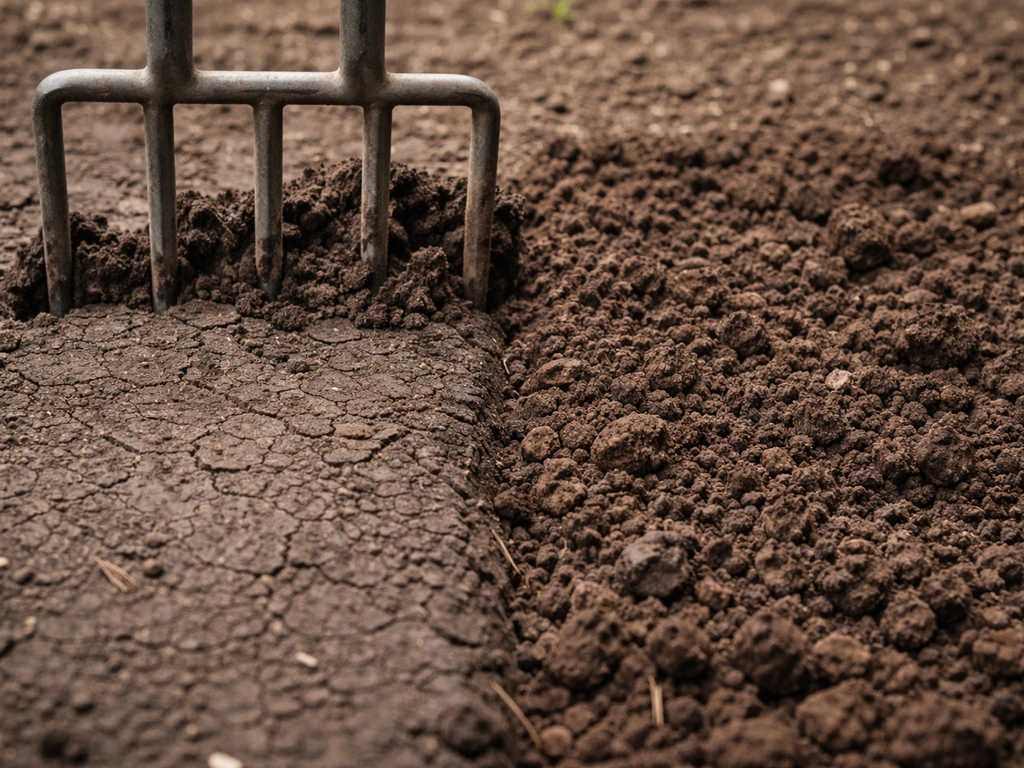
Compacted soil is the single biggest mechanical barrier to root elongation. Breaking up compaction with a fork or broadfork before planting reduces soil strength enough for tips to push through. Adding organic matter (compost, aged bark) improves pore structure long-term, giving roots both a physical path and a source of biological activity that further loosens soil. If you're curious why roots grow so strongly, that same idea of matching plant biology to its environment also shows up when you look at what makes leaves grow bigger. If you have heavy clay, gypite or coarse grit can improve drainage and aeration without the alkalinity problems of lime.
Water deeply, less often
Frequent shallow watering keeps moisture near the surface, which is where roots stay if that's where water is. Deep, infrequent watering encourages roots to follow the moisture gradient downward, building a deeper and more resilient root system. The goal is to keep soil consistently moist at root depth without saturating it, because saturation cuts oxygen and triggers ethylene-mediated growth shutdown.
Match your fertilizer to the growth you want
For root development, phosphorus is your priority. Use a starter fertilizer higher in phosphorus (the middle number on N-P-K labels) at transplanting. For ongoing root branching and density, nitrogen form matters: research shows ammonium-nitrogen increases lateral root density compared to nitrate nitrogen, so a mixed or ammonium-based fertilizer can produce a more branched root system. Avoid over-applying nitrogen overall, as excessive vegetative top growth can divert resources away from root development.
Use the right container and size
If you're growing in containers, pot size directly limits root growth. A root that hits a container wall starts circling, which reduces further exploration and can cause permanent structural problems. Size up before plants become root-bound. Even better, consider air-pruning containers. These have perforated or fabric walls that expose root tips to air when they reach the edge. The tip desiccates and stops growing in that direction, prompting new laterals to form behind it. The result is a highly branched, non-circling root system that establishes much faster after transplanting than a root-bound plant ever would.
Give woody plants time for secondary growth
If you're trying to encourage thicker roots in woody plants or shrubs, the vascular cambium needs time and carbohydrates to produce secondary xylem and phloem. Avoid heavy pruning that reduces the leaf canopy (and therefore photosynthate flowing to roots) during active growing season. Mulching around trees and shrubs reduces soil temperature swings and moisture stress, keeping cambial activity running longer into the season.
Common mistakes that stunt roots
- Overwatering: fills soil pores with water, removes oxygen, triggers ethylene buildup, and directly stops meristematic activity
- Planting too deep: buries the root-shoot transition zone, can interfere with gas exchange and expose stem tissue to pathogens
- Skipping soil preparation: leaving compacted layers means root tips hit high mechanical resistance immediately and stop elongating
- Letting plants become root-bound: circling roots constrain further growth and are hard to correct once established
- Over-fertilizing with nitrogen: promotes lush top growth at the expense of root:shoot balance, often producing weak, shallow root systems
Putting it together
Root elongation and root thickening are two distinct biological processes with different cellular machinery, different hormonal controls, and different environmental sensitivities. Elongation happens at the tip through meristematic cell division and expansin-driven wall loosening; thickening happens much further back through cambial activity. Both are sensitive to soil oxygen, moisture, and mechanical resistance. The most effective thing most home growers can do today is reduce the physical barriers: break up compaction, improve drainage, use appropriately sized containers, and water in a way that pulls roots downward rather than keeping them near the surface. Get those conditions right and the biology will take care of itself.
| Factor | Effect on Elongation | Effect on Thickening | What to do |
|---|---|---|---|
| Soil compaction | Major barrier; high resistance (>1 MPa) stops tip advance | Indirectly limits cambial access to water and nutrients | Till, fork, or amend soil before planting |
| Waterlogging | Stops growth via oxygen deprivation and ethylene buildup | Kills cambium cells in prolonged anaerobic conditions | Improve drainage; water deeply but infrequently |
| Phosphorus deficiency | Reduces cell division rate in meristem | Slows secondary xylem production | Apply phosphorus-rich starter fertilizer at planting |
| Nitrogen form (ammonium vs nitrate) | Ammonium increases lateral root branching | Minor direct effect | Use mixed or ammonium-based N for denser branching |
| Container wall contact | Triggers circling; stops exploratory elongation | No direct effect on thickening mechanism | Use larger pots or air-pruning containers |
| Temperature (below optimum) | Slows meristematic cell division significantly | Slows cambial division similarly | Plant in warm soil; use mulch to stabilize temperature |
FAQ
Why does my plant’s roots get longer but not thicker (or the reverse)?
Elongation is driven by cell division and lengthening in the root tip zones, while thickening depends on secondary growth farther from the tip via the vascular cambium. So if you see the plant “stall” without any visible new roots developing near the tip, think oxygen, compaction, or moisture saturation rather than a lack of time for thickening.
How can I tell whether my roots are failing at elongation or thickening? (without lab tests)
Check which growth is actually limited by observing where new roots appear. If new, pale roots stop extending but existing roots remain unchanged in girth, that points to tip zone problems (mechanical resistance, hypoxia, or poor aeration). If extension continues but older roots gradually thicken, secondary growth is likely fine and the limiting factor is probably carbohydrate supply.
If roots are in soggy soil, will thickening still happen normally?
Waterlogged soil can block elongation quickly because ethylene accumulates under low oxygen and slows growth, but the effect on thickening can lag. You may still get some cambial activity if the plant is not fully hypoxic, yet overall root exploration slows first, reducing how much “material” is available to become thick later.
Why do newly transplanted trees or shrubs often have delayed thickening?
In many plants, “thicker” is partly about producing more secondary xylem, which requires time plus photosynthate and a functioning vascular cambium. After transplanting or major root disturbance, cambium-driven thickening often slows while the plant prioritizes new feeder root elongation.
How does fertilizer choice change root thickness versus branching?
Nitrogen affects architecture differently depending on its form and the plant’s overall nutrient status. Ammonium often increases lateral root branching density by altering auxin distribution and local cell-wall chemistry, which increases overall exploration, while excessive total nitrogen can shift resources toward shoots and away from root development.
Can soil mix in a pot prevent thickening even when there is room to expand?
Even if a container is wide enough, dense organic mixes or poor-structured substrates can create oxygen-poor zones. That can suppress tip elongation through ethylene signaling, leading to fewer new laterals and less opportunity for older roots to eventually accumulate girth.
Do all plants thicken roots through vascular cambium?
Secondary growth is strongly limited in many monocots. If you are growing grasses or grass-like crops, you should not expect classic woody root thickening from vascular cambium the way you would in shrubs and trees.
Is being root-bound mainly a problem for length growth, thickness, or both?
Avoid interpreting “root-bound” solely by visible circling. Circling roots can also become inefficient at exploring the substrate, which reduces both new elongation and the overall substrate volume the plant can colonize, indirectly limiting carbohydrate supply to older root regions.
How does air-pruning affect how quickly roots become thicker?
Yes. A key distinction is that air-pruning containers interrupt growth direction at the tip and promote new laterals behind the stopped tip, which can increase branching and surface area. That can indirectly support later thickening because the plant establishes more functional roots in the volume before the cambium has to do its work.
If soil is compacted, why do roots sometimes appear stubby or oddly shaped?
Mechanical impedance can shift the plant’s allocation toward stress responses. The tip may thicken slightly as part of force redistribution while overall exploration depth drops, and reactive oxygen species can accumulate as signals, which often reduces total elongation and the conditions that lead to later secondary thickening.
Next Article
Describe How Stems Grow in Length Step by Step
Step-by-step primary growth explains how stems elongate from meristems via cell division, expansion, hormones, and limit