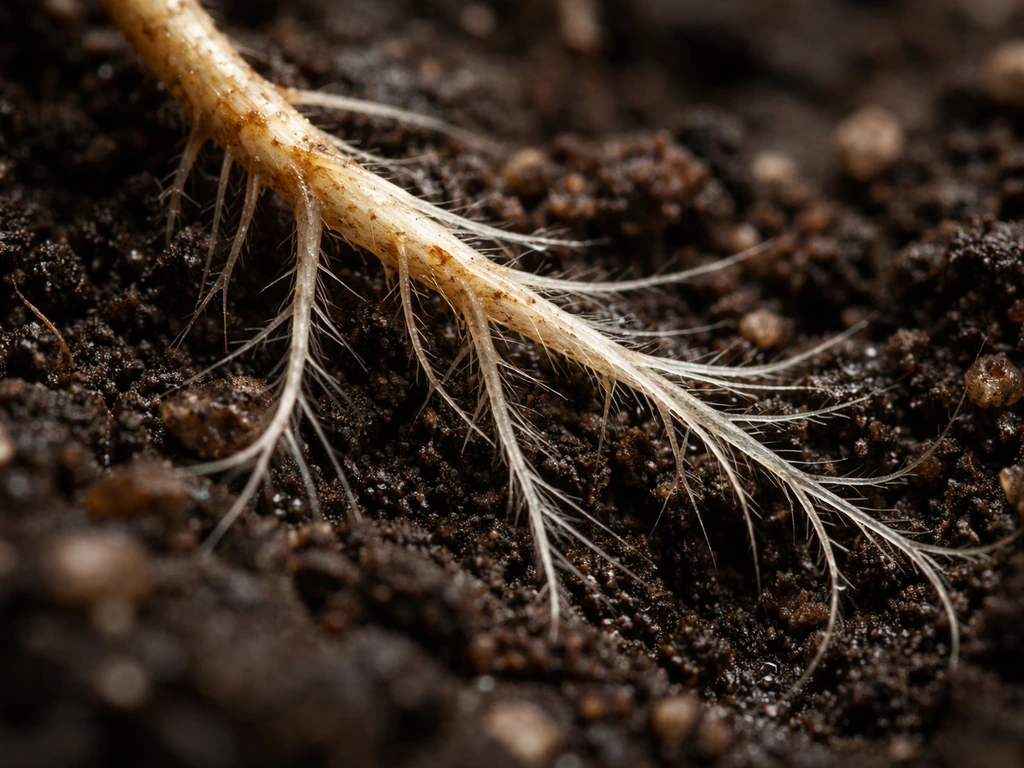
Stems grow longer through a process called primary growth, driven by two back-to-back events: cells dividing in a specialized zone near the shoot tip, then those new cells expanding dramatically in length. The whole operation is orchestrated by hormones, especially auxin and gibberellins, and it happens in a very specific part of the plant, not evenly along the whole stem. Once you understand where and how those two events unfold, you can explain almost every weird stem behavior you've ever noticed in a garden or lab.
Describe How Stems Grow in Length Step by Step

Marcus Whitmore
16 May 2026
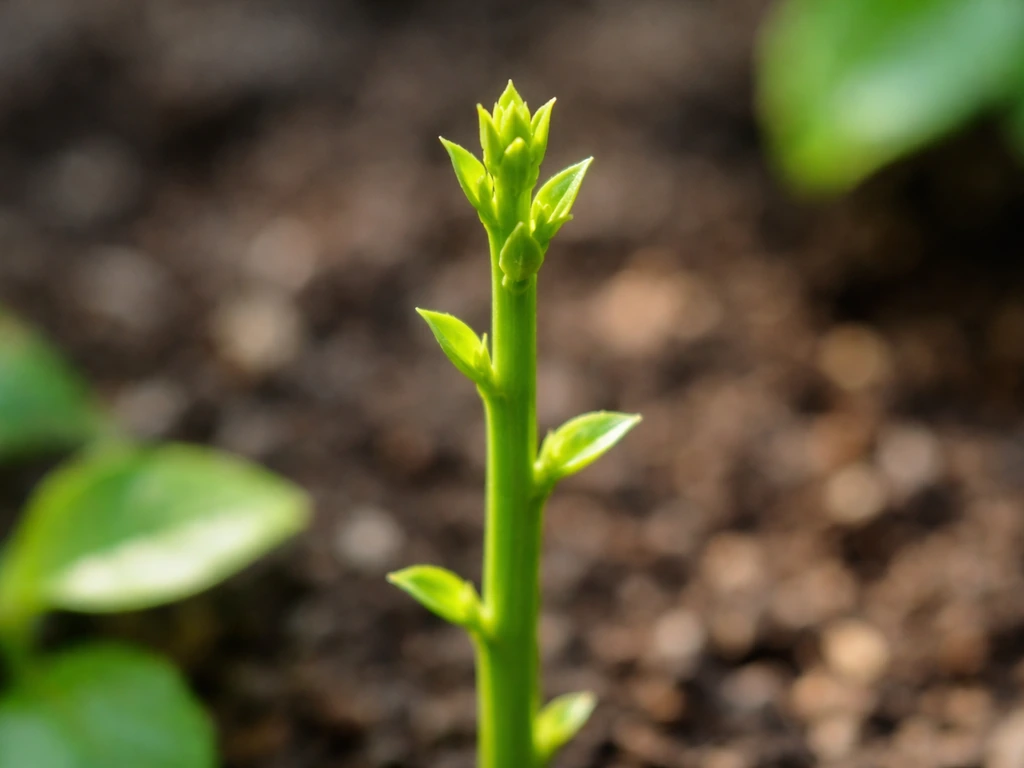
Primary vs secondary growth: length vs girth
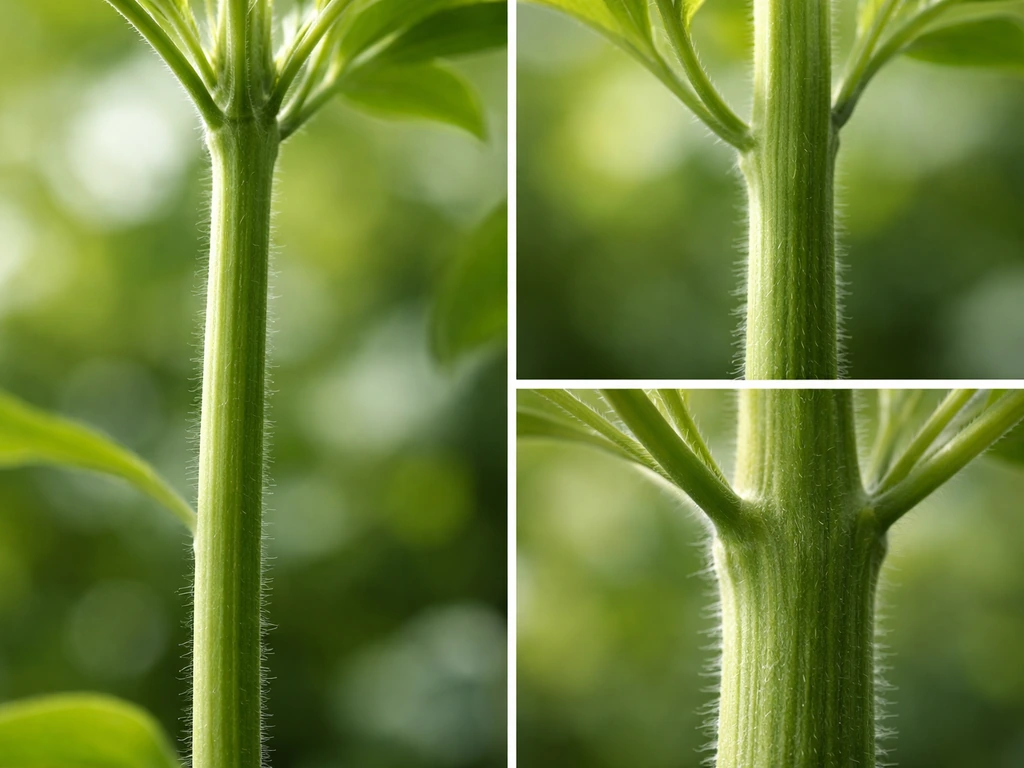
Before diving into the mechanics, it's worth separating two kinds of growth that often get confused. Primary growth adds length. Secondary growth adds thickness. They are completely different processes driven by different tissue types.
Primary growth happens at the shoot apical meristem (SAM), the actively dividing zone at the very tip of every stem. The cells produced there push upward, elongate, and become the internodes, the stretches of stem between leaf junctions. Secondary growth happens later, mostly in woody plants, and is produced by lateral meristems: the vascular cambium (which thickens the stem by adding wood and inner bark) and the cork cambium (which replaces the outer skin with corky bark). Those two lateral meristems divide in a direction that adds cells outward and inward rather than upward, so the stem gets fatter, not taller.
If you are watching a bean seedling grow toward a window, you are watching almost pure primary growth. If you are looking at rings on a cross-section of oak, that's secondary growth. This article is about the first kind.
Where elongation actually happens: meristems and elongation zones
The shoot apical meristem is a dome of undifferentiated cells at the growing tip of every stem. It's tiny, sometimes less than a millimeter across, but it controls everything downstream. The SAM has a central zone where cells divide slowly and a peripheral zone where division is faster and feeds the developing leaves and stem tissue. As the SAM produces new cells, they get pushed out of the meristem and into what researchers call the elongation zone, the region just below the apex where cells stretch to many times their original length.
Think of the meristem as a factory producing raw material, and the elongation zone as the finishing floor where that material gets pulled into shape. The stem you can see and measure is mostly made of cells that have already completed elongation. The action is happening just below the tip, hidden and rapid.
This zonation is the same fundamental logic you see in roots, where a meristematic zone, a transition zone, and a fast elongation zone are stacked in sequence along the axis from the tip. A root tip is described as having distinct functional zones including a zone of cell division, a zone of oriented cell elongation, and a zone of cell differentiation [distinct functional zones including cell division, oriented cell elongation, and cell differentiation](https://www. ncbi. nlm.
nih. gov/books/NBK26922/). In roots, the same zone-based plan explains how roots grow in length by progressing from meristem division to rapid elongation zone-based strategy to add length. The parallel is not accidental: stems and roots both use the same zone-based strategy to add length.
In a stem, elongation is particularly concentrated in the internodes: the segments between nodes. Each internode stretches as its cells expand, adding to the overall height of the plant. Leaf size also depends on how fast cells in developing leaf tissue divide and then expand, so the same growth logic applies when leaves get bigger what makes leaves grow bigger. Nodes themselves remain relatively stable anchor points. So if you mark an internode with dots of waterproof ink and measure the distance between dots over several days, you will see them move apart right in that internode, not somewhere far from the tip.
Cell division vs cell expansion: two different jobs
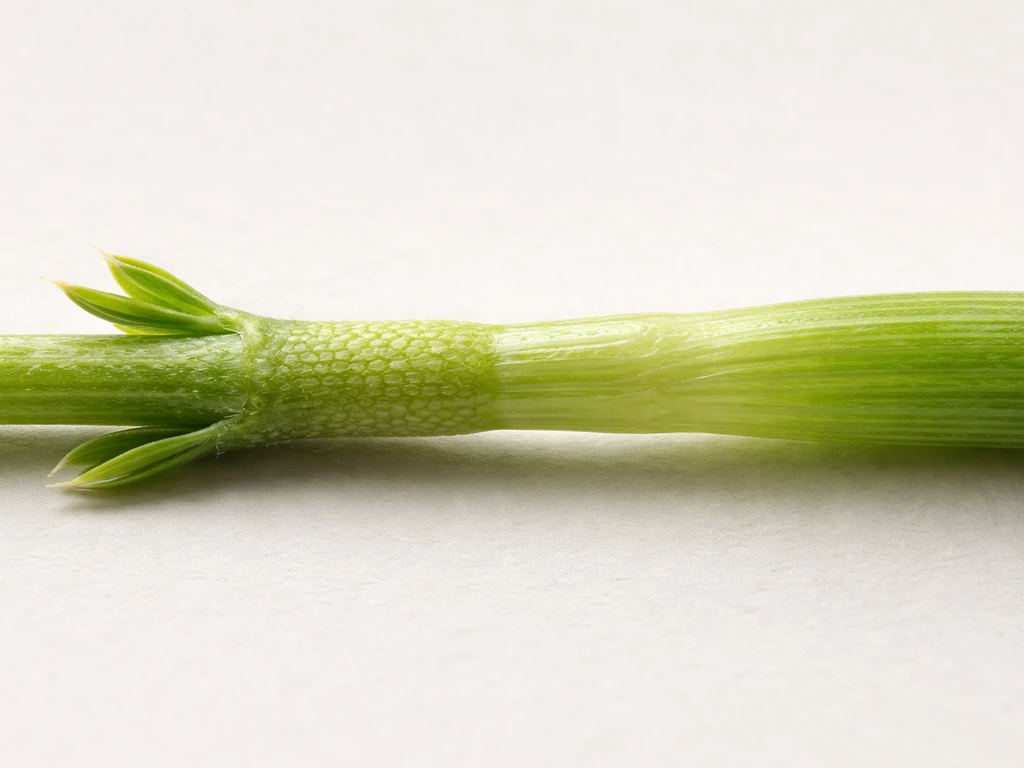
These two processes sound similar but they play completely different roles in elongation, and mixing them up leads to a lot of confusion.
Cell division (mitosis) in the SAM produces more cells. It increases cell number but doesn't directly add much to length, because freshly divided cells are small. If you only had cell division and no expansion, your stem would barely get taller. Cell expansion is the step that actually drives most of the visible length increase.
A plant cell can expand to 10 to 100 times its original volume by taking in water through osmosis, building turgor pressure, and then loosening its cell wall so the wall can stretch irreversibly in the direction of growth.
The direction that stretching happens, longitudinally along the stem axis, is controlled by how cellulose microfibrils are laid down in the cell wall, generally oriented perpendicular to the growth direction, like barrel hoops that prevent sideways bursting and guide the cell to grow upward instead.
So the honest summary is this: division gives you more building blocks, but expansion is what actually lifts the stem upward. Both are required, but cell expansion accounts for the majority of measurable length gain in any given internode.
The hormones running the show: auxin, gibberellins, and cytokinins
Plant hormones don't act like on/off switches. They work more like a conversation between different parts of the plant, adjusting rates, directions, and targets depending on context. Three hormones are most directly involved in stem elongation.
Auxin and the acid growth mechanism
Auxin, primarily indole-3-acetic acid (IAA), is produced in the shoot apex and young leaves and moves downward through the stem. It promotes elongation by triggering the plasma membrane H+-ATPase pump, which pushes protons out of the cell and into the cell wall space, dropping the pH of the cell wall to around 4.5 to 5. That acidic environment activates proteins called expansins, which break the hydrogen bonds holding cellulose microfibrils together, making the wall more stretchable. With turgor pressure still pushing from inside, the loosened wall yields and the cell expands. This is called the acid growth theory, and it is well-supported by decades of experiments showing that artificially acidifying plant tissue can briefly mimic auxin's elongation effect.
A key molecular relay in this pathway involves SAUR proteins. Auxin induces SAUR expression, and SAUR proteins then inhibit phosphatases that would otherwise switch off the H+-ATPase. The result is sustained pump activity, sustained wall acidification, and sustained growth. This is why auxin doesn't just give a brief growth pulse: the SAUR relay keeps the signal going.
Gibberellins and internode stretch
Gibberellins (GAs) are particularly important for internode elongation. They work by triggering the degradation of DELLA proteins, which are growth repressors. When DELLA proteins are broken down, the brakes come off and elongation proceeds. Dwarf plant varieties in many crops (wheat, rice, maize) often have mutations in GA biosynthesis or signaling, keeping DELLA proteins active and plants short. Applying GA3 externally to dwarf plants restores normal height, which is a classic demonstration of this pathway. GA-promoted growth appears to work through similar cell wall relaxation logic as auxin, reducing wall extensibility constraints rather than simply pumping more turgor into cells.
Cytokinins: mostly a brake on elongation
Cytokinins are produced mainly in roots and promote cell division. In the context of stem elongation, cytokinins generally act as inhibitors of elongation rather than promoters. Studies on hypocotyls show that cytokinin inhibits elongation largely through the ethylene signaling pathway: cytokinin raises ethylene levels, and ethylene then suppresses elongation. In roots, cytokinin also represses auxin signaling at the meristem-elongation boundary, limiting how far the elongation zone extends. So while cytokinins help keep the meristem active and dividing, they put a ceiling on how much the elongation zone can expand. It's a balance that helps the plant invest in the right mix of cell number and cell size.
Environmental factors that drive or limit elongation
Hormones don't act in a vacuum. External conditions constantly tune the rate and extent of stem elongation, sometimes dramatically.
| Factor | Effect on elongation | Key mechanism |
|---|---|---|
| Light (low/no light) | Strong increase in elongation (etiolation) | Reduced photomorphogenic signaling; auxin and GA activity uninhibited |
| Red light | Inhibits elongation | Phytochrome activation triggers de-etiolation; suppresses auxin/GA effects |
| Far-red / shade | Promotes elongation (shade avoidance) | Low R:FR ratio perceived by phytochrome; shade avoidance response |
| High temperature (e.g., 28°C) | Increases elongation | Thermomorphogenesis; upregulates auxin and GA pathways |
| Low temperature (e.g., 16°C) | Reduces elongation | Slower cellular metabolism and signaling |
| Water deficit / drought | Reduces internode elongation significantly (~65% in tomato) | Turgor loss, altered GA gene expression |
| Nitrogen deficiency | Stunted, reduced elongation | Limits protein synthesis and cell production; reduces GA biosynthesis |
| Potassium deficiency | Inhibits growth vigor | Disrupts turgor pressure and nutrient-dependent signaling |
| Phosphorus deficiency | Can reduce internode length | Limits overall metabolic support; interacts with water stress effects |
| Mechanical stimulation | Inhibits internode elongation | Ethylene and other mechanical-response signals slow wall expansion |
The etiolation response is one of the most dramatic and easy to observe. Put a seedling in complete darkness and it will race upward with pale, stretched internodes, burning stored energy trying to find light. Expose it to red light and within minutes the elongation rate drops sharply. This is the phytochrome system at work: red light flips phytochrome into its active form, which suppresses the elongation-promoting cascade. Shade (a low ratio of red to far-red light) has the opposite effect, triggering shade avoidance and pushing the stem to grow taller to escape competitors.
Nutrient effects are slower but just as real. Nitrate (the main form of nitrogen plants absorb) actually feeds directly into the GA pathway: adequate nitrate promotes GA biosynthesis and reduces DELLA proteins, which accelerates elongation. Deprive a plant of nitrogen and you don't just see pale leaves, you see shorter stems with compressed internodes. Potassium deficiency disrupts turgor pressure, which matters because turgor is literally the force that presses against the loosened cell wall and drives expansion. No turgor, no elongation, even if the wall is chemically ready to stretch.
Direction and form: phototropism, gravity, and mechanical limits
Stems don't just grow longer, they grow in a direction. That direction is controlled by the same hormones, just unevenly distributed across the stem's cross-section.
Phototropism is the bending of stems toward light. When light hits one side of a shoot, auxin migrates toward the shaded side through the lateral redistribution of PIN proteins, the auxin efflux carriers in the cell membrane. The shaded side ends up with more auxin, its cells elongate faster, and the stem bends toward the light source. This is the Cholodny-Went model, proposed in the 1920s and still the core explanation, now enriched by molecular details about PIN3 relocalization in response to blue light signals from phototropin receptors.
Gravitropism works by the same asymmetric auxin logic but in response to gravity rather than light. When a stem is tilted, gravity causes auxin to accumulate on the lower side. The lower side elongates faster and pushes the stem upward, correcting the angle. PIN3 polarizes toward the bottom cell face to direct this auxin flow. Once the stem is vertical again, TIR1/AFB auxin receptors help re-equalize PIN3 distribution and switch off the bending response.
Mechanical constraints are a less obvious but significant limit on elongation. Physical contact, touch, or wind causes a process called thigmomorphogenesis, where mechanical stimulation triggers ethylene production and suppresses internode elongation. This is why plants grown outdoors in wind tend to be shorter and stockier than the same species grown in still greenhouse air. Staking a plant too rigidly can have a similar effect, and in some experiments, repeatedly touching stems measurably reduced internode elongation compared to undisturbed controls.
Practical observations and simple experiments to demonstrate stem elongation
The best way to make this biology feel real is to watch it happen. Here are experiments you can set up with common materials, whether you're a student working on a project or an educator looking for demonstrations.
Mark the internode and watch it move
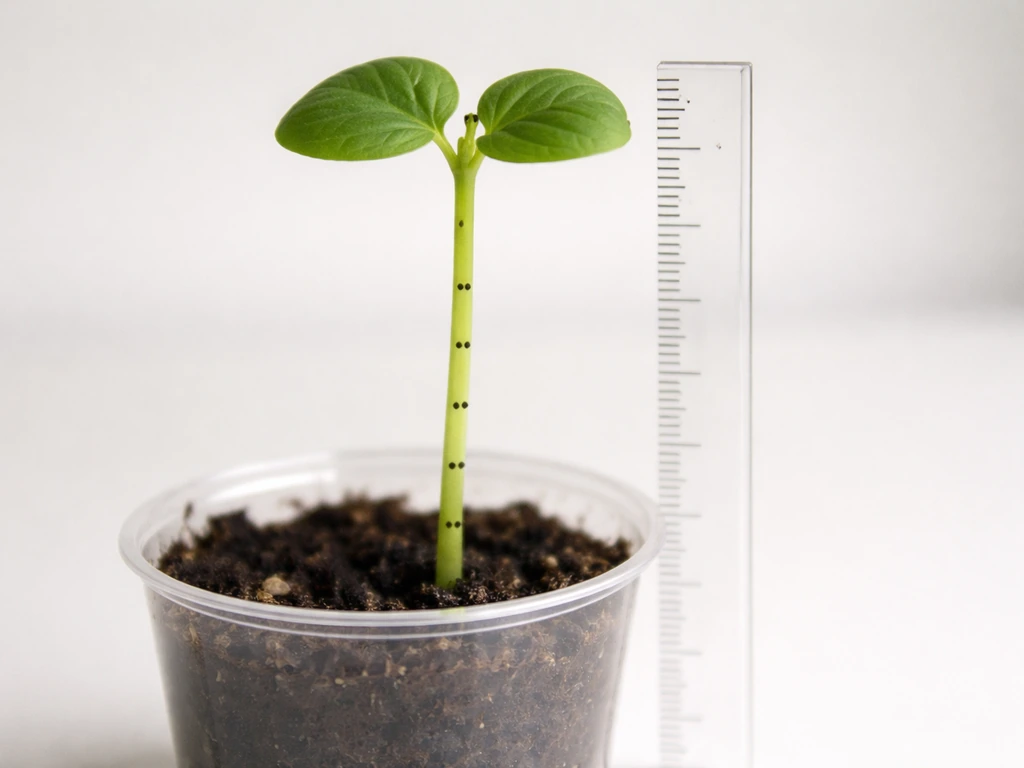
Take a fast-growing seedling (bean or sunflower works well) and mark several dots along a young internode using a fine-tipped waterproof marker. Measure the distances between dots every 24 hours. You'll find the dots near the tip spread apart faster than those lower on the stem. This reveals the elongation zone directly: the region closest to the apex is most active, and cells farther down have already completed their expansion and stopped moving.
Light direction experiment (phototropism)
- Grow three bean seedlings to the first true leaf stage under uniform light.
- Move one seedling to a box with a single hole on one side so light enters from only one direction.
- Keep one seedling under even overhead light as a control.
- Place the third in complete darkness.
- After 3 to 5 days, measure internode length and the angle of bending in the unilateral-light plant.
- The dark-grown plant should show the longest, palest internodes (etiolation). The unilateral-light plant should bend toward the opening. The control should grow straight and compact.
Water stress experiment (drought vs. adequate watering)
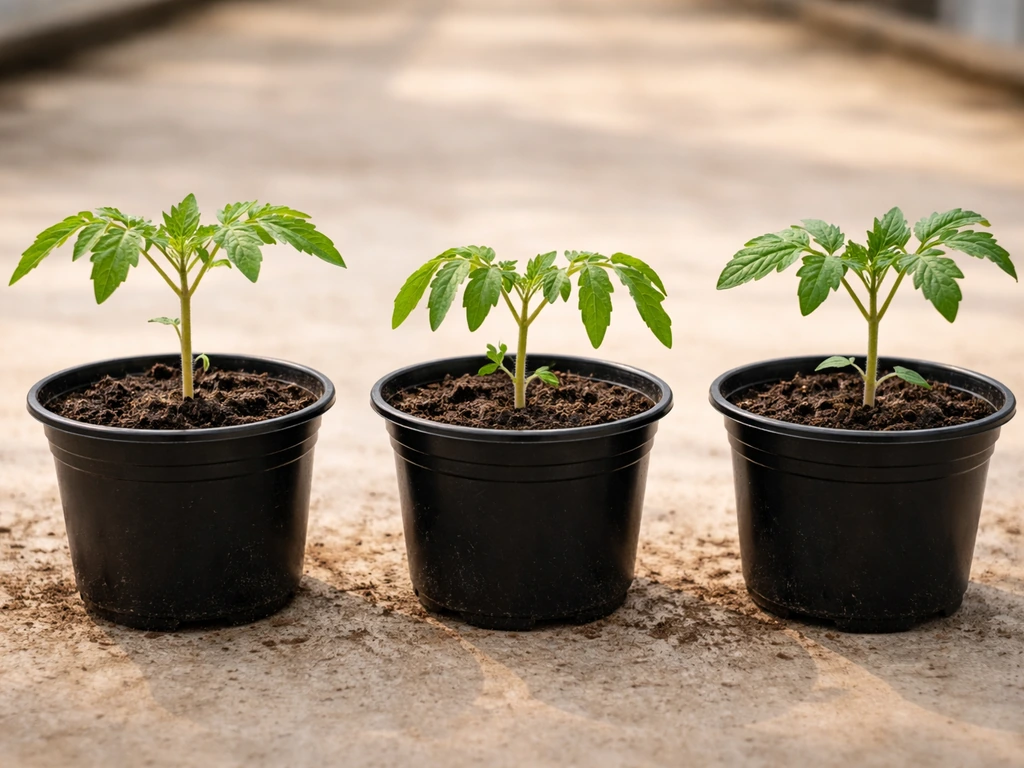
Grow two identical tomato or bean seedlings. Water one normally and withhold water from the other to the point of mild wilting. After a week, measure internode lengths carefully. The water-stressed plant should show noticeably shorter, more compressed internodes, reflecting reduced turgor and the GA signaling disruption that drought causes. This directly mirrors the research finding that drought can cut internode elongation by roughly 65% in tomato.
Mechanical stimulation experiment (touch vs. no touch)
Grow two groups of fast-growing seedlings. Gently brush or tap one group on the stems for about 30 seconds twice a day. Leave the other group completely undisturbed. After two to three weeks, compare internode lengths between groups. The touched plants typically show shorter internodes as a result of thigmomorphogenesis. It's a simple demonstration of how mechanical signals translate into a measurable growth outcome through ethylene-mediated signaling.
Nutrient comparison
Grow seedlings in sand or a minimal growing medium and supply different groups with complete nutrient solution, nitrogen-lacking solution, or potassium-lacking solution. After two to three weeks, compare stem height and internode lengths across groups. Nitrogen-deficient plants will be pale and short. Potassium-deficient plants will show reduced vigor and often shorter stems. This connects the nutrient-to-hormone-to-elongation pathway in a visible, measurable way.
Common reasons stems stop elongating and how to fix them
If a plant's stem has stopped elongating when it should still be growing, there are a handful of likely culprits. Working through them systematically usually identifies the problem.
- Insufficient water: Turgor pressure drives cell expansion. Without adequate water, cells can't inflate against the cell wall, and elongation stalls even if hormones and wall-loosening proteins are all present. Check soil moisture and watering frequency first. Drought can slash internode elongation by more than half.
- Wrong light quality or quantity: Too much red light (or natural full-spectrum sunlight after a dark period) rapidly suppresses elongation through the phytochrome pathway. Too little light triggers etiolation, giving you pale, weak, over-elongated stems. Adjust light intensity and spectrum to match what the species needs. Most vegetable seedlings want bright, broad-spectrum light to grow compact and strong.
- Temperature too low: Cell division and expansion both slow at low temperatures. If your growing space is below about 16 to 18°C and elongation has stalled, warming the environment often restarts growth noticeably within a few days.
- Nitrogen or potassium deficiency: Stunted internodes combined with yellowing leaves (nitrogen) or browning leaf edges (potassium) point to nutrient deficits. A balanced fertilizer or a targeted amendment based on a soil test will often restore growth within a week or two.
- Mechanical over-stimulation: If the plant is in a high-wind location, or if you've been brushing against it repeatedly, thigmomorphogenesis may be limiting internode length. Moving it to a calmer spot or loosening any restrictive support can help.
- Disease or pest damage at the shoot apex: Damage to the SAM itself can permanently disrupt elongation because the meristem produces all downstream tissue. Check for aphids, fungal lesions, or physical damage at the very tip of the stem. If the apical meristem is destroyed, a lateral bud typically takes over, but there will be a delay and a change in growth direction.
- Phosphorus deficiency under water stress: If both water and phosphorus are limiting, internode elongation can be doubly suppressed. Research shows phosphorus supplementation can partially rescue internode length even under mild water stress, so don't overlook phosphorus when troubleshooting.
The root side of the plant is tightly connected to all of this, worth keeping in mind. Roots supply the water, minerals, and cytokinins that the stem depends on for elongation. The same root biology explains what makes roots grow, since roots rely on meristems, cell expansion, and hormone signals to lengthen effectively. If root growth is compromised by compaction, poor drainage, or disease, stem elongation suffers downstream.
The processes that drive root length growth follow the same zone-based, hormone-regulated logic as stem growth, and understanding both sides of the plant helps you troubleshoot more effectively. Root growth also follows the same core idea: a meristem-driven increase in cells, followed by rapid cell expansion in the elongation zone root length growth.
Stem elongation is, at its core, an elegant two-step system: divide first, then expand. Roots follow the same basic rhythm, which is one reason the root often seems to grow first divide first, then expand. The meristem sets the pace, the elongation zone does the heavy lifting, and hormones plus environmental signals tune both in real time. Once you can visualize those zones, trace the hormone signals, and connect them to conditions you can actually control, you have a working mental model that explains everything from a bean sprout racing toward a window to a drought-stunted tomato with compressed internodes.
FAQ
Why does a stem look like it stops growing once it reaches a certain height, even though the plant is still alive?
Most visible height gain comes from cells that are still in the elongation zone just below the shoot tip. Once an internode’s cells finish elongating, that internode largely stops lengthening, even if the plant keeps producing new tissues at the apex.
Can a stem elongate mostly by cell division without much cell expansion?
Not much. Cell division increases cell number, but newly formed cells are small. Length increases mainly when those cells expand, so if expansion is inhibited (for example by low turgor or wall hardening), the stem stays short even with active meristems.
What is the difference between “internode length” and “plant height,” and why might they change differently?
Plant height depends on how many internodes are produced over time and how much each internode elongates. A plant can make internodes but keep them short (hormone or turgor issues) or elongate existing internodes more strongly (conditions that enhance expansion).
How can I tell experimentally whether reduced stem height is from less cell division or less cell expansion?
Use a time course. If internode dot distances stop increasing early, that points to reduced or shortened elongation zone activity (expansion). If elongation still occurs but fewer internodes appear over time, that suggests altered meristem activity and the rate of new cell production.
Why do stems often elongate differently in different parts of the same plant?
Hormone signals and growth-zone activity are not uniform along the axis. The elongation zone is localized near the tip, and hormone concentration gradients (like auxin distribution) can vary across time and position, creating different elongation rates from internode to internode.
Do drought and low water reduce elongation only by changing hormones like gibberellins?
No. Drought also reduces turgor pressure, which is the physical force that expands cells whose walls have been loosened. Even if wall-loosening signals exist, low turgor can still prevent elongation.
If auxin promotes elongation, why don’t higher auxin levels always make stems taller?
Because auxin acts in a network. Context matters, including local receptor signaling, cross-talk with gibberellins and ethylene, and whether the elongation zone is able to respond (for example, adequate nutrients and water). Too much auxin at the wrong time or place can also shift development in ways that do not increase internode elongation.
What role do cytokinins play if they mainly support cell division in roots, not stem elongation?
In stem elongation, cytokinins commonly act as constraints, tending to limit how far the elongation zone extends. So they can be “pro-meristem” while still reducing the overall elongation outcome through downstream ethylene-linked effects.
Why do plants grown in wind or repeatedly brushed stems become shorter and thicker?
Mechanical stimulation triggers ethylene-mediated thigmomorphogenesis, which suppresses internode elongation. The reduced elongation rate makes the plant shorter and often relatively stockier compared with undisturbed controls.
How should I interpret red light responses (etiolation versus de-etiolation) without mixing up phototropism?
Etiolation is about the overall elongation program, red light rapidly reducing the elongation cascade through phytochrome. Phototropism is directional bending, where auxin redistributes to one side in response to light, producing curvature rather than simply more or less total elongation.
What causes gravitropism recovery, once the stem becomes vertical again?
The auxin asymmetry created by tilting is corrected over time as PIN3 distribution is re-polarized and auxin receptor activity helps re-equalize the hormone gradient. As the gradient resets, the bending signal turns off and the plant stabilizes.
If a plant is stunted, how can I avoid misdiagnosing the cause just from short internodes?
Short internodes can reflect multiple bottlenecks, like low turgor, reduced GA signaling, altered nitrogen availability, or mechanical constraints. Check related symptoms (leaf color, wilting history, root health, and whether internodes lengthen after rehydration) to separate water, nutrient, hormone, and environmental effects.
Next Article
What Makes Roots Grow: Oxygen, Water, Soil, Nutrients
Learn what makes roots grow fast: oxygen, water, soil compaction, nutrients, hormones, and how to fix poor root growth.