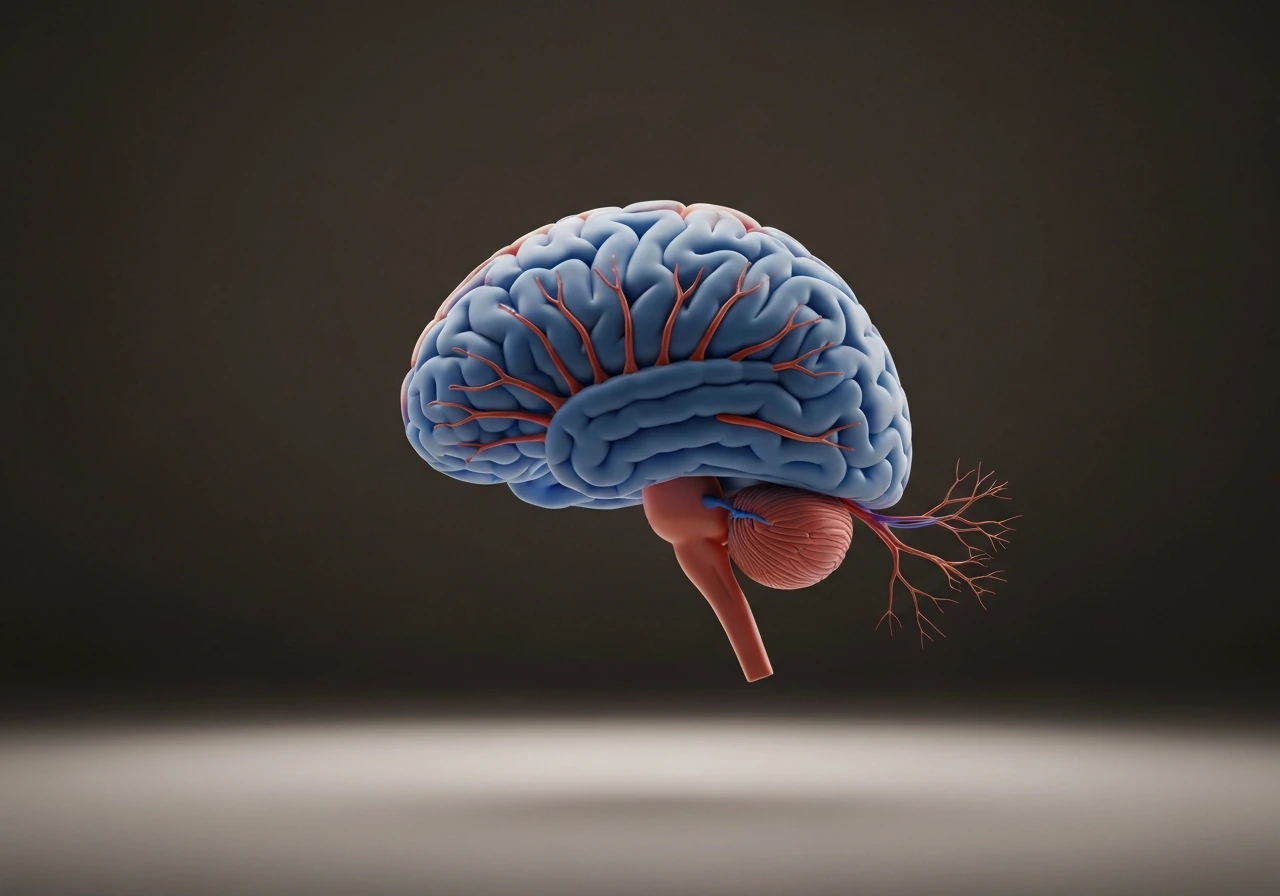
Organisms grow by doing two things at once: making more cells through cell division, and turning those cells into specialized types through a process called differentiation. Do robots grow and develop in the biological sense, or is their change driven by design and maintenance rather than cell division and differentiation cells divide. The result is a bigger body with working tissues and organs, not just a pile of identical cells. Understanding those two drivers, and what conditions support or shut them down, is the core of how growth works across all living things.
How Do Organisms Grow: Cells, Signals, Genes, and Limits
Marcus Whitmore
2 May 2026
What 'growth' actually means for a living organism
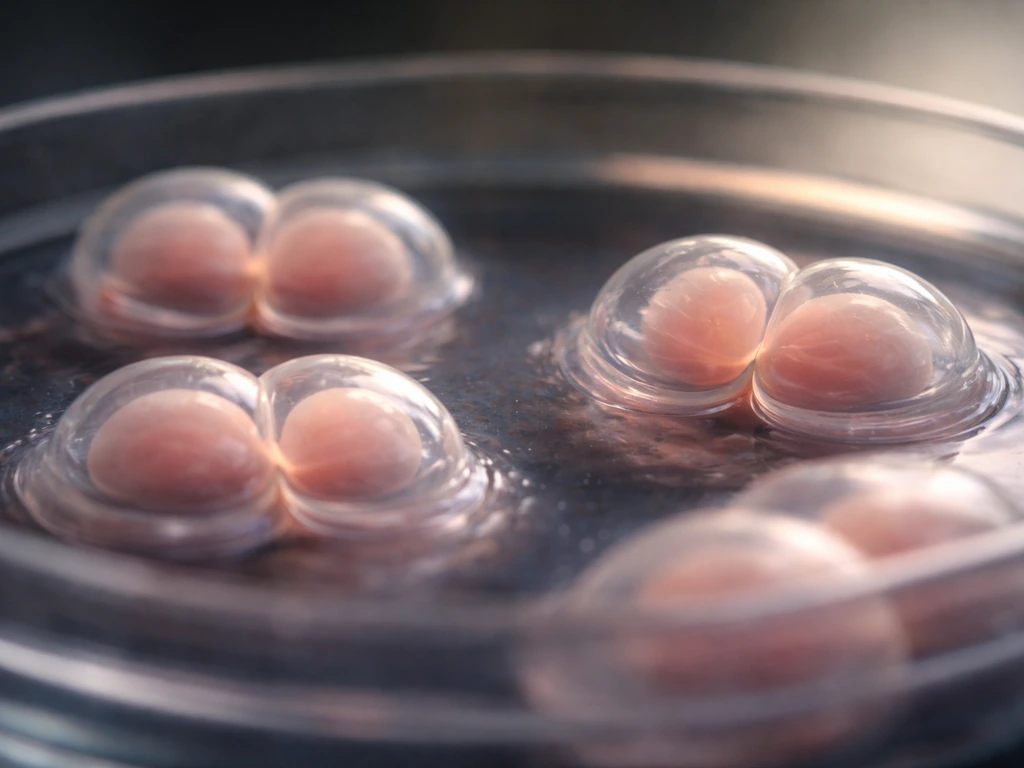
Growth is not just getting bigger. Biologically, it means a permanent increase in size, mass, or complexity that comes from actual biological activity, not just water absorption or swelling. For most multicellular organisms, growth involves three overlapping processes: cells dividing to increase their number, cells enlarging individually, and cells differentiating into specific types (muscle, nerve, bone, and so on). Development is the organized version of that differentiation, where the organism builds its specific body plan over time. Size increase without differentiation gives you a tumor, not a limb, which is why coordination matters as much as raw cell production.
It's worth noting that plants grow differently from animals in one important way: many plant cells undergo dramatic size increases without dividing, simply by taking in water and expanding their cell walls. Animals depend more heavily on actual cell division for growth. That distinction matters when you're answering a homework question about growth mechanisms because the right answer depends on which organism you're talking about.
The core biological engine: cell division and differentiation
How cells divide: the cell cycle and mitosis
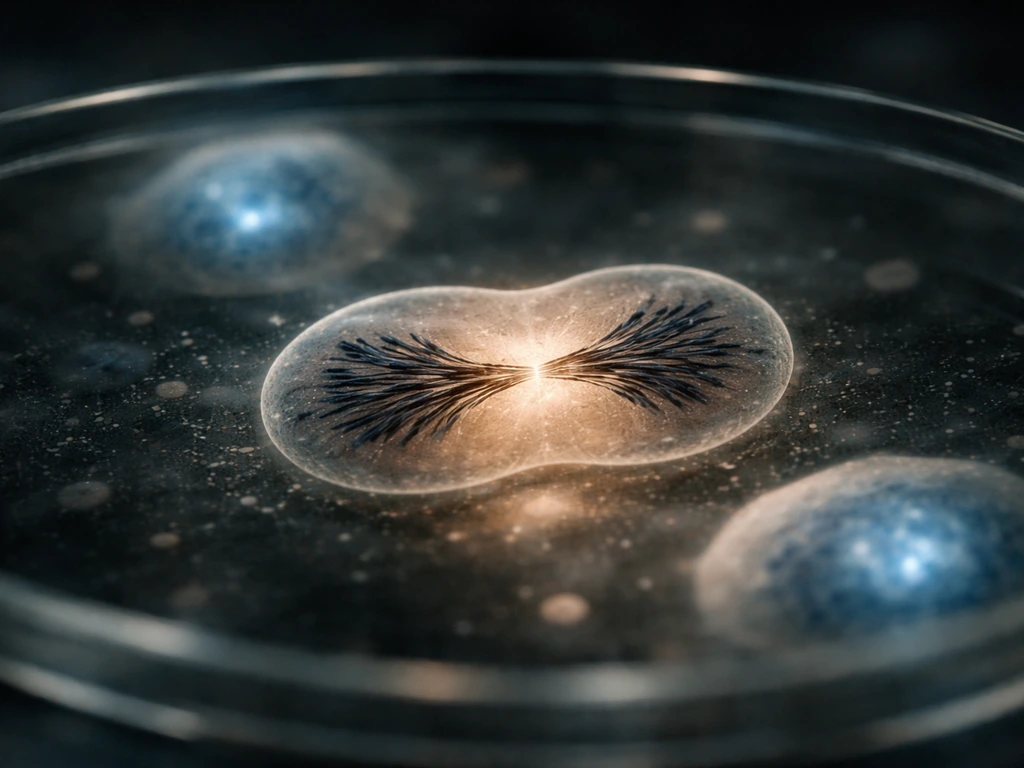
Every time a cell divides to grow the organism, it runs through the cell cycle. The cycle has two major phases: interphase, where the cell grows and copies its DNA, and the mitotic phase, where it actually splits. During mitosis, the copied chromosomes are separated into two sets, and cytokinesis divides the cytoplasm, producing two daughter cells with nuclei genetically identical to the original. That genetic identity is the key point: growth by mitosis is a cloning process, not a shuffling one. Meiosis, by contrast, produces four genetically varied haploid cells and is used for reproduction, not growth.
The cell cycle has built-in quality checkpoints at G1, G2, and during the M phase itself. At each checkpoint, the cell checks whether conditions are right to proceed. If DNA is damaged, the cell pauses at a checkpoint while repair systems work, then resumes. If mitogenic signals (chemical go-signals from outside the cell) are absent, the cycle stalls in G1. These checkpoints are not a bug; they are the mechanism that keeps growth orderly and prevents runaway division.
Single-celled organisms like bacteria skip the multi-step cell cycle and use binary fission instead: the cell duplicates its genetic material and simply pinches into two parts, each getting one copy of the DNA. It is faster and simpler, but the principle is the same: copy the genome, divide the cell.
How cells become specialized: differentiation
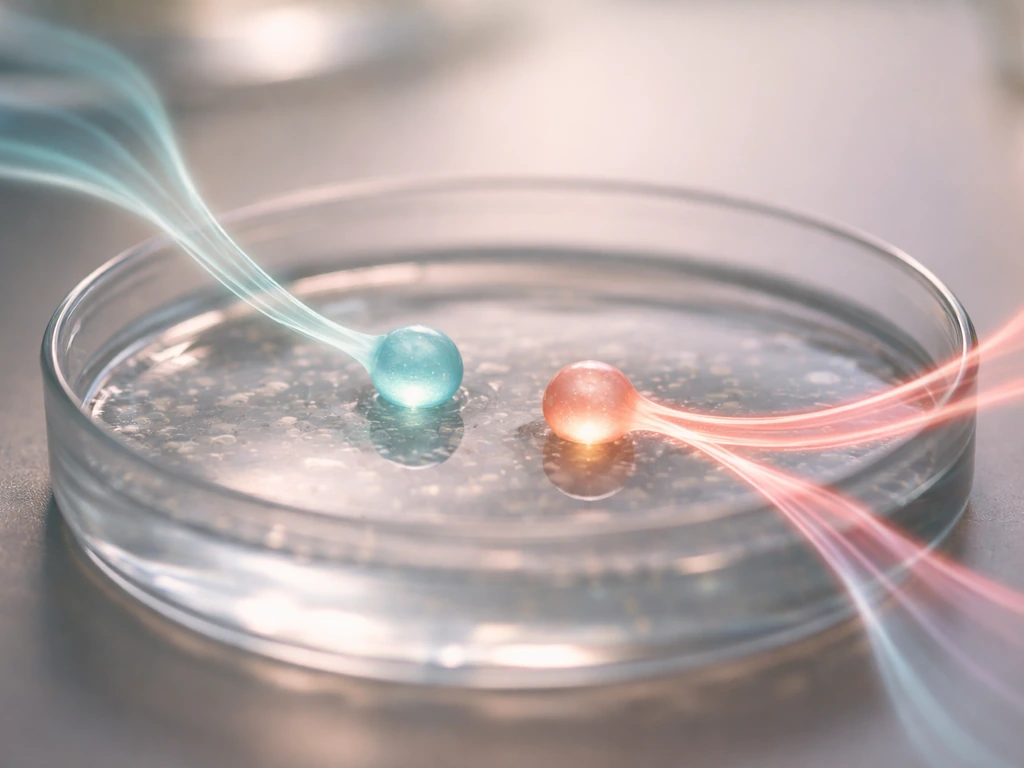
Once cells divide, they receive location-specific chemical signals that trigger cascades of gene expression, turning on some genes and silencing others. A cell in the developing nervous system expresses a completely different set of genes than a cell in the gut, even though both carry identical DNA. This is differentiation, and it is what allows a single fertilized egg to eventually produce hundreds of distinct cell types. Early in vertebrate development, a structure called the primitive streak emits growth factors that direct cells to multiply and migrate into specific positions, setting up the basic body plan. From there, three germ layers form and differentiate into all the organ systems of the body.
How the body coordinates all that growth
Cells don't just divide and differentiate on their own. Growth is coordinated through genetics, cell-to-cell signaling, and cascading gene regulation. Think of it like a construction project where every worker gets instructions based on where they are standing on the site.
One major coordination tool is direct cell-to-cell communication. Notch signaling is a classic example: one cell expresses a ligand on its surface that binds to a Notch receptor on its neighbor, triggering gene expression changes that determine which cell fate the neighbor adopts. This kind of contact-dependent signaling lets tissues organize themselves with remarkable precision based purely on physical position.
At a larger scale, one group of cells can send out [diffusing signals called morphogens](https://pmc. ncbi. nlm. nih.
gov/articles/PMC2773637/) or inductive signals that change the behavior of nearby cells, including their shape, division rate, and fate. Hox genes sit at the top of this regulatory hierarchy in animals. A review of Hox genes notes that their expression along the body plan follows colinearity, with the order of Hox genes matching their anterior-to-posterior timing and location [Hox genes sit at the top of this regulatory hierarchy in animals. ](https://pmc.
ncbi. nlm. nih. gov/articles/PMC10216783/).
They act as 'executive' genes, controlling other transcription factors and signaling molecules that then regulate cell adhesion, cell number, shape, and localized growth. Hox gene organization in the genome even mirrors the front-to-back body axis: genes expressed in the head are positioned earlier in the cluster than genes expressed near the tail. That is not a coincidence; it reflects how tightly organized growth coordination actually is at the genetic level.
What organisms need in order to grow
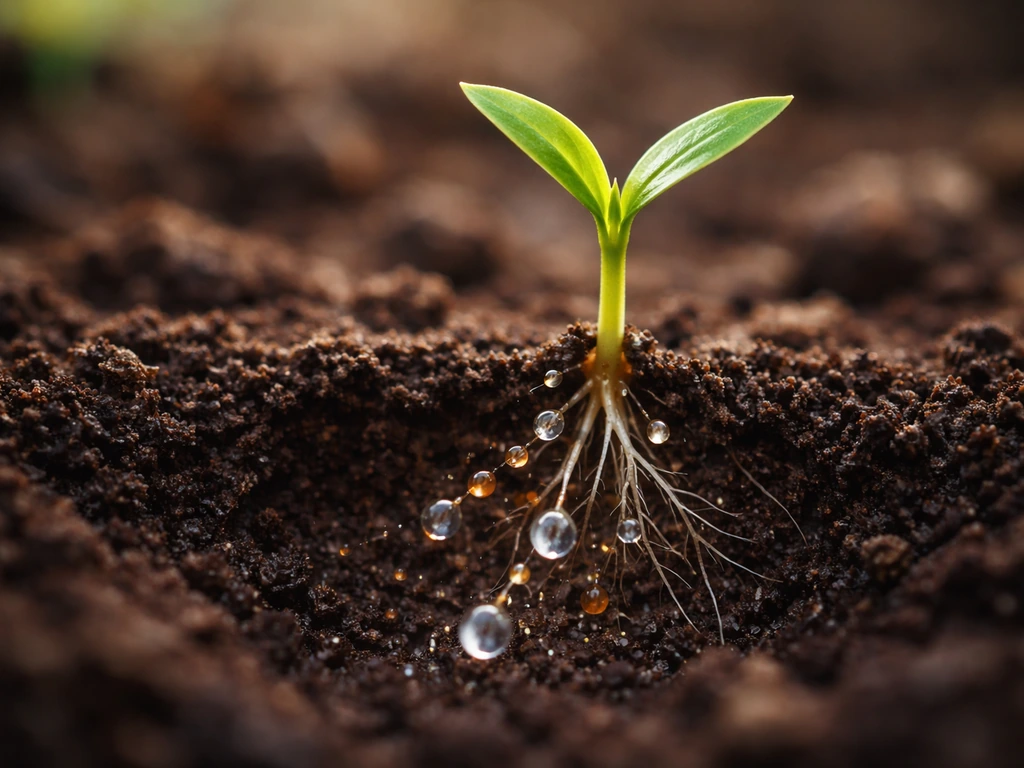
Growth does not happen in a vacuum. Every organism, from a bacterium to a blue whale, needs a specific set of conditions to be met before growth is possible. In the case of brain cells, the growth speed depends on similar signaling and resource conditions during development how fast do brain cells grow. If any one of these is missing or insufficient, growth slows or stops entirely.
| Condition | Why It Matters | What Happens Without It |
|---|---|---|
| Nutrients | Supply raw materials for new cells (proteins, lipids, nucleic acids) | Growth slows; IGF-1 levels drop, signaling the body to pause development |
| Energy (calories/ATP) | Powers DNA replication, mitosis, and protein synthesis | Cell cycle arrest; metabolism shifts away from growth |
| Water | Required for all biochemical reactions and for cell expansion, especially in plants | Cell turgor lost; plant cells cannot expand; metabolic reactions stall |
| Appropriate temperature | Enzymes work within specific temperature ranges | Too cold: reactions slow; too hot: enzymes denature and stop working |
| Oxygen | Needed for aerobic respiration to produce ATP efficiently | Energy production drops; aerobic organisms cannot sustain rapid cell division |
| Physical space | Cells need room to expand and divide; overcrowding triggers contact inhibition | Contact inhibition signals halt division in normal cells |
The nutrition-growth link has a clear hormonal pathway. Growth hormone stimulates the liver and other tissues to produce insulin-like growth factor 1 (IGF-1), which drives bone lengthening and tissue growth. When an organism is in negative energy balance (not eating enough), circulating IGF-1 levels fall, effectively telling the body to stop investing in growth. This is why malnutrition causes stunted development, not just weight loss.
Why organisms can't just grow forever: the real limits
There's a fundamental physical reason why cells stay small: the surface-to-volume ratio problem. As a cell gets bigger, its volume increases much faster than its surface area. Since nutrients and oxygen must enter through the surface and waste must exit the same way, a very large cell simply cannot exchange materials fast enough to survive. Estimates based on diffusion rates and oxygen consumption suggest that a spherical cell can only be about 1 mm in radius before its center starts running out of oxygen. Most cells are far smaller than that for exactly this reason.
Multicellular organisms solve the diffusion problem by evolving specialized transport systems: circulatory systems that carry oxygen and nutrients deep into tissues, respiratory systems that maximize gas exchange surfaces, and lymphatic systems for waste removal. But even those systems have limits. As an organism grows, the demand on those transport networks scales up, and eventually resource delivery cannot keep pace with growth, which is part of why even large animals have size upper bounds.
At the population level, the same logic applies. When resources like food and space are plentiful, populations can grow exponentially. But as competition for those resources increases, growth slows and eventually plateaus near the environment's carrying capacity. Individual organisms face an internal version of the same constraint: finite resources mean finite growth.
Growth across scales: from a single cell to a whole organism
Growth looks quite different depending on which scale you're examining. At the cellular level, it is about the cell cycle: interphase, mitosis, cytokinesis, repeat. At the tissue level, it is about coordinated division rates, signaling between neighboring cells, and differentiation into specific cell types. At the organ level, it involves induction events where one tissue instructs another to form a specific structure. At the whole-organism level, it involves hormonal signals that integrate information from multiple systems, including nutritional status, developmental stage, and environmental cues.
Single-celled organisms demonstrate the simplest version: binary fission in bacteria produces two complete organisms from one. That is growth at the population level even if no individual cell is 'growing' in the multicellular sense. In multicellular organisms, the story is richer. A human begins as a single fertilized cell, passes through organized stages of cleavage and germ layer formation, and differentiates into over 200 distinct cell types while maintaining genetic identity across every one of them. The growth of neurons follows its own specialized rules, including the extension of axons guided by chemical gradients, which is a topic worth exploring in depth if you're studying the nervous system specifically.
When growth stops or slows: what goes wrong
Growth failure has several distinct causes, and identifying which one is operating in a given scenario is a useful analytical skill for biology students.
- Genetic defects: Mutations in growth hormone receptors (as in Laron dwarfism) prevent the GH signal from being received, so IGF-1 production stays low even when GH levels are normal. Mutations in Hox genes or developmental signaling pathways can disrupt body patterning entirely.
- Checkpoint failures: If DNA damage checkpoints are overwhelmed or mutated, cells either arrest permanently or, worse, keep dividing with damaged genomes. Cancer often involves accumulated mutations that disable the contact inhibition and checkpoint signals that normally restrain growth.
- Resource depletion: Without adequate nutrients, energy, or water, the cell cycle stalls. Malnutrition suppresses IGF-1, and the body prioritizes maintenance over growth.
- Environmental stress: Extreme temperatures denature the enzymes driving the cell cycle. Toxins, radiation, or hypoxia can trigger DNA damage checkpoints or apoptosis (programmed cell death), halting growth.
- Disease: Infections and chronic inflammation redirect metabolic resources away from growth and toward immune responses. Some pathogens directly interfere with cell signaling pathways involved in division and differentiation.
One pattern worth noticing: in all these cases, growth stops because a signal or resource that the cell cycle or differentiation pathway depends on is either absent, blocked, or overwhelmed. The mechanism of stoppage usually mirrors the mechanism of growth running in reverse.
How to use this knowledge on a homework question
If you're trying to answer a question about how organisms grow, the fastest way to get it right is to first identify which level the question is asking about. Is it asking about the molecular mechanism (cell cycle, mitosis, gene regulation)? The tissue-level process (differentiation, induction, signaling)? The whole-organism conditions (nutrients, hormones, environment)? Or the limits (diffusion, resources, checkpoints)? Each level has its own vocabulary and its own set of evidence.
- Identify whether the scenario involves growth in cell number (think mitosis and the cell cycle) or growth in specialization (think differentiation and gene expression).
- Ask what signals are present or absent: growth factors, hormones like IGF-1, Notch ligands, Hox gene products. These tell you the mechanism.
- Check whether a condition (nutrient, temperature, oxygen, space) is described as missing or stressed. That is your limiting factor.
- If growth is stopping abnormally, look for checkpoint disruption, contact inhibition failure, or resource depletion as the likely cause.
- Remember that single-celled organisms use binary fission, not mitosis in the multicellular sense, so the answer changes depending on whether the organism is prokaryotic or eukaryotic.
Growth is one of those topics that connects almost every corner of biology: genetics, cell biology, physiology, ecology, and even neuroscience (how neurons and nerves grow and form connections is its own fascinating branch of this question). Researchers are now using ideas from self-assembling neural networks to model how these growth and wiring processes can produce smarter behavior over time neuroscience (how neurons and nerves grow and form connections. Once you understand the basic framework of cell division plus differentiation plus coordination, the rest of the details plug in naturally.
FAQ
How do organisms grow in Brainly-style questions, when the prompt is vague about level (cells, tissues, or whole organism)?
Start by naming the scale the question is pointing to. If it mentions cell division, checkpoints, or DNA copying, you are in the cell-cycle lane. If it mentions different cell types (neurons, muscle, gut lining), differentiation and gene regulation are the focus. If it mentions stunted growth, hormones, or nutrition, use IGF-1 or energy balance (negative energy slows growth). If none of these cues appear, give a “two-part” core answer first (more cells plus cell specialization), then add one limiting factor like signals, resources, or diffusion.
Do organisms grow because cells get bigger, or only because cells divide?
Both can matter, but which dominates depends on the organism. Animals rely heavily on actual cell division for growth, while many plant cells can greatly increase size by expanding without dividing. If you are unsure in an exam response, mention cell enlargement and division together, then specify that plants often do more enlargement-type growth.
Why is meiosis not involved in organism growth, and what would be a correct exception to mention?
Meiosis produces genetically varied gametes and is primarily for reproduction, not building body mass. A correct nuance for many classes is that meiosis can indirectly affect future organismal success through reproduction, but it does not create new somatic cells via the normal growth programs during development. For growth of the body plan, the answer should emphasize mitosis and differentiation.
What does it mean that growth needs checkpoints, and what happens if a checkpoint fails?
Checkpoints pause the cell cycle when DNA is damaged or when “go” signals are missing. If checkpoints fail, cells can continue dividing when they should not, which can lead to uncontrolled proliferation and cancer-like growth rather than organized development. A good short answer is: checkpoints keep growth orderly by enforcing repair and signal dependence.
How do cells know where to differentiate, if all cells have the same DNA?
They interpret positional information from local cues, such as contact-dependent signaling (for example, Notch between neighboring cells) and diffusible morphogens. Those signals activate different gene expression programs in different regions, so location determines cell fate even with identical genomes.
What is the difference between differentiation and development in a test answer?
Differentiation is the process of turning cells into specific types through gene regulation changes. Development is the organized overall progression that builds the organism’s body plan over time, which includes multiple differentiation events plus the timing and coordination of induction and patterning.
How can you tell whether a description is talking about diffusion limits or hormone/nutrition limits?
Use the mechanism cue. If the prompt mentions oxygen or nutrient transport reaching cell interiors, surface-to-volume and diffusion or transport capacity are the likely topic. If it mentions eating less, malnutrition, growth hormone, or IGF-1, that points to the hormonal nutrition-growth pathway. You can often score well by naming the correct limiting logic in one sentence.
Why do cells stay small, and what is the connection to organism size limits?
Cells have to exchange nutrients and waste across their surface, so as size increases, volume demands rise faster than surface area supply. At larger scales, multicellular transport systems extend the limit, but they still have finite capacity, so resource delivery cannot increase indefinitely. This is why organisms have practical upper bounds even with circulatory and respiratory systems.
Are tumors an example of “normal growth gone wrong,” or are they a different category?
A helpful distinction is that tumors can reflect growth without proper differentiation and coordination. The article idea implies that coordinated differentiation prevents a mass of similar cells from forming a functional structure. So, tumors are often explained as a failure of the “growth plus specialization” coordination, not just extra cell number.
How do bacterial cells “grow” if they skip the multi-step cell cycle described for eukaryotes?
Bacteria grow primarily by duplicating their genome and splitting into two through binary fission. The conceptual steps still match the core framework (copy genetic material, divide), but the machinery and phases of the cell cycle are not the same as eukaryotic mitosis.
If energy balance is negative, why does growth slow even if signaling still exists?
Negative energy reduces circulating IGF-1, which is part of the pathway that drives growth-related tissue changes. Even if cells detect developmental cues, the body is effectively prioritizing maintenance over building new tissue when energy intake is insufficient. That is why malnutrition leads to stunted development.
What should you do if a problem mentions both cell communication and hormones?
Treat them as different layers of coordination. Cell communication and gene regulation explain how specific cell fates and local growth rates are set. Hormones and nutrition explain the global “how much growth is allowed right now” control signal that integrates the whole organism’s status. Combining them usually beats choosing only one mechanism.
In growth scenarios, how can students decide what is “missing”: a signal, a resource, or a cell-cycle component?
Look for which requirement is described as absent or blocked. If the prompt says signals are missing, expect mitotic entry to stall (often G1). If it says nutrients or oxygen are insufficient, expect growth to slow due to resource limits. If it says DNA damage or repair is impaired, expect checkpoint arrest and failure to complete division. Then match the category to the described outcome.
Next Article
How Does the Nervous System Change and Grow From Childhood
Timeline and mechanisms of nervous system growth, plasticity, pruning and tips to support brain health from childhood.