
The nervous system grows in waves, not all at once. Neurons are mostly produced before you're born, but the real action, connecting them, tuning them, and wiring them into useful circuits, happens across decades. From the first trimester of pregnancy through your mid-twenties, your brain and spinal cord are being built, tested, remodeled, and refined through a combination of genetic blueprints and lived experience. And even after that, the system keeps adapting. That's the core of it: nervous system growth is less about making more cells and more about making better connections.
How Does the Nervous System Change and Grow From Childhood

Marcus Whitmore
1 May 2026
Big picture: what "nervous system growth" really means

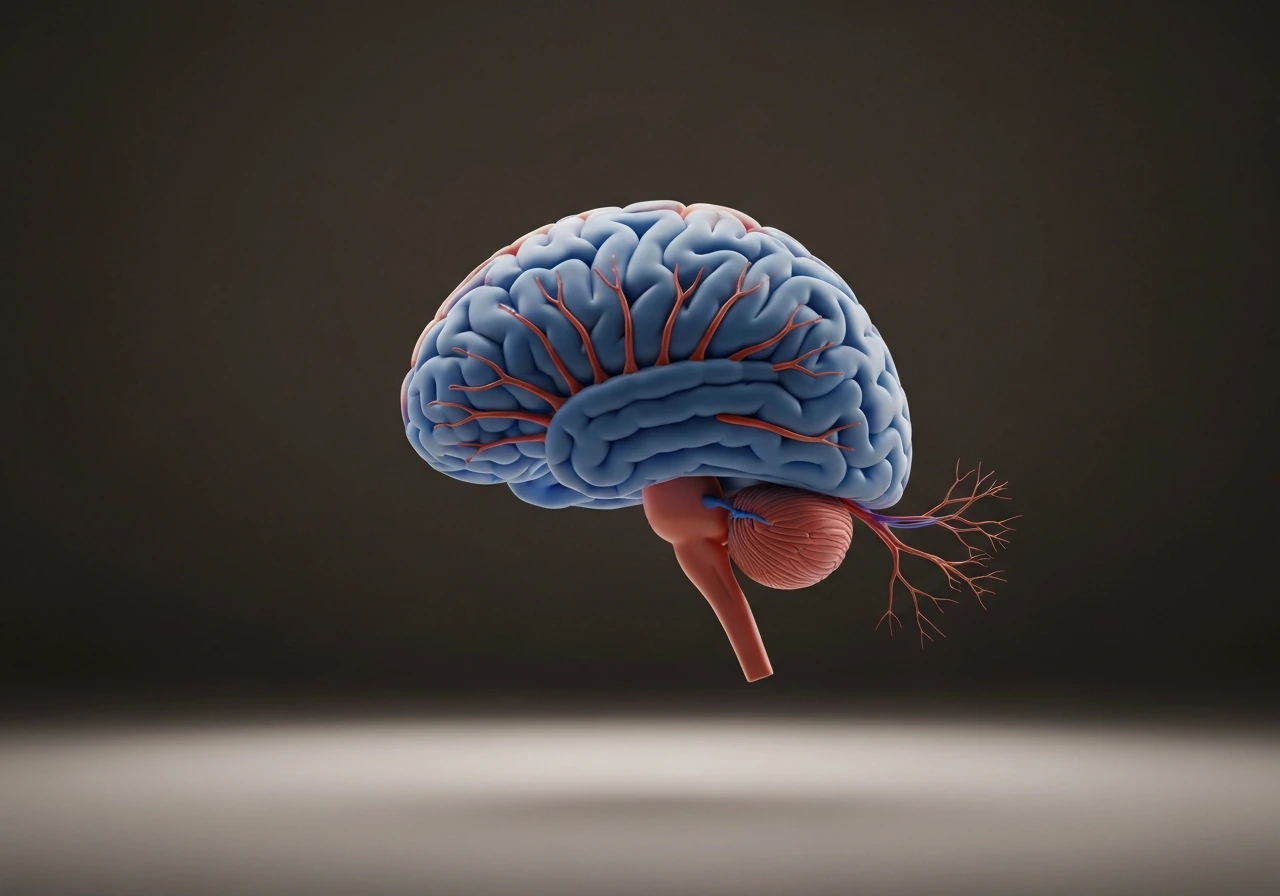
When most people think about growth, they picture something getting bigger, more cells, more mass. But nervous system growth is more nuanced than that. Yes, there's a phase of intense cell production. But a huge portion of what we call neural development is actually about organization: which neurons survive, which connections strengthen, and which ones get eliminated. Think of it less like building a skyscraper and more like sculpting, you start with more material than you need and carve away to reveal the final form. Understanding brain development helps explain how experience and experience-dependent plasticity reshape neural connections over time.
The nervous system grows and changes through four overlapping processes: neurogenesis (making neurons and glial cells), migration (moving them to the right location), synaptogenesis (forming connections between them), and synaptic pruning (cutting back the ones that don't pull their weight). Researchers often describe this as the self-assembling brain, where neural networks grow smarter through experience-driven growth, pruning, and reorganization. These don't happen in a clean sequence, they overlap, interact, and continue at different rates in different brain regions across the entire lifespan. You might also wonder whether robots grow and develop in the same way, and that depends on what kind of machine learning, adaptation, and “pruning” mechanics they are built with do robots grow and develop.
Early development: how neurons and circuits are built
It all starts in the embryo. Within the first few weeks of pregnancy, a flat sheet of cells called the neural plate folds in on itself to form the neural tube, the precursor to your brain and spinal cord. From that point, neural progenitor cells begin dividing rapidly, generating the billions of neurons that will eventually populate the adult nervous system. Most of this neurogenesis happens between weeks 5 and 20 of gestation.
Several signaling pathways act as master controllers during this phase. Wnt signaling helps pattern the neural plate and determines which regions become what, forebrain versus hindbrain, for example. Sonic hedgehog (Shh) handles dorso-ventral patterning inside the neural tube, essentially deciding which neuronal populations form at which positions. Notch signaling manages the balance between cells that keep dividing and cells that commit to becoming neurons or glia, using a process called lateral inhibition where one cell "tells" its neighbors to stay as progenitors while it differentiates. Get any of these signals wrong and the structural blueprint goes sideways before a single synapse is formed.
Once neurons are born, they migrate to their final destinations, often traveling impressive distances along scaffolding provided by radial glial cells. When they arrive, they start extending axons and dendrites, feeling out the landscape for potential partners. Axon growth cones navigate using chemical gradients, essentially sniffing out where they're supposed to go.
The specificity is remarkable: a motor neuron in the spinal cord can find a specific muscle fiber in your hand even though millions of other axons are doing the same thing simultaneously. How do nerves grow from a biological standpoint depends on coordinated signaling, cell migration, and the formation and pruning of synapses. These axon navigation and connection steps are key to understanding how do neurons grow into the circuits we rely on how neurons grow.
Maturation after birth: synapse formation and pruning
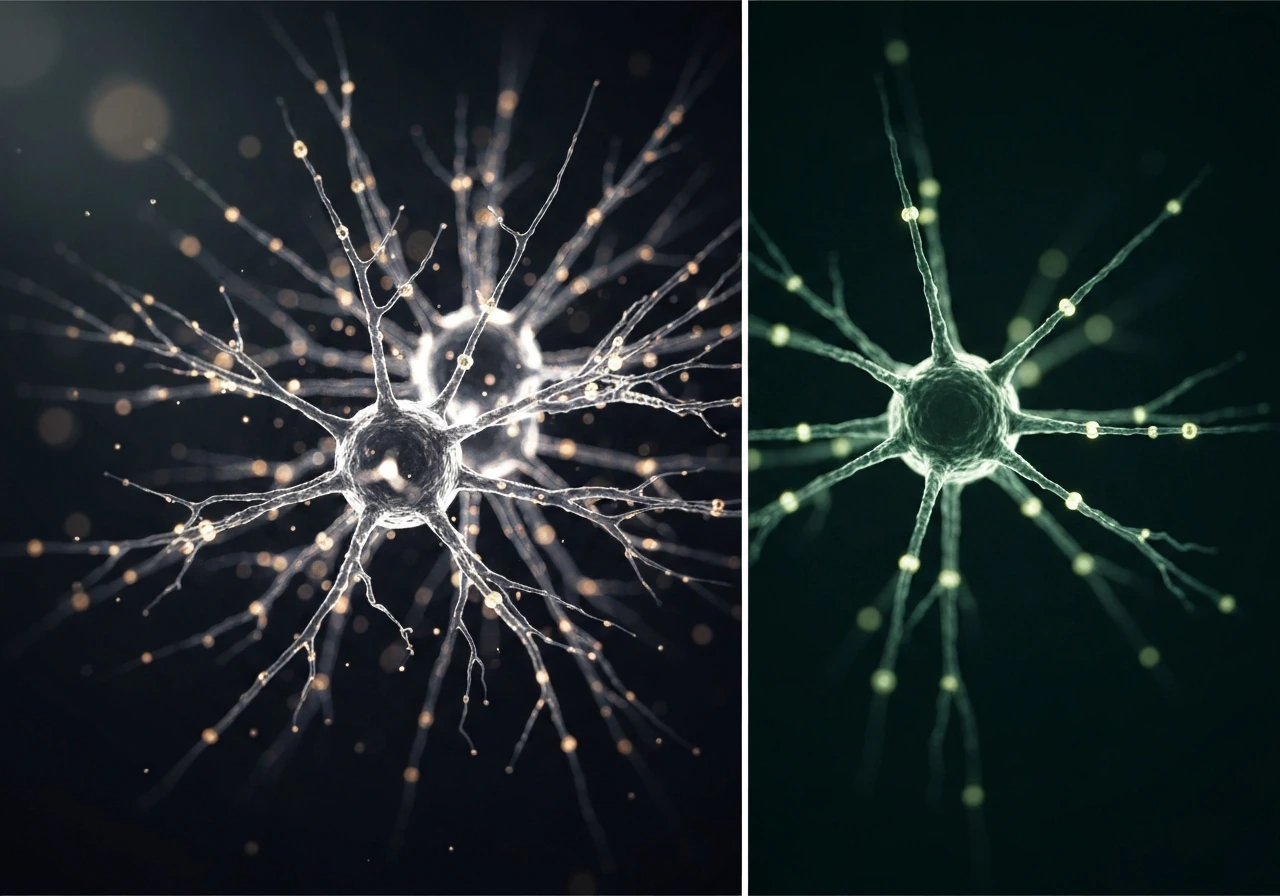
Birth doesn't slow things down, it shifts the focus. The big task after birth is synaptogenesis: forming the trillions of synapses that allow neurons to talk to each other. The brain actually overproduces synapses dramatically in early life. In the primary visual cortex, synaptic density peaks somewhere between 4 and 12 months of age at roughly 140 to 150 percent of adult levels. Your baby's brain is literally more densely connected than yours, at least in some regions.
That overshoot is intentional. Producing more synapses than you'll ever use creates a biological draft from which experience can select the best. Connections that get used regularly are strengthened; connections that go quiet get pruned back. This is the "use it or lose it" principle in its purest biological form. Pruning isn't a sign of damage, it's the system optimizing itself.
Critically, the timeline for this pruning is not uniform across the brain. Sensory and motor cortices mature and prune relatively early. The auditory cortex largely completes synapse elimination by around age 12. But the prefrontal cortex, the region responsible for judgment, impulse control, and long-term planning, continues pruning well into mid-adolescence and beyond. This staggered timeline explains a lot about why children learn certain things so easily (language, for instance) but struggle with others that require frontal lobe maturity.
Adolescence brings another wave of structural change. Synaptic pruning continues in higher cognitive regions, but myelination also ramps up significantly. Myelin is the fatty sheath that wraps axons and dramatically speeds up signal transmission. Myelinogenesis stays active well into adolescent life, progressively upgrading the brain's communication speed, especially in regions that support complex thinking and emotional regulation. A teenager's brain isn't a broken adult brain; it's a brain that's still under active construction.
Plasticity across life: how experience changes wiring
Plasticity is the nervous system's ability to change its structure and function in response to experience. There are two main flavors: Hebbian plasticity and homeostatic plasticity. Hebbian plasticity is the famous one, neurons that fire together wire together. When two neurons are repeatedly activated at the same time, the synapse between them gets stronger. This is the cellular basis of learning and memory. Homeostatic plasticity is the less glamorous but equally important counterpart: it's the system's way of preventing runaway excitation or total silence by globally adjusting synaptic strength and neuronal excitability to maintain stability.
A key molecular player in experience-dependent plasticity is BDNF (brain-derived neurotrophic factor). BDNF and its receptor TrkB are involved in neuronal survival, axon and dendrite growth, synapse formation, and synapse strengthening. What's striking is how quickly BDNF responds to activity: after stimulation that triggers long-term potentiation (LTP, the cellular model of learning), BDNF mRNA levels in hippocampal neurons rise measurably within just 2 to 4 hours.
In vivo rodent studies report that BDNF and other neurotrophin mRNA changes after LTP peak in the 2, 4 hour window after stimulation, including reported 2 h and 4 h maxima for different measures BDNF mRNA levels in hippocampal neurons rise measurably within just 2 to 4 hours. Your brain starts updating its molecular machinery almost immediately in response to what you're doing.
Critical periods are specific windows during postnatal development when the brain is especially sensitive to certain kinds of experience. The classic example is the visual system: if a child is deprived of normal visual input during the critical period (due to a cataract, for example), that deprivation can permanently impair visual processing in ways that are very hard to reverse later. Sensory, language, and social-emotional systems each have their own critical period timelines. Outside these windows, learning is still very much possible, the plasticity just requires more effort and repetition to achieve similar structural changes.
If you're curious about how individual neurons grow and change their structure during plasticity, or how fast different types of brain cells actually develop, those processes are closely related to what's happening at the circuit level here.
Constraints that limit growth (energy, wiring economy, pruning)

The nervous system doesn't just grow without limits, and for good reason. The brain runs on glucose and oxygen almost exclusively, and it already consumes about 20 percent of the body's total energy budget despite being roughly 2 percent of body weight. That metabolic cost creates a hard ceiling. You can't just add more neurons and connections indefinitely without paying an enormous energy bill. Wiring economy is a real pressure: evolution has shaped neural circuits to minimize the total length of connections while maximizing processing efficiency. That's part of why the brain folds, more surface area without more volume, keeping connection distances short.
Pruning is itself a constraint mechanism. By eliminating weak or unused synapses, the system frees up physical space and metabolic resources for the connections that matter. It's not unlike how a garden benefits from thinning, you remove plants so the ones that remain can flourish. Errors in pruning are associated with neurodevelopmental conditions: too little pruning has been linked to some presentations of autism spectrum disorder, while excessive or mistimed pruning has been implicated in schizophrenia risk.
Space is also a physical constraint. The skull is a rigid container. The brain can't simply keep expanding the way a liver or muscle might. This means growth at the nervous system level is fundamentally about quality of organization rather than quantity of tissue. Signaling limits add another layer: the molecular signals that guide axon growth, cell migration, and synapse formation must be available in the right concentrations at the right times. A shortfall in any of these, due to genetics, nutrition, or environmental disruption, can stall or misdirect the whole process.
What you can do today to support healthy development and plasticity
The good news is that the factors that most powerfully support nervous system development and plasticity are not exotic or expensive. They're things you can act on starting today. Here's what the evidence actually supports:
- Prioritize sleep. Sleep is not passive downtime for the brain — it's when synaptic consolidation happens, when the brain replays and reinforces newly formed connections, and when metabolic waste is cleared. In young children, shorter sleep duration is associated with worse cognitive development and emotional regulation. In adolescents, sleep deprivation during this sensitive period is particularly harmful to mental health and learning. School-age kids need 9 to 12 hours; teenagers need 8 to 10. Adults need 7 to 9. These aren't suggestions — they're biological requirements.
- Exercise regularly. Aerobic exercise increases BDNF levels in the hippocampus, directly supporting the molecular machinery of learning and plasticity. Even a single bout of moderate exercise before a learning session can improve memory encoding. For children and adolescents, daily physical activity also supports healthy myelination and circuit maturation.
- Provide rich, responsive sensory and social experience. For infants and young children especially, responsive caregiving — talking, reading, responding to cues — is one of the most powerful drivers of healthy circuit formation. Language exposure during early critical periods has lifelong effects on language processing circuits. This doesn't mean flashcards and structured lessons; it means warm, interactive engagement.
- Eat for brain development. The nervous system has specific nutritional needs that spike during periods of rapid growth. Iron deficiency is one of the most common and consequential — it impairs myelination and dopamine metabolism. Omega-3 fatty acids (particularly DHA) are structural components of neuronal membranes. Iodine, folate, zinc, and choline all play roles in neurogenesis and synapse function. A varied diet with adequate protein and healthy fats covers most bases.
- Manage chronic stress. Prolonged stress exposure, especially in early life, dysregulates the HPA axis and elevates cortisol in ways that can suppress neurogenesis in the hippocampus, impair synaptic plasticity, and alter pruning trajectories. Responsive caregiving, stable routines, and safe environments act as biological buffers against stress-related neural disruption.
- Keep learning challenging things. Adult plasticity is real but requires more deliberate effort than childhood plasticity. Engaging in cognitively demanding, novel activities — learning an instrument, a new language, a complex skill — recruits the same BDNF and Hebbian mechanisms that operate during development. Passive consumption of easy content doesn't drive the same structural changes.
When to worry: common disruptions and risk factors
Most nervous system development unfolds remarkably well given reasonable conditions. But there are specific disruptions worth knowing about, because catching them early makes an enormous difference.
Environmental toxins
Lead exposure is one of the most well-documented and preventable neurodevelopmental risks. There is no established safe level of lead for children, even low blood lead levels are associated with IQ reduction, attention problems, and long-term behavioral effects, and some of these effects can be permanent. The CDC currently uses a blood lead reference value of 3.5 micrograms per deciliter as a threshold for action, but damage can occur below that. Older housing stock (pre-1978 paint), contaminated water pipes, and certain imported products are the main exposure routes. Testing children in high-risk environments is straightforward and critical.
Sensory deprivation and neglect
Because critical periods require appropriate sensory input to drive proper circuit formation, deprivation during those windows can have lasting consequences. Uncorrected hearing loss impairs auditory cortex development and language acquisition. Uncorrected vision problems impair visual cortex organization. Early emotional neglect disrupts the development of stress-regulation circuits in ways that can persist into adulthood. The window for intervention is not infinite, which is why early identification matters so much.
Developmental screening: use it

The CDC recommends formal developmental screening at 9, 18, and 30 months using validated questionnaires, not just informal observation at well-child visits. Autism-specific screening is recommended at 18 and 24 months. The reason for formalized tools is simple: informal observation misses things. If a concern is flagged, referral for early intervention services can meaningfully change developmental trajectories. Developmental surveillance should be continuous at every well-child visit, not just at the formal screening ages.
Prematurity and early injury
Infants born prematurely miss weeks or months of in-utero neural development that happen on a specific schedule. Preterm birth before 32 weeks is associated with increased risk of white matter injury, altered pruning trajectories, and later cognitive and behavioral challenges. Early injury to developing neural tissue, whether from oxygen deprivation, infection, or physical trauma, can disrupt the signaling cascades that guide circuit formation at exactly the wrong moment.
The bottom line: nervous system development is remarkably robust, but it's not bulletproof. The biggest risks come from chronic deprivation or toxin exposure during windows when the system is most actively building itself. Catching those disruptions early, and acting on them, is almost always worth it.
| Life Stage | Key Process | What Supports It | What Disrupts It |
|---|---|---|---|
| Prenatal (weeks 5–20) | Neurogenesis, neural tube patterning, migration | Folate, iodine, DHA, low stress, no alcohol or toxins | Toxin exposure (lead, alcohol), nutrient deficiency, infections |
| Infancy (0–2 years) | Synaptogenesis, peak synaptic density, early critical periods | Responsive caregiving, sleep, rich sensory input, breastfeeding/nutrition | Neglect, sensory deprivation, lead exposure, iron deficiency |
| Early childhood (2–6 years) | Pruning begins in sensory/motor cortex, language critical period | Language-rich environment, play, stable routines, sleep | Chronic stress, TV replacing interaction, untreated hearing/vision loss |
| Middle childhood (6–12 years) | Continued pruning, early myelination, skill consolidation | Physical activity, challenging learning, sleep, nutrition | Sleep deprivation, sedentary lifestyle, academic stress without recovery |
| Adolescence (12–25 years) | Prefrontal pruning, active myelination, identity-related circuit tuning | Sleep (8–10 hrs), exercise, skill-building, social connection | Sleep deprivation, substance use, chronic stress, traumatic brain injury |
| Adulthood (25+) | Synaptic plasticity, hippocampal neurogenesis, maintenance | Exercise, novel learning, sleep, stress management, social engagement | Chronic stress, sedentary lifestyle, isolation, poor sleep, metabolic disease |
FAQ
How does the nervous system grow if neurons are mostly made before birth?
Cell birth is only the start. After neurons are generated, the key growth is assembling usable wiring, including long-distance targeting, synapse formation, and experience-driven strengthening, then trimming. That is why an individual can have normal neuron numbers but still have circuit differences if wiring or pruning is disrupted.
Do “use it or lose it” and synaptic pruning mean my child should study hard to prevent pruning?
Not exactly. Pruning responds to patterned activity, so enrichment matters, but it is not about pushing volume or cramming. Consistent, age-appropriate learning and interaction tend to provide the right activity patterns, while chronic stress, sleep loss, or social isolation can shift plasticity in unhelpful directions.
Why can kids learn language so easily, but later skills are harder?
Because critical periods are not uniform across systems. Language-related circuitry matures on an earlier schedule than many aspects of executive control, and plasticity outside the window generally persists but needs more repetition and effort to reach the same structural and functional change.
Is pruning always beneficial, or can it ever be harmful?
Pruning is normal and often protective, but timing and balance matter. Excessive pruning or pruning that occurs at the wrong developmental stage can remove connections that are still needed, while too little pruning can lead to inefficient or overly noisy network organization. The same process can be adaptive or maladaptive depending on context.
How does myelination change behavior, and when should parents expect noticeable effects?
Myelination improves the speed and coordination of communication between brain regions. Its effects are gradual, often showing up as smoother attention, faster processing, better impulse control, and more reliable skill use over time rather than as sudden leaps, especially during late childhood into adolescence.
Can the nervous system keep changing in adulthood, or does plasticity mostly stop after adolescence?
Plasticity continues, but the rules and constraints differ. Even after major developmental pruning and myelination phases, circuits can reorganize through Hebbian strengthening and homeostatic adjustments, though it may require more deliberate practice, stronger repetition, and supportive conditions like sleep and reduced stress.
What is homeostatic plasticity, and why does it matter for learning?
It is the system’s stability mechanism, it prevents circuits from becoming too excitable or becoming silent. In practice, it means learning is not only about strengthening, it is also about the brain rebalancing activity. That can explain why performance sometimes plateaus until conditions improve (like adequate rest or reduced overload).
Do critical periods mean learning outside those windows is impossible?
No. Outside critical periods, the brain can still learn, but the threshold for change is higher and the learning process may rely more on effort, strategy, and repetition. Some functions show greater difficulty recovering from early deprivation, especially sensory systems that need typical input to wire efficiently.
How can lead exposure affect the nervous system if it happens at very low levels?
The nervous system can be sensitive during early development, even when blood lead levels are not extremely high. Because there may be no proven safe threshold, prevention and early detection are emphasized, and reducing exposure early can limit downstream effects on attention, behavior, and cognitive trajectories.
What developmental screening should I prioritize if I’m worried about language or hearing?
If there are concerns, do not wait for the next routine checkpoint. For hearing-related risks, early evaluation can protect auditory input during sensitive periods. For general development concerns, formal screening at the recommended well-child ages and referral to early intervention when flagged can change the support a child receives.
If a child is premature, does that automatically predict problems with pruning or later learning?
Prematurity increases risk, it does not guarantee an outcome. The brain may show altered white matter development and different pruning trajectories, so what matters is close follow-up, early monitoring for developmental delays, and prompt support therapies when needs are identified.
Can injuries or infections early in life disrupt nervous system development even if there are no obvious symptoms later?
Yes. Early oxygen deprivation, infection, or trauma can interfere with signaling cascades that guide migration, synapse formation, or refinement at sensitive times. Some effects emerge later as attention, learning, or emotional regulation challenges, which is why ongoing surveillance after early medical events can be important.
Next Article
The Self-Assembling Brain: How Neural Networks Grow Smarter
Concept and practical guide to growing neural nets via dynamic architecture, evolving connectivity, and training limits