No, we cannot grow dinosaurs from DNA today, and the honest answer is we are nowhere close. The DNA from non-avian dinosaurs has not been recovered in any usable form, and even if it had been, having a sequence is only the first of about a dozen enormous unsolved problems standing between raw genetic material and a living animal. This isn't a funding problem or a political one. It is a hard biological reality, and understanding exactly where it breaks down tells you a lot about how growth and development actually work in living systems.
Can We Grow Dinosaurs From DNA? Science-Based Reality Check
Marcus Whitmore
22 May 2026
Can dinosaur DNA be recovered at usable quality
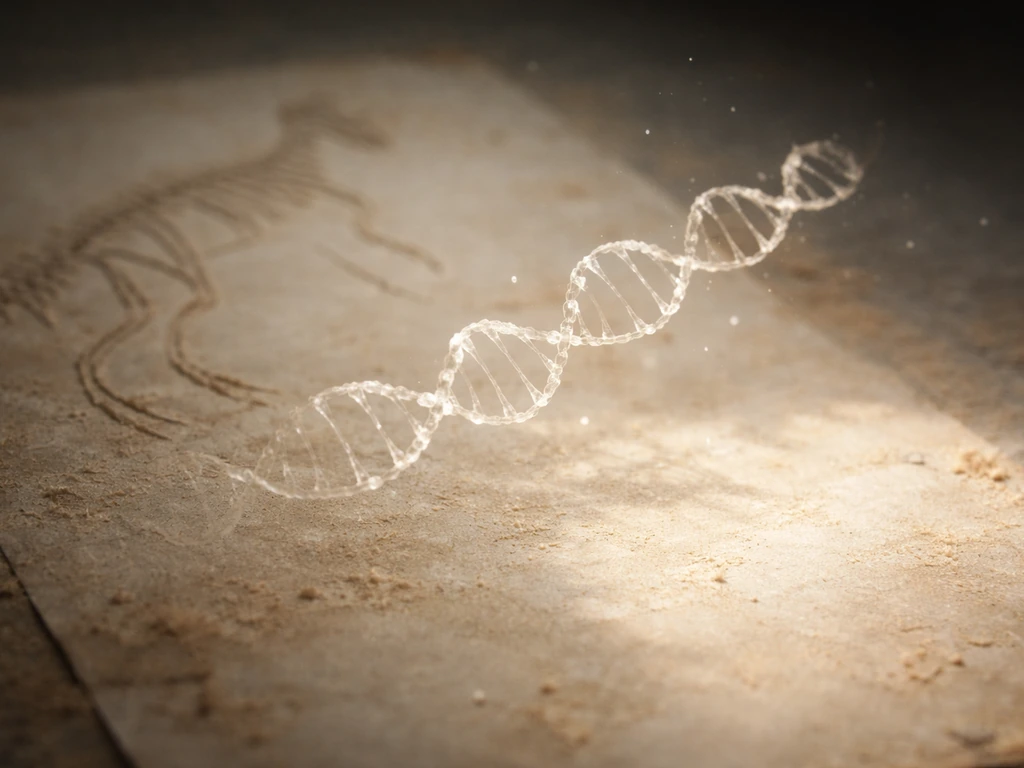
The short version: probably not, and certainly not yet. DNA degrades from the moment an organism dies. Enzymes break it apart, water hydrolyzes the bonds, oxygen oxidizes the bases, and over thousands of years, what's left is increasingly short, chemically damaged fragments. Researchers working with ancient DNA (aDNA) describe recovering 'traces of short and extremely degraded DNA fragments,' and that's for samples that are thousands to tens of thousands of years old, not millions.
The signature damage pattern seen in ancient DNA is cytosine deamination, where cytosine (C) converts to uracil, which reads as thymine (T) during sequencing. You end up with systematic C-to-T substitutions at the 5' ends of fragments and G-to-A substitutions at the 3' ends. Scientists actually use these damage patterns as an authentication tool to confirm that sequences are genuinely ancient rather than modern contamination. But those same damage patterns mean the sequence data is noisy, and piecing together a complete, accurate genome from that noise is exponentially harder as the sample ages.
Fragment length is the real killer. Modern genome assembly relies on overlapping reads of hundreds to thousands of base pairs. Ancient DNA fragments average somewhere in the 60 to 150 base pair range, and many fall below 25 bp, which is too short to map reliably to a reference genome. For comparison, the human genome is about 3.2 billion base pairs long. A tyrannosaurid genome was likely in a similar ballpark. Assembling that from fragments shorter than a tweet, with heavy chemical damage on each one, is not a sequencing challenge. It is closer to a reconstruction impossibility.
The famous 1994 claim of recovered dinosaur DNA from an 80-million-year-old bone was labeled 'putative' from the start, and by 1995, it was widely disputed. The sequences may have come from bacterial contamination during the fossilization process rather than from the dinosaur itself. That's a recurring problem: in most ancient bone and tooth samples, endogenous DNA (the DNA from the original organism) makes up only a tiny fraction of what you actually extract. Most of it is environmental contamination from fungi, bacteria, and modern handlers. Even with enrichment strategies, nuclear genome coverage from deep-time samples is absurdly low. Studies of relatively recent megafauna like Columbian mammoths have reported nuclear genome coverage of around 0.03 times, meaning they're sampling less than 3% of the genome even once, let alone at sufficient depth for assembly. Dinosaurs are roughly 800 times older than those mammoths. The math does not get better.
DNA vs development: why sequence alone isn't enough
Even if you could somehow assemble a perfect, fully accurate dinosaur genome, you still wouldn't have a dinosaur. DNA is a blueprint, not a builder. The blueprint doesn't build the house; it needs contractors, inspectors, material suppliers, and a specific order of operations. In biological terms, those contractors are gene regulatory networks, epigenetic marks, maternal signals deposited in the egg, and the physical and chemical environment of the developing embryo.
Development is not just 'turn on the genome and see what happens.' At fertilization, the egg already contains a carefully arranged set of maternal mRNAs and proteins that determine which parts of the embryo will become head versus tail, inside versus outside. Those signals activate specific genes in specific cells at specific times. The genome doesn't run itself. It receives instructions from the cellular environment it's sitting in, and those instructions are different at every stage of development.
Epigenetics adds another layer. DNA methylation patterns and histone modifications control which genes are accessible in which cell types. A liver cell and a neuron contain the same genome, but radically different epigenetic landscapes that determine which genes those cells ever bother reading. Reconstructing a genome sequence tells you nothing about those landscapes. We don't have fossil epigenomes. We barely understand the epigenomes of living animals well enough to reprogram them reliably.
This connects directly to the broader topic of how growth actually works in living systems. Growth isn't just 'DNA replicates, cells divide.' DNA replication during the cell cycle is tightly regulated, and cells grow during specific phases of that cycle under precise chemical control. Does a cell grow during interphase? DNA provides instructions, but actual growth depends on existing cellular machinery, energy, and regulatory control Does a cell grow during interphase?. Yes, growth generally occurs across interphase while the cell prepares for mitosis cells grow during specific phases of that cycle. In the cell cycle, growth mainly happens during interphase, when the cell is preparing for division. The nucleus coordinates gene expression while the cell grows, but it's doing so in response to signals from outside the cell, from neighboring cells, from hormones, and from physical stress. Strip all that away and the genome is an instruction manual in a language no one present can read.
What it would take to build a dinosaur embryo
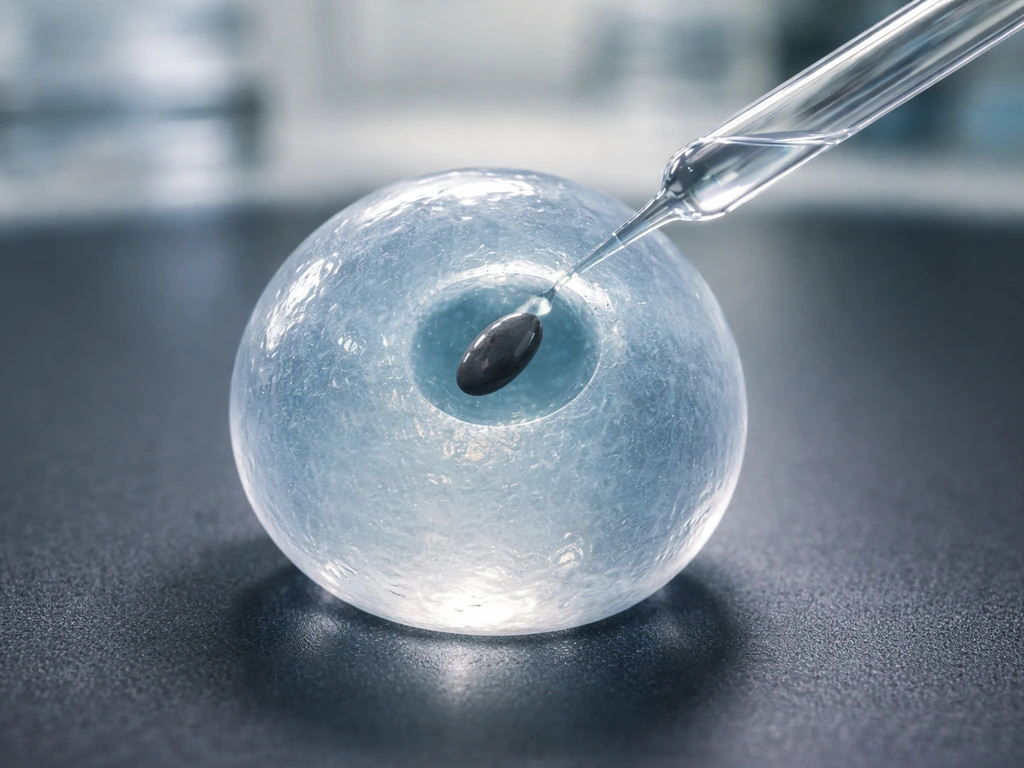
Let's say, hypothetically, you had a perfect dinosaur genome. Here is what you would still need to actually grow a dinosaur from it.
- A compatible enucleated egg cell: You need a living egg with its own nucleus removed, ready to accept a new one. The egg's cytoplasm is packed with species-specific machinery. An egg from a crocodilian or bird, the closest living relatives of non-avian dinosaurs, would have cytoplasmic machinery tuned to its own genome. Introducing a radically different genome would almost certainly trigger developmental failure at very early stages.
- Accurate genome reconstruction: Not just any sequence, but a fully phased, complete diploid genome including both copies of each chromosome, regulatory regions, repetitive elements, and structural variants. We can't reconstruct this even for mammoths with decent DNA preservation. For dinosaurs it is not currently possible.
- Epigenetic reprogramming: You'd need to impose the correct epigenetic state on the genome to support early embryonic development, then let it be progressively re-established in each developing tissue. We can't do this even for well-studied living species with complete genomes.
- Gene editing at scale: No ancient genome reconstruction would come out perfect. You'd need to correct errors across billions of base pairs, which is beyond any current gene-editing technology including CRISPR by many orders of magnitude.
- A compatible uterine or egg environment: The embryo has to develop somewhere. Early dinosaurs were likely egg-layers. You'd need a surrogate capable of incubating an egg with the right hormonal environment, shell chemistry, and temperature gradients. A modern bird egg is not a drop-in substitute.
- Developmental scaffolding: Signaling molecules, correct nutrient delivery, immune tolerance, and the physical mechanics of how cells arrange themselves into tissues all need to be correct and in sequence.
Missing any one of these is fatal to the attempt. Right now we are missing all of them, for dinosaurs specifically.
Cloning and de-extinction pipelines: where each step breaks down
The classic Jurassic Park framework is somatic cell nuclear transfer (SCNT), the same technique used to clone Dolly the sheep. You take a nucleus from a donor cell and transfer it into an enucleated egg. The egg's cytoplasm reprograms the donor nucleus to an embryonic state, and development begins. This works, with effort and a significant failure rate, when you have a closely related living species to provide the egg and a surrogate.
For de-extinction projects targeting recently extinct species, like the woolly mammoth, the approach being pursued involves editing the genome of a close living relative (the Asian elephant) to incorporate mammoth-specific traits. That's very different from starting with a dinosaur. Elephants and mammoths diverged roughly 6 million years ago and share about 99.6% of their genome. The gap between any living bird or crocodilian and a non-avian dinosaur is 66 million years or more, and the genomic divergence is correspondingly enormous.
Here's where each step of the cloning pipeline breaks down for dinosaurs specifically:
| Pipeline Step | Status for Recent Species | Status for Dinosaurs |
|---|---|---|
| Source DNA quality | Degraded but partially recoverable | Essentially unrecoverable; too fragmented and damaged |
| Genome assembly | Possible with dense coverage | Not feasible; coverage would be near zero |
| Reference genome for mapping | Close living relatives available | No close enough living reference exists |
| Enucleated egg source | Same or closely related species | No closely related species; egg cytoplasm incompatible |
| SCNT or synthetic embryo | Works with high failure rate in mammals | No viable method exists; no compatible cell system |
| Surrogate carrier | Same or related species | No known compatible surrogate |
| Developmental environment | Well characterized for target species | Completely unknown for non-avian dinosaurs |
Every row in that table is a hard stop, not a soft challenge. And the rows aren't independent: you'd need to solve all of them simultaneously, because progress on one doesn't help you at all if the others remain broken.
Reality-based alternatives today
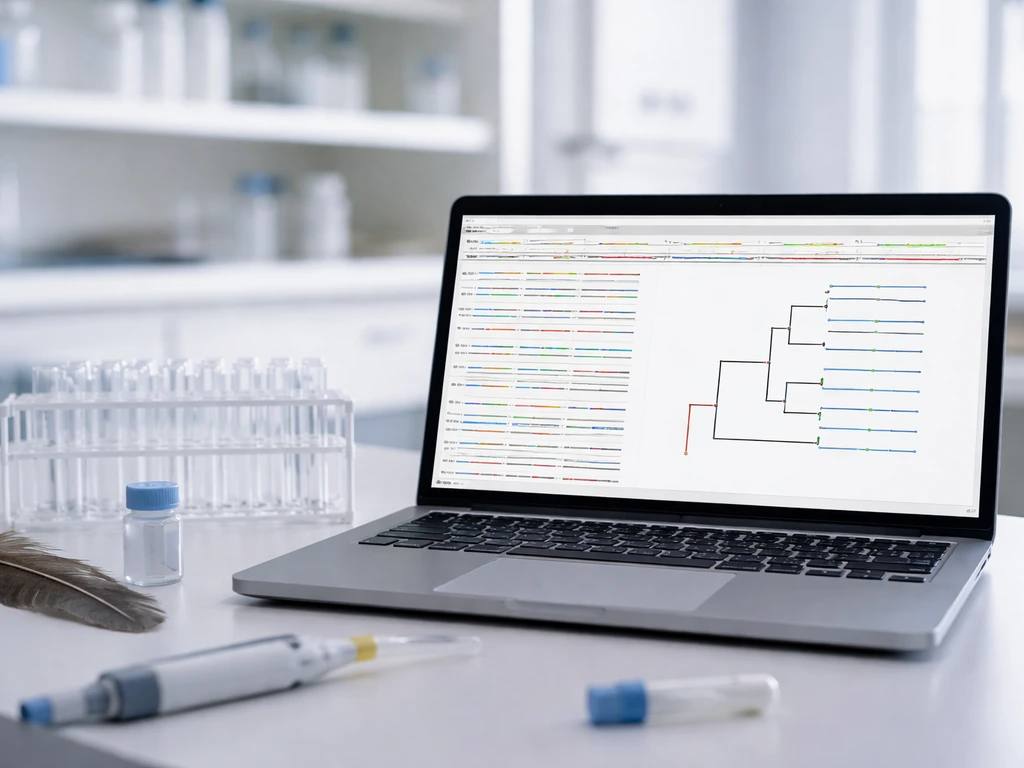
This doesn't mean there's nothing interesting happening. Paleogenomics is a genuinely exciting field, and the gap between 'we can't grow a dinosaur' and 'we can learn nothing about dinosaur biology' is enormous.
- Paleogenomics and comparative genomics: By comparing the genomes of living birds, crocodilians, and other archosaurs, researchers can infer what ancestral dinosaur genomes likely contained. You can reconstruct probable gene sequences and regulatory elements by working backward from multiple living descendants.
- Trait-level gene editing in living birds: Chickens have been used in lab settings to experimentally reactivate ancestral developmental pathways. Researchers have induced more dinosaur-like snout development, digit arrangements, and even proto-leg features in chicken embryos by manipulating specific developmental genes. No dinosaurs were grown, but the underlying genetic logic was tested.
- Studying the molecular basis of specific dinosaur features: Feathers, hollow bones, growth rates, metabolic rates. These are all traits that left physical evidence in fossils and have living analogs in birds. Connecting fossil morphology to gene regulatory networks in living birds is an active and productive research area.
- Ancient protein analysis: While DNA degrades over millions of years, proteins can survive longer in some conditions. Mass spectrometry of fossil proteins (paleoproteomics) has recovered collagen sequences from dinosaur bones, providing molecular information without needing intact DNA.
- Understanding developmental constraints: Work on how cells organize into tissues, how gene regulatory networks constrain body plans, and what physical limits govern growth in embryos is directly relevant to understanding why certain dinosaur body plans were possible and others weren't.
None of this produces a living dinosaur. But it does produce real, testable knowledge about dinosaur biology that couldn't be extracted from fossils alone.
Practical next steps: what to study or research next
If you're a student, educator, or curious learner who arrived here asking 'can we grow dinosaurs from DNA' and you want to go deeper, here's where your time is well spent.
- Study ancient DNA methodology: Start with how aDNA authentication works, including the damage patterns (cytosine deamination, fragmentation), how mapDamage and similar tools identify genuine ancient sequences, and why contamination is such a persistent problem. This gives you a grounded understanding of what 'DNA recovery' actually means versus how it's portrayed in popular media.
- Learn how development actually works: Developmental biology is the field that explains why a genome doesn't equal an organism. Look into how maternal effect genes work, how the Hox gene network controls body plan development, and what epigenetics does to regulate gene expression across different cell types. This is where the real complexity lives.
- Explore the de-extinction literature: The Revive and Restore project's work on the woolly mammoth (via Colossal Biosciences) is the most active de-extinction-adjacent research happening right now. Reading about what they're actually doing, and what challenges they face with an animal whose DNA is actually recoverable, puts the dinosaur question into sharp perspective.
- Dig into paleogenomics: Research comparing bird and crocodilian genomes to reconstruct archosaur ancestral states is published in journals like Genome Biology and Evolution and Nature. This is legitimate dinosaur genomics happening today, just without any actual dinosaur DNA.
- Connect growth biology to development: Understanding how cells grow, when they grow (which phases of the cell cycle involve growth versus DNA replication), and what controls cell proliferation gives you the foundation for understanding why 'just growing' a complex organism from genetic material is not analogous to growing a crystal or a bacterial culture.
Limits and constraints on growth in living systems
This is the part of the question that most popular coverage skips, and it's arguably the most important. The reason you can't 'just grow' a dinosaur from DNA is the same reason you can't grow a kidney from a recipe, or a tree from just the words in a botany textbook. Growth in living systems is not a property of information. It is a property of systems.
A living cell grows because it has a functioning membrane, a working metabolic network, ribosomes to translate genetic instructions, a cytoskeleton to organize its internal structure, and a constant supply of energy and raw materials. For a deeper look at how cell structures support growth, see how does the cell wall help the cell grow as an adjacent comparison. DNA provides some of the instructions for building and maintaining those components, but only once those components already exist and are already working. The genome cannot bootstrap itself into a living system from scratch. Life makes life.
This is why the comparison to growing a crystal, or rising sourdough, breaks down immediately. A crystal grows because you're adding material to an existing lattice under the right physical conditions. Sourdough rises because living yeast cells, already fully assembled and metabolically active, are doing the work. In both cases the 'growth' is happening within an already-functional system. DNA on its own is not a functional system. It is a polymer with encoded information, and without the cellular machinery to read and act on that information, it does nothing.
Living organisms also face hard physical and regulatory limits on growth that don't apply to simpler systems. Cells can't grow indefinitely because surface-area-to-volume ratios limit nutrient diffusion. Organisms can't scale arbitrarily because structural materials have load-bearing limits. Development follows constrained pathways because regulatory networks have been shaped by hundreds of millions of years of selection to produce specific outcomes reliably, not to be freely reprogrammable. All of these constraints would apply to any attempt to grow a dinosaur, and they're layered on top of the already-insurmountable DNA recovery and genome reconstruction problems.
So when someone asks 'can we grow dinosaurs from DNA,' the most honest and useful answer is: not only do we not have the DNA, but having it wouldn't be enough. Growing any complex organism requires a whole system, not just an instruction set. Understanding that distinction is, in some ways, the most important thing this question can teach you about how life actually works.
FAQ
If we could somehow get dinosaur DNA fragments, could we still edit a living bird embryo to create a dinosaur-like organism?
In principle you would need far more than a few edits. You would have to reconstruct large parts of the regulatory network, developmental timing, epigenetic control, and likely protein-coding context. Small trait edits in a close relative are hard even with modern tools, and the developmental “instruction layer” depends on maternal signals and cell state reprogramming that would still be mismatched when starting from an egg of a very distant lineage.
Does the DNA damage problem just mean we would need better sequencing machines?
Better machines help with reading length and error rates, but they do not fix the core issue that ancient fragments are short and chemically altered. Damage creates systematic base-calling errors and missing coverage, so assemblies can produce false “gaps” or incorrect variants. Authentication patterns can help detect contamination, but they also highlight why the underlying sequence is noisy and difficult to complete.
How do we know the “dinosaur DNA” claims were contamination and not endogenous DNA?
A key clue is whether the extracted sequences show the expected ancient damage signatures and whether they occur consistently across independent preparation steps. Many misleading results fail on one or more of these fronts, for example showing patterns consistent with modern handling, bacterial taxa, or lab reagents rather than the expected organismal genome signals.
Could we avoid genome assembly entirely by using PCR or targeted sequencing on dinosaur samples?
Targeted approaches are limited by the same bottlenecks: extremely degraded fragment length and low endogenous DNA fraction. PCR needs intact primer sites, and ancient DNA often lacks enough contiguous template to amplify reliably. Even if you amplify targets, you still do not get the full instruction and regulatory context needed for development.
Why is “sequence the genome, then grow the organism” considered a dead end?
Because a genome does not specify a ready-to-run developmental system. You would also need the cellular machinery, appropriate epigenetic state, correct maternal factors, and the right cell-cell and tissue-level signaling context. Without those, the information cannot execute the multi-stage developmental program that builds a complex organism.
Is the biggest problem really DNA recovery, or is it the cloning step?
Both. DNA recovery is the first hard stop, because usable dinosaur nuclear genomes are not available from deep time. Even if a genome were available, the cloning or embryo reprogramming pipeline would still require overcoming deep divergence between dinosaurs and living egg-surrogate species, including mismatch in early developmental control and successful establishment of a viable embryonic state.
Could we use “ancient protein” evidence instead of DNA to recreate dinosaurs?
Proteins alone are unlikely to substitute for genome-level information. Proteins can inform some aspects of physiology or metabolism, but they do not provide the genome-wide regulatory instructions, developmental timing, and cell type specification needed to build an organism. At best, they would support hypotheses about biology, not enable de novo construction of a living dinosaur.
What would count as meaningful progress toward “de-extinction style” dinosaur work if not a living animal?
Scientifically useful progress would look like improved reconstruction of dinosaur biology from fossils and comparative genomics, for example generating testable predictions about developmental pathways, growth patterns, and traits. In practice, researchers might also refine how ancient DNA damage, contamination risk, and assembly uncertainty are quantified in deep-time samples.
Could we grow dinosaurs by using dinosaur-like cells grown in culture, rather than embryos?
Culturing cells still requires a viable genome context that can run transcription, replication, metabolism, and organized development. Without living dinosaur cells or a complete and correctly regulated developmental system, cell culture cannot substitute for the missing reprogramming and tissue-level coordination that embryos provide.
If mammals can be de-extincted in principle (like mammoths), why not dinosaurs?
The distances are vastly different. Mammoths are close enough to living relatives that editing can start from an existing developmental context. For non-avian dinosaurs, the gap to any current egg-surrogate lineage is extremely large, so the developmental program and reprogramming requirements would not map cleanly onto living species.
Next Article
Does the Cell Grow During Interphase? A Clear Guide
Yes, cells grow during interphase, mainly in G1 and G2, while DNA replicates in S and size is checkpoint controlled.