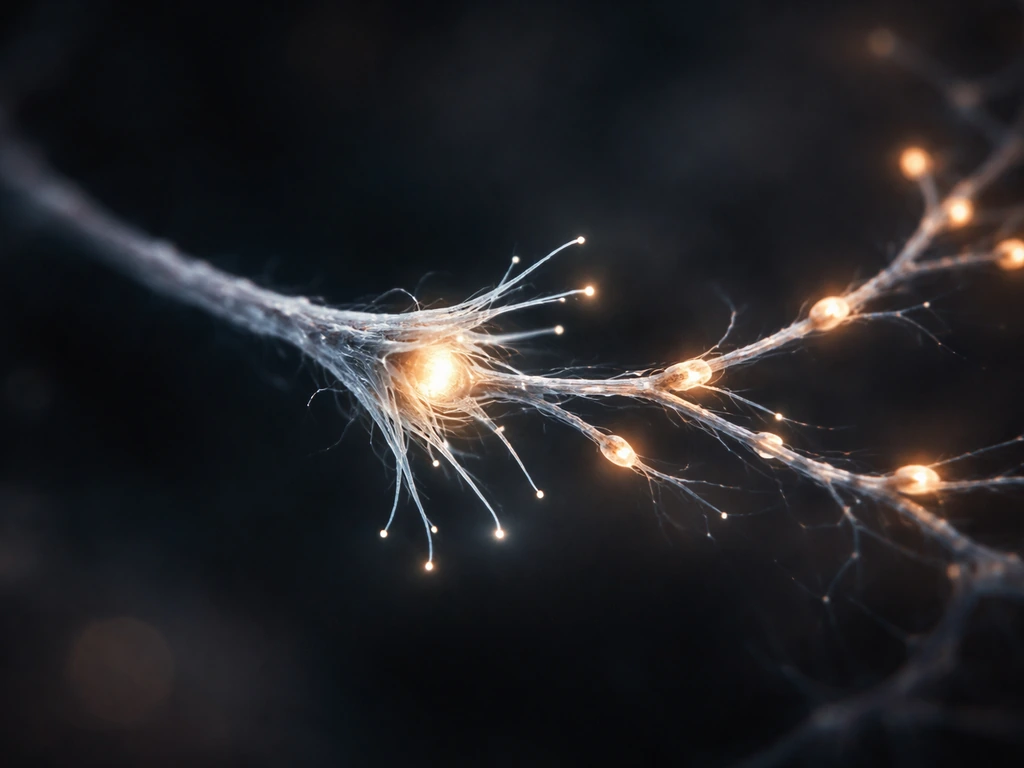
Nerves grow by physically extending their axons and dendrites through the body, guided by molecular signals that act like a GPS navigation system for each growing tip. During development, a specialized structure called a growth cone sits at the tip of every extending axon, sampling the environment and steering the axon toward its target. Once it arrives, the neuron forms synapses, and a fatty insulating sheath called myelin wraps around the axon to speed up signaling. After injury in adults, the same basic machinery exists, but the environment fights it every step of the way, which is why nerve regrowth after damage is so much harder than the original wiring.
How Do Nerves Grow: Axon Guidance, Signals, and What Helps

Marcus Whitmore
25 Apr 2026
What 'nerve growth' actually covers
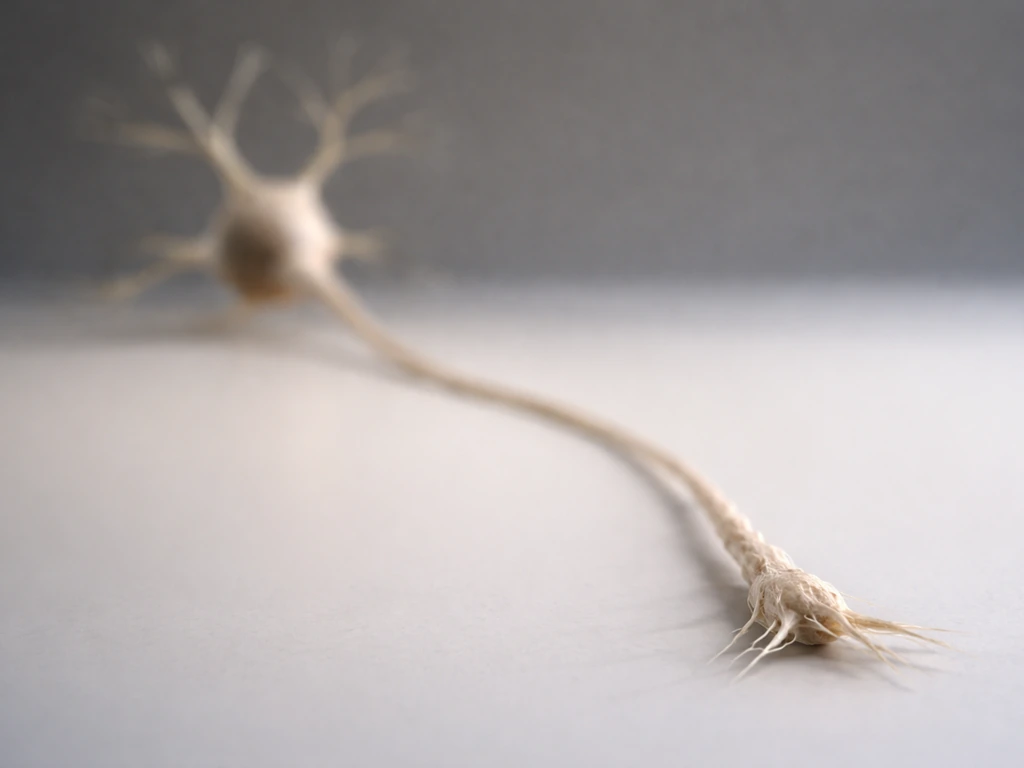
When people ask how nerves grow, they usually picture a single wire getting longer. Understanding how do neurons grow starts with seeing it as more than one wire lengthening. The reality is more like building an entire city's road network at once. Nerve growth involves four overlapping processes that all have to go right.
- Axon outgrowth: the long output cable of the neuron extends, sometimes over enormous distances relative to cell size, traveling centimeters to meters to find its target.
- Dendrite outgrowth: the shorter, branching input arms of the neuron spread out locally to receive incoming signals from neighboring neurons.
- Synapse formation: once axons reach their targets, they form synaptic connections, tiny chemical junctions where neurons pass signals to each other or to muscle cells.
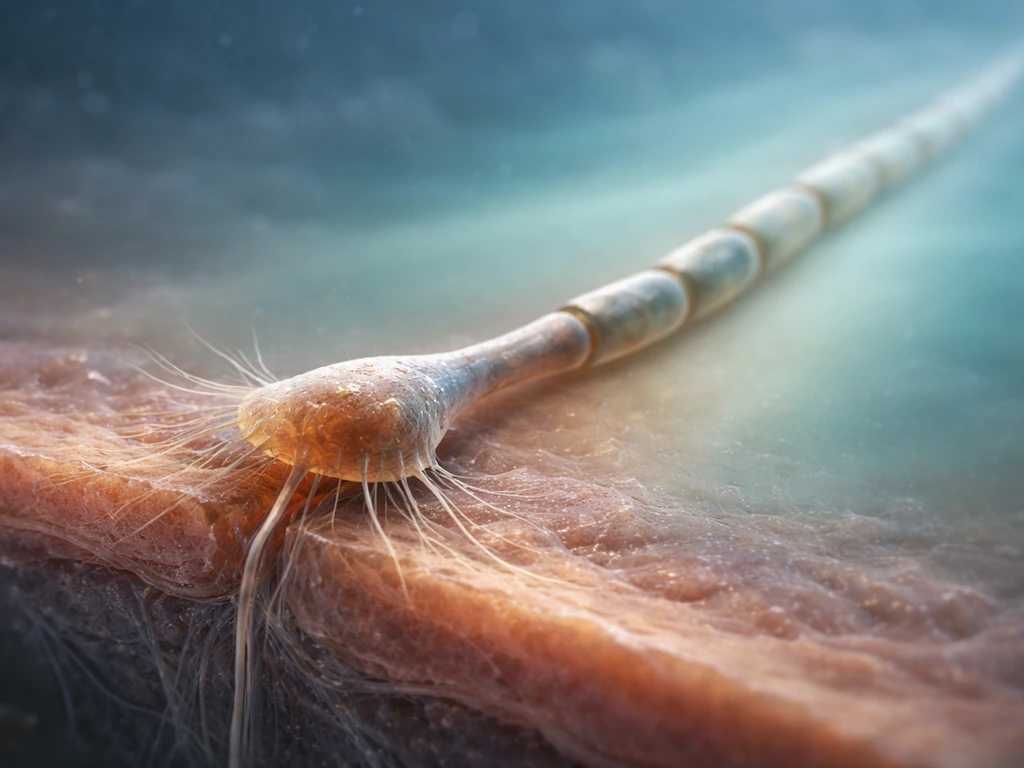
- Myelination: oligodendrocytes (in the brain and spinal cord) and Schwann cells (in the peripheral nervous system) wrap axons in myelin, a lipid-rich sheath that dramatically increases signal speed and protects the axon.
Each of these steps has its own molecular machinery, its own timing, and its own vulnerabilities. Myelination, for example, is not complete at birth. In the human neocortex, myelination continues well into the second decade of life. In the auditory brainstem alone, myelination density keeps increasing from around the 29th gestational week through at least the first year after birth, and this tracks directly with the emergence of early hearing and reflex milestones. So when we talk about how nerves grow, we're really talking about a long, layered construction project.
The growth cone: your axon's built-in navigator
The growth cone is the engine and the steering wheel of axon growth combined. Think of it as a tiny, restless hand at the tip of every extending axon, constantly reaching out, grabbing onto surfaces, and pulling the axon forward. It has two main structural components: lamellipodia (flat, sheet-like protrusions) and filopodia (long, thin finger-like protrusions made of bundled actin filaments). These structures don't just explore passively, they actively generate mechanical force.
The mechanics work like this: actin polymerizes at the very tips of filopodia, pushing the membrane outward. At the same time, integrins on the growth cone surface grip the extracellular matrix beneath it. The focal adhesion kinase (FAK) machinery links those grip points to the internal cytoskeleton, converting adhesion into traction. The growth cone literally pulls itself forward along whatever substrate it's gripping. Meanwhile, microtubules in the central region of the growth cone use their dynamic instability, rapidly growing and shrinking, to probe ahead and consolidate advances when the direction looks favorable.
The coordination between actin and microtubules is what makes steering possible. When a guidance cue hits one side of the growth cone, actin dynamics on that side shift, the microtubule invasion pattern changes, and the whole cone pivots. It's a beautifully integrated system, but it requires constant energy and the right molecular environment to function.
The molecular GPS: guidance cues and how neurons read them
Growth cones don't wander randomly. They navigate using gradients of signaling molecules spread across tissue like invisible trails. The four major families of axon guidance cues are netrins, slits, semaphorins, and ephrins, and they can either attract the growth cone or repel it depending on context.
Netrins: attract or repel depending on the receptor
Netrin-1 is a classic example of how flexible guidance signaling really is. If a growth cone expresses DCC (Deleted in Colorectal Cancer) receptors, netrin-1 attracts it. If the same growth cone also expresses UNC5 co-receptors alongside DCC, the signal flips and netrin-1 repels it. The same molecule, the same concentration gradient, opposite behavioral outcomes, just because of receptor composition. This is how the developing nervous system can use a limited toolkit of signals to route thousands of different axon types to thousands of different targets.
Semaphorins: collapse and redirect
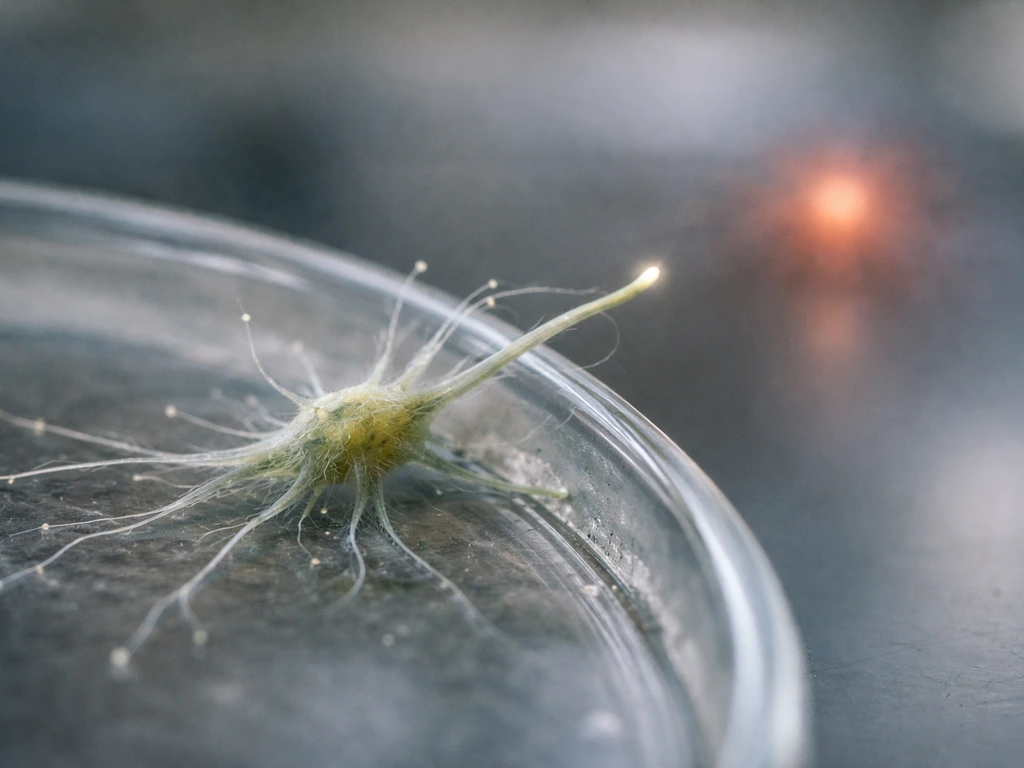
Semaphorins are primarily repulsive signals. Sema3A, for instance, binds to a receptor complex of Neuropilin-1 and Plexin on the growth cone surface. That complex activates Rho-family GTPases inside the cell, which disassemble the actin cytoskeleton and cause the growth cone to collapse and retract. This is how developing axons get steered away from wrong territories. The Rho-pathway involvement also connects semaphorin signaling to cyclic nucleotide pathways: intracellular cAMP and cGMP levels can actually reverse whether a semaphorin signal causes collapse or attraction, meaning the neuron's internal state matters as much as the external cue.
Ephrins: mapping and topography
Ephrins and their Eph receptors work in graded, opposing concentration gradients to generate spatially ordered projections, the kind of precise maps that let your visual cortex represent exactly where in your visual field a point of light appears. Eph-ephrin signaling is bidirectional: the ligand side (ephrin) and the receptor side (Eph) both send signals into their respective cells. Downstream, both sides again converge on Rho-family GTPases and MAPK/ERK pathways to reshape the cytoskeleton.
Intracellular signaling: translating the cue into movement
Every guidance cue ultimately has to change what happens to actin and microtubules inside the growth cone. The key intracellular pathway for pro-growth signaling is PI3K/Akt/mTOR. When growth factors or positive guidance cues activate this pathway, the result is more PIP3 at the membrane, more Akt activity, and a cascade that ramps up protein synthesis and cytoskeletal dynamics to support growth. PTEN is the molecular brake on this system: it degrades PIP3 and dials the whole thing back. In adult neurons, PTEN is highly active, which is part of why regeneration is so limited. Pharmacologically inhibiting PTEN or deleting it genetically in animal models leads to robust long-distance axon regeneration after injury, something that almost never happens otherwise.
What helps nerves grow (and what stops them cold)
The growth cone doesn't operate in a vacuum. The tissue environment around it either rolls out the welcome mat or slams the door. Here's what each major factor does.
| Factor | Effect on Nerve Growth | Key Detail |
|---|---|---|
| Extracellular matrix (laminin, fibronectin) | Strongly promotes growth | Integrins grip these substrates; laminin is one of the most permissive surfaces for axon extension |
| Neurotrophins (NGF, BDNF, NT-3) | Promotes survival, outgrowth, and synapse formation | Bind Trk receptors (TrkA for NGF, TrkB for BDNF, TrkC for NT-3); also signal via p75NTR |
| Cell adhesion molecules (NCAM, L1, cadherins) | Promotes axon outgrowth across multiple contexts | Integrins, Ig-family CAMs, and cadherins all support growth in different tissue contexts |
| Chondroitin sulfate proteoglycans (CSPGs) | Strongly inhibits regeneration | Accumulate in glial scars after CNS injury; digesting them with ChABC restores functional connections in animal models |
| Glial scar tissue | Major barrier to regrowth | CSPGs are a core component; removing CSPG glycosaminoglycan chains re-activates Akt signaling and allows axon regrowth |
| Oxygen and metabolic energy | Essential permissive factor | Growth cones are metabolically expensive; ischemia shuts down outgrowth rapidly |
| Inflammation | Acute inflammation can be pro-growth (PNS); chronic inflammation in CNS is inhibitory | PNS Schwann cells re-enter a growth-supportive state after injury; CNS astrocytes form inhibitory scars |
| PTEN activity | High PTEN = low growth; inhibiting PTEN = accelerated regrowth | PTEN knockdown or deletion accelerates axon outgrowth in vivo after nerve transection |
| Neuronal activity / electrical stimulation | Promotes myelination and plasticity | Activity drives oligodendrocyte-lineage proliferation and differentiation; cAMP pathway is implicated |
The glial scar story is worth pausing on because it's one of the most important things to understand about why spinal cord and brain injuries are so devastating. After CNS injury, astrocytes rapidly proliferate and form a scar rich in CSPGs. This scar is not just passive debris: the CS chains on CSPGs actively bind to receptors on growing axons and block the PI3K/Akt pathway, essentially turning the growth program off. In rats, delivering chondroitinase ABC (ChABC) directly to the injury site degrades these CS chains, re-activates Akt signaling, and restores functional connections of descending motor pathways. That's not just a lab curiosity: it demonstrates that the inhibitory environment, not just the neuron's own capacity, is a real and removable barrier.
Development vs. injury: why regrowth after damage is so much harder
During embryonic development, the nervous system is flooded with permissive signals. The extracellular matrix is rich in laminin, growth factors are abundant, guidance cues are precisely patterned, and neurons are in their most intrinsically growth-competent state. The PI3K/Akt/mTOR pathway runs hot, PTEN activity is low, and growth cones have a relatively obstacle-free landscape to navigate.
After birth, the environment gradually shifts. CSPGs accumulate, inhibitory factors increase, myelin-associated glycoproteins (like Nogo) appear as axons myelinate, and neurons progressively downregulate their intrinsic growth programs. Adult neurons have much higher PTEN activity and lower baseline mTOR signaling than embryonic neurons. So when an adult axon is cut, it's trying to regrow in an environment that's both actively inhibitory and without the internal growth drive it once had.
The peripheral nervous system (PNS) handles this significantly better than the central nervous system (CNS). After injury, Schwann cells in the PNS re-enter a growth-supportive 'repair' state, clearing myelin debris and secreting neurotrophins and laminin to guide regrowth. CNS oligodendrocytes and astrocytes don't do this in the same way. This is why you can recover sensation and movement after a peripheral nerve injury in your hand but not after a spinal cord injury that severs CNS axons.
Rebuilding circuits after injury also faces a timing problem. Even when axons do regrow, they have to find and re-establish appropriate synaptic connections. During development, activity-dependent competition and trophic signaling help sort this out over time. After adult injury, target cells may have already begun to atrophy, competing innervation may have taken over, and the window for successful reconnection narrows. This is part of why early intervention and rehabilitation matter so much for functional recovery: you're trying to use the existing plasticity window before it closes further.
How experience and activity refine nerve connections
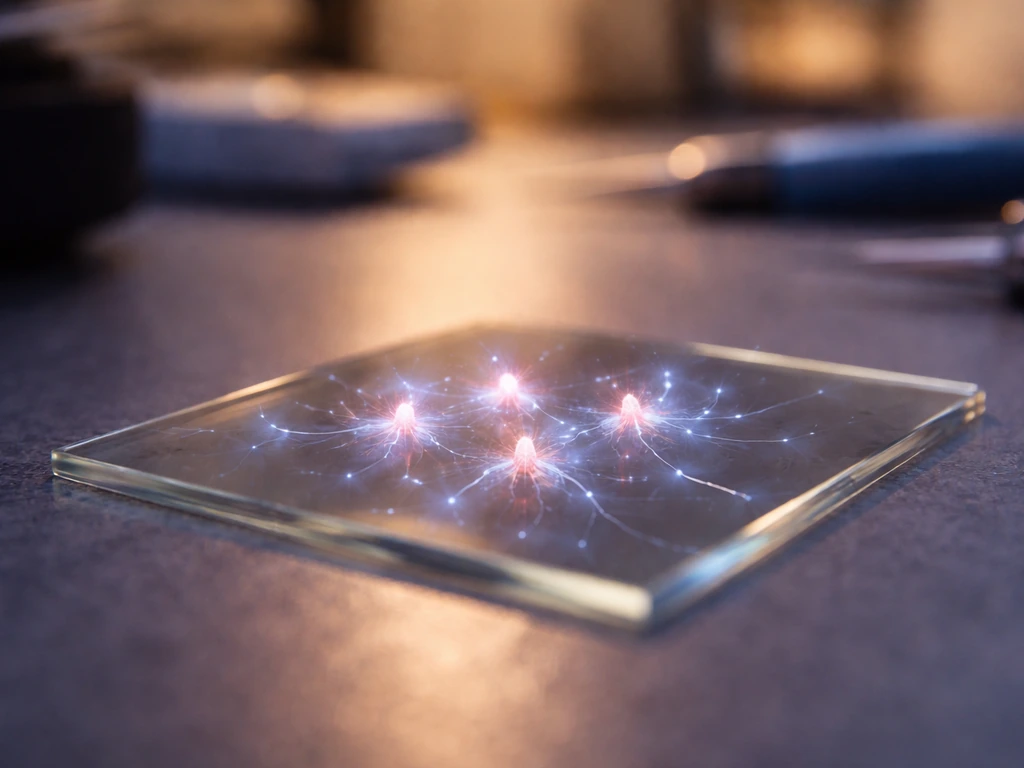
Here's something worth internalizing: nerve growth and nerve refinement are different processes, and the second one continues throughout your life. The initial wiring of the nervous system lays down a rough draft. Activity then edits that draft. This is synaptic plasticity, and it's how learning and memory work at the cellular level.
BDNF is the star molecule here. When neurons fire together, BDNF release at the synapse activates TrkB receptors on the postsynaptic side, which strengthens the connection, promotes dendritic spine growth, and stabilizes the synapse. This is the molecular mechanism underlying the classic Hebbian learning principle: neurons that fire together wire together. BDNF-TrkB signaling is directly implicated in glutamate-dependent spine and dendritic growth, and in the long-term potentiation that underlies memory consolidation.
Activity also shapes myelination in ways that matter practically. Neuronal activity drives oligodendrocyte precursor cells to proliferate and differentiate, and it increases myelin formation along active axons. Electrical stimulation of cortical neurons in spinal cord injury models promotes oligodendrocyte development, remyelination, and measurable functional recovery. The mechanism involves a cAMP-dependent pathway triggered by active neurons. This means that using a recovering nerve pathway, through rehabilitation exercises or neuromuscular activity, is not just training the muscles: it's also signaling the nervous system to maintain and extend its myelin, which improves conduction speed and reliability.
If you're interested in how the nervous system changes across the lifespan through these kinds of mechanisms, it's worth exploring how the nervous system changes and grows more broadly, and how fast brain cells grow at different life stages, since those perspectives add important context to what drives plasticity at different ages. The same kinds of growth and wiring principles also explain how brains develop and change during childhood and beyond how do organisms grow brainly. It can also help to look at how artificial neural networks get smarter through training, and what biological growth has to teach us about that process the self-assembling brain: how neural networks grow smarter.
What you can realistically do to support nerve plasticity today
Let's be honest about what's actionable and what isn't. You can't currently take a pill to inhibit your own PTEN or inject ChABC into your spinal cord. But the upstream conditions that support nerve plasticity are genuinely within your control, and they matter more than most people realize.
- Exercise, especially aerobic exercise, reliably increases BDNF levels in the brain and periphery. Higher BDNF supports synaptic strengthening, dendritic growth, and neurotrophin signaling through TrkB. Even moderate consistent aerobic activity (30+ minutes most days) produces measurable BDNF elevation.
- Sleep is when the brain consolidates synaptic changes and clears metabolic waste. Synaptic plasticity depends on the sleep-stage processes that stabilize new connections formed during the day. Chronic sleep restriction degrades plasticity capacity directly.
- Rehabilitation and motor practice after nerve injury are not optional extras: they're biologically necessary. Active use of recovering pathways drives activity-dependent myelination, prevents target atrophy, and maintains the competitive advantage of regenerating axons over rival inputs.
- Nutrition and metabolic health support the energetic demands of growth cone activity and myelination. Omega-3 fatty acids contribute directly to myelin membrane composition. B vitamins (especially B12) are required for myelin synthesis; deficiency causes peripheral neuropathy through demyelination.
- Minimize chronic inflammation where possible. Chronic systemic inflammation elevates inhibitory cytokines that shift the glial environment toward scar-forming, CSPG-producing states. Anti-inflammatory diet patterns and managing metabolic disease reduce this background pressure.
- Cognitive and sensory challenge drives the activity-dependent plasticity that refines existing circuits. Learning new skills, practicing instruments, engaging in novel environments, and focused rehabilitation all generate the patterned neural activity that promotes BDNF release and synaptic remodeling.
At the clinical research level, approaches like ChABC delivery for CSPG degradation, PTEN inhibition to boost intrinsic regeneration, and optogenetic stimulation to drive remyelination are all in active development. None are standard clinical treatments yet, but they represent the most mechanistically grounded directions in nerve regeneration research. If you're navigating a nerve injury, asking your care team about rehabilitation intensity and timing is far more actionable right now than any experimental intervention.
Why nerve growth has real limits (and why that's actually a good thing)
The nervous system doesn't grow without bounds, and understanding why connects directly to the site's broader theme: all growth in living systems runs up against physical and biological constraints that prevent runaway expansion.
The first constraint is synaptic target competition. Neurons require trophic support from their targets to survive. Target cells produce limited amounts of neurotrophins like NGF and BDNF, and axons compete for access to these factors. Neurons that fail to make productive connections don't get the trophic support they need and undergo programmed cell death (apoptosis). This is not a design flaw: it's the quality-control mechanism that matches the number of neurons to the number of target cells and prunes away redundant or incorrect connections. In fact, roughly half of all neurons born during development are eliminated this way.
The second constraint is pruning. During development and into early adulthood, synapses that are inactive or weakly used are eliminated. This is mediated by glial cells (microglia and astrocytes) that literally engulf and remove synaptic material tagged by complement proteins. Pruning is how the nervous system sharpens its initial rough-draft wiring into precise, efficient circuits. Without it, you'd have a diffuse, noisy network incapable of the precise processing that perception and cognition require.
The third constraint is the physical architecture of the adult CNS. Myelinated axons occupy fixed tracts with limited interstitial space. The inhibitory molecular environment (CSPGs, Nogo, myelin-associated glycoproteins) that develops alongside myelination serves a genuine stabilizing function: it locks in established circuits and prevents spurious sprouting that could disrupt finely tuned networks. The same environment that frustrates regeneration after injury is actively maintaining circuit integrity in the healthy brain.
Finally, axon length itself is physically constrained by transport logistics. Proteins and organelles synthesized in the cell body must be shipped down the axon by molecular motors (kinesins and dyneins). In a meter-long motor neuron, this transport takes days. Metabolic support and signaling feedback from the axon tip back to the cell body are both limited by this transport bottleneck. It's one reason that very long peripheral axons are among the most vulnerable to diseases affecting axonal transport, and why damage far from the cell body is harder to recover from than damage close to it.
So nerve growth stops not because the biology simply runs out of steam, but because the system has built-in governors at every level: molecular brakes on intrinsic growth programs, environmental inhibitors that stabilize mature circuits, competitive elimination of excess neurons, and physical transport limits that set a practical ceiling on axon length. Understanding these constraints is what makes the research on overcoming them, like PTEN inhibition or CSPG degradation, so exciting: it's not about removing all limits, but about selectively lifting specific brakes in specific contexts to restore function that was lost to injury.
FAQ
Do nerves grow from the cell body, or only from the axon tip (growth cone)?
Axons extend from the growth cone at the tip, but the growth cone depends on a supply chain from the soma. The cell body must synthesize cytoskeleton and membrane components and transport them down the axon, so growth speed and distance are constrained by intracellular logistics as well as guidance cues.
What determines whether a guidance signal attracts versus repels a growing axon?
It largely comes down to which receptors (and co-receptors) the growth cone expresses and its internal signaling state. For example, the same external molecule can flip behavior when receptor combinations change, and intracellular pathways like the balance of cAMP or cGMP can further bias the growth cone toward collapse or advance.
Why is myelination described as necessary but not identical to nerve growth?
Myelination improves conduction and stabilizes signaling, but it is not the same event as axon extension or synapse formation. An axon can grow in length while myelin is still immature, and later remyelination depends on different cell programs, especially oligodendrocyte repair in the CNS versus Schwann cell repair in the PNS.
If guidance cues exist, why do adult axons regrow so poorly even with growth cone machinery still present?
Because adult growth cones encounter a double blockade. The environment contains strong inhibitors that suppress the pro-growth PI3K/Akt/mTOR program, and adult neurons have a higher intrinsic braking state (for instance, elevated PTEN activity and lower baseline growth signaling), so the same “GPS-like” navigation cues often cannot overcome the brake-and-barrier landscape.
Is the brain’s inability to regrow like spinal cord injury, or does location matter?
Location and tissue type matter. CNS injuries trigger glial responses, including astrocyte scar formation rich in inhibitory CSPGs, whereas peripheral injuries recruit Schwann cells that adopt a repair-supportive state. That difference is a major reason functional recovery is typically far more likely after peripheral nerve damage than after CNS injury.
Can rehabilitation help nerve regrowth, and how is that different from simply using muscles?
Rehabilitation can provide patterned electrical and activity-dependent signals that support circuit maintenance, synaptic refinement, and activity-driven myelination. The practical takeaway is that early, appropriately dosed activation of a recovering pathway can reinforce the cellular “state” that favors regrowth and remyelination, rather than relying on passive recovery alone.
Why doesn’t regenerating axon length guarantee functional recovery?
Functional recovery requires correct target reconnection and timing. Targets and synaptic partners can change after injury, sometimes losing support or competing for other inputs, so even long-distance regrowth can fail to restore function if the axons miss the right window for reconnection.
What role does synaptic competition play after wiring is initially laid down?
Target cells provide limited trophic support, so regenerating or sprouting axons compete for access to factors like neurotrophins. Connections that fail to establish productive activity often get weakened and eliminated, so the system naturally favors wiring that forms stable, functional patterns rather than just any new connections.
Why does the nervous system prune connections, and does pruning continue into adulthood?
Pruning removes weak or inactive connections to refine circuits and preserve efficient processing. The strongest pruning phases are during development and early life, but related remodeling and synaptic weakening or strengthening continues throughout life as learning and plasticity occur.
What are the main “constraints” that stop runaway nerve growth, beyond molecular brakes and inhibitors?
Several governors limit growth, including limited trophic support from targets, biologically programmed pruning, physical space constraints in adult CNS tracts, and transport bottlenecks that make supplying distant axon segments slow and inefficient. These constraints explain why the goal in regeneration research is selective brake lifting, not unlimited growth.
Why is injury farther from the cell body often worse for recovery?
Because the cell body-to-tip transport distance is longer. Damage far from the soma disrupts retrograde and anterograde signaling and supplies, which can delay or prevent the delivery of building materials and feedback needed to sustain growth cone function.
Are there any current clinical treatments that directly target these growth mechanisms (like PTEN or CSPGs)?
Not in a broadly standard, off-the-shelf way for most patients. Research directions include CSPG degradation, PTEN modulation, and stimulation approaches to promote remyelination, but for now the most actionable, mechanistically aligned step for most people dealing with nerve injury is discussing rehabilitation timing and intensity with the care team.
Next Article
How Do Neurons Grow Step by Step From Outgrowth to Synapses
Step-by-step how neurons grow from outgrowth to synapses, including guidance, growth cones, synapse pruning, and growth