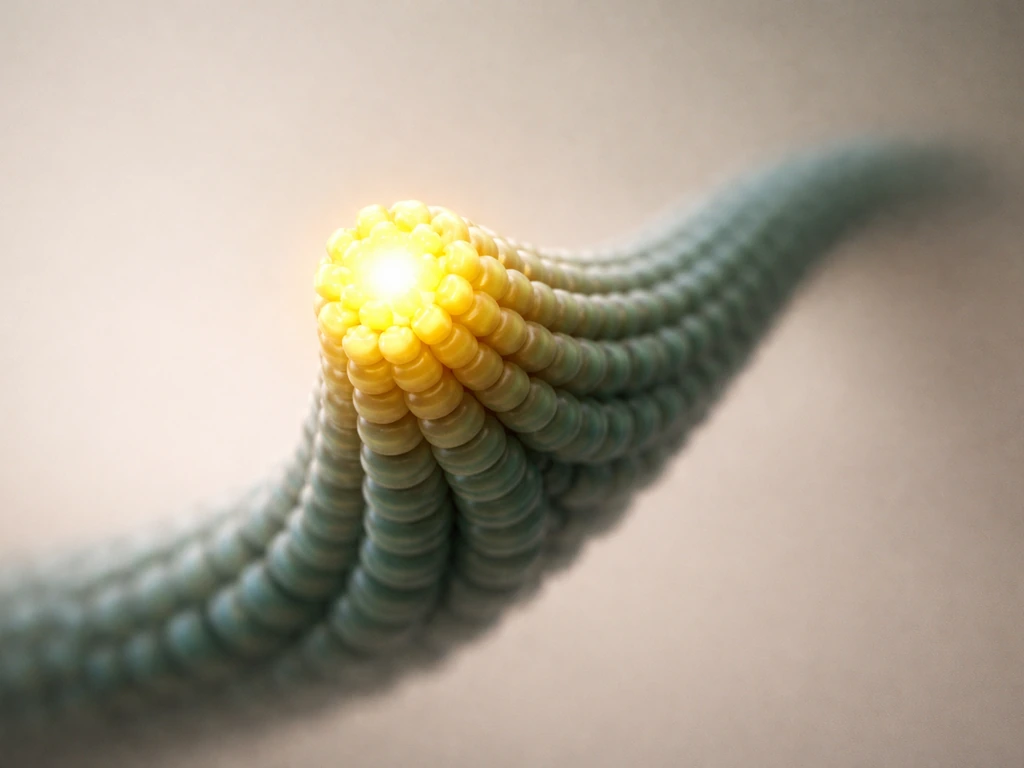
Pollen tube growth is stimulated by a layered chain of signals: first, the pollen grain has to hydrate on a compatible stigma, then chemical cues from the stigma and style coax it to germinate and push a tube outward, and finally a cocktail of ion gradients, nutrients, and peptide attractants from the ovule draw that tube all the way to the egg. Remove any one of those steps and growth stalls. Understanding which step is which is the key to both understanding the biology and troubleshooting what went wrong in an experiment. This same logic helps you predict how the coleoptile will grow by linking key signals and growth conditions to what you see at the tip.
What Stimulates the Pollen Tube to Grow Step by Step

Marcus Whitmore
19 Apr 2026
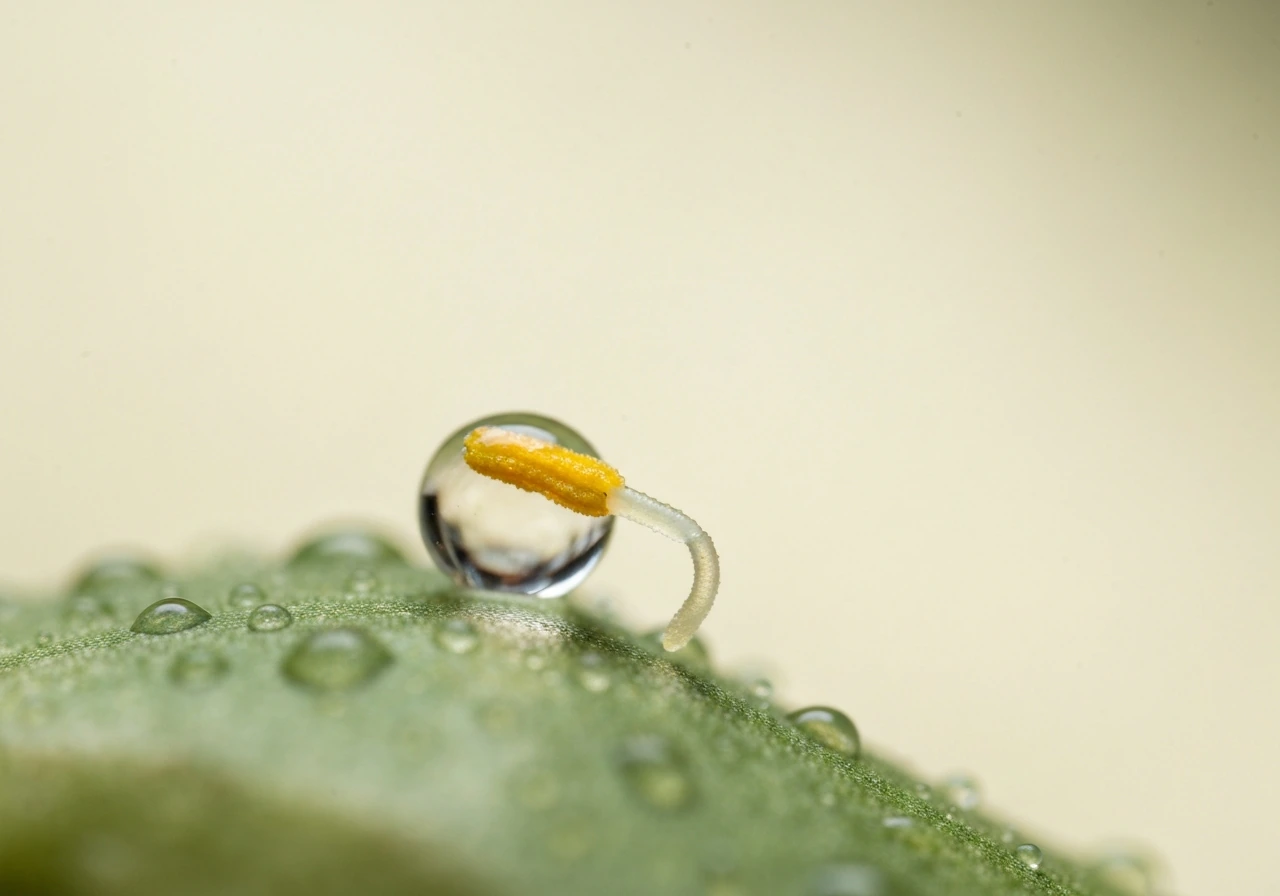
The core idea: what actually kicks off pollen tube growth
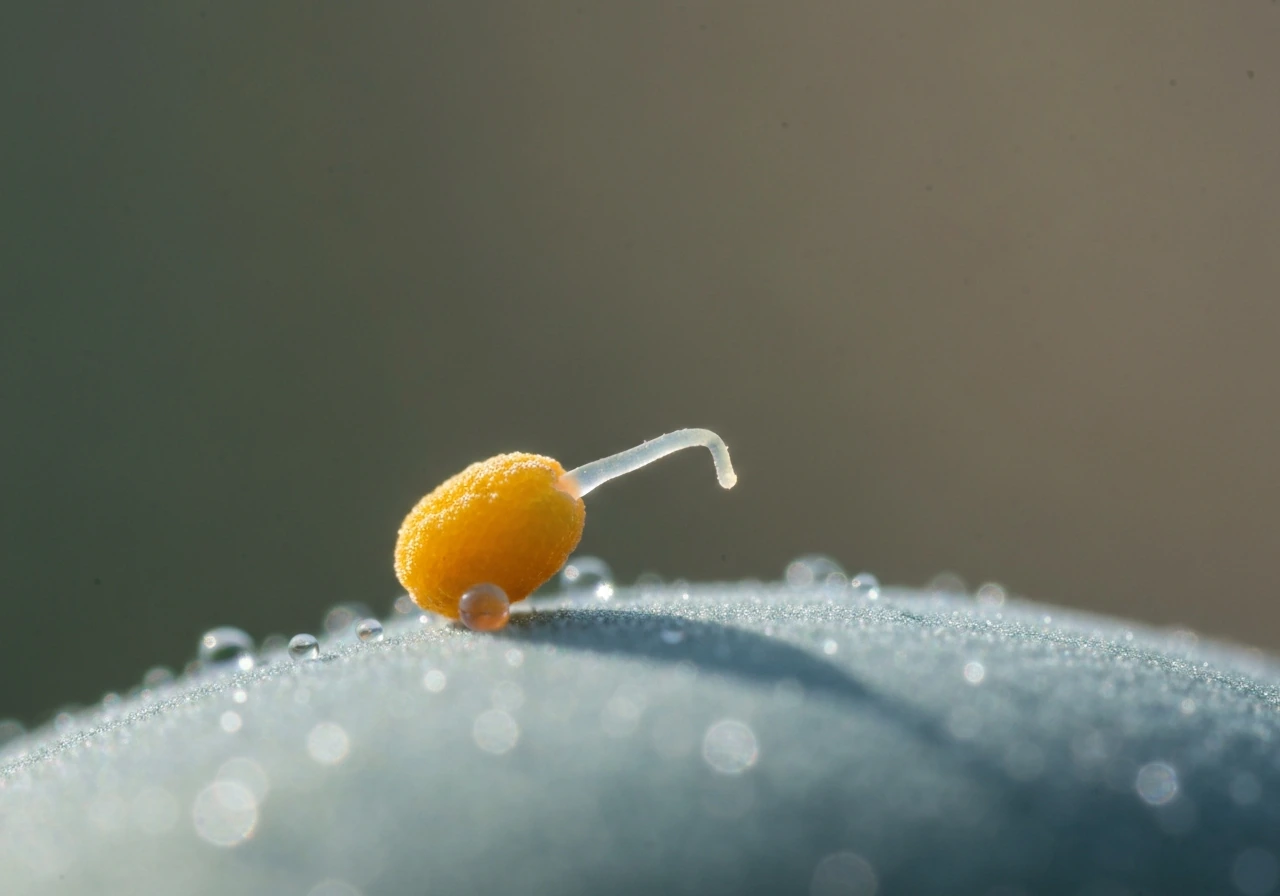
A pollen grain sitting on a stigma is essentially in a dormant, dehydrated state. The single most critical upstream trigger is water. Once the stigmatic surface delivers water to the pollen grain, internal hydrostatic pressure begins to build, and that pressure is what initiates germination and tube emergence. Think of it like a dried-out seed on wet soil: nothing happens until moisture gets in.
After hydration kicks things off, the tube emerges from a specific site on the pollen grain wall and begins elongating using a growth mode called tip growth, where all the expansion happens at the very front of the tube rather than along its entire length. From that point forward, a relay of chemical signals, physical forces, and ion gradients takes over to keep the tube growing and steer it in the right direction.
Pollen hydration, germination, and the compatibility check
Hydration is not guaranteed just because pollen lands on a stigma. The stigmatic surface and pollen coat proteins actively negotiate water flow between the two parties. Lipids on the stigmatic surface and proteins in the pollen coat work together to either allow or restrict that water transfer. In Arabidopsis, mutants with defective surface wax chemistry (cer mutants) fail to hydrate properly and are blocked at germination and every step that follows. No hydration, no tube.
Hydration also doubles as the first compatibility check. In species with sporophytic self-incompatibility (like Brassica), this recognition happens right on the stigmatic surface before the tube even forms. In species with gametophytic self-incompatibility (like Solanaceae and Rosaceae), pollen actually germinates and a tube starts to grow, but the incompatibility mechanism catches up with the tube partway down the style and stops it there. So the compatibility check is not a single gate but a series of hurdles at different stages.
High humidity complicates things too. Pollen is supposed to hydrate on the stigma, not while it is still inside the anther. Plants use surface signaling cues to prevent premature germination. When those sensing mechanisms go wrong (as in Arabidopsis fla14 mutants), pollen can begin germinating inside the anther under high-humidity conditions. This tells us that the hydration stimulus needs to be spatially controlled, not just present.
Chemical cues and guidance gradients from the stigma and style
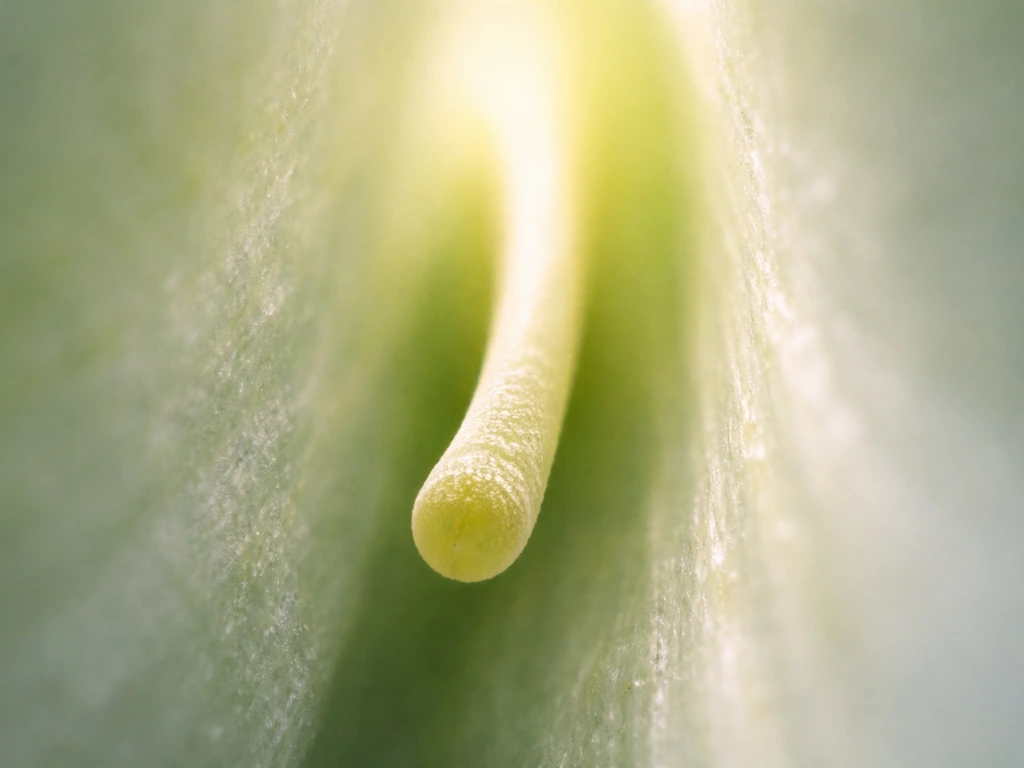
Once the tube is growing, it does not wander randomly. The stigma and style lay down a signaling environment that tells the tube which direction to go. This involves a spatial and temporal integration of multiple signals: surface adhesion cues, secreted proteins, and soluble molecules that create gradients the tube tip can sense and follow. The tube actively steers by growing toward higher concentrations of attractants.
The most dramatic guidance signal comes near the end of the journey. Synergid cells, which flank the egg cell inside the ovule, secrete defensin-like peptides called LUREs. These peptides diffuse outward and create a short-range chemical gradient that pulls the pollen tube toward the micropyle (the opening in the ovule's outer layers). In Torenia fournieri, this attraction operates over a distance of roughly 100 micrometers in vitro. Pollen tube receptors on the tube surface detect LUREs and translate that signal into directional growth. Losing those receptors or blocking LURE secretion causes guidance defects even when the tube is growing vigorously.
Maize uses a related but distinct attractant peptide called ZmEA1, also secreted by the synergid region. The conservation of this synergid-secreted peptide strategy across very different plant species suggests it is a deeply fundamental mechanism. The species-preferential nature of LURE attraction also helps explain why cross-species fertilization is so rare: even if a foreign pollen tube makes it into the ovary, it may not respond properly to the wrong species' LUREs.
Nutrients, ions, and the tip-focused machinery that powers elongation
Growing a tube fast requires a continuous supply of building materials and energy delivered right to the tip. This is organized around a few key players: calcium ions, reactive oxygen species (ROS), and nutrients like sucrose and boron.
The calcium gradient: the master regulator at the tip
A tip-focused cytosolic calcium gradient is absolutely essential for pollen tube growth. The concentration of free Ca2+ ions is highest at the very tip of the growing tube and drops sharply a few micrometers behind it. This gradient drives polarized secretion of vesicles carrying new wall material and membrane to the tip. If you disrupt this gradient pharmacologically (for example, by perfusing 50 micromolar lanthanum, a calcium channel blocker, across an elongating tip) growth stops and the gradient collapses. Calcium influx at the tip is controlled by channels including cyclic nucleotide-gated channels (CNGCs, notably AtCNGC18) and glutamate receptor-like channels (GLRs). The small GTPase ROP1 plays a central role in maintaining the spatial patterning of this calcium influx.
ROS: not just damage, but a growth signal
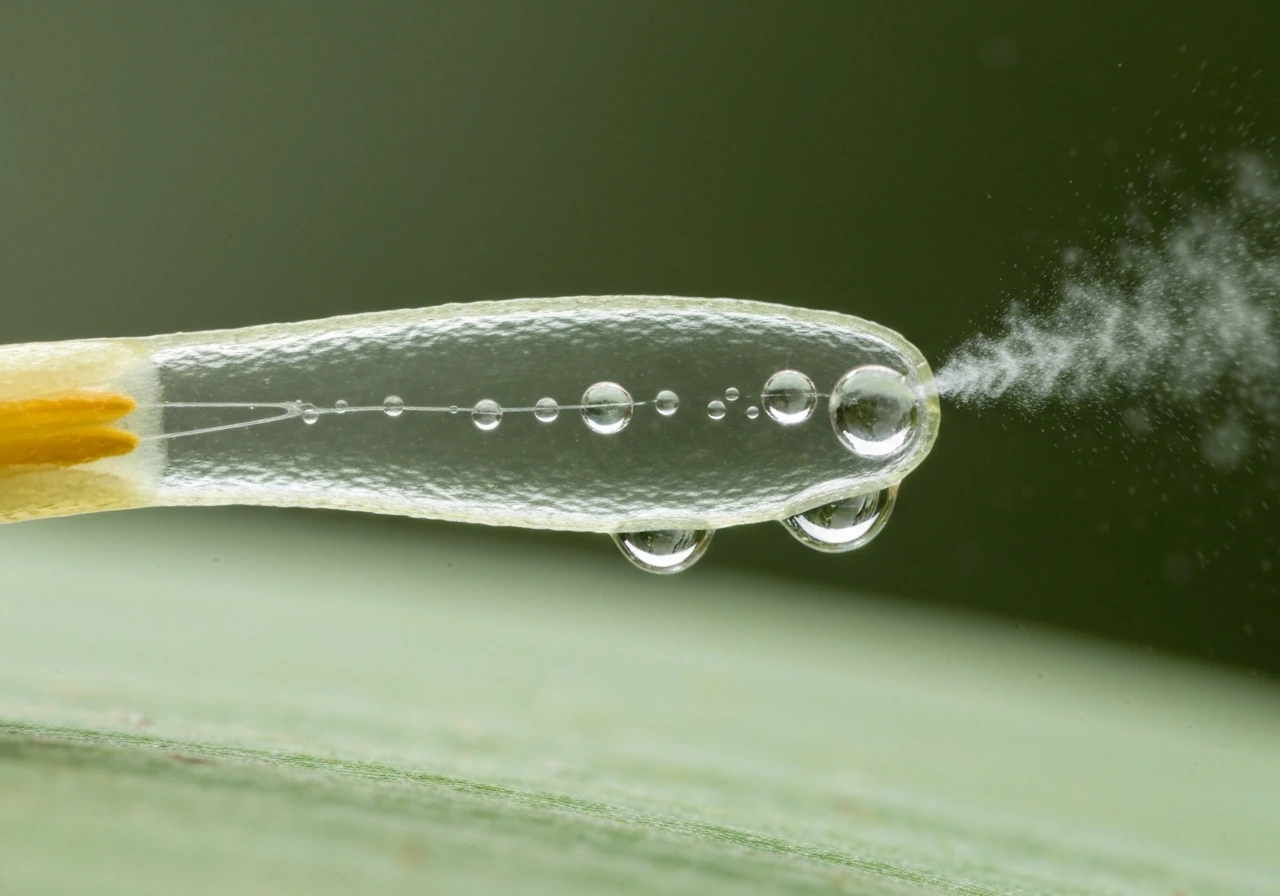
Reactive oxygen species sound like something you would want to avoid, but at the right level they are essential for pollen tube growth. Reactive oxygen species sound like something you would want to avoid, but at the right level they are essential for pollen tube growth, and the cytoskeletal dynamics behind growth and shrinkage are also tied to microtubules how microtubules grow and shrink. [NADPH oxidase enzymes at the tube tip produce a controlled burst of ROS](https://nph. onlinelibrary.
wiley. com/doi/10. 1111/j. 1469-8137.
2007. 02042. x) that activates calcium-permeable channels and reinforces the apical Ca2+ gradient. Inhibit those NADPH oxidases and ROS drops, calcium influx falls, and tube growth slows or stops.
Conversely, excessive ROS destabilizes the tube wall and can trigger rupture. The cell walks a narrow tightrope: too little ROS and the tip stalls, too much and the tube blows out.
Aquaporins, water, and osmotic balance
Turgor pressure is what physically inflates the tube and drives tip extension, but maintaining turgor during rapid elongation requires constant water uptake. Aquaporins (water channel proteins) in the pollen tube membrane facilitate that rapid water movement. Osmotic solutes also have to move fast enough to keep pace with the expanding tube volume. This is why the osmotic composition of the surrounding medium matters so much in in vitro experiments: if you get the sucrose concentration wrong, you either collapse the tube (too high osmolarity) or cause it to burst (too low).
Boron, sucrose, and other nutrients
Boron is a nutrient that is easy to overlook but plays a genuine structural role: it cross-links pectin in the pollen tube cell wall, which is critical for wall integrity at the tip. Sucrose provides the carbon energy source. Calcium ions (supplied externally in vitro) feed the tip gradient. These are not optional additives in a germination medium: they are direct mechanical requirements for tube growth.
The physical mechanics: how the tube actually pushes forward
Tip growth is not just chemistry. It is a physical process that requires the right balance of turgor pressure, wall stiffness, and cytoskeletal organization. Here is what happens at the tip in real time:
- Vesicles loaded with new cell wall material and membrane lipids are transported along actin filaments toward the tube tip.
- The vesicles fuse with the plasma membrane at the apex (a process involving exocyst-like tethering complexes), depositing fresh wall material and expanding the membrane.
- The newly deposited wall at the tip is soft and extensible; the older wall behind it stiffens as pectin cross-linking (partly boron-dependent) increases.
- Turgor pressure inside the tube pushes outward through that soft apical region, stretching it and causing the tube to elongate.
- The calcium gradient and ROP1 activity maintain the restriction of this soft, extensible zone to the very tip, preventing lateral expansion and keeping growth strictly forward.
The cytoskeleton is doing the heavy lifting in terms of logistics. Actin filament arrays run along the tube and ferry vesicles toward the tip in a process called cytoplasmic streaming. Microtubules provide structural support and contribute to organelle positioning. Microtubules can also reorganize to help organize the tube tip and support the rapid elongation that accompanies growth microtubules grow.
Microtubules provide structural support and contribute to organelle positioning, and their behavior can be related to whether microtubules can microtubules grow from both ends. Disrupt the actin arrays and vesicle delivery stalls, which quickly halts elongation even if all the chemical signals are still present. This is related to why, in incompatible pollen tubes, one of the consequences of S-RNase activity is actin depolymerization: by wrecking the cytoskeleton, the incompatibility system mechanically stops the tube from growing.
If you have read about how microtubules grow and shrink in other contexts, the dynamic behavior of the cytoskeleton in pollen tubes will feel familiar. The difference here is that actin plays the dominant active transport role, while microtubules are more involved in structural and positional functions, rather than the other way around.
What stops growth, and how to troubleshoot it
Growth inhibition in pollen tubes falls into a few clear categories. Knowing which one you are dealing with tells you what to fix.
| Problem | What Is Happening | What to Check or Change |
|---|---|---|
| No germination at all | Pollen failed to hydrate or is non-viable | Check humidity, stigma compatibility, pollen freshness; in vitro, check osmolarity and Ca2+ in medium |
| Tube emerges but stalls early | Incompatibility rejection (SI) or missing stylar cues | Confirm genotype/species compatibility; check if S-locus alleles match between pollen and pistil |
| Tube grows but will not penetrate tissue | Defective secretory delivery at pollen–stigma contact | May reflect exocyst/tethering complex defects; hard to fix without genetic tools, but ensure surface contact is clean in vitro |
| Slow or stunted tube growth in vitro | Wrong medium composition (sucrose, boron, Ca2+, pH, temperature) | Optimize medium (see recommendations below); try 25–30 °C, pH 5.8–6.0, sucrose 10–15%, add boric acid and Ca source |
| Tube growth stops mid-style in vivo | S-RNase-based gametophytic SI: RNase internalized, actin disrupted, Ca2+ depleted | Genetic: cannot easily bypass; use compatible cross; in vitro, provide exogenous RNA protection is not practical |
| Tube bursts or ruptures | Too-low osmolarity, excessive ROS, or wall weakening | Increase sucrose in medium; avoid oxidative stress conditions; check for overheating |
| No directional guidance toward ovule | Missing LURE peptide signaling or defective pollen receptors | In vitro, add semi-in-vivo setup with cut pistil; in whole plants, check synergid cell integrity |
The S-RNase incompatibility scenario is worth understanding in detail because it is so mechanistically thorough. When incompatible pollen enters the style, the pollen S factor (an SLF/SFB F-box protein) fails to effectively neutralize the pistil's S-RNase by ubiquitin-mediated degradation. The active S-RNase escapes into the pollen tube cytoplasm, degrades RNA, disrupts actin filaments, depletes the tip Ca2+ gradient, reduces ROS, and can even cause vacuole rupture. The tube arrests not from a single lethal hit but from a cascade of simultaneous insults to almost every system it needs to grow.
Try it today: observing and growing pollen tubes yourself
Whether you are a student doing a lab exercise or a curious person who just wants to watch a pollen tube elongate, this is genuinely one of the most accessible microscopy experiments in plant biology. You do not need specialized equipment beyond a basic compound microscope and some inexpensive chemicals.
A starter in vitro germination medium
Different plant species have different optimal conditions, so expect to tweak. The following medium works as a general starting point for many species and can be assembled cheaply:
- Sucrose: 100–150 g/L (provides energy and osmotic balance; some species like strawberry prefer media without boric acid but still need sucrose at 10–15%)
- Boric acid: 100–200 mg/L (supports cell wall pectin cross-linking; note some species are sensitive, so start low)
- Calcium nitrate or calcium chloride: 60–150 mg/L (feeds the tip Ca2+ gradient)
- Optional: monopotassium phosphate 10 mg/L, magnesium sulfate 10 mg/L
- pH adjusted to 5.8–6.0
- Temperature: 25–30 °C is optimal for most temperate species; 35 °C is usually too hot
For a semi-solidified medium, add agar at about 0.8 g/100 mL. This keeps the pollen in place for easier observation. For liquid medium, you will see faster growth rates but need to image quickly. In alfalfa pollen, tubes grown at 30 °C in an appropriate liquid medium can reach roughly twice the pollen grain diameter within 10 to 15 minutes and up to seven times after about an hour. That is fast enough to observe in a single class period.
How to collect and plate pollen
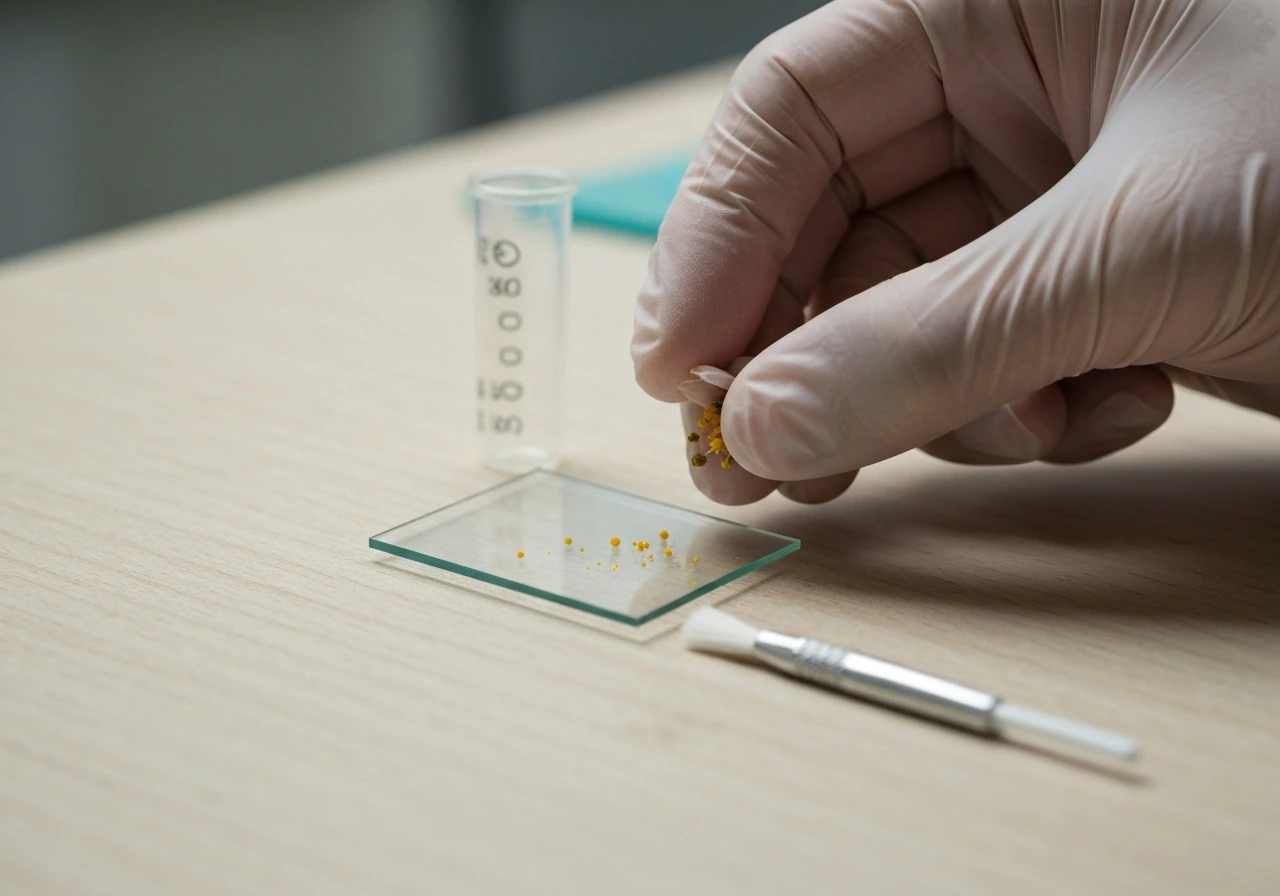
- Collect freshly opened flowers; tap or brush anthers over a clean slide or into a microcentrifuge tube.
- For dry pollen (most temperate species), use pollen immediately or store briefly at room temperature in a dry container.
- Place a small drop of germination medium on a slide or in a well plate, then dust pollen onto it.
- Cover loosely (do not seal completely: some gas exchange matters) and incubate at 25–30 °C.
- Check under the microscope at 15 minutes, 30 minutes, and 1 hour.
What to look for
A germinating pollen grain will show a small protrusion breaking through the pollen wall (the aperture region) within 15 to 30 minutes in a good medium. That protrusion is the emerging tube. After 30 to 60 minutes, the tube should be clearly elongating and at least as long as the pollen grain diameter. Signs that growth is stimulated and proceeding normally include a smooth, uniformly cylindrical tube with clear cytoplasmic streaming visible inside (you may see granules moving toward the tip under bright-field). Signs of trouble include tubes that bulge, branch irregularly, rupture, or simply stop elongating after a short burst.
Interpreting your results
If germination rates are very low (under 20%) or tubes are extremely short, the most common culprits are wrong sucrose concentration, wrong temperature, or non-viable pollen. Try adjusting one variable at a time. If tubes germinate well but then stop growing after a few minutes, osmotic balance is usually the issue: try stepping the sucrose concentration up or down by 25 g/L increments. If you see lots of ruptured or ballooning tubes, osmolarity is too low. No germination at all despite fresh pollen usually means the pollen itself was damaged (heat, humidity, or age) or the medium pH is off.
For a richer experiment, try a semi-in-vivo approach: cut a pistil lengthwise and lay it cut-side down on your germination medium, then apply pollen to the stigma end. This lets you observe pollen germinating on real stigmatic tissue and the tube growing down real stylar tissue, which introduces the actual biological guidance cues that a purely synthetic medium cannot replicate. This also ties directly into how does the pollen tube grow down the style, since the stylar tissue provides the guidance cues that steer the tube. Directional growth of tubes down the style under these conditions shows you guidance signaling in action rather than just random elongation in a dish.
Understanding how a pollen tube finds its way to an ovule is a window into one of the most precise navigation problems in all of biology. A tube that can be only a few micrometers wide has to travel millimeters to centimeters through foreign tissue, responding to gradients it cannot see, steered by chemistry it cannot consciously follow. The fact that you can watch most of this happen on a glass slide with a basic microscope and some sugar water makes it one of the most rewarding experiments in plant science. And the same kind of coordinated signaling that guides a pollen tube can also be used to understand how other organisms weave webs as they grow weaves webs as they grow.
FAQ
If humidity is high, why doesn’t the pollen tube always grow? (Doesn’t humidity provide the needed water?)
Water entry is the first and most upstream trigger, and it depends on compatibility between pollen coat proteins and the stigma surface. If pollen is exposed to high humidity but the stigma surface does not deliver water effectively (for example, due to incorrect surface chemistry or damaged pollen coat), you can get little to no germination.
How do I tell whether my in vitro medium has the wrong osmolarity?
A high sucrose level can cause “too much osmotic pull” from the tube, collapsing the cytoplasm and stopping extension, while too little sucrose can lead to poor solute balance, weak wall support, and rupture. In practice, adjust osmolarity gradually in small steps rather than using a single guess, because pollen is sensitive to both under- and over-osmotic stress.
Can a pollen tube begin growing and still be ‘blocked’ later?
Incompatibility can stop growth even if the tube has already started, because the failure targets processes needed to sustain elongation, not just the initial germination step. For example, in S-RNase systems the tube can stall after a period of growth when RNA degradation, actin disruption, and loss of the tip Ca2+ pattern begin to accumulate.
Why might pollen tubes start growing but then stop after a few minutes even if they germinated? (Is timing important?)
The pollen tube tip needs sustained, not one-time, signaling and homeostasis. If the guidance cue or the tip ion balance is present only briefly (for instance, due to washing steps or uneven diffusion in a dish), the tube may start but then slow or wander as the tip gradient collapses.
What happens if the final ovule-region attractant peptides (LUREs or related signals) are missing or nonfunctional?
Guidance depends on short-range peptide gradients near the ovule, but the tube also needs a suitable sensory and steering environment along the style. If you remove or alter synergid-secreted peptide signaling at the end of the journey, you may still see tubes elongate through the style but fail to orient correctly toward the micropyle.
If I add more calcium to the medium, will pollen tubes grow faster?
Calcium gradients are localized at the tip, so providing calcium elsewhere or after the tip has formed often does not help. The key is a functional calcium influx pathway that maintains a steep Ca2+ drop a few micrometers behind the apex; blocking Ca2+ influx collapses the gradient and arrests growth.
Why do some pollen tube experiments show both ‘vigorous growth’ and lots of ruptures?
Yes, but it’s a narrow window. Controlled ROS production at the tip supports calcium channel activity and apical Ca2+ patterning, while excess ROS damages the wall and can trigger rupture. If growth looks fast but you see many bursting tubes, ROS may be too high or ROS homeostasis may be disrupted.
What if I see tip-localized calcium signs but tube elongation still stalls?
Actin disruption can stall transport of vesicles required for tip wall and membrane expansion, so even correct chemical cues and a seemingly normal tube outline may not lead to elongation. In other words, mechanical logistics can be the limiting factor, not just signaling.
How does cross-species fertilization fail, if pollen tubes can sometimes enter the ovary?
Yes, but the species specificity mostly matters at the guidance and compatibility checkpoints. A cross-species tube can sometimes enter and grow partway, yet fail to respond to the correct ovule-region peptides or style environment, leading to stalling or misguidance rather than immediate failure at germination.
Should I use semi-solid or liquid medium for the best way to see directional growth?
For live imaging, the “semi-solid vs liquid” choice changes what you observe rather than only how fast the tube grows. Semi-solid media help keep pollen positioned for consistent directionality on the slide, while liquid can produce faster elongation but makes it harder to track the same tube and can increase apparent orientation errors due to movement or diffusion.
What are the most common root causes when there is zero germination versus when germination starts but growth fails?
If no germination occurs despite fresh pollen, the issue is often pollen viability (heat, storage, or age) or a medium formulation problem such as incorrect pH. If germination starts but tubes rapidly stop, osmotic balance and tip maintenance factors (water/solute movement, calcium and ROS homeostasis) are more likely culprits.
Next Article
How Do Microtubules Grow: Plus-End Growth and Dynamic Instability
Mechanisms of microtubule plus-end growth and dynamic instability: tubulin addition, GTP hydrolysis, catastrophe and res