Sugar gives yeast the energy and carbon it needs to divide and produce CO₂. When yeast cells consume glucose or sucrose, they break those molecules down through fermentation, generating ATP (the cell's energy currency) and releasing carbon dioxide gas as a byproduct. That CO₂ is exactly what makes bread dough rise and beer bubble. Without a fermentable sugar source, yeast can still survive for a while, but fast, reliable growth essentially stops.
How Does Sugar Help Yeast Grow and How to Optimize It

Marcus Whitmore
23 Apr 2026
Do yeast need sugar to grow?
Technically, yeast can use other carbon sources besides sugar. In a lab setting, Saccharomyces cerevisiae (the species behind almost all baking and brewing) can metabolize ethanol, glycerol, or acetate when glucose isn't available. But in the practical world of your kitchen or fermenter, yeast is almost entirely dependent on fermentable sugars for the kind of brisk, visible growth you're looking for. No sugar means no meaningful fermentation, no CO₂ bubbles, and no rising dough. Sugar isn't just helpful for yeast growth, in a baking or brewing context, it's the engine.
Why sugar matters: yeast metabolism and energy for division
Here's what's actually happening inside each yeast cell when it meets sugar. The cell absorbs glucose through specialized membrane proteins called hexose transporters (Hxt proteins). These transporters have different affinities depending on glucose concentration, so the cell can fine-tune its uptake rate whether there's a lot of sugar or just a little. Once inside, glucose enters glycolysis and fermentation, producing a net yield of about 2 ATP molecules per glucose molecule. Ethanol fermentation is commonly summarized as glucose yielding ethanol and carbon dioxide, with ATP produced during the fermentation process blank" rel="noopener noreferrer">producing a net yield of about 2 ATP molecules per glucose molecule. Wikipedia notes that in yeast, glucose fermentation proceeds through glycolysis and alcoholic fermentation, producing ethanol and carbon dioxide. That might sound modest, but yeast compensates by running fermentation incredibly fast, especially when glucose is abundant.
That ATP powers everything a growing cell needs: building new proteins, copying DNA, and physically dividing into two daughter cells. The carbon from glucose also feeds biosynthesis directly, providing the raw materials for new cell membranes, organelles, and genetic material. So sugar is doing double duty, it's both the fuel and the feedstock for growth. If you think of a yeast cell like a factory, sugar is simultaneously the electricity bill and the raw materials shipment.
One interesting quirk: when glucose is plentiful, yeast actually represses the genes it would need to digest other sugars like maltose or sucrose efficiently. This is called glucose repression (or the Crabtree effect in a broader sense). It means yeast prioritizes glucose above all else. Only once glucose runs low will it start ramping up machinery to handle other sugars. This matters practically, if you're using table sugar (sucrose), yeast first cleaves it into glucose and fructose before fermentation can begin, which adds a small lag compared to feeding pure glucose.
Fermentation vs respiration: how oxygen changes the sugar story
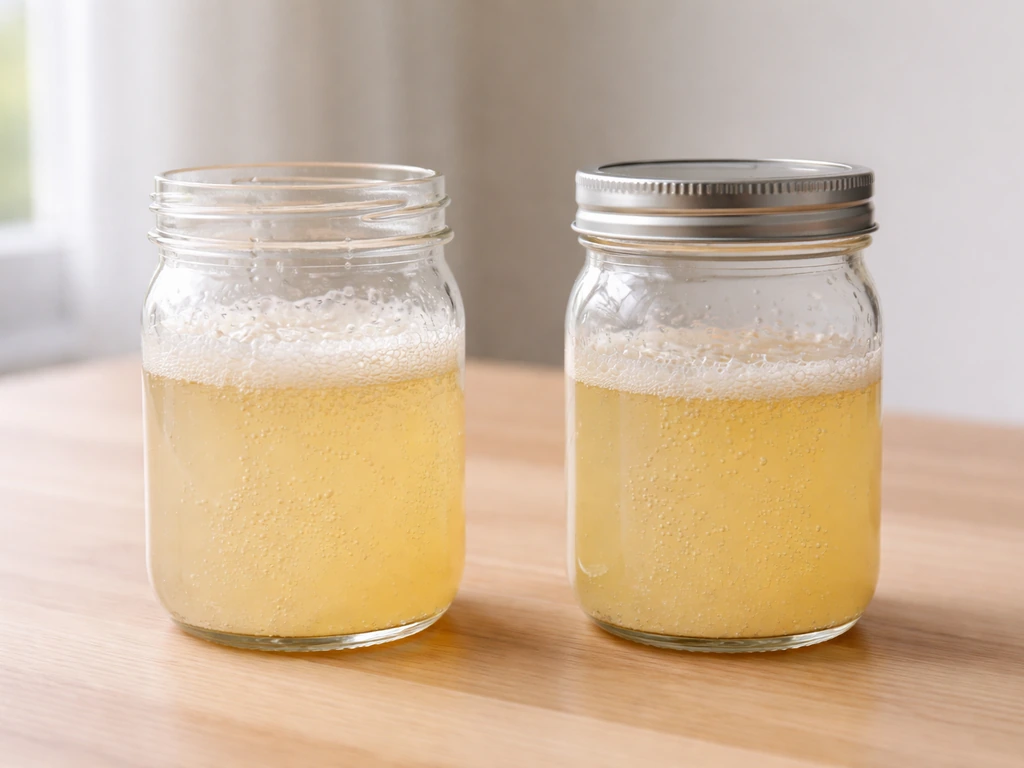
Yeast can metabolize sugar two different ways depending on whether oxygen is available. With plenty of oxygen, yeast respires aerobically and extracts far more energy from each glucose molecule (up to 36 ATP) but produces no ethanol or CO₂ in useful amounts. Without oxygen, or when glucose is very high, yeast switches to fermentation: less energy per glucose, but it produces the ethanol and CO₂ that define bread rise and alcohol production.
This is why a freshly opened packet of yeast in a warm sugar-water mixture starts bubbling quickly, the yeast is fermenting, not respiring. The CO₂ you see is a direct readout of how fast fermentation is running. If you wanted maximum cell mass (say, for industrial baker's yeast production), you'd supply oxygen and keep sugar concentrations carefully controlled. But for rising bread or fermenting a beer, you want fermentation, and that means limiting oxygen and feeding plenty of sugar.
There's also a clever downstream trick yeast pulls off: once all the glucose is gone, if oxygen becomes available, yeast can switch back to aerobic metabolism and burn the ethanol it already produced as an additional carbon and energy source. That metabolic flexibility is part of why S. cerevisiae has been so useful to humans for thousands of years.
What else controls yeast growth beyond sugar
Sugar is the big lever, but it's not the only one. Several other conditions can stop yeast growth cold even when sugar is plentiful, and understanding these is what separates a baker who gets consistent results from one who's always wondering why the dough didn't rise.
| Factor | Ideal range / condition | What goes wrong outside this range |
|---|---|---|
| Temperature | 75–95°F (24–35°C) for active growth; proof in 100–110°F water | Below 50°F: growth stalls. Above 140°F: yeast dies. |
| Sugar concentration | 1–10% by weight in most applications | Very high concentrations (>20%) pull water out of cells via osmosis, stressing or killing yeast. |
| pH | 4.5–6.0 is optimal | Too acidic (below 3.5) or too alkaline slows enzyme activity and growth. |
| Salt | Under 2% in dough is tolerable; higher is inhibitory | Salt draws water from yeast cells osmotically and disrupts enzyme function. |
| Water activity | Yeast needs free water to grow | Dry conditions or very thick, sugar-heavy doughs limit nutrient diffusion and growth. |
| Oxygen | Needed for aerobic growth; fermentation works without it | Completely anaerobic conditions limit biomass accumulation but favor CO₂/ethanol production. |
The osmotic stress point deserves special attention. When sugar concentration gets very high, yeast cells activate what's called the HOG (High Osmolarity Glycerol) pathway. The cell pumps out more glycerol to balance the osmotic pressure across its membrane. This response takes energy and slows growth. Similar ideas explain why vinegar can affect gummy bears: the chemistry can change how much sugar-like fuel is available for the reaction that makes them swell why does vinegar make gummy bears grow. It's one reason that very sweet doughs (think brioche or some enriched breads) rise more slowly, the yeast is working under osmotic stress, not just fermenting freely. This is the same fundamental principle behind why salt crystals and sugar crystals grow the way they do when dissolved in water: concentration gradients matter enormously at the cellular level. The same idea explains why sugar crystals can grow as dissolved sugar molecules move and stick in water why do sugar crystals grow. If you're wondering whether crystals form faster under agitation, the same idea of molecular movement and sticking applies when looking at how quickly sugar crystals grow as they dissolve and re-attach do sugar crystals grow faster tap.
How to boost yeast growth right now: sugar, temperature, and mixing
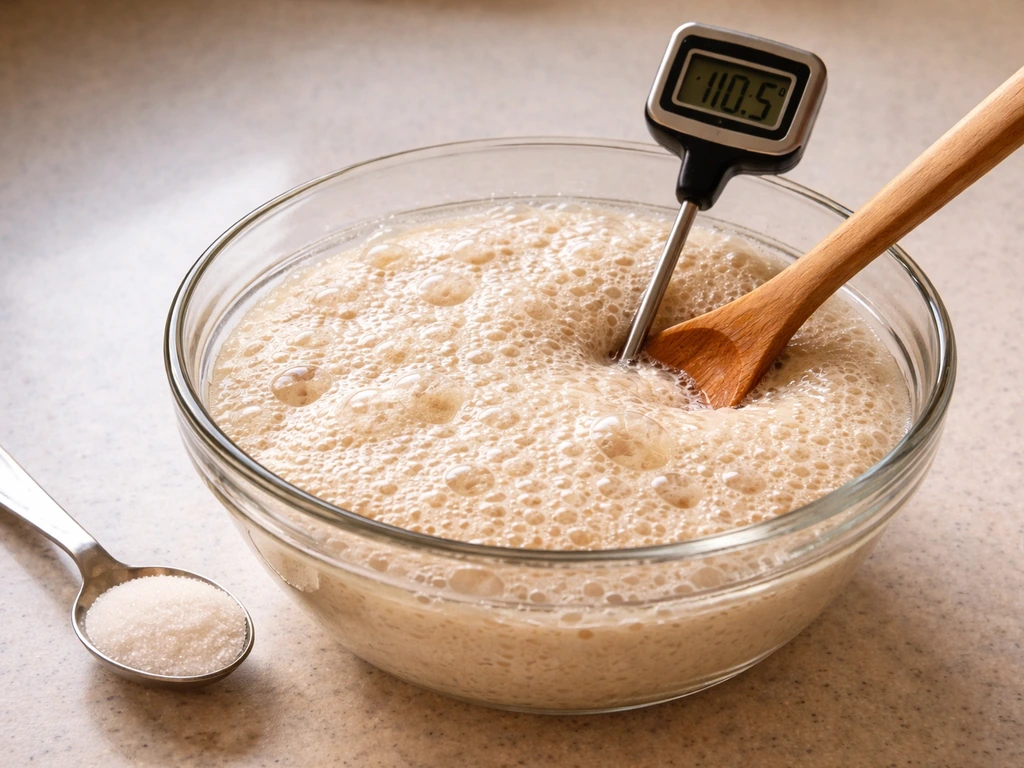
If you want reliable yeast activity today, here's the exact process that works consistently. Start by proofing your yeast, it confirms the cells are alive before you commit them to a full recipe.
- Use water at 100–110°F (38–43°C) for Active Dry Yeast. If you're using RapidRise or Bread Machine yeast, go slightly hotter: 120–130°F (49–54°C). Use a kitchen thermometer — guessing temperature is the single most common reason yeast fails.
- Dissolve 1 teaspoon of granulated sugar into 1/4 cup (about 60 ml) of that warm water. Glucose or plain sucrose (table sugar) both work well here. Sucrose gets cleaved to glucose and fructose almost immediately by an enzyme on the yeast's cell surface.
- Add the yeast and stir gently. Don't whip air in aggressively — a gentle mix is all you need to distribute the cells.
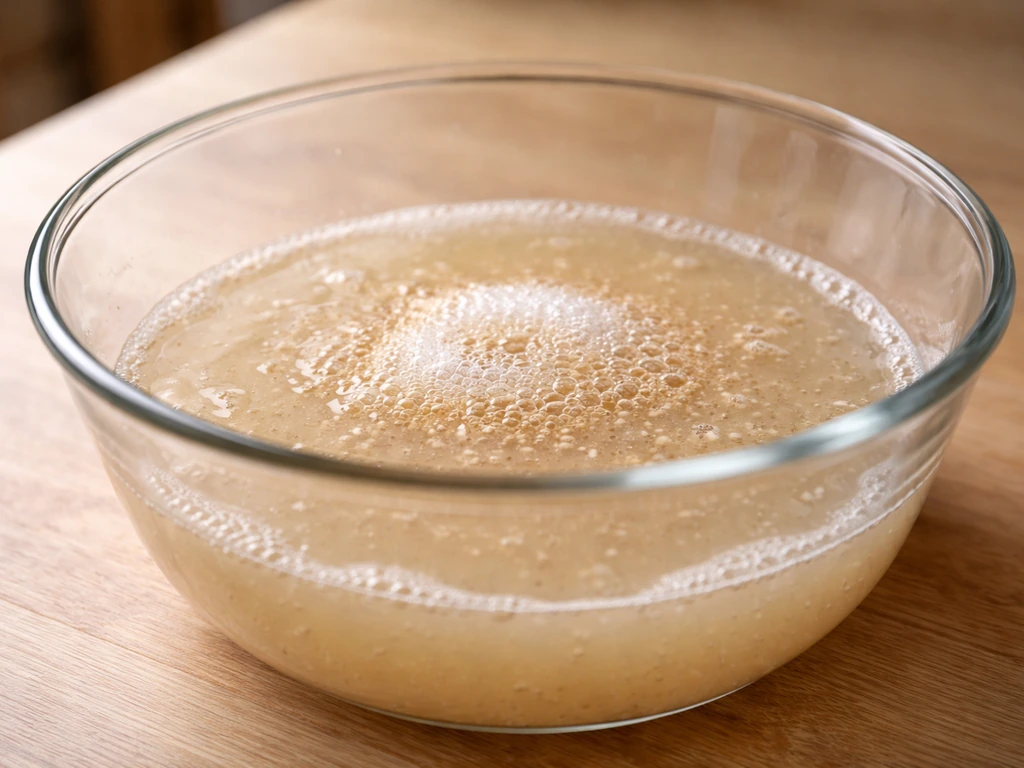
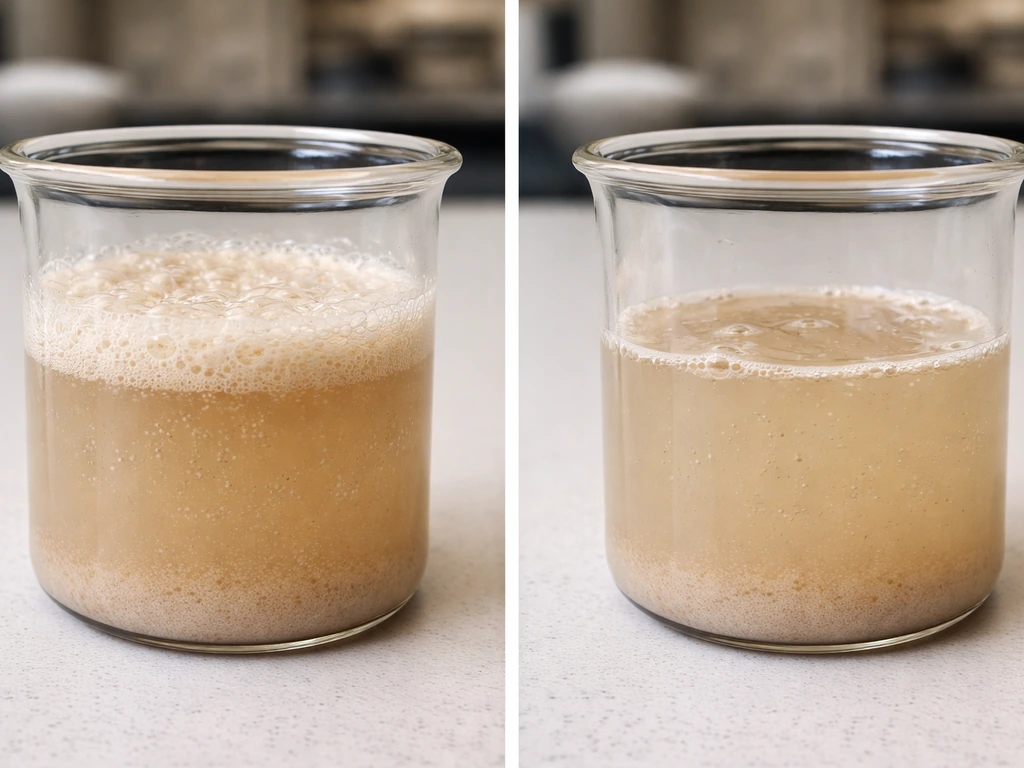
- Wait 5–10 minutes. You should see a foam or bubble layer forming on the surface. If you get a good foam, your yeast is alive and active. No foam after 10 minutes usually means the yeast is dead or the water was the wrong temperature.
- Once proofed, incorporate the mixture into your recipe quickly. Yeast that's been sitting in sugar water for 30+ minutes before being incorporated into dough will have already consumed much of that initial sugar supply.
For the growth phase in dough, keep it warm: a covered bowl in a 75–85°F environment (a turned-off oven with just the light on works well) gives yeast the consistent temperature it needs to keep dividing and fermenting. If you are using gel balls, hotter water may speed the process only up to a point, but temperature can also cause issues if it gets too high keep it warm. Cold slows things down dramatically but doesn't kill yeast, so slow, cold fermentation in the fridge overnight is a legitimate and flavor-developing technique, just don't expect fast rise times.
Troubleshooting: why your yeast isn't rising
If your dough or yeast mixture isn't doing anything, work through this list in order before assuming the recipe is wrong.
- Water too hot or too cold: This is the number-one culprit. Water above 140°F (60°C) kills yeast outright. Water below 70°F won't activate it meaningfully. Always measure.
- Stale yeast: Yeast packets have an expiration date for a reason. Old yeast loses viability over time, especially if stored somewhere warm or humid. Proof it separately before using it in a full batch.
- Too much salt added too early: Salt in direct contact with yeast pulls water out osmotically and can kill the cells before fermentation starts. In bread recipes, mix salt with flour before adding the yeast mixture.
- Not enough sugar or the wrong type: Yeast needs a fermentable sugar. Artificial sweeteners (like stevia or aspartame) are not fermentable and provide zero energy for yeast growth.
- Too much sugar: Counterintuitively, a very high sugar concentration stresses yeast through osmotic pressure and will actually slow or stop fermentation. Sweet doughs need more yeast or more time.
- pH too low: If you're using an ingredient like a lot of lemon juice, buttermilk, or vinegar, the environment may be too acidic for comfortable yeast growth. Aim to keep pH above 4.
- Not enough time: Impatience is genuinely the most underrated problem. At 75°F, most doughs need 60–90 minutes for a first rise. Don't poke and deflate it every 15 minutes checking on it.
How much sugar and what kind: simple rules for baking and brewing
For baking, most recipes already contain enough sugar (from flour starch breakdown and any added sugar) to sustain good fermentation. If you're adding sugar specifically to feed yeast, 1 to 2 teaspoons per cup of flour is a practical baseline. Going above about 10% sugar by total dough weight will start slowing yeast down through osmotic stress, enriched doughs like brioche compensate with more yeast or longer fermentation times.
For brewing, the sugar picture is more complex. Standard beer wort contains mostly maltose (around 60%) and maltotriose (around 20%), with glucose, fructose, and sucrose making up most of the rest. Yeast ferments glucose first (glucose repression kicks in), then gradually ramps up maltose metabolism once glucose is depleted. This is why fermentation in beer often happens in two distinct phases: an initial rapid burst as glucose is consumed, then a slower, steadier phase as maltose is digested.
As a simple type-by-type guide:
| Sugar type | Fermentable by S. cerevisiae? | Best use case | Notes |
|---|---|---|---|
| Glucose (dextrose) | Yes, fastest | Brewing, proofing, simple fermentation experiments | Directly enters glycolysis, no extra steps needed |
| Sucrose (table sugar) | Yes, very fast | Baking, basic proofing | Split into glucose + fructose by surface enzyme; negligible lag |
| Maltose | Yes, but after glucose is gone | Beer wort, malted grain fermentation | Requires specific transporter expression; slower to start |
| Fructose | Yes | High-fructose corn syrup applications, some baking | Enters glycolysis via fructose-6-phosphate; slightly slower than glucose |
| Lactose | No (for most baker's yeast) | Not suitable for standard S. cerevisiae fermentation | Specialized lactose-fermenting yeast strains required |
| Artificial sweeteners | No | None for yeast feeding purposes | Provide no carbon or energy; yeast will not grow |
The bottom line for practical use: if you want fast, reliable yeast activity, glucose or sucrose is your best friend. Honey, maple syrup, and fruit juices all contain glucose and fructose in useful concentrations and work well as sugar sources in both baking and fermentation experiments. The type of sugar matters less than making sure there's enough of it, that the temperature is right, and that the yeast was alive to begin with, those three variables solve the vast majority of yeast problems before anything else needs investigating.
FAQ
Why does sugar sometimes not make yeast bubble right away?
If your mix is sweet but not bubbling, it is often because the sugar is not yet in a fermentable form for that yeast strain. Sucrose usually needs cleavage into glucose and fructose first, which creates a short lag. Honey and syrup can also work, but fruit juices vary widely, and some sugars may be present at low fermentable concentrations or be diluted by water and acids, slowing visible activity.
Does yeast need oxygen for sugar to help it grow?
Yeast will generally ferment effectively without oxygen, but oxygen level changes the balance between “fast rise” and “more cell growth.” For baking, you typically want limited oxygen so fermentation runs and CO₂ production dominates. For maximizing yeast biomass (for yeast propagation), oxygen plus controlled sugar can shift metabolism toward respiration and faster cell multiplication, which is different from getting dough to rise.
How can I tell if the sugar is working or if my yeast is already damaged?
Warm water is helpful, but overheating can stop yeast before sugar can do anything. A common failure is adding yeast to water that is too hot, which damages cells. As a practical check, proof the yeast in a small amount of warm sugar-water (not a full batch), wait for signs of activity, then proceed.
Can adding more sugar make yeast grow slower?
Too much sugar can slow fermentation even though yeast has plenty of fuel. High sugar raises osmotic pressure, triggering the HOG stress response, which makes cells work harder just to balance the environment. A dough that is very sweet (or very concentrated sugar syrup) may need more yeast, more time, or slightly lower sugar concentration to regain a normal rise.
What happens if I use sugar but ferment at refrigerator temperature?
Yes. Cold does not usually kill yeast, it mainly slows metabolism, so you may not see rapid rise even with plenty of sugar. If you are using a fridge fermentation, plan for longer bulk and proof times, and rely more on dough volume and feel than on a short “proofing” window.
Which sugar works best for getting reliable rise, and why?
The “best” sugar depends on how quickly you want activity and what you have on hand. Pure glucose tends to start fastest, sucrose is slightly slower due to conversion, and honey or syrup can work well but may include varying ratios and dilution. If you need predictable results for proofing, use sucrose or glucose sources rather than heavily diluted or very acidic fruit mixtures.
Why do I get yeast growth for a while but then it stalls?
If you are feeding yeast in an environment with little sugar, fermentation slows, but yeast can still persist for a while by switching to alternative carbon pathways in some cases. In typical bread or beer contexts, that survival mode does not produce the strong CO₂ output you want, so the practical fix is usually adding sufficient fermentable sugar or adjusting fermentation conditions.
Does yeast keep fermenting after all the sugar is gone?
Yeast can switch back to using ethanol after glucose runs out if oxygen becomes available. That matters for how flavors develop and for secondary stages, such as after a primary fermentation slows. In brewing, this can lead to differences in flavor and attenuation depending on oxygen exposure after the initial sugar is depleted.
Is proofing yeast really necessary if the recipe already tells me the steps?
When recipes say “proof your yeast,” they are verifying viability and that the yeast can metabolize the available sugar under your exact conditions. Proofing also prevents wasting time on a whole batch when yeast has gone inactive from old stock, incorrect storage, or excessively hot mixing water. Use proofing as a gate before committing to dough or wort.
What should I troubleshoot first if my dough does not rise even though I added sugar?
If dough rises too slowly, check the most common interacting variables first: yeast freshness, water temperature, and total sugar concentration. Even with correct sugar type, wrong temperature or too-sweet formulations can create osmotic stress. Use a small proof test to separate “yeast not alive” from “recipe conditions not supporting fermentation.”
Next Article
What Controls When and How Fast Cells Grow and Divide
Learn what controls cell division timing and speed: checkpoints, signals, resources, DNA damage, stress, and failure lea